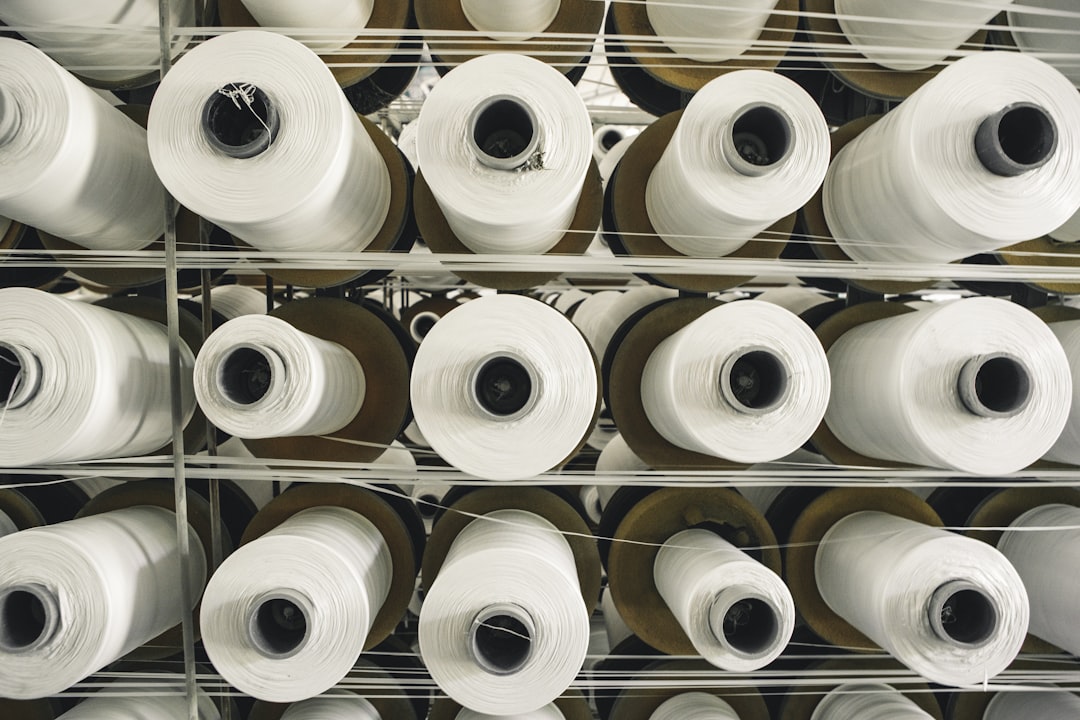
Textile manufacturing is a fundamental sector of the global economy, employing millions of people worldwide and meeting the continuous demand for clothing and fabrics. However, this industry faces significant environmental challenges. The production processes—including dyeing, finishing, weaving, and knitting—generate substantial pollution.
Understanding these environmental impacts is essential for those concerned with sustainability, environmental science, and the fashion industry. The textile sector is characterized by intensive consumption of water, chemicals, and energy, all contributing to its environmental impact. Textile manufacturing creates multiple forms of pollution that affect ecosystems well beyond production facilities.
Water contamination and air quality deterioration are among the most significant environmental consequences. These issues highlight the complex challenges facing manufacturers and emphasize the critical importance of developing and implementing more sustainable production methods.
Key Takeaways
- Textile manufacturing significantly contributes to water, air, and chemical pollution affecting local ecosystems.
- Waste generation and greenhouse gas emissions from textile production pose major environmental challenges.
- Pollution from textile processes has direct negative impacts on human health.
- Sustainable manufacturing practices and strict government regulations are essential to mitigate environmental damage.
- Consumers play a crucial role in reducing the textile industry’s environmental footprint through responsible choices.
Water Pollution from Textile Manufacturing
One of the most pressing environmental issues linked to textile manufacturing is water pollution. The dyeing and finishing processes are particularly notorious for their high water consumption and contamination.
This not only affects aquatic life but also poses a risk to communities that rely on these water sources for drinking and agriculture. The pollutants often found in textile wastewater include dyes, heavy metals, and other toxic substances. When these contaminants enter rivers and lakes, they can disrupt ecosystems, leading to a decline in biodiversity.
As you reflect on this issue, it’s important to recognize that many textile manufacturers operate in regions with lax environmental regulations, allowing them to discharge untreated wastewater into nearby bodies of water. This practice not only endangers local wildlife but also threatens the health and livelihoods of people living in those areas.
Air Pollution from Textile Manufacturing
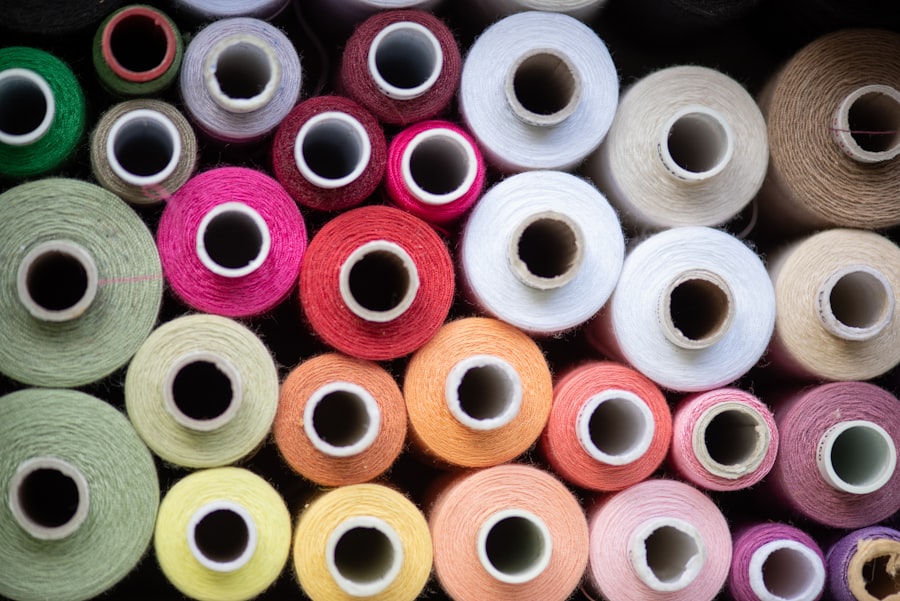
Air pollution is another significant concern associated with textile manufacturing. The processes involved in producing textiles release a variety of volatile organic compounds (VOCs) and particulate matter into the atmosphere. As you consider the implications of these emissions, it becomes clear that they can contribute to respiratory problems and other health issues for workers and nearby residents.
Factories often operate without adequate ventilation systems, exacerbating the problem and putting individuals at risk. Moreover, the use of synthetic fibers and chemical treatments can further complicate air quality issues. When these materials are heated or processed, they can release harmful fumes that linger in the air.
As you think about the broader implications of air pollution from textile manufacturing, it’s essential to recognize that these emissions contribute to climate change and global warming. The interconnectedness of air quality and environmental health underscores the need for more sustainable practices within the industry.
Chemical Pollution from Textile Manufacturing
Chemical pollution is a pervasive issue in textile manufacturing, stemming from the extensive use of dyes, finishes, and other chemical treatments. As you explore this topic, you may find it alarming that many of these chemicals are hazardous to both human health and the environment. For instance, certain dyes contain carcinogenic compounds that can leach into soil and water systems, posing long-term risks to ecosystems and communities alike.
The challenge lies not only in the types of chemicals used but also in how they are managed throughout the production process. Many manufacturers lack proper waste management systems, leading to accidental spills or improper disposal of hazardous materials. As you consider the implications of chemical pollution, it’s crucial to advocate for greater transparency within the industry regarding chemical usage and disposal practices.
By pushing for stricter regulations and accountability, you can help drive change toward safer manufacturing processes.
Impact on Local Ecosystems
| Pollution Metric | Details | Impact |
|---|---|---|
| Water Usage | Approximately 200 liters of water are used to produce 1 kilogram of fabric. | Depletes freshwater resources and affects aquatic ecosystems. |
| Chemical Waste | Textile dyeing and treatment release toxic chemicals such as heavy metals and formaldehyde. | Pollutes water bodies, harming aquatic life and human health. |
| Air Pollution | Emissions from textile factories include volatile organic compounds (VOCs) and particulate matter. | Contributes to respiratory problems and environmental degradation. |
| Microfiber Pollution | Washing synthetic textiles releases microfibers into waterways. | Microplastics accumulate in oceans, affecting marine life and food chains. |
| Energy Consumption | Textile manufacturing is energy-intensive, relying heavily on fossil fuels. | Leads to high carbon emissions contributing to climate change. |
The impact of textile manufacturing on local ecosystems cannot be overstated. As you examine this issue, you will find that pollution from factories can lead to habitat destruction, loss of biodiversity, and disruption of food chains. Aquatic ecosystems are particularly vulnerable; when pollutants enter waterways, they can harm fish populations and other aquatic organisms that play vital roles in maintaining ecological balance.
Furthermore, land degradation often accompanies textile production as factories expand to meet growing demand. Deforestation and soil erosion can result from increased agricultural activity aimed at producing raw materials like cotton or synthetic fibers. As you reflect on these consequences, it becomes clear that sustainable practices are essential not only for protecting local ecosystems but also for ensuring the long-term viability of the textile industry itself.
Waste Generation and Management
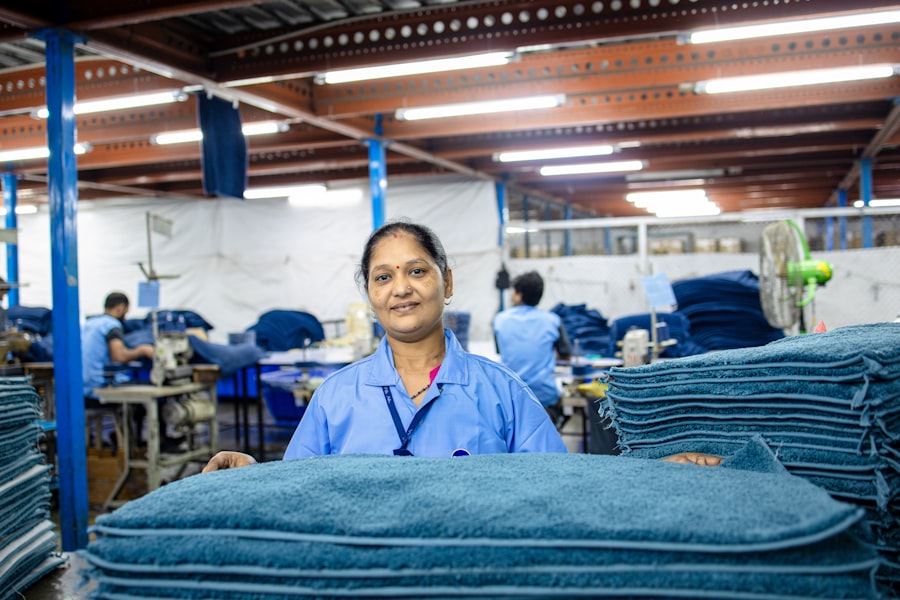
Waste generation is an inevitable aspect of textile manufacturing, with significant implications for both the environment and public health. As you delve into this topic, consider how much waste is produced at various stages of production—from raw material processing to finished goods. The sheer volume of discarded textiles, off-cuts, and defective items contributes to overflowing landfills and environmental degradation.
Effective waste management strategies are crucial for mitigating these impacts. Many manufacturers are beginning to adopt circular economy principles, which emphasize recycling and reusing materials rather than discarding them. As you explore these innovative approaches, you may find inspiration in companies that have successfully implemented waste reduction initiatives.
By prioritizing sustainability in waste management practices, the textile industry can significantly reduce its environmental footprint.
Greenhouse Gas Emissions
Greenhouse gas emissions are a critical concern associated with textile manufacturing, contributing to climate change on a global scale. As you investigate this issue further, you will discover that various stages of production—such as fiber cultivation, dyeing, and transportation—release significant amounts of carbon dioxide and other greenhouse gases into the atmosphere. The reliance on fossil fuels for energy during these processes exacerbates the problem.
The impact of greenhouse gas emissions extends beyond just climate change; it also affects air quality and public health. As you consider potential solutions to this pressing issue, it’s essential to explore renewable energy options and energy-efficient technologies that can help reduce emissions within the industry. By advocating for cleaner production methods, you can play a role in promoting a more sustainable future for textile manufacturing.
Human Health Impacts
The human health impacts associated with textile manufacturing are profound and far-reaching. As you delve into this topic, consider how exposure to toxic chemicals used in production can lead to serious health issues for workers and nearby communities.
Moreover, water pollution resulting from textile manufacturing can contaminate drinking water sources, posing additional health risks to local populations. As you reflect on these challenges, it becomes clear that addressing human health impacts requires a multifaceted approach—one that includes better regulations, improved working conditions, and greater awareness among consumers about the origins of their clothing.
Sustainable Practices in Textile Manufacturing
Sustainable practices in textile manufacturing are gaining traction as consumers become more aware of environmental issues associated with fast fashion. As you explore this topic further, consider how companies are adopting eco-friendly materials such as organic cotton or recycled polyester to minimize their environmental impact. These alternatives not only reduce reliance on harmful chemicals but also promote responsible sourcing practices.
Additionally, many manufacturers are investing in innovative technologies aimed at reducing water consumption and energy usage during production processes. For instance, waterless dyeing techniques are emerging as viable solutions that significantly cut down on water waste while maintaining high-quality results. By supporting brands that prioritize sustainability, you can contribute to a shift toward more responsible practices within the industry.
Government Regulations and Industry Standards
Government regulations play a crucial role in shaping the practices of textile manufacturers worldwide. As you examine this aspect of the industry, consider how policies aimed at reducing pollution and promoting sustainability can drive meaningful change. Stricter regulations regarding chemical usage, waste management, and emissions standards can compel manufacturers to adopt more environmentally friendly practices.
Industry standards also play a vital role in promoting sustainability within textile manufacturing. Organizations such as the Global Organic Textile Standard (GOTS) set benchmarks for organic textiles while ensuring ethical labor practices throughout the supply chain. By advocating for stronger regulations and supporting certifications that prioritize sustainability, you can help create a more responsible textile industry.
Consumer Responsibility in Reducing Environmental Impact
As a consumer, your choices have a significant impact on the textile industry’s environmental footprint. By being mindful of your purchasing decisions—opting for sustainable brands or second-hand clothing—you can contribute to reducing pollution associated with textile manufacturing. As you reflect on your role as a consumer, consider how your actions can influence manufacturers to adopt more sustainable practices.
Moreover, raising awareness about the environmental impacts of fast fashion among your peers can amplify your efforts toward promoting sustainability within the industry. By encouraging others to make informed choices about their clothing purchases, you can help foster a culture of responsibility that prioritizes environmental health over consumerism. Your commitment to sustainability can inspire change not only within your own life but also within the broader community.
In conclusion, understanding the complexities of textile manufacturing and its associated pollution is essential for anyone concerned about environmental sustainability. By exploring various forms of pollution—from water contamination to greenhouse gas emissions—you can gain insight into the challenges faced by this vital industry. However, there is hope; through sustainable practices, government regulations, and consumer responsibility, we can work together toward a more environmentally friendly future in textile manufacturing.
Textile manufacturing is a significant contributor to environmental pollution, with various processes releasing harmful chemicals and dyes into waterways. For a deeper understanding of the impact of this industry on our planet, you can read more in the article found here. This article provides valuable insights into the pollution facts associated with textile production and highlights the urgent need for sustainable practices in the industry.
FAQs
What are the main pollutants produced by textile manufacturing?
Textile manufacturing releases various pollutants including chemical dyes, heavy metals, microfibers, and untreated wastewater containing toxic substances such as formaldehyde and chlorine compounds.
How does textile manufacturing impact water quality?
Textile manufacturing often discharges untreated or inadequately treated wastewater into rivers and lakes, leading to water pollution. This wastewater contains dyes, chemicals, and heavy metals that can harm aquatic life and contaminate drinking water sources.
What types of chemicals are commonly used in textile production?
Common chemicals used in textile manufacturing include azo dyes, formaldehyde, chlorine bleach, heavy metals like cadmium and lead, and various solvents. Many of these chemicals are toxic and can cause environmental and health issues if not properly managed.
How does textile manufacturing contribute to air pollution?
Textile factories emit volatile organic compounds (VOCs), particulate matter, and greenhouse gases during processes such as dyeing, printing, and finishing. These emissions contribute to air pollution and can affect respiratory health in nearby communities.
What is the impact of textile manufacturing on soil quality?
Disposal of textile waste and sludge from wastewater treatment can lead to soil contamination with heavy metals and toxic chemicals, which can affect plant growth and enter the food chain.
Are microfibers from textiles a pollution concern?
Yes, synthetic textiles release microfibers during washing, which enter waterways and oceans. These microplastics are persistent pollutants that can harm marine life and accumulate in the food chain.
What measures can reduce pollution from textile manufacturing?
Pollution can be reduced by implementing cleaner production technologies, treating wastewater before discharge, using eco-friendly dyes and chemicals, recycling water, and adopting sustainable manufacturing practices.
Is textile manufacturing pollution a global issue?
Yes, textile manufacturing pollution is a significant global environmental issue, especially in countries with large textile industries and less stringent environmental regulations.
How does textile pollution affect human health?
Exposure to polluted water, air, and soil from textile manufacturing can cause respiratory problems, skin irritation, and long-term health issues due to toxic chemical exposure.
What role do regulations play in controlling textile pollution?
Environmental regulations set limits on pollutant emissions and wastewater discharge, requiring textile manufacturers to adopt pollution control measures. Effective enforcement is crucial to minimizing environmental impacts.