Dog food batch testing is a quality control process that evaluates the safety, nutritional content, and overall quality of commercial dog food products. This testing occurs at various stages of production to ensure each batch meets regulatory standards and manufacturer specifications before reaching consumers. Batch testing serves multiple critical functions in pet food manufacturing.
It verifies that products contain the declared nutritional levels of proteins, fats, vitamins, and minerals listed on packaging labels. The process also screens for potential contaminants including bacteria, molds, toxins, heavy metals, and foreign materials that could harm pets. Additionally, testing confirms that ingredients meet safety standards and that manufacturing processes have not compromised product integrity.
The testing process is essential given the complexity of modern pet food supply chains and manufacturing. With ingredients sourced from multiple suppliers and processed in facilities that may handle various products, systematic testing helps identify potential issues before products reach the market. Regulatory agencies such as the FDA and AAFCO (Association of American Feed Control Officials) establish guidelines that manufacturers must follow, with batch testing serving as a key compliance mechanism to ensure these standards are met consistently across production runs.
Key Takeaways
- Dog food batch testing ensures product safety and nutritional consistency for pets.
- Testing methods include nutritional analysis and contaminant screening to assess quality.
- Results reveal variations in nutrient content and presence of harmful substances across brands.
- Regulatory standards guide testing protocols, but manufacturer accountability remains crucial.
- Recommendations emphasize informed choices by dog owners and advancements in testing technology.
Methodology of Testing
The methodology behind dog food batch testing is a meticulous process designed to ensure accuracy and reliability. Typically, this involves collecting samples from various batches of dog food produced by different manufacturers. These samples are then subjected to a series of tests that evaluate both their nutritional content and safety.
The testing process often includes laboratory analyses that measure macronutrients such as proteins, fats, and carbohydrates, as well as micronutrients like vitamins and minerals. In addition to nutritional assessments, the methodology also encompasses contaminant testing. This involves screening for harmful substances such as heavy metals, mycotoxins, and pathogens that could compromise your dog’s health.
The samples are analyzed using advanced techniques like mass spectrometry and chromatography, which provide precise measurements of any contaminants present. By employing rigorous testing methodologies, laboratories can ensure that the results are both accurate and representative of the entire batch, giving you peace of mind about the food you choose for your pet.
Nutritional Analysis of Dog Food Batches
Nutritional analysis is a cornerstone of dog food batch testing, as it provides essential information about the dietary value of the food you feed your dog. Each batch is evaluated for its macronutrient composition, which includes proteins, fats, and carbohydrates. These components play a crucial role in your dog’s overall health, influencing everything from energy levels to coat condition.
For instance, high-quality protein sources are vital for muscle development and maintenance, while healthy fats contribute to skin and coat health. Moreover, the analysis extends to micronutrients, which are equally important for your dog’s well-being. Vitamins and minerals support various bodily functions, including immune response and bone health.
A thorough nutritional analysis ensures that the dog food meets the recommended dietary allowances set by veterinary nutritionists. By understanding the nutritional profile of different batches, you can make informed choices that align with your dog’s specific needs, whether they require a high-protein diet for an active lifestyle or a balanced formula for weight management.
Contaminant Testing and Results
Contaminant testing is an essential component of dog food batch testing that addresses potential health risks associated with feeding your pet contaminated food. This aspect of testing focuses on identifying harmful substances that may inadvertently find their way into dog food during production or storage. Common contaminants include heavy metals like lead and arsenic, mycotoxins produced by mold, and bacteria such as Salmonella or E.
coli. These substances can have serious health implications for your dog, ranging from gastrointestinal distress to long-term organ damage. The results of contaminant testing provide valuable insights into the safety of various dog food brands.
When batches are tested and found to be free from harmful contaminants, it instills confidence in consumers like you regarding the safety of the products you choose.
By staying informed about contaminant testing results, you can make better choices for your dog’s diet and avoid potential health hazards.
Comparison of Different Dog Food Brands
| Batch Number | Production Date | Protein Content (%) | Fat Content (%) | Moisture (%) | Contaminants Detected | Microbial Count (CFU/g) | Pass/Fail |
|---|---|---|---|---|---|---|---|
| DFB-20240401 | 2024-04-01 | 28.5 | 12.0 | 10.5 | None | 150 | Pass |
| DFB-20240402 | 2024-04-02 | 27.8 | 11.5 | 11.0 | Salmonella | 1200 | Fail |
| DFB-20240403 | 2024-04-03 | 29.0 | 12.3 | 10.2 | None | 100 | Pass |
| DFB-20240404 | 2024-04-04 | 28.2 | 11.8 | 10.8 | None | 200 | Pass |
| DFB-20240405 | 2024-04-05 | 27.5 | 11.0 | 11.5 | Lead | 300 | Fail |
With countless dog food brands available on the market, comparing their quality can be a daunting task. Batch testing provides a framework for evaluating these brands based on their nutritional content and safety profiles. By examining test results from various manufacturers, you can identify which brands consistently meet or exceed industry standards in both nutrition and contaminant levels.
This comparative analysis allows you to make educated decisions about which products are most suitable for your dog’s specific needs. When comparing different dog food brands, it’s essential to consider not only the test results but also the ingredients used in their formulations. Some brands may prioritize high-quality protein sources while others may rely on fillers or artificial additives.
By understanding how each brand performs in batch testing, you can select options that align with your values as a pet owner—whether that means choosing organic ingredients or supporting companies with transparent sourcing practices.
Impact of Ingredients on Dog Health
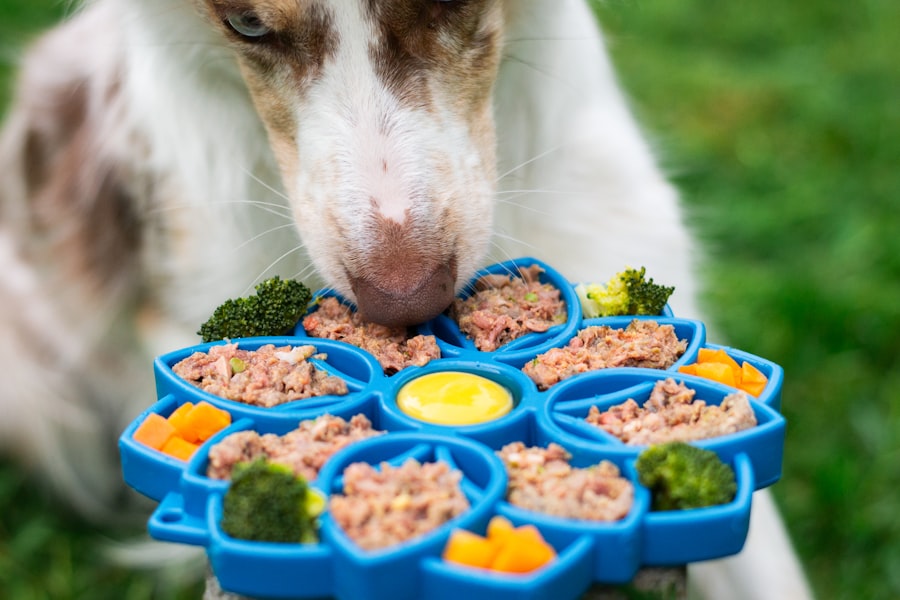
The ingredients used in dog food play a significant role in determining its overall quality and impact on your dog’s health. High-quality ingredients can lead to improved digestion, better energy levels, and enhanced coat condition. Conversely, low-quality ingredients or fillers may contribute to health issues such as obesity or allergies.
Batch testing helps illuminate these differences by analyzing the nutritional value of various ingredients used in different formulations. For instance, whole meats and fish are excellent sources of protein that support muscle development and overall vitality in dogs. On the other hand, by-products or low-grade fillers may not provide the same level of nutrition and could even lead to adverse health effects over time.
Understanding how specific ingredients affect your dog’s health empowers you to make choices that promote long-term well-being. By prioritizing high-quality ingredients backed by rigorous batch testing, you can help ensure that your dog receives the best possible nutrition.
Consumer Safety Concerns
As a responsible pet owner, consumer safety is likely one of your top concerns when selecting dog food. The potential risks associated with contaminated or nutritionally inadequate food can be alarming. Batch testing serves as a critical tool in addressing these concerns by providing transparency regarding the safety and quality of dog food products on the market.
When manufacturers adhere to rigorous testing protocols, it helps build trust between consumers like you and the brands you choose. Moreover, consumer safety concerns extend beyond just contaminants; they also encompass issues related to labeling accuracy and ingredient sourcing. Misleading labels can lead to confusion about what you’re actually feeding your dog.
Batch testing helps ensure that what is stated on the packaging aligns with the actual contents of the product. By advocating for transparency in labeling and supporting brands that prioritize consumer safety through thorough testing, you can contribute to a healthier environment for all pets.
Regulatory Compliance and Standards
Regulatory compliance plays a crucial role in ensuring that dog food manufacturers adhere to established safety and quality standards. Various organizations set guidelines for pet food production, including the Association of American Feed Control Officials (AAFCO) in the United States. These standards dictate everything from ingredient sourcing to nutritional adequacy requirements.
Batch testing helps manufacturers demonstrate compliance with these regulations by providing evidence that their products meet or exceed industry benchmarks. As a consumer, understanding these regulatory standards can empower you to make informed choices about your dog’s diet. When brands commit to compliance with established guidelines and undergo regular batch testing, it signals their dedication to producing safe and nutritious products.
By supporting manufacturers who prioritize regulatory compliance, you contribute to a marketplace where quality is valued over profit margins.
Manufacturer Accountability
Manufacturer accountability is essential in maintaining high standards within the pet food industry. When companies are held responsible for their products through rigorous batch testing and transparent reporting practices, it fosters trust among consumers like you. Accountability ensures that manufacturers take their obligations seriously—whether it involves sourcing high-quality ingredients or addressing any safety concerns that arise during production.
In an industry where recalls due to contamination or mislabeling can have serious consequences for pet health, accountability becomes even more critical. By choosing brands that prioritize transparency and accountability through regular batch testing, you can feel confident that you’re making choices that prioritize your dog’s well-being over profit-driven motives.
Recommendations for Dog Owners
As a dog owner navigating the complexities of pet nutrition, there are several recommendations you can follow to ensure you’re making informed choices about your dog’s diet. First and foremost, prioritize brands that undergo regular batch testing and provide transparent results regarding their nutritional content and contaminant levels. Look for certifications from reputable organizations that indicate compliance with industry standards.
Additionally, consider consulting with your veterinarian about your dog’s specific dietary needs based on factors such as age, breed, and activity level. They can provide personalized recommendations tailored to your dog’s unique requirements. Finally, stay informed about recalls or safety alerts related to dog food products by following reputable sources online or subscribing to newsletters from trusted organizations.
Future of Dog Food Batch Testing
The future of dog food batch testing holds promise as advancements in technology continue to enhance our understanding of pet nutrition and safety. Innovations such as rapid testing methods and improved analytical techniques will likely lead to even more accurate assessments of both nutritional content and contaminants in dog food products. As consumer demand for transparency grows, manufacturers will be compelled to adopt more rigorous testing protocols to maintain their competitive edge.
Moreover, increased collaboration between regulatory bodies, manufacturers, and consumers will pave the way for a more accountable pet food industry overall.
Ultimately, this evolution will contribute to healthier outcomes for dogs everywhere as we collectively strive for excellence in pet care.
Recent dog food batch testing results have raised concerns about the quality and safety of pet food products. For more insights on this topic, you can read a related article that discusses the importance of transparency in pet food manufacturing and the implications of these testing results. Check it out here: Hey Did You Know This.
WATCH THIS 🚨 The $100 Billion Lie: What’s REALLY In Your Dog’s Food? – 44 Foods CONTAMINATED
FAQs
What is dog food batch testing?
Dog food batch testing is the process of analyzing samples from specific production batches of dog food to ensure they meet safety, nutritional, and quality standards before reaching consumers.
Why is batch testing important for dog food?
Batch testing helps identify contaminants, verify ingredient composition, and confirm nutritional content, ensuring the dog food is safe and healthy for pets.
What contaminants are typically tested for in dog food batch testing?
Common contaminants tested include pathogens like Salmonella and Listeria, heavy metals, mycotoxins, pesticides, and harmful additives.
How often is dog food batch testing conducted?
Testing frequency varies by manufacturer and regulatory requirements but is generally performed on every production batch or at regular intervals to maintain quality control.
Who conducts dog food batch testing?
Testing is usually performed by the manufacturer’s quality control laboratory or by independent third-party labs specializing in pet food safety and analysis.
What do the results of dog food batch testing indicate?
Results indicate whether the batch meets safety standards, complies with nutritional labeling, and is free from harmful substances, ensuring the product is safe for consumption.
Can consumers access dog food batch testing results?
Some manufacturers publish batch testing results on their websites or provide them upon request to promote transparency and consumer confidence.
What happens if a dog food batch fails testing?
If a batch fails, it may be recalled, discarded, or reformulated to address the issue before being released to the market.
Are batch testing standards regulated?
Yes, regulatory agencies such as the FDA in the United States set guidelines and standards for pet food safety and quality that manufacturers must follow.
Does batch testing guarantee the safety of all dog food products?
While batch testing significantly reduces risks, it cannot guarantee absolute safety, but it is a critical step in ensuring consistent product quality and safety.