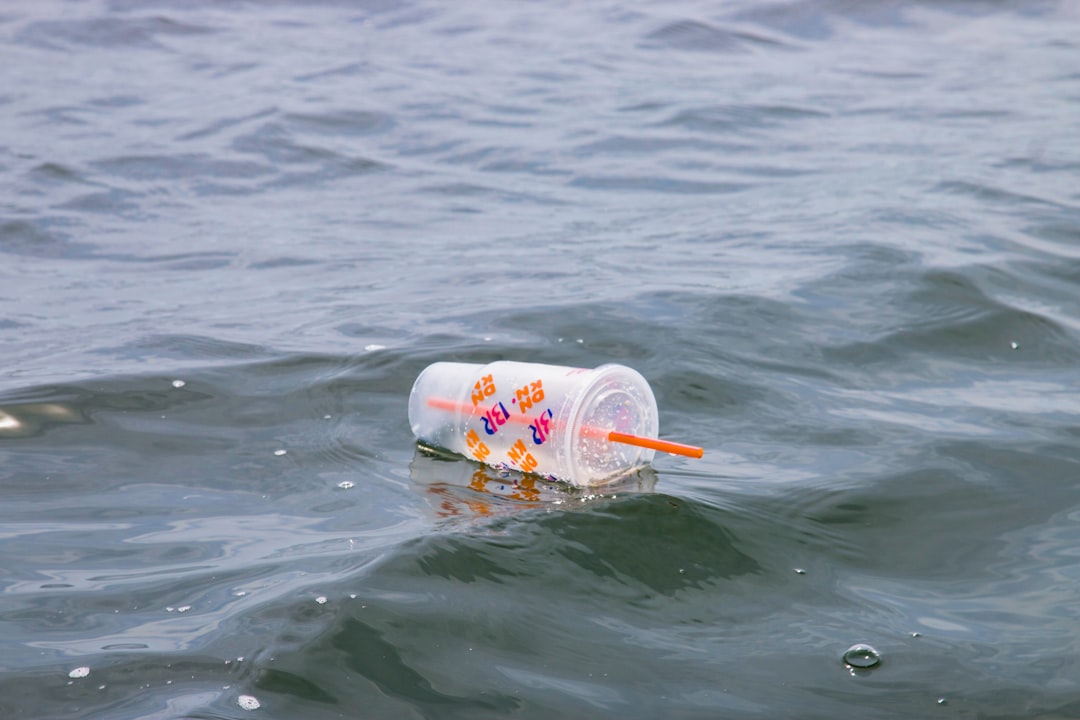
National Sword is a significant policy initiative introduced by the Chinese government in 2018, aimed at curbing the import of foreign waste, particularly plastic and other recyclables. This policy emerged as a response to growing environmental concerns and the need to improve domestic waste management practices. Prior to National Sword, China was the world’s largest importer of plastic waste, accepting millions of tons from various countries.
However, the influx of contaminated and low-quality recyclables overwhelmed China’s recycling infrastructure, leading to pollution and health hazards. Consequently, the Chinese government decided to impose stricter regulations on waste imports, effectively banning the import of many types of plastic waste. The implications of this ban extend far beyond China’s borders.
As one of the largest players in the global recycling market, China’s decision to restrict plastic imports has sent shockwaves through the international waste management industry. Countries that previously relied on China for recycling their plastic waste have been forced to reevaluate their own waste management strategies. The ban has highlighted the urgent need for more sustainable practices and has prompted discussions about the future of recycling on a global scale.
Key Takeaways
- China’s National Sword policy enforces strict limits on plastic waste imports, significantly disrupting global recycling systems.
- The ban has led to economic shifts, forcing countries to develop domestic recycling infrastructure and rethink waste management strategies.
- Environmental benefits include reduced plastic pollution and incentivizing cleaner production and consumption practices worldwide.
- The recycling industry faces challenges like contamination and capacity issues but also opportunities for innovation and improved sustainability.
- Countries are adopting new policies and technologies to manage plastic waste more effectively, emphasizing reduction of single-use plastics and sustainable practices.
The impact of National Sword on global plastic recycling
The impact of National Sword on global plastic recycling has been profound and multifaceted. With China no longer accepting large volumes of plastic waste, many countries have found themselves grappling with an excess of recyclables that they can no longer export. This sudden shift has led to a significant increase in plastic waste accumulation in various regions, as local recycling facilities struggle to process the materials effectively.
In some cases, municipalities have resorted to landfilling or incinerating plastics that would have previously been sent to China for recycling, exacerbating environmental issues. Moreover, the National Sword policy has prompted a reevaluation of recycling standards worldwide. Countries are now under pressure to improve the quality of their recyclables to meet stricter guidelines.
This has led to increased investments in domestic recycling infrastructure and technology, as nations seek to develop more efficient systems for managing plastic waste. The ripple effect of National Sword has also encouraged collaboration among countries to share best practices and innovate solutions for recycling challenges, fostering a more interconnected approach to global waste management.
How China’s plastic ban is affecting the global economy
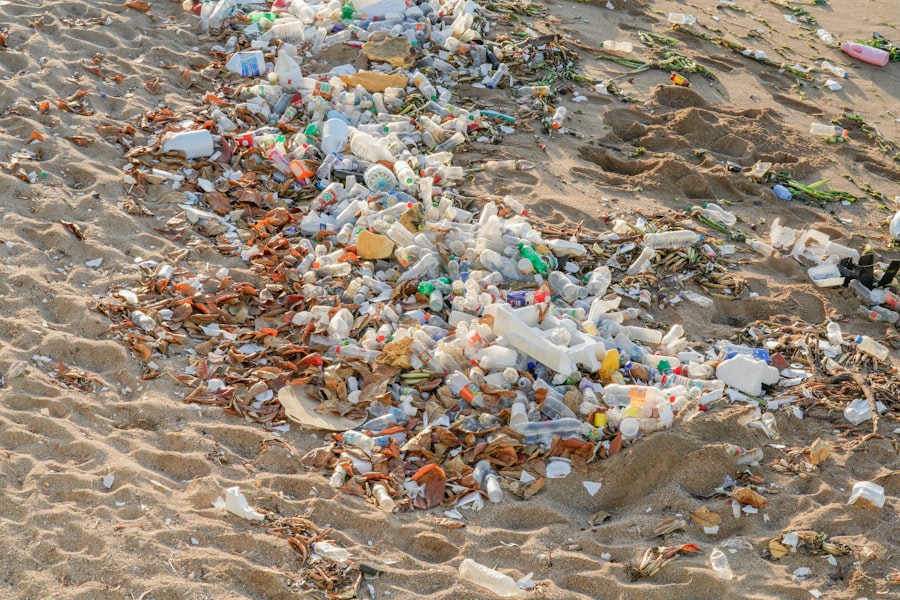
China’s plastic ban has had significant repercussions for the global economy, particularly in industries reliant on plastic production and recycling. The immediate effect was a disruption in the supply chain for recycled materials, leading to increased costs for manufacturers who depend on recycled plastics as raw materials. As countries scramble to find alternative solutions for their plastic waste, many have experienced rising prices for recycling services and materials, which can ultimately be passed on to consumers.
Additionally, the ban has prompted a shift in investment patterns within the recycling sector. Countries that were once dependent on exporting their waste to China are now investing in domestic recycling facilities and technologies to handle their own materials. This shift not only creates new jobs within local economies but also fosters innovation in sustainable practices.
However, it also poses challenges for smaller nations that may lack the resources or infrastructure to adapt quickly to these changes, potentially widening economic disparities between countries.
The environmental benefits of China’s plastic ban
While the immediate consequences of China’s plastic ban have been challenging for many nations, there are notable environmental benefits that have emerged from this policy shift. By reducing the importation of contaminated plastics, China aims to improve its own environmental health and reduce pollution levels associated with improper waste management. This move has encouraged other countries to take a closer look at their own recycling practices and strive for higher standards in waste processing.
Furthermore, the ban has sparked a global conversation about reducing plastic consumption and promoting sustainable alternatives. As countries grapple with excess plastic waste, there is a growing recognition of the need to transition towards a circular economy where materials are reused and recycled rather than discarded. This shift not only benefits the environment by reducing landfill waste but also encourages innovation in biodegradable materials and sustainable packaging solutions.
The challenges and opportunities for the recycling industry post National Sword
| Metric | Value | Description |
|---|---|---|
| Year Implemented | 2018 | China’s National Sword policy began enforcing strict import restrictions on plastic waste. |
| Plastic Waste Import Reduction | 99% | Reduction in plastic waste imports to China after the ban. |
| Types of Plastic Banned | Mixed plastics, low-grade plastics | Specific categories of plastics banned from import under the policy. |
| Impact on Global Plastic Waste Trade | Significant decline | Global plastic waste trade decreased as countries sought alternative destinations. |
| Domestic Recycling Rate in China (Post-ban) | ~30% | Estimated increase in domestic recycling efforts following the ban. |
| Alternative Countries Receiving Plastic Waste | Malaysia, Vietnam, Thailand, Indonesia | Countries that saw increased plastic waste imports after China’s ban. |
| Environmental Impact | Reduced contamination and pollution | Improved environmental conditions due to reduced plastic waste imports. |
The aftermath of National Sword presents both challenges and opportunities for the recycling industry worldwide. On one hand, the immediate challenge lies in managing the surplus of plastic waste that cannot be exported. Many recycling facilities are overwhelmed with materials that they are ill-equipped to process efficiently, leading to increased contamination rates and operational difficulties.
This situation necessitates urgent investments in technology and infrastructure to enhance local recycling capabilities. On the other hand, this crisis also presents an opportunity for innovation within the recycling sector. As countries seek to improve their waste management systems, there is potential for advancements in sorting technologies, chemical recycling methods, and sustainable material development.
The demand for high-quality recyclables can drive research and development efforts, leading to breakthroughs that could revolutionize how plastics are recycled and reused. By embracing these opportunities, the recycling industry can emerge stronger and more resilient in the face of future challenges.
How other countries are responding to China’s plastic ban
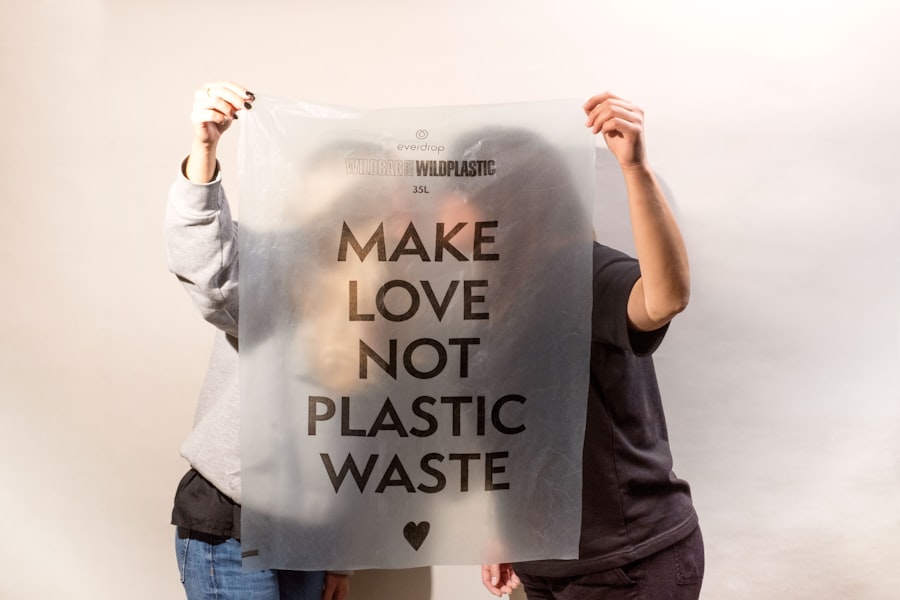
In response to China’s plastic ban, countries around the world have begun implementing various strategies to adapt to the new landscape of global waste management. Some nations have ramped up efforts to improve their domestic recycling systems by investing in advanced sorting technologies and expanding local processing capabilities. For instance, countries like Germany and Sweden have long been leaders in recycling practices and are now sharing their expertise with others looking to enhance their systems.
Additionally, many countries are exploring legislative measures aimed at reducing single-use plastics and promoting sustainable alternatives. Initiatives such as bans on plastic bags or incentives for using biodegradable materials are gaining traction as governments recognize the need for comprehensive approaches to tackle plastic pollution. These responses not only address immediate challenges but also lay the groundwork for long-term sustainability in waste management practices.
The role of technology in addressing the plastic ban
Technology plays a crucial role in addressing the challenges posed by China’s plastic ban and improving global recycling efforts. Innovations in sorting technology, such as advanced optical sorting systems and artificial intelligence-driven processes, can significantly enhance the efficiency and accuracy of recycling operations. These technologies enable facilities to better separate recyclable materials from contaminants, ultimately improving the quality of recyclables produced.
Moreover, advancements in chemical recycling methods offer promising solutions for dealing with hard-to-recycle plastics. Unlike traditional mechanical recycling processes that often limit the types of plastics that can be reused, chemical recycling can break down plastics into their fundamental components, allowing for a broader range of materials to be processed. As these technologies continue to evolve, they hold the potential to transform how societies manage plastic waste and contribute to a more sustainable future.
The future of plastic waste management in light of National Sword
The future of plastic waste management is likely to be shaped significantly by the lessons learned from National Sword and its aftermath. As countries adapt to new realities in waste management, there is an increasing emphasis on developing circular economies where materials are reused rather than discarded. This shift will require collaboration among governments, industries, and consumers to create systems that prioritize sustainability at every stage of production and consumption.
Furthermore, public awareness campaigns aimed at educating consumers about responsible plastic use and disposal will play a vital role in shaping future behaviors. By fostering a culture of sustainability and encouraging individuals to reduce their reliance on single-use plastics, societies can collectively work towards minimizing plastic waste generation. The integration of innovative technologies into waste management practices will also be essential in ensuring that future systems are efficient, effective, and environmentally friendly.
The implications of China’s plastic ban on the packaging industry
China’s plastic ban has significant implications for the packaging industry, which is one of the largest consumers of plastic materials globally. With increasing scrutiny on plastic use and heightened demand for sustainable packaging solutions, companies are being compelled to rethink their packaging strategies. Many brands are now exploring alternatives such as biodegradable materials or reusable packaging systems as they seek to align with consumer preferences for environmentally friendly products.
Additionally, regulatory pressures are prompting companies within the packaging industry to adopt more sustainable practices throughout their supply chains. This includes not only sourcing materials responsibly but also designing products with end-of-life considerations in mind. As consumers become more aware of environmental issues related to packaging waste, companies that prioritize sustainability may gain a competitive edge in an increasingly eco-conscious market.
The importance of reducing single-use plastics in response to National Sword
In light of National Sword and its implications for global waste management, reducing single-use plastics has become more critical than ever. Single-use plastics contribute significantly to environmental pollution and pose challenges for recycling systems that are already strained by excess materials.
Efforts to reduce single-use plastics can take many forms, from implementing bans on specific items like straws or bags to encouraging consumers to adopt reusable alternatives. Public awareness campaigns highlighting the environmental impact of single-use plastics can also foster behavioral changes among consumers. Ultimately, reducing single-use plastics is not only essential for addressing immediate challenges but also vital for creating a more sustainable future where resources are conserved and ecosystems are protected.
Strategies for sustainable plastic waste management in the wake of China’s plastic ban
In response to China’s plastic ban, developing effective strategies for sustainable plastic waste management is paramount for countries worldwide. One key approach involves enhancing local recycling infrastructure through investments in technology and capacity building. By improving sorting capabilities and processing facilities, nations can better manage their own plastic waste while reducing reliance on exports.
Another important strategy is fostering collaboration among stakeholders across industries and sectors. Governments can work with businesses, non-profits, and communities to create comprehensive policies that promote responsible production and consumption practices.
Education plays a crucial role as well; raising public awareness about responsible plastic use can empower individuals to make informed choices about consumption and disposal practices. By combining technological advancements with collaborative efforts and public engagement, countries can pave the way toward a more sustainable approach to managing plastic waste in light of National Sword’s implications.
The National Sword policy implemented by China has significantly impacted global plastic waste management, leading many countries to rethink their recycling strategies. For a deeper understanding of the implications of this ban and its effects on international waste trade, you can read more in this related article: Hey Did You Know This.
WATCH THIS! 🚨 THE RECYCLING LIE: How Big Oil Fooled the World for 50 Years 🚨
FAQs
What is the National Sword policy?
The National Sword policy is a set of regulations implemented by China in 2018 to restrict the import of certain types of plastic waste and other recyclables. The policy aims to reduce contamination in imported recyclables and improve environmental standards.
Why did China implement the National Sword policy?
China implemented the National Sword policy to address environmental concerns caused by the import of contaminated and low-quality recyclable waste. The policy seeks to reduce pollution, improve waste management, and encourage domestic recycling efforts.
What types of plastic waste are banned under the National Sword policy?
The policy bans the import of many types of plastic waste, including mixed plastics, plastic films, and certain low-grade plastics that are difficult to recycle or highly contaminated. The exact list of banned materials has evolved but generally targets non-industrial, contaminated, or unrecyclable plastics.
How has the National Sword policy affected global recycling?
The policy has significantly impacted global recycling markets by reducing the amount of plastic waste China accepts from other countries. This has led to increased pressure on waste management systems in exporting countries, prompting them to improve recycling processes and reduce plastic waste generation.
What alternatives have countries pursued after the National Sword policy?
Many countries have increased domestic recycling capacity, improved waste sorting and processing, and sought alternative export markets for recyclable materials. Some have also implemented stricter regulations on plastic use and waste management to reduce reliance on exporting waste.
Is the National Sword policy still in effect?
Yes, the National Sword policy remains in effect as part of China’s ongoing efforts to control pollution and improve environmental quality. China continues to enforce strict import standards for recyclable materials.
How does the National Sword policy impact plastic pollution?
By restricting the import of contaminated and low-quality plastic waste, the policy encourages better waste management practices globally and reduces the risk of plastic pollution associated with improper recycling and disposal in importing countries.