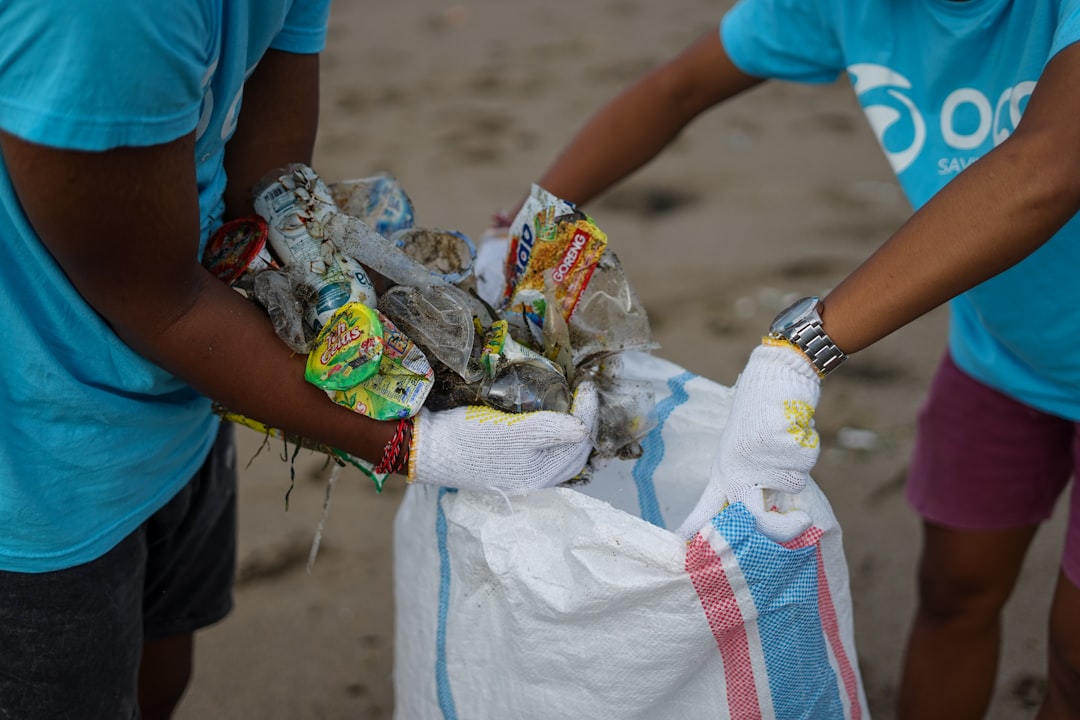
Recycling has long been heralded as a cornerstone of environmental sustainability, a practice that promises to reduce waste, conserve resources, and mitigate pollution. However, despite the widespread promotion of recycling initiatives, the effectiveness of these programs has come under scrutiny. Many communities find themselves grappling with the reality that a significant portion of recyclable materials ends up in landfills rather than being repurposed.
This disheartening trend raises critical questions about the efficacy of current recycling systems and the underlying factors contributing to their shortcomings. The issue of recycling ineffectiveness is multifaceted, encompassing logistical challenges, public awareness deficits, and systemic inefficiencies. As municipalities invest in recycling programs, they often encounter obstacles that hinder their success.
These challenges not only undermine the intended environmental benefits but also contribute to a growing sense of disillusionment among citizens who are eager to participate in sustainable practices. Understanding the complexities surrounding recycling ineffectiveness is essential for developing more effective strategies that can lead to meaningful change.
Key Takeaways
- Internal memos reveal significant flaws in current recycling processes contributing to ineffectiveness.
- Ineffective recycling has notable negative impacts on the environment and resource conservation.
- Key reasons for recycling failures include contamination, lack of public awareness, and inadequate infrastructure.
- Successful case studies highlight the importance of government policy and community engagement in improving recycling.
- Recommendations emphasize proactive roles for individuals, businesses, and policymakers to enhance recycling outcomes.
Overview of the Internal Memos
Internal memos from various waste management organizations have shed light on the troubling realities of recycling programs across different regions. These documents reveal a stark contrast between the optimistic narratives often presented to the public and the operational challenges faced by those tasked with managing recycling efforts. The memos highlight issues such as contamination of recyclable materials, inadequate infrastructure, and insufficient funding, all of which contribute to the ineffectiveness of recycling initiatives.
Moreover, these internal communications often reflect a growing concern among waste management professionals regarding public engagement and education. Many memos emphasize the need for improved outreach efforts to inform citizens about proper recycling practices. The disconnect between public perception and operational realities is evident in these documents, as they reveal that even well-intentioned individuals may inadvertently contribute to recycling failures due to a lack of understanding about what can and cannot be recycled.
Analysis of the Data Presented in the Memos
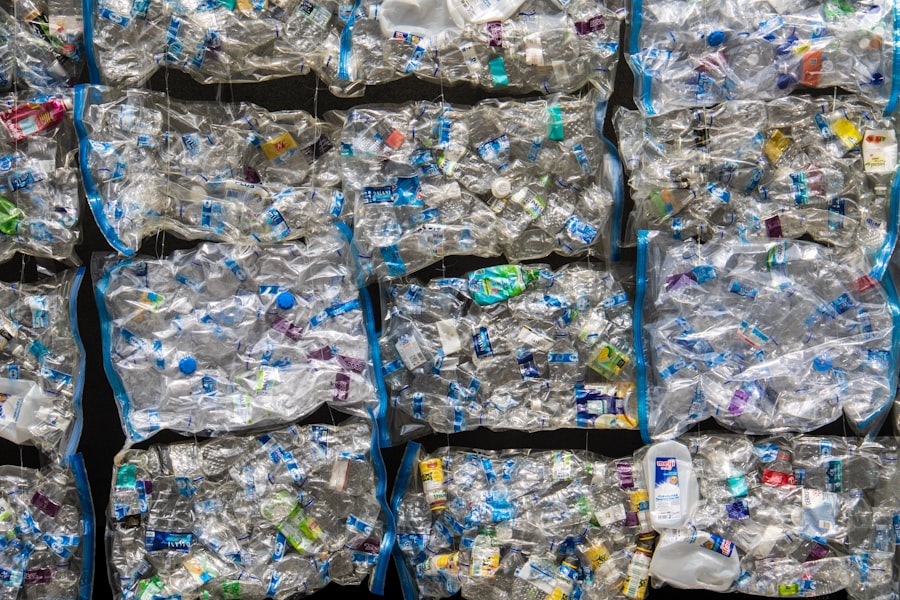
The data presented in the internal memos paints a sobering picture of recycling performance across various municipalities. For instance, statistics indicate that contamination rates—where non-recyclable items are mixed with recyclables—can reach alarming levels, sometimes exceeding 25%. This high rate of contamination not only complicates the sorting process but also increases operational costs, as facilities must divert contaminated loads to landfills instead of processing them for recycling.
Additionally, the memos often reveal disparities in recycling rates between different communities. Factors such as socioeconomic status, access to recycling facilities, and local policies play a significant role in determining how effectively a community can recycle. In some areas, residents may lack convenient access to recycling bins or may not receive adequate information about local recycling guidelines.
This data underscores the need for tailored approaches that consider the unique circumstances of each community in order to enhance recycling effectiveness.
Impact of Ineffective Recycling on the Environment
The environmental consequences of ineffective recycling are profound and far-reaching. When recyclable materials are not properly processed, they contribute to an ever-growing mountain of waste in landfills. This accumulation not only takes up valuable land space but also leads to increased greenhouse gas emissions as organic materials decompose.
Moreover, ineffective recycling can exacerbate pollution problems. For instance, plastics that are not recycled often end up in oceans and waterways, posing significant threats to marine life and ecosystems.
The presence of microplastics in the food chain is a growing concern, as these tiny particles can have detrimental effects on both wildlife and human health. The failure to implement effective recycling practices thus has cascading effects on biodiversity, climate change, and overall environmental health.
Examination of the Reasons for Ineffectiveness
| Metric | Internal Memo Findings | Implications |
|---|---|---|
| Recycling Efficiency | Less than 30% of collected materials are effectively recycled | Majority of materials end up in landfills or incineration |
| Contamination Rate | Up to 40% contamination in recycling streams | Reduces quality and usability of recycled materials |
| Cost vs. Benefit | Recycling costs exceed benefits by 20% | Financial inefficiency questions program sustainability |
| Environmental Impact | Recycling processes emit significant greenhouse gases | Net environmental benefit is minimal or negative |
| Public Perception | Internal memos reveal overestimation of recycling success | Potential misinformation to consumers and policymakers |
Several factors contribute to the ineffectiveness of recycling programs, each interlinked and complex. One primary reason is the lack of standardization in recycling guidelines across different regions. With varying rules about what can be recycled, residents often find themselves confused about how to properly dispose of their waste.
This confusion leads to increased contamination rates and ultimately undermines the entire recycling process. Another significant factor is the economic viability of recycling operations. Many municipalities struggle with funding their recycling programs adequately, leading to insufficient resources for education, outreach, and infrastructure improvements.
As a result, facilities may be ill-equipped to handle the volume of materials they receive or may lack the technology necessary to efficiently sort and process recyclables. This financial strain can create a cycle of ineffectiveness that is difficult to break.
Discussion of Alternative Solutions to Improve Recycling Efforts
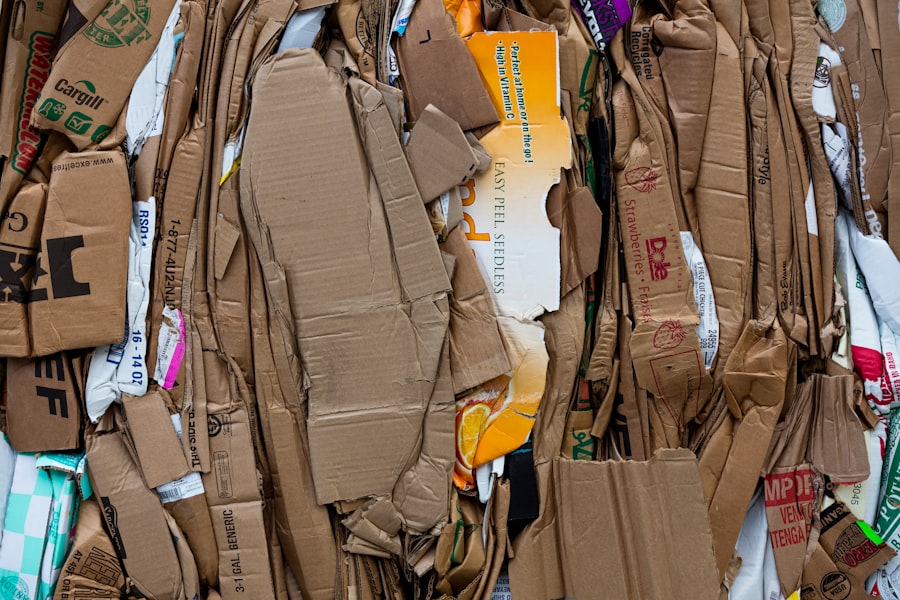
To address the challenges associated with ineffective recycling, innovative solutions must be explored. One promising approach is the implementation of single-stream recycling systems, which allow residents to place all recyclables into one bin without sorting. This method has been shown to increase participation rates and reduce contamination by simplifying the process for consumers.
However, it requires robust sorting technology at processing facilities to ensure that materials are correctly separated. Another potential solution lies in enhancing public education campaigns aimed at informing citizens about proper recycling practices. By providing clear guidelines and engaging community members through workshops or informational sessions, municipalities can foster a culture of responsible recycling.
Additionally, leveraging technology—such as mobile apps that provide real-time information about local recycling rules—can empower individuals to make informed decisions about their waste disposal.
Exploration of the Economic and Social Implications of Ineffective Recycling
The economic implications of ineffective recycling extend beyond environmental concerns; they also impact local economies and job markets. When recyclable materials are not processed efficiently, municipalities miss out on potential revenue from selling these materials to manufacturers who rely on recycled inputs. This lost revenue can strain local budgets and limit funding for other essential services.
Socially, ineffective recycling can lead to feelings of frustration and disillusionment among community members who wish to engage in sustainable practices but feel their efforts are futile. This disconnection can diminish public support for future environmental initiatives and create a sense of apathy towards sustainability efforts overall. Addressing these social implications is crucial for fostering a collective commitment to improving recycling practices.
Examination of the Role of Government and Policy in Recycling Ineffectiveness
Government policies play a pivotal role in shaping the effectiveness of recycling programs. In many cases, inadequate regulations or lack of enforcement can hinder progress toward sustainable waste management practices. For instance, without stringent guidelines on product packaging or incentives for manufacturers to use recyclable materials, there is little motivation for businesses to prioritize sustainability.
Furthermore, government investment in infrastructure is essential for creating effective recycling systems. Policymakers must recognize the importance of funding for recycling facilities and educational programs that promote responsible waste disposal practices among citizens. By prioritizing sustainability within legislative agendas, governments can create an environment conducive to successful recycling initiatives.
Case Studies of Successful Recycling Programs
Examining successful recycling programs can provide valuable insights into best practices that can be replicated elsewhere. For example, San Francisco has implemented a comprehensive zero-waste program that aims to divert 100% of waste from landfills by 2030. Through aggressive public education campaigns and strict regulations on waste disposal, San Francisco has achieved impressive recycling rates while fostering community engagement.
Another notable case is Sweden’s approach to waste management, where over 99% of household waste is recycled or converted into energy. The Swedish government has invested heavily in infrastructure and technology while also promoting a culture of sustainability among its citizens. By examining these successful models, other communities can glean lessons on how to enhance their own recycling efforts.
Recommendations for Individuals and Businesses to Improve Recycling Efforts
Individuals and businesses alike have a role to play in improving recycling efforts within their communities. For individuals, taking the time to educate themselves about local recycling guidelines is crucial. By understanding what materials are accepted and how they should be prepared for recycling, residents can significantly reduce contamination rates.
Implementing waste reduction strategies—such as minimizing packaging or sourcing materials from recycled content—can help create a more circular economy. Additionally, companies can engage employees in sustainability initiatives by providing training on proper waste disposal practices and encouraging participation in local recycling programs.
Conclusion and Call to Action for Improved Recycling Practices
The issue of recycling ineffectiveness presents a significant challenge that requires collective action from individuals, businesses, governments, and communities alike. By acknowledging the complexities surrounding this issue and actively seeking solutions, stakeholders can work together to create more effective recycling systems that benefit both the environment and society as a whole. A call to action is necessary: individuals must take responsibility for their waste disposal habits; businesses should prioritize sustainability; and governments must invest in infrastructure and policies that support effective recycling initiatives.
Only through collaborative efforts can society hope to overcome the barriers that currently hinder successful recycling practices and move toward a more sustainable future for generations to come.
In recent discussions about the effectiveness of recycling programs, an intriguing article highlights the challenges and misconceptions surrounding internal memos that suggest recycling doesn’t work. For a deeper understanding of this topic, you can read more in the article found here: Recycling Myths Debunked. This piece delves into the complexities of recycling processes and the impact of corporate communication on public perception.
WATCH THIS! 🚨 THE RECYCLING LIE: How Big Oil Fooled the World for 50 Years 🚨
FAQs
What do the internal memos reveal about recycling?
The internal memos indicate that some companies or organizations have acknowledged challenges or limitations in the effectiveness of recycling programs. These documents may highlight issues such as contamination, economic inefficiencies, or the actual environmental impact of recycling processes.
Does recycling not work at all according to these memos?
The memos suggest that recycling may not be as effective or efficient as commonly believed in certain contexts. However, this does not mean recycling is entirely ineffective; rather, it points to specific problems that need to be addressed to improve recycling outcomes.
What are some common problems with recycling mentioned in the memos?
Common issues include contamination of recyclable materials, high costs of processing, limited markets for recycled materials, and the environmental footprint of recycling operations. These factors can reduce the overall benefits of recycling programs.
Should people stop recycling based on these findings?
No. Despite the challenges highlighted, recycling remains an important part of waste management and environmental conservation. Improvements in technology, policy, and consumer behavior can enhance recycling effectiveness.
What can be done to improve recycling effectiveness?
Improving recycling can involve better sorting technologies, reducing contamination, increasing public education, developing stronger markets for recycled materials, and implementing policies that support sustainable waste management.
Are all types of recycling equally affected?
No. The effectiveness of recycling varies by material type. For example, recycling metals and certain plastics may be more efficient than recycling mixed or contaminated materials. The memos may address specific materials or processes.
Do these memos reflect the views of the entire recycling industry?
No. Internal memos represent the views or findings of specific organizations or companies and may not reflect the entire recycling industry’s perspective. The industry includes a wide range of stakeholders with varying experiences and opinions.
Where can I find more information about recycling effectiveness?
Reliable sources include government environmental agencies, academic research, industry reports, and reputable environmental organizations. These sources provide data and analysis on recycling programs and their impact.