The recycling process is a vital component of modern waste management, aimed at reducing the amount of waste that ends up in landfills and conserving natural resources. It involves a series of steps that transform used materials into new products, thereby minimizing environmental impact and promoting sustainability. As society becomes increasingly aware of the consequences of waste, the recycling process has gained prominence as a practical solution to address these challenges.
By understanding the intricacies of recycling, individuals and communities can better appreciate its significance and contribute to a more sustainable future. At its core, recycling is not merely about disposing of waste; it is a comprehensive system that encompasses collection, processing, and distribution. Each stage plays a crucial role in ensuring that materials are effectively reused and repurposed.
The journey of recyclables begins with the conscious decision to separate waste at the source, which sets the foundation for a successful recycling program. This article will delve into the various stages of the recycling process, highlighting the importance of each step in creating a circular economy that benefits both the environment and society.
Key Takeaways
- Recycling involves multiple stages from collection to the creation of new products.
- Proper sorting and transportation are crucial for efficient recycling processes.
- Materials are processed, shredded, and separated to produce raw materials for manufacturers.
- Recycled materials are incorporated into new products, completing the recycling loop.
- Buying recycled products supports the recycling industry and promotes environmental sustainability.
Collection and Sorting of Recyclables
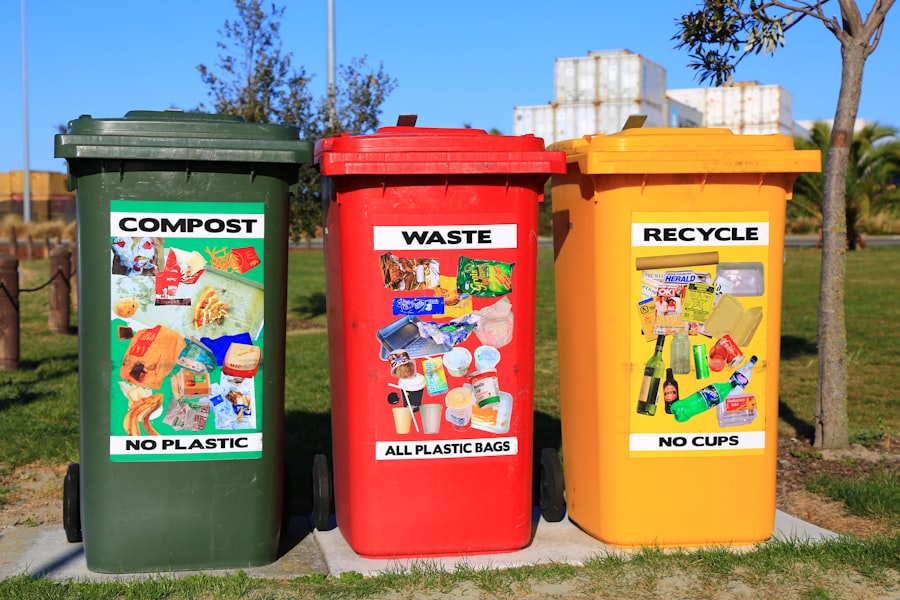
The first step in the recycling process is the collection and sorting of recyclables, which is essential for ensuring that materials are properly categorized before they are processed. This stage typically begins at the household or business level, where individuals are encouraged to separate recyclable items from general waste. Many municipalities provide designated bins for different types of recyclables, such as paper, plastics, metals, and glass.
This initial sorting is crucial because it prevents contamination, which can hinder the recycling process and reduce the quality of the final products. Once collected, recyclables are transported to sorting facilities where they undergo further classification. Here, workers or advanced machinery meticulously sort through the materials to ensure that each type is separated correctly.
This process may involve manual labor as well as automated systems equipped with sensors and conveyor belts. The efficiency of this sorting stage significantly impacts the overall effectiveness of recycling efforts, as it determines the purity of the materials that will be sent for processing. A well-organized collection and sorting system not only maximizes recycling rates but also minimizes the amount of waste that ultimately ends up in landfills.
Transportation to Recycling Facilities
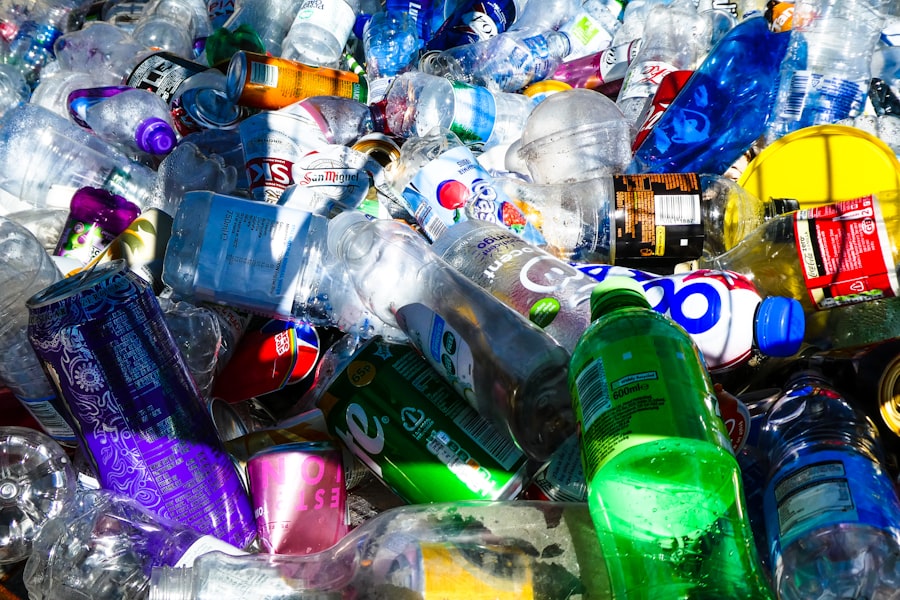
After the collection and sorting of recyclables, the next phase involves transporting these materials to recycling facilities. This step is critical as it ensures that sorted materials reach processing plants where they can be transformed into new products. Transportation logistics play a significant role in this stage, as it requires careful planning to optimize routes and minimize fuel consumption.
Efficient transportation not only reduces costs but also lowers greenhouse gas emissions associated with moving materials. The journey from collection points to recycling facilities can vary in distance and complexity depending on the location and infrastructure available. In urban areas, recyclables may be transported using specialized trucks designed to handle various types of materials.
In contrast, rural regions may face challenges due to longer distances and limited access to recycling centers. Regardless of location, effective transportation systems are essential for maintaining a steady flow of recyclables into processing facilities, thereby supporting the overall recycling ecosystem.
Processing and Shredding of Recyclable Materials
Upon arrival at recycling facilities, the next step in the recycling process is the processing and shredding of recyclable materials. This stage is where the real transformation begins, as collected items are broken down into smaller pieces to facilitate further processing.
This reduction in size not only makes it easier to handle materials but also prepares them for subsequent steps in the recycling process. Processing involves various techniques depending on the type of material being recycled. For example, paper is pulped and de-inked before being formed into sheets, while glass is crushed and melted to create new containers.
The shredding process is crucial for ensuring uniformity in size, which aids in efficient melting or reformation during manufacturing. By converting recyclables into manageable forms, facilities can maximize their output and ensure that high-quality raw materials are produced for future use.
Separation of Different Types of Materials
| Recyclable Material | Common Destination | End Product | Recycling Rate (US Average) | Notes |
|---|---|---|---|---|
| Paper | Pulp Mills | New Paper Products (e.g., cardboard, office paper) | 66% | High demand but quality degrades after multiple cycles |
| Plastic (PET, HDPE) | Plastic Reprocessing Facilities | Fibers for clothing, containers, packaging | 29% | Only certain plastics are widely recycled; contamination is an issue |
| Glass | Glass Recycling Plants | New Glass Containers | 33% | Glass can be recycled indefinitely without quality loss |
| Aluminum | Metal Recycling Centers | New Aluminum Cans and Products | 50% | Highly efficient recycling process, saves 95% energy |
| Steel | Steel Mills | New Steel Products | 70% | Steel is magnetic and easily separated for recycling |
| Electronics | Specialized E-Waste Facilities | Recovered Metals, Plastics, and Components | 15% | Complex process; hazardous materials require careful handling |
Following processing and shredding, the next critical step is the separation of different types of materials. This stage is essential for ensuring that each material type is isolated for specific recycling processes. Various methods are employed to achieve this separation, including air classification, magnetic separation, and flotation techniques.
Each method targets specific material properties to effectively segregate them from one another. For instance, magnetic separation is commonly used for metals, where magnets attract ferrous materials while non-ferrous items are left behind. Similarly, air classification utilizes differences in density to separate lighter materials from heavier ones.
This meticulous separation process is vital for maintaining the integrity and quality of recycled materials, as mixed materials can lead to contamination and reduce their value in manufacturing new products. By ensuring that each material type is properly separated, recycling facilities can produce high-quality raw materials that meet industry standards.
Creation of Raw Materials for Manufacturing
Once materials have been successfully separated and processed, they are transformed into raw materials ready for manufacturing. This stage marks a significant milestone in the recycling process as it signifies the transition from waste to valuable resources. The creation of raw materials involves various techniques tailored to each type of material being recycled.
For example, plastics may be pelletized into small granules, while metals are often cast into sheets or bars. The quality of these raw materials is paramount for manufacturers who rely on them to produce new products. High-quality recycled materials can often be used interchangeably with virgin materials, providing manufacturers with an eco-friendly alternative that reduces their reliance on natural resources.
As industries increasingly prioritize sustainability, the demand for recycled raw materials continues to grow, further emphasizing the importance of effective recycling processes.
Distribution to Manufacturers
After raw materials have been created from recycled products, they are then distributed to manufacturers who will incorporate them into their production processes. This distribution phase is crucial for connecting recycling facilities with industries that require these materials for their operations. Efficient logistics and supply chain management play a significant role in ensuring that manufacturers receive timely deliveries of high-quality recycled materials.
Manufacturers across various sectors—such as construction, automotive, packaging, and consumer goods—are increasingly integrating recycled content into their products. This shift not only helps reduce environmental impact but also aligns with consumer preferences for sustainable products. As more manufacturers embrace recycled materials, they contribute to a circular economy where resources are continuously reused rather than discarded.
Incorporation into New Products
The incorporation of recycled materials into new products represents a pivotal moment in the recycling process. Manufacturers utilize these raw materials to create a wide array of goods ranging from packaging and textiles to construction materials and electronics. The ability to produce new items from recycled content not only conserves natural resources but also reduces energy consumption associated with manufacturing processes.
Innovative technologies have enabled manufacturers to enhance the quality and performance of products made from recycled materials. For instance, advancements in polymer science have led to the development of high-performance plastics derived from recycled sources that meet stringent industry standards. As consumers become more environmentally conscious, products made from recycled content are increasingly viewed as desirable options that contribute positively to sustainability efforts.
Distribution of Recycled Products to Consumers
Once new products have been manufactured using recycled materials, they enter the distribution phase where they are made available to consumers. This stage involves various channels such as retail stores, online platforms, and direct sales from manufacturers. The visibility and accessibility of recycled products play a crucial role in encouraging consumers to make sustainable choices.
Marketing strategies often highlight the environmental benefits associated with purchasing recycled products, appealing to consumers’ growing awareness of sustainability issues. Retailers may also promote these items through eco-labeling or certifications that indicate their recycled content. By making recycled products readily available and appealing to consumers, businesses can foster a culture of sustainability that encourages responsible consumption patterns.
End of Life for Recycled Products
The end-of-life stage for recycled products is an important consideration in the overall recycling process. While these products have been created from previously discarded materials, they too will eventually reach a point where they can no longer be used or repaired. At this juncture, it is essential that consumers understand how to properly dispose of these items to ensure they can be re-entered into the recycling stream.
Many manufacturers are now designing products with end-of-life considerations in mind, creating items that can be easily disassembled or recycled again after use. This approach not only extends the lifecycle of materials but also reduces waste generation over time. By promoting awareness about responsible disposal practices and encouraging consumers to return products at their end-of-life stage, society can continue to benefit from a circular economy where resources are perpetually reused.
The Importance of Buying Recycled Products
The importance of buying recycled products cannot be overstated in fostering a sustainable future. When consumers choose products made from recycled materials, they actively participate in reducing waste and conserving natural resources. This choice sends a powerful message to manufacturers about the demand for sustainable options and encourages them to invest in more environmentally friendly practices.
Moreover, purchasing recycled products helps close the loop in the recycling process by creating a market for these items. As demand increases for goods made from recycled content, manufacturers are incentivized to source more recyclable materials and improve their recycling processes. Ultimately, buying recycled products contributes not only to individual sustainability efforts but also supports broader environmental goals aimed at reducing pollution and mitigating climate change impacts.
In conclusion, understanding the intricacies of the recycling process—from collection and sorting through processing and distribution—highlights its significance in promoting sustainability and reducing waste. Each step plays a vital role in transforming discarded materials into valuable resources that benefit both manufacturers and consumers alike. By embracing recycling practices and making informed purchasing decisions regarding recycled products, individuals can contribute meaningfully to a more sustainable future for generations to come.
Recycling is often seen as a straightforward solution to waste management, but many people are unaware of the complex journey that recyclable materials undertake after they leave our bins. For a deeper understanding of this topic, you can read more in the article on the intricacies of recycling processes and what happens to our recyclables by visiting heydidyouknowthis.
com/’>this link.
WATCH THIS! 🚨 THE RECYCLING LIE: How Big Oil Fooled the World for 50 Years 🚨
FAQs
Where does recycling actually go after collection?
Recycling collected from homes and businesses is typically taken to a materials recovery facility (MRF), where it is sorted by type—such as paper, plastic, glass, and metal. After sorting, the materials are cleaned and processed into raw materials that manufacturers can use to create new products.
Are all recycled materials processed locally?
Not always. While some recycling is processed locally, a significant portion is often shipped to other regions or countries where specialized facilities can handle certain materials more efficiently or cost-effectively.
What happens to plastics after recycling?
Plastics are sorted by resin type and cleaned before being shredded into flakes or pellets. These recycled plastic materials can then be used to manufacture new products like containers, clothing fibers, carpeting, and construction materials.
Is all collected recycling actually recycled?
Unfortunately, no. Contamination in recycling bins—such as food residue or non-recyclable items—can cause batches to be rejected and sent to landfills or incinerators. Proper sorting and cleaning by consumers are essential to ensure materials are recycled.
How are glass and metal recycled?
Glass is crushed into cullet and melted to form new glass products. Metals like aluminum and steel are melted down and reformed into new metal products. Both processes save significant energy compared to producing materials from raw ore.
Does recycling reduce environmental impact?
Yes. Recycling conserves natural resources, reduces energy consumption, lowers greenhouse gas emissions, and decreases the amount of waste sent to landfills and incinerators.
What role do consumers play in the recycling process?
Consumers are crucial in ensuring recycling is effective by properly sorting recyclables, rinsing containers, and avoiding contamination. Following local recycling guidelines helps facilities process materials efficiently.
Can all types of plastic be recycled?
No. Only certain types of plastics, typically labeled with recycling codes #1 (PET) and #2 (HDPE), are widely accepted in recycling programs. Other plastics may require specialized facilities or are not recyclable at all.
What happens to paper and cardboard in recycling?
Paper and cardboard are sorted, cleaned, and pulped to remove inks and contaminants. The pulp is then used to produce new paper products, reducing the need for virgin wood fibers.
How long does the recycling process take?
The time varies depending on the material and facility, but generally, recycling from collection to new product manufacturing can take anywhere from a few days to several weeks.