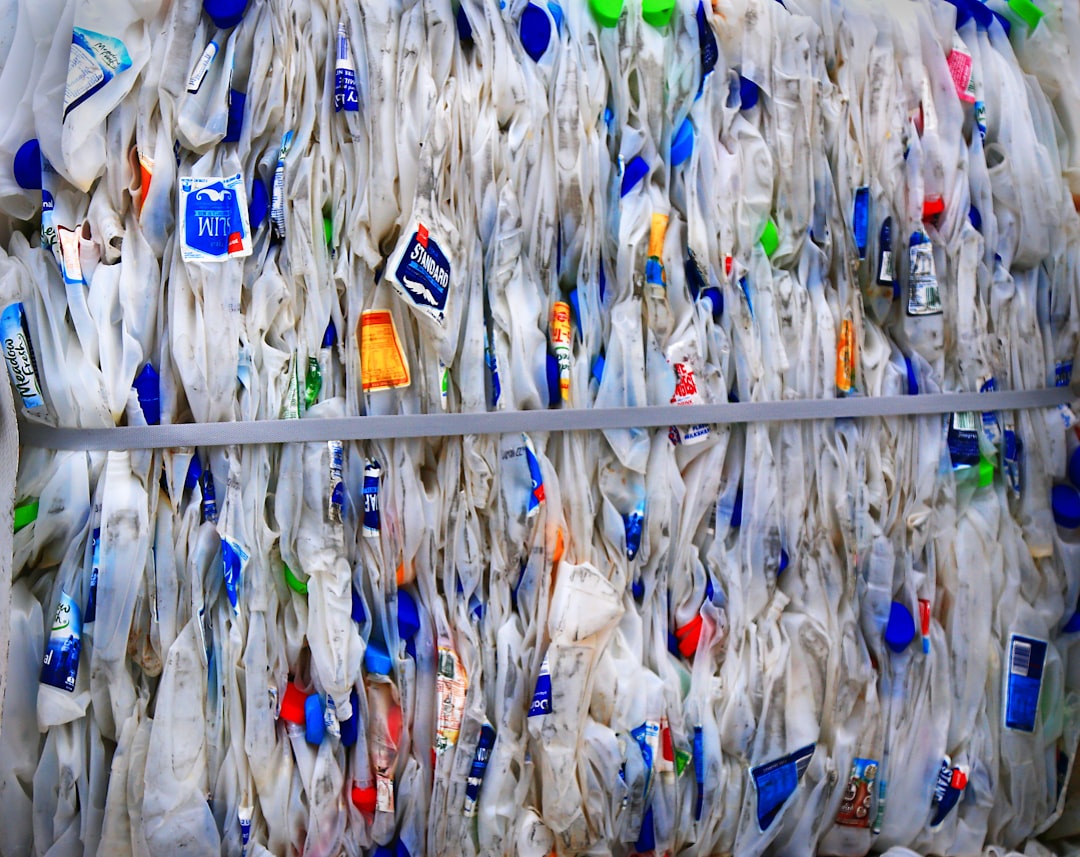
In recent years, the issue of plastic recycling scams has emerged as a significant concern within the environmental and economic landscapes. As the world grapples with the consequences of plastic pollution, the demand for effective recycling solutions has surged. Unfortunately, this heightened demand has also attracted unscrupulous individuals and organizations looking to exploit the situation for profit.
These scams often promise consumers and businesses a sustainable solution to their plastic waste, only to deliver little more than empty promises and further environmental degradation. The proliferation of plastic recycling scams is alarming, as they undermine genuine efforts to address the plastic crisis. Many consumers, eager to do their part in reducing waste, fall victim to misleading claims about recycling programs that are either non-existent or ineffective.
These scams not only deceive individuals but also divert resources away from legitimate recycling initiatives, ultimately exacerbating the very problem they claim to solve. As awareness of these scams grows, it becomes increasingly crucial to understand how to identify them and mitigate their impact on both the environment and society.
Key Takeaways
- Plastic recycling scams are increasingly common and pose significant environmental and economic risks.
- Consumers can identify scams by verifying company credentials and being cautious of unrealistic promises.
- Government regulations and corporate responsibility are crucial in preventing and addressing these scams.
- Public awareness and education empower individuals to recycle safely and ethically.
- Taking proactive steps, including reporting suspicious activities, helps combat plastic recycling fraud.
How to Spot a Plastic Recycling Scam
Identifying a plastic recycling scam can be challenging, especially for those who are not well-versed in the intricacies of recycling processes. However, there are several red flags that consumers and businesses can look out for. One common indicator is the lack of transparency regarding the recycling process.
Legitimate recycling programs typically provide clear information about how materials are processed and where they end up. If a program is vague or evasive about these details, it may be a sign that it is not operating ethically. Another warning sign is the promise of unrealistic outcomes.
Scammers often tout their programs as being able to recycle an extraordinary amount of plastic with little effort or cost involved. If a recycling initiative claims to have a 100% success rate or guarantees that all materials will be recycled without any waste, it is wise to approach with skepticism. Genuine recycling efforts involve complexities and challenges that cannot be overlooked, and any program that oversimplifies these processes should be scrutinized closely.
The Environmental Impact of Plastic Recycling Scams
The environmental ramifications of plastic recycling scams extend far beyond individual cases of fraud; they contribute to a broader crisis of plastic pollution. When consumers are misled into believing that their plastic waste is being responsibly recycled, they may feel less compelled to reduce their consumption or seek out legitimate recycling options. This complacency can lead to increased plastic waste entering landfills and oceans, further harming ecosystems and wildlife.
Moreover, these scams can result in significant resource wastage. When funds are funneled into fraudulent recycling programs, they detract from investments in innovative technologies and sustainable practices that could genuinely address plastic waste. The diversion of resources not only hampers progress in recycling efforts but also perpetuates a cycle of environmental harm.
As communities continue to grapple with the consequences of plastic pollution, the need for effective and trustworthy recycling solutions becomes ever more urgent.
The Role of Government and Regulations in Preventing Plastic Recycling Scams
Governments play a crucial role in combating plastic recycling scams through regulation and oversight. By establishing clear guidelines for recycling programs and holding organizations accountable for their claims, authorities can help protect consumers from fraudulent practices. Effective regulations can also promote transparency within the industry, ensuring that consumers have access to accurate information about where their recyclables are going and how they are being processed.
In addition to regulatory measures, governments can invest in public awareness campaigns aimed at educating citizens about the importance of responsible recycling practices. By informing the public about how to identify scams and encouraging them to support legitimate initiatives, governments can foster a culture of accountability within the recycling sector.
The Importance of Consumer Awareness in Combating Plastic Recycling Scams
| Metric | Value | Description |
|---|---|---|
| Reported Cases | 150+ | Number of reported plastic recycling scam cases in the last 2 years |
| Average Scam Amount | 50,000 | Average amount involved per scam case (in local currency) |
| Victim Count | 5000+ | Estimated number of individuals or businesses affected |
| Recovery Rate | 20% | Percentage of funds recovered after scam exposure |
| Legal Actions Taken | 75 | Number of prosecutions or legal cases initiated |
| Common Scam Types | Fake Recycling Facilities, False Certification, Non-existent Pickup Services | Most frequent scam methods used |
| Geographical Hotspots | North America, Southeast Asia, Europe | Regions with highest scam activity |
Consumer awareness is a powerful tool in the fight against plastic recycling scams. When individuals are informed about the realities of recycling processes and the potential for fraud, they are better equipped to make responsible choices regarding their waste management. Education plays a pivotal role in empowering consumers to ask critical questions about recycling programs and demand transparency from organizations claiming to offer solutions.
Furthermore, informed consumers can serve as advocates for change within their communities. By sharing knowledge about how to spot scams and promoting legitimate recycling initiatives, they can help raise awareness among peers and encourage collective action against fraudulent practices. This grassroots approach can create a ripple effect, leading to increased scrutiny of recycling programs and ultimately fostering a more sustainable environment.
The Economic Consequences of Plastic Recycling Scams
The economic implications of plastic recycling scams extend beyond individual losses; they can have far-reaching effects on entire communities and industries. When consumers invest in fraudulent recycling programs, they not only waste their money but also contribute to a cycle of distrust within the market. This erosion of trust can deter individuals from participating in legitimate recycling initiatives, ultimately leading to decreased funding for genuine efforts aimed at addressing plastic waste.
Moreover, the presence of scams can stifle innovation within the recycling industry. When resources are diverted toward fraudulent operations, there is less funding available for research and development of new technologies that could improve recycling efficiency and effectiveness. This stagnation can hinder progress toward sustainable solutions and perpetuate reliance on outdated practices that fail to address the growing plastic crisis.
Case Studies of Notorious Plastic Recycling Scams
Several high-profile cases have highlighted the prevalence of plastic recycling scams in recent years. One notable example involved a company that claimed to recycle millions of tons of plastic waste but was later found to be dumping much of it in landfills instead. This revelation not only shocked consumers but also sparked outrage among environmental advocates who had supported the initiative under false pretenses.
Another case involved a fraudulent organization that marketed itself as a leader in sustainable waste management but was ultimately exposed for misrepresenting its capabilities.
These cases serve as stark reminders of the need for vigilance in identifying scams and holding organizations accountable for their claims.
The Future of Plastic Recycling and the Fight Against Scams
As society continues to grapple with the challenges posed by plastic pollution, the future of plastic recycling will depend on collective efforts to combat scams and promote ethical practices. Innovations in technology and materials science hold promise for improving recycling processes and reducing waste generation. However, these advancements must be accompanied by robust regulatory frameworks and consumer education initiatives to ensure that they are implemented effectively.
The fight against plastic recycling scams will require collaboration among various stakeholders, including governments, non-profit organizations, businesses, and consumers. By working together to establish standards for transparency and accountability within the industry, it is possible to create an environment where legitimate recycling initiatives can thrive while fraudulent operations are swiftly identified and shut down.
The Responsibility of Corporations in Addressing Plastic Recycling Scams
Corporations have a significant role to play in addressing plastic recycling scams by prioritizing ethical practices within their supply chains and promoting transparency in their sustainability efforts. By committing to responsible sourcing and waste management practices, companies can help build consumer trust and contribute to a more sustainable future. This includes investing in legitimate recycling programs and supporting initiatives that aim to reduce plastic waste at its source.
Additionally, corporations should take an active stance against scams by educating their customers about how to identify fraudulent practices and encouraging them to report suspicious activities. By fostering a culture of accountability within their organizations and among their stakeholders, companies can help create an environment where ethical practices are valued and rewarded.
Tips for Safely and Ethically Recycling Plastic
To navigate the complex landscape of plastic recycling safely and ethically, consumers can follow several practical tips. First, they should research local recycling programs thoroughly before participating. Understanding how materials are processed and where they end up can help individuals make informed decisions about which initiatives to support.
Second, consumers should be cautious about programs that require upfront fees or make unrealistic promises regarding outcomes. Legitimate recycling initiatives typically operate transparently without hidden costs or exaggerated claims. Lastly, individuals can advocate for better practices within their communities by engaging with local governments and organizations focused on sustainability.
Taking Action Against Plastic Recycling Scams: What You Can Do
Taking action against plastic recycling scams begins with individual responsibility and community engagement. Consumers can educate themselves about the signs of fraud and share this knowledge with others to raise awareness within their networks. Reporting suspicious activities to local authorities or consumer protection agencies can also help hold scammers accountable.
Moreover, supporting legitimate recycling initiatives through participation or donations can contribute to building a more sustainable future. By choosing to engage with organizations that prioritize transparency and ethical practices, individuals can play an active role in combating plastic pollution while ensuring that their efforts are genuinely making a difference. In conclusion, addressing the growing issue of plastic recycling scams requires a multifaceted approach involving education, regulation, corporate responsibility, and consumer engagement.
By working together, society can combat these fraudulent practices while promoting effective solutions for managing plastic waste sustainably.
In recent discussions about environmental sustainability, the issue of plastic recycling scams has gained significant attention. A related article that delves deeper into the complexities and challenges of recycling practices can be found [here](https://www.heydidyouknowthis.com/sample-page/). This article highlights the various misconceptions surrounding plastic recycling and sheds light on the importance of transparency in recycling processes to combat fraud and promote genuine sustainability efforts.
WATCH THIS! 🚨 THE RECYCLING LIE: How Big Oil Fooled the World for 50 Years 🚨
FAQs
What is a plastic recycling scam?
A plastic recycling scam involves fraudulent activities where companies or individuals falsely claim to recycle plastic waste but instead dispose of it improperly, sell it illegally, or misrepresent their recycling processes to profit without environmental responsibility.
How can consumers identify a plastic recycling scam?
Consumers can identify scams by verifying the credentials of recycling companies, checking for proper certifications, researching company reviews, and being cautious of offers that seem too good to be true or lack transparency about recycling methods.
What are the common tactics used in plastic recycling scams?
Common tactics include false advertising of recycling capabilities, charging fees without providing services, dumping plastic waste illegally, selling collected plastic to unauthorized buyers, and using fake documentation to appear compliant with regulations.
What impact do plastic recycling scams have on the environment?
These scams contribute to environmental pollution by allowing plastic waste to end up in landfills, oceans, or illegal dumping sites, undermining genuine recycling efforts and harming ecosystems and wildlife.
Are there regulations to prevent plastic recycling scams?
Yes, many countries have regulations and licensing requirements for recycling companies, including audits and reporting standards, to ensure proper handling of plastic waste and to prevent fraudulent activities.
What should businesses do to avoid being involved in a plastic recycling scam?
Businesses should conduct due diligence by verifying the legitimacy of recycling partners, requesting proof of proper recycling processes, maintaining transparent records, and complying with local environmental laws and regulations.
How can individuals contribute to preventing plastic recycling scams?
Individuals can contribute by educating themselves about proper recycling practices, supporting certified recycling programs, reporting suspicious activities to authorities, and reducing plastic use to minimize waste generation.
What are the signs that a plastic recycling company is legitimate?
Legitimate companies typically have valid licenses, transparent operations, verifiable recycling processes, positive customer feedback, and compliance with environmental regulations and standards.