
The world has long been captivated by the allure of oil, a resource that has fueled economies, powered industries, and shaped geopolitics. However, beneath the surface of this seemingly indispensable commodity lies a web of deception spun by the powerful entities known as Big Oil. These multinational corporations have not only amassed staggering wealth but have also wielded significant influence over public policy, environmental standards, and even scientific discourse.
The narrative surrounding oil is often one of progress and prosperity, yet the reality is far more complex and troubling. As society grapples with the consequences of climate change and environmental degradation, it becomes increasingly clear that the machinations of Big Oil have played a pivotal role in perpetuating a cycle of misinformation and exploitation. The deception propagated by Big Oil is multifaceted, encompassing everything from the manipulation of public perception to the suppression of alternative energy sources.
This article seeks to unravel the intricate layers of this deception, exploring the historical context of Big Oil’s influence, its tactics for shaping public opinion, and the broader implications for society and the planet. By examining these elements, one can better understand the challenges that lie ahead in the quest for a sustainable future free from the shackles of fossil fuel dependency.
Key Takeaways
- Big Oil has a long history of manipulating public opinion and denying climate change to protect profits.
- The industry actively suppresses renewable energy development to maintain fossil fuel dominance.
- Lobbying and political influence are key tools used by Big Oil to shape policies in their favor.
- Environmental disasters and health impacts caused by Big Oil are often covered up or downplayed.
- Holding Big Oil accountable is essential for addressing climate change and transitioning to sustainable energy.
The History of Big Oil’s Influence
The roots of Big Oil’s influence can be traced back to the late 19th century when oil was first discovered as a viable energy source. The establishment of companies like Standard Oil marked the beginning of an era where oil became synonymous with power and wealth. John D. Rockefeller, the founder of Standard Oil, not only revolutionized the oil industry but also set a precedent for corporate dominance that would echo through the ages. His company’s monopolistic practices laid the groundwork for a culture of secrecy and manipulation that would characterize Big Oil for decades to come. As the 20th century unfolded, the influence of Big Oil expanded exponentially. The discovery of vast oil reserves in the Middle East and other regions transformed global geopolitics, leading to alliances and conflicts driven by the quest for control over these valuable resources. The oil crisis of the 1970s further solidified the industry’s power, as nations scrambled to secure their energy supplies. Throughout this period, Big Oil not only shaped economic policies but also infiltrated political systems, ensuring that its interests remained protected. This historical context is crucial for understanding how deeply entrenched Big Oil has become in the fabric of modern society.
Manipulating Public Opinion

Big Oil has mastered the art of manipulating public opinion to maintain its dominance in the energy sector. Through strategic marketing campaigns and public relations efforts, these corporations have crafted a narrative that positions fossil fuels as essential to economic growth and national security.
This manipulation extends beyond mere advertising; it involves a concerted effort to shape educational curricula, influence media narratives, and even fund research that aligns with their interests. One of the most insidious tactics employed by Big Oil is the use of misinformation to create doubt about climate science. By funding think tanks and advocacy groups that promote skepticism about climate change, these corporations have sown confusion among the public.
This strategy not only undermines scientific consensus but also delays meaningful action on climate issues. As a result, many individuals remain unaware of the urgent need for a transition to renewable energy sources, allowing Big Oil to continue its operations largely unchallenged.
The Suppression of Renewable Energy
In its quest to maintain market dominance, Big Oil has actively suppressed renewable energy technologies that threaten its business model. Despite advancements in solar, wind, and other sustainable energy sources, these corporations have invested heavily in lobbying efforts aimed at stifling competition. By influencing legislation and regulatory frameworks, they have created barriers that hinder the growth of renewable energy markets.
This suppression is not merely a matter of corporate strategy; it represents a broader resistance to change that jeopardizes global efforts to combat climate change. Moreover, Big Oil’s tactics extend to discrediting renewable energy initiatives through targeted campaigns that highlight perceived shortcomings or failures. By framing renewables as unreliable or economically unviable, they seek to reinforce their narrative that fossil fuels are indispensable.
This approach not only misleads consumers but also stifles innovation in clean energy technologies. As a result, society remains trapped in a cycle of dependency on fossil fuels, with dire consequences for both the environment and future generations.
The Climate Change Denial Campaign
| Metric | Data/Value | Description |
|---|---|---|
| Years of Climate Denial | 30+ | Duration during which major oil companies funded misinformation campaigns to downplay climate change risks. |
| Amount Spent on Lobbying | Billions | Total estimated funds spent by oil companies to influence policy and delay climate action. |
| CO2 Emissions from Oil Industry | ~35% | Percentage of global carbon dioxide emissions attributed to the oil and gas sector. |
| Internal Climate Research | Since 1970s | Period when oil companies were aware of climate change risks but publicly denied them. |
| Public Misinformation Campaigns | Hundreds | Number of campaigns and advertisements aimed at casting doubt on climate science. |
| Investment in Renewable Energy | <1% | Proportion of total capital expenditure by major oil companies directed towards renewable energy sources. |
The climate change denial campaign orchestrated by Big Oil is one of the most alarming aspects of its influence. For decades, these corporations have funded efforts to cast doubt on climate science, promoting narratives that downplay the urgency of addressing global warming. This campaign has been remarkably effective in creating a polarized public discourse around climate issues, allowing fossil fuel interests to evade accountability for their role in exacerbating environmental crises.
By aligning themselves with political figures and organizations that reject climate science, Big Oil has successfully delayed meaningful action on climate change. This strategy not only protects their profits but also undermines international efforts to mitigate environmental damage. The consequences are profound: as climate-related disasters become more frequent and severe, the need for immediate action grows ever more critical.
Lobbying and Political Influence
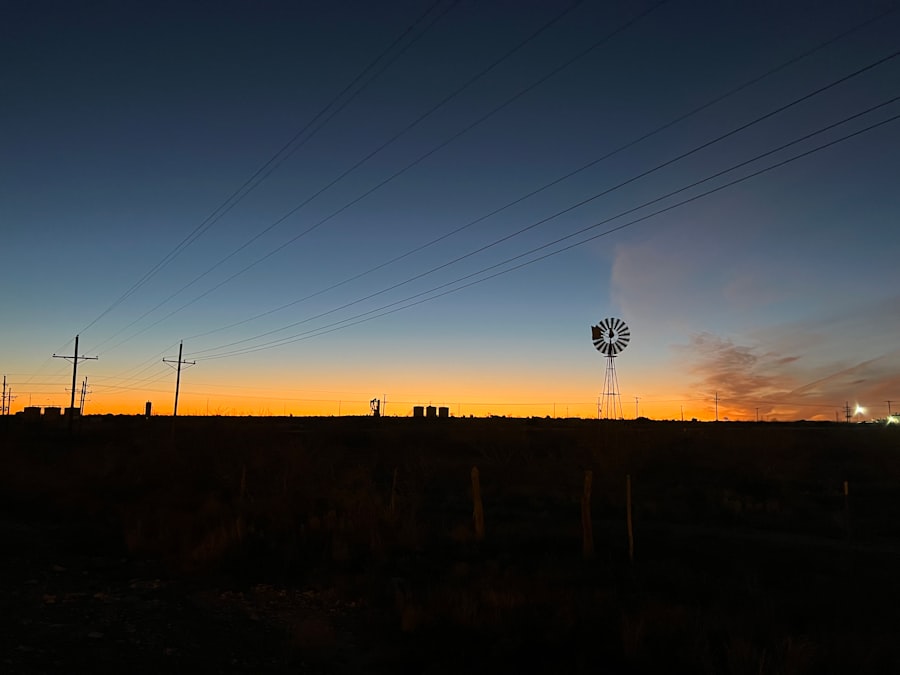
The lobbying efforts of Big Oil are extensive and far-reaching, allowing these corporations to exert significant influence over political decision-making processes. With vast financial resources at their disposal, they engage in lobbying activities aimed at shaping legislation that favors their interests. This includes everything from tax breaks and subsidies for fossil fuel production to regulations that limit competition from renewable energy sources.
The political influence wielded by Big Oil extends beyond direct lobbying; it also involves substantial campaign contributions to candidates who align with their interests. By financially supporting politicians who advocate for pro-oil policies, these corporations ensure that their voices are heard in legislative chambers across the globe. This symbiotic relationship between Big Oil and political leaders creates an environment where corporate interests often take precedence over public welfare and environmental protection.
Environmental Disasters and Cover-ups
The environmental track record of Big Oil is marred by numerous disasters that have had devastating consequences for ecosystems and communities alike. From oil spills to gas leaks, these incidents highlight the inherent risks associated with fossil fuel extraction and transportation. However, what is often overlooked is how these corporations have engaged in cover-ups to downplay the severity of such disasters and evade accountability.
In many cases, Big Oil has employed tactics such as misinformation campaigns and legal maneuvers to shield themselves from scrutiny following environmental catastrophes. By minimizing the impact of spills or delaying cleanup efforts, they seek to protect their reputations and financial interests at the expense of affected communities and ecosystems. This pattern of behavior underscores a troubling reality: when profit motives take precedence over environmental stewardship, both people and nature suffer.
The Exploitation of Developing Countries
Big Oil’s influence extends beyond borders, often manifesting in exploitative practices within developing countries rich in natural resources. These nations frequently find themselves caught in a web of dependency on foreign oil companies that prioritize profit over local welfare. In many instances, communities are displaced from their lands or subjected to environmental degradation as a result of oil extraction activities.
The exploitation is not limited to environmental concerns; it also encompasses social injustices such as labor violations and inadequate compensation for local populations. As multinational corporations extract wealth from these regions, they often leave behind a legacy of poverty and environmental destruction. This dynamic raises critical ethical questions about corporate responsibility and highlights the urgent need for equitable practices in resource management.
The Health Impacts of Big Oil
The health impacts associated with Big Oil’s operations are profound and far-reaching. Communities living near oil extraction sites or refineries often experience elevated rates of respiratory illnesses, cancer, and other health issues linked to pollution from fossil fuel activities. The toxic emissions released during extraction and refining processes pose significant risks not only to workers but also to nearby residents who bear the brunt of environmental degradation.
Moreover, the health implications extend beyond immediate communities; they contribute to broader public health crises exacerbated by climate change. As global temperatures rise and extreme weather events become more frequent, vulnerable populations face heightened risks related to food security, water availability, and disease outbreaks. The connection between Big Oil’s practices and public health outcomes underscores the urgent need for systemic change in energy production and consumption.
The True Cost of Fossil Fuels
While fossil fuels have long been touted as drivers of economic growth, their true costs are often obscured by corporate narratives. The environmental degradation caused by oil extraction, transportation, and consumption carries significant economic burdens that are rarely accounted for in traditional cost-benefit analyses. From cleanup efforts following spills to healthcare costs associated with pollution-related illnesses, society ultimately bears the financial weight of Big Oil’s operations.
Furthermore, as climate change accelerates, the costs associated with extreme weather events—such as hurricanes, wildfires, and flooding—are projected to rise dramatically. These expenses will disproportionately affect vulnerable communities already grappling with economic challenges. Recognizing the true cost of fossil fuels is essential for informing policy decisions that prioritize sustainability over short-term profits.
The Path Forward: Holding Big Oil Accountable
As society confronts the myriad challenges posed by climate change and environmental degradation, holding Big Oil accountable becomes imperative. This accountability requires a multifaceted approach that includes robust regulatory frameworks, increased transparency in corporate practices, and active engagement from civil society. By demanding greater responsibility from these corporations, individuals can help shift the narrative surrounding fossil fuels toward one that prioritizes sustainability and social equity.
Moreover, investing in renewable energy technologies and supporting policies that promote clean energy transitions are crucial steps toward breaking free from fossil fuel dependency. By fostering innovation and encouraging collaboration between governments, businesses, and communities, society can pave the way for a more sustainable future—one where the interests of people and the planet take precedence over corporate profits. In conclusion, while Big Oil has wielded significant influence over public opinion and policy for decades, there is an opportunity for change on the horizon.
By recognizing the deceptive practices employed by these corporations and advocating for accountability, society can work toward a future where energy production aligns with environmental stewardship and social justice. The path forward may be challenging, but it is essential for ensuring a livable planet for generations to come.
In exploring the intricate ways in which big oil has influenced global perceptions and policies, one can gain further insights from the article available at