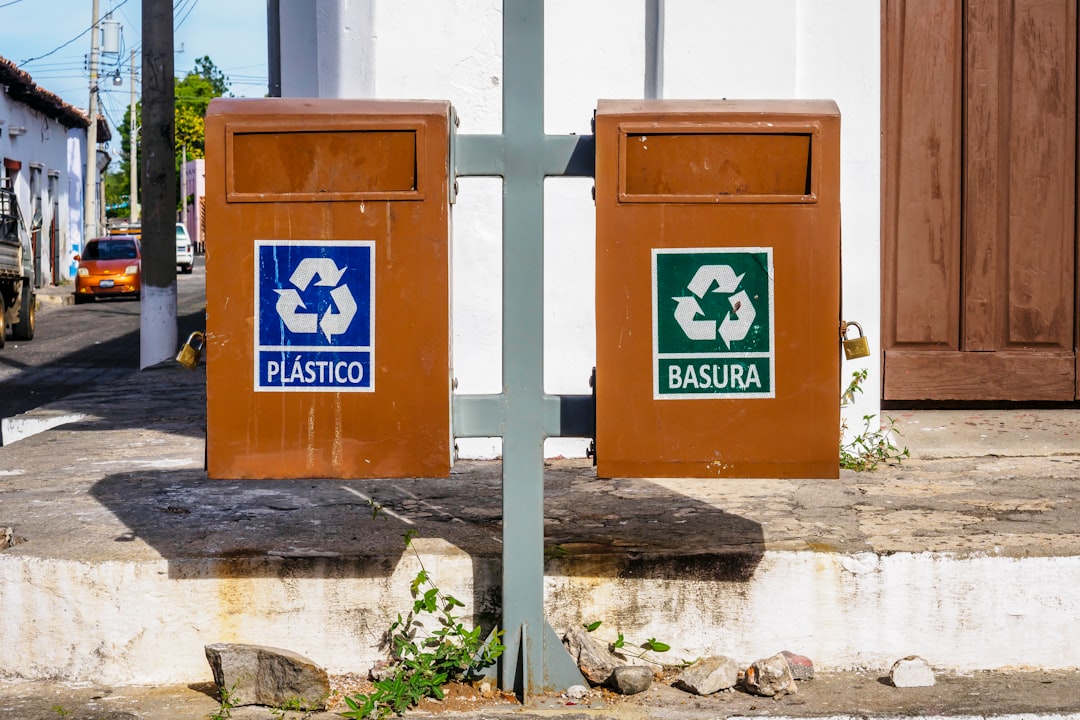
The recycling symbol, a ubiquitous emblem recognized worldwide, has its roots in the environmental movements of the 1960s and 1970s. During this period, growing concerns about pollution and waste management prompted a collective awareness of the need for sustainable practices. The symbol itself was conceived as a means to promote recycling and encourage individuals to adopt more environmentally friendly habits.
The initial idea was to create a simple yet effective graphic that could communicate the concept of recycling to the general public, making it easily identifiable and memorable. In 1970, a college student named Gary Anderson was tasked with designing a logo for a recycling competition held by the Container Corporation of America. Drawing inspiration from the concept of a closed-loop system, Anderson created a design featuring three arrows arranged in a triangular formation.
This design not only represented the cyclical nature of recycling but also conveyed a sense of continuity and sustainability. The simplicity of the symbol allowed it to transcend language barriers, making it accessible to people from diverse backgrounds and cultures.
Key Takeaways
- The recycling symbol, known as the Mobius Loop, was created to visually represent the concept of recycling.
- It was widely adopted and evolved in design to enhance recognition and effectiveness.
- The symbol gained international recognition, becoming a universal icon for recycling efforts.
- It has played a significant role in raising recycling awareness and supporting environmental activism.
- The symbol continues to adapt for various materials and remains relevant in modern sustainability practices.
The Creation of the Mobius Loop
The Mobius loop, as it came to be known, is characterized by its three arrows forming a continuous loop, symbolizing the process of collecting, processing, and reusing materials. This design is rooted in the mathematical concept of the Mobius strip, which is a surface with only one side and one boundary. The connection between the Mobius strip and recycling lies in the idea of infinite possibilities and the potential for materials to be repurposed rather than discarded.
This innovative approach to design not only captured the essence of recycling but also inspired a broader movement toward sustainability. Anderson’s creation was not merely an artistic endeavor; it was a reflection of a growing consciousness about environmental issues. The Mobius loop encapsulated the principles of reducing waste, reusing materials, and recycling products, which became foundational tenets of environmentalism.
As communities began to embrace these ideas, the symbol gained traction as a visual representation of a collective commitment to preserving the planet for future generations.
The Adoption of the Recycling Symbol
The adoption of the recycling symbol was not instantaneous; it required concerted efforts from various stakeholders, including environmental organizations, government agencies, and businesses. In 1970, the first Earth Day celebration provided a platform for raising awareness about environmental issues, and the recycling symbol was prominently featured in campaigns aimed at promoting sustainable practices. This event marked a turning point in public consciousness, as more individuals began to recognize the importance of recycling and its role in mitigating environmental degradation.
As municipalities and businesses started implementing recycling programs, the Mobius loop became an essential part of their branding efforts. The symbol was incorporated into educational materials, signage at recycling centers, and product packaging, reinforcing its association with eco-friendly practices. Over time, consumers began to seek out products bearing the recycling symbol, further solidifying its status as a hallmark of sustainability.
This widespread adoption played a crucial role in shaping public attitudes toward recycling and environmental responsibility.
The Evolution of the Symbol’s Design
While the original design of the recycling symbol has remained largely unchanged since its inception, its application has evolved significantly over the years. As awareness of environmental issues has grown, so too has the understanding of what recycling entails. The symbol has been adapted to reflect advancements in recycling technology and changes in consumer behavior.
For instance, variations of the Mobius loop have emerged to indicate specific types of recyclable materials or to denote different recycling processes. In addition to these adaptations, there has been an increased emphasis on incorporating color and additional graphics into the symbol’s design. Some organizations have chosen to use green hues to emphasize sustainability further, while others have added text or icons to clarify what materials can be recycled.
These modifications aim to enhance public understanding and engagement with recycling initiatives, ensuring that consumers are well-informed about their choices.
The International Recognition of the Symbol
| Year | Event | Details |
|---|---|---|
| 1970 | Design of Recycling Symbol | Gary Anderson, a 23-year-old college student, designed the original recycling symbol as part of a contest sponsored by the Container Corporation of America. |
| 1970 | First Use | The symbol was first used on paper products to indicate recyclability and promote environmental awareness during the first Earth Day. |
| 1970s | Adoption | The symbol quickly gained popularity and was adopted by various organizations and municipalities to promote recycling programs. |
| 1980s | Standardization | The recycling symbol became standardized and is now recognized internationally as a symbol for recyclable materials. |
| Present | Legacy | Gary Anderson’s design remains one of the most recognized environmental symbols worldwide, representing sustainability and recycling efforts. |
The recycling symbol has transcended national borders, becoming an internationally recognized emblem of sustainability. Its widespread acceptance can be attributed to global efforts to address environmental challenges such as climate change and resource depletion. Various international organizations have adopted the symbol as part of their campaigns to promote recycling and waste reduction on a global scale.
Countries around the world have embraced the Mobius loop as a standard for identifying recyclable materials. This uniformity has facilitated cross-border trade in recyclable goods and has helped establish international guidelines for waste management practices. As nations collaborate on environmental initiatives, the recycling symbol serves as a unifying force that underscores the shared responsibility of protecting the planet.
The Symbol’s Impact on Recycling Awareness
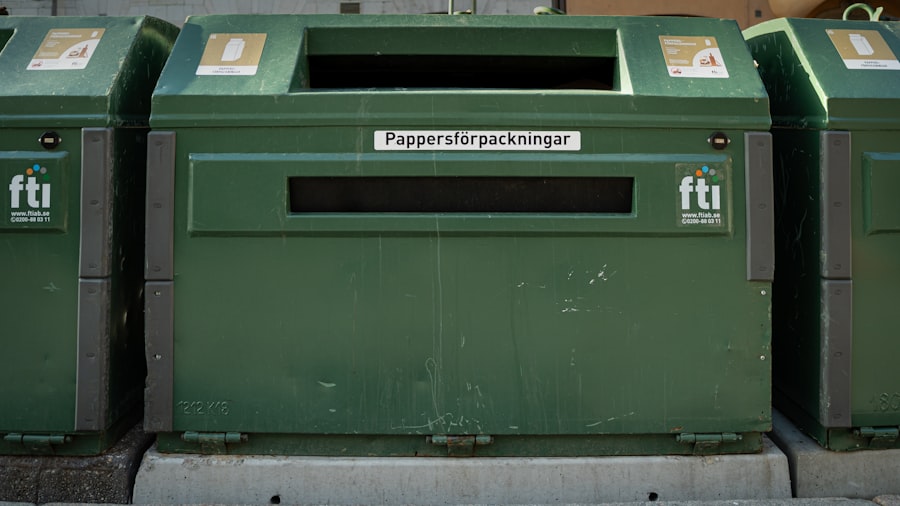
The impact of the recycling symbol on public awareness cannot be overstated. It has played a pivotal role in educating individuals about the importance of recycling and encouraging them to take action. By providing a clear visual cue, the symbol has made it easier for consumers to identify recyclable products and understand their role in reducing waste.
Research has shown that exposure to the recycling symbol increases participation in recycling programs. When individuals see the Mobius loop on packaging or signage, they are more likely to engage in sustainable behaviors. This heightened awareness has led to significant increases in recycling rates across many regions, contributing to reduced landfill waste and promoting a circular economy.
The Symbol’s Role in Environmental Activism
The recycling symbol has also become a powerful tool for environmental activists seeking to raise awareness about sustainability issues. It serves as a rallying point for campaigns aimed at promoting responsible consumption and advocating for policy changes related to waste management. Activists often use the symbol in their messaging to emphasize the importance of recycling as part of a broader strategy for addressing environmental challenges.
Communities have rallied around the symbol to create educational programs, organize clean-up events, and advocate for improved recycling infrastructure. By harnessing the power of this recognizable emblem, activists have been able to mobilize support for meaningful change at both local and global levels.
The Symbol’s Incorporation into Packaging and Products
As consumer demand for sustainable products continues to rise, manufacturers have increasingly incorporated the recycling symbol into their packaging designs. This practice not only communicates a commitment to environmental responsibility but also appeals to eco-conscious consumers who prioritize sustainability in their purchasing decisions. The presence of the Mobius loop on packaging signals that a product is recyclable or made from recycled materials, fostering trust between brands and consumers.
Moreover, many companies have adopted comprehensive sustainability strategies that go beyond mere compliance with recycling standards. They use the recycling symbol as part of their branding efforts to showcase their dedication to reducing waste and promoting circularity in their supply chains. This trend reflects a broader shift in corporate responsibility, where businesses recognize that sustainability is not just an ethical imperative but also a competitive advantage in today’s market.
The Symbol’s Adaptation for Different Materials
As recycling practices have evolved, so too has the need for more specific symbols that indicate recyclability based on material types. While the Mobius loop remains a general representation of recycling, various adaptations have emerged to provide clarity regarding what can be recycled. For example, different numbers within or alongside the symbol indicate specific types of plastics or other materials that can be processed through local recycling systems.
These adaptations are crucial for educating consumers about proper recycling practices. By providing clear guidance on what materials are accepted in local programs, these symbols help reduce contamination in recycling streams—a common challenge faced by many municipalities. As awareness grows about the complexities of recycling different materials, these adaptations ensure that consumers are equipped with the knowledge they need to make informed choices.
The Symbol’s Continued Relevance in the Modern Era
In an age marked by increasing environmental challenges, the relevance of the recycling symbol remains steadfast. As society grapples with issues such as plastic pollution and climate change, this emblem serves as a reminder of individual responsibility and collective action toward sustainability. Its enduring presence in public discourse highlights the ongoing need for education and engagement around recycling practices.
Furthermore, as technology advances and new materials emerge, there is an opportunity for continued innovation in how the symbol is used and understood.
The Mobius loop can evolve alongside these advancements, ensuring that it remains relevant in an ever-changing landscape.
The Future of the Recycling Symbol
Looking ahead, the future of the recycling symbol is likely to be shaped by ongoing developments in sustainability practices and consumer behavior. As more individuals become aware of their environmental impact, there will be an increasing demand for transparency regarding product recyclability. This shift may lead to further refinements in how the symbol is used across various industries.
Additionally, collaboration among governments, businesses, and non-profit organizations will play a crucial role in shaping the future of recycling initiatives. By working together to standardize symbols and improve public understanding of recycling processes, stakeholders can enhance participation rates and drive meaningful change. The Mobius loop will continue to serve as an essential tool in this endeavor—an emblem that not only represents recycling but also embodies hope for a more sustainable future.
In conclusion, from its origins as a simple design created by Gary Anderson to its status as an internationally recognized symbol of sustainability, the recycling emblem has had a profound impact on public awareness and environmental activism. Its evolution reflects changing attitudes toward waste management and resource conservation while remaining relevant in contemporary discussions about sustainability. As society continues to navigate complex environmental challenges, the Mobius loop will undoubtedly play an integral role in promoting responsible consumption and fostering a culture of sustainability for generations to come.
The history of the recycling symbol, designed by Gary Anderson in 1970, is a fascinating topic that highlights the evolution of environmental awareness. For those interested in learning more about the broader implications of recycling and its impact on sustainability, you can check out this related article on the subject. It provides valuable insights into how symbols like Anderson’s have shaped public perception and behavior towards recycling. Read more about it here.
WATCH THIS! 🚨 THE RECYCLING LIE: How Big Oil Fooled the World for 50 Years 🚨
FAQs
Who is Gary Anderson in relation to the recycling symbol?
Gary Anderson is the graphic designer who created the original recycling symbol in 1970. He designed it as part of a contest sponsored by the Container Corporation of America to promote environmental awareness.
When was the recycling symbol created?
The recycling symbol was created in 1970 by Gary Anderson as a response to a design contest aimed at promoting recycling and environmental consciousness.
What does the recycling symbol represent?
The recycling symbol, consisting of three chasing arrows forming a triangle, represents the three main stages of recycling: collection, processing, and reuse of materials.
Why was the recycling symbol designed?
The symbol was designed to raise public awareness about recycling and encourage people to participate in recycling programs, especially during the first Earth Day in 1970.
How has the recycling symbol evolved over time?
While the original design by Gary Anderson remains widely recognized, variations of the recycling symbol have been adapted to indicate different types of recyclable materials or specific recycling programs.
Is the recycling symbol copyrighted?
The original recycling symbol designed by Gary Anderson is in the public domain, allowing it to be freely used and adapted for recycling-related purposes.
What is the significance of the three arrows in the recycling symbol?
The three arrows symbolize the continuous cycle of recycling: collecting recyclable materials, processing them into new products, and purchasing those products to complete the loop.
How did the recycling symbol impact environmental awareness?
The recycling symbol became an iconic image that helped unify and promote the recycling movement, making it easier for consumers to identify recyclable products and encouraging sustainable practices.