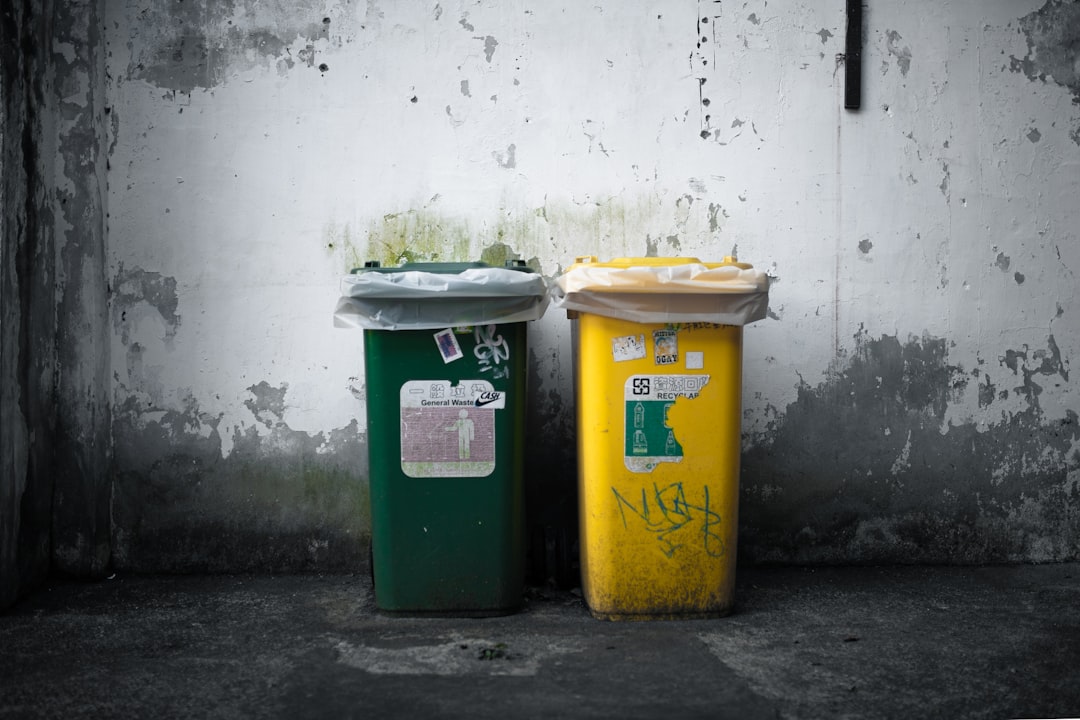
Germany’s Extended Producer Responsibility (EPR) program stands as a pioneering model in the realm of waste management and recycling. Established in the early 1990s, this initiative was designed to shift the burden of waste management from municipalities to producers, thereby encouraging manufacturers to take responsibility for the entire lifecycle of their products. The EPR program has not only transformed the way waste is handled in Germany but has also set a benchmark for other nations striving to enhance their recycling systems.
By mandating that producers manage the disposal and recycling of their products, Germany has effectively integrated sustainability into its economic framework. The significance of Germany’s EPR program extends beyond mere compliance with environmental regulations; it reflects a broader commitment to sustainable development. The program aims to minimize waste generation, promote recycling, and foster a circular economy where resources are reused and repurposed.
As global concerns about environmental degradation and resource depletion intensify, Germany’s approach offers valuable insights into how structured policies can lead to substantial improvements in waste management practices. This article delves into the evolution, components, impacts, challenges, and successes of Germany’s EPR program, providing a comprehensive overview of its role in enhancing recycling rates.
Key Takeaways
- Germany’s EPR program has significantly advanced its recycling system through shared producer responsibility.
- Key components include mandatory producer participation, clear recycling targets, and efficient waste collection infrastructure.
- The program has led to high recycling rates and notable environmental and economic benefits.
- Public engagement and positive perception are crucial to the program’s success.
- Germany’s experience offers valuable lessons for improving global recycling initiatives.
The Evolution of Germany’s Recycling System
The roots of Germany’s recycling system can be traced back to the early 1970s when environmental awareness began to gain traction. Initially, waste management was primarily the responsibility of local authorities, leading to inconsistent practices across different regions. However, as the volume of waste increased and environmental concerns became more pronounced, it became evident that a more structured approach was necessary.
The turning point came in 1991 with the introduction of the Packaging Ordinance, which laid the groundwork for the EPR program by requiring manufacturers to take responsibility for the packaging they produced. Over the years, Germany’s recycling system has undergone significant transformations. The introduction of the Green Dot symbol in 1990 marked a pivotal moment, as it signified that producers had contributed to the costs of recycling their packaging materials.
This initiative not only incentivized manufacturers to design more sustainable products but also educated consumers about their role in recycling. As public awareness grew, so did participation rates in recycling programs, leading to a more robust infrastructure for waste collection and processing. The evolution of Germany’s recycling system reflects a continuous effort to adapt to changing environmental challenges and societal expectations.
Key Components of Germany’s EPR Program
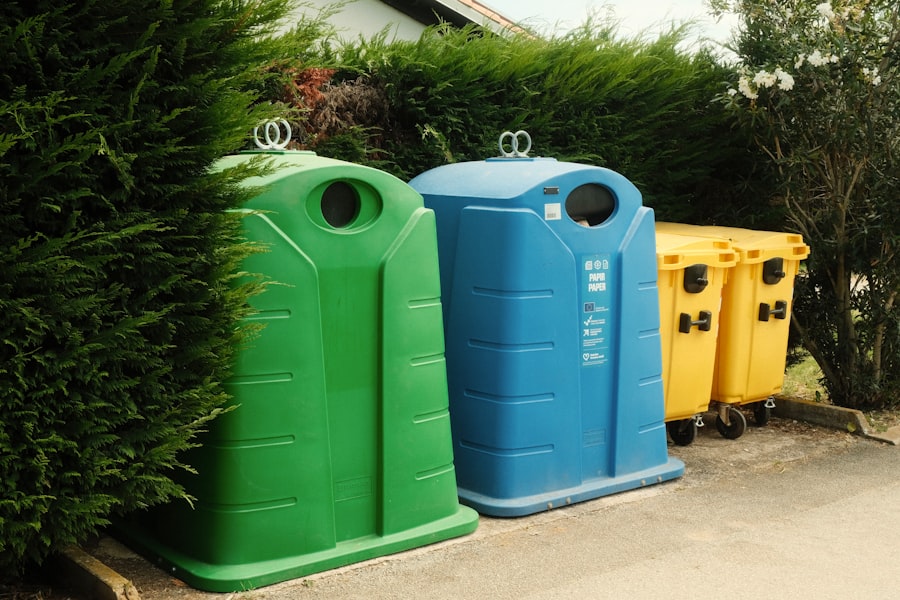
Germany’s EPR program is characterized by several key components that work synergistically to promote effective waste management. One of the most critical elements is the legal framework that mandates producers to take responsibility for their products from cradle to grave.
By establishing clear regulations, the program ensures that manufacturers are accountable for the environmental impact of their products throughout their lifecycle. Another essential component is the establishment of dual systems for waste collection and recycling. These systems allow consumers to separate their waste into different categories, facilitating efficient recycling processes.
The Green Dot system plays a crucial role in this regard, as it provides a recognizable symbol that indicates compliance with recycling obligations. Additionally, Germany has invested heavily in infrastructure, including advanced sorting facilities and recycling plants, which are vital for processing collected materials effectively. Together, these components create a comprehensive framework that supports high recycling rates and minimizes landfill use.
Impact of Germany’s EPR Program on Recycling Rates
The impact of Germany’s EPR program on recycling rates has been nothing short of remarkable. Since its inception, the program has significantly increased the amount of waste recycled across various categories. For instance, packaging waste recycling rates have soared from around 30% in the early 1990s to over 60% in recent years.
This impressive achievement can be attributed to the combination of producer responsibility, public awareness campaigns, and efficient waste management systems. Moreover, the success of Germany’s EPR program has had a ripple effect on other areas of waste management. The emphasis on recycling has led to innovations in product design, encouraging manufacturers to create items that are easier to recycle or made from recycled materials.
This shift not only conserves resources but also reduces greenhouse gas emissions associated with production processes. As a result, Germany has emerged as a leader in sustainable waste management practices, inspiring other countries to adopt similar approaches in their efforts to improve recycling rates.
Challenges and Successes of Germany’s EPR Program
| Year | Recycling Rate (%) | EPR Program | Material Type | Success Metric | Notes |
|---|---|---|---|---|---|
| 2022 | 67% | Packaging Act (VerpackG) | Packaging Waste | High collection and recycling rates | One of the highest packaging recycling rates in Europe |
| 2021 | 90% | Electrical and Electronic Equipment Act (ElektroG) | Electronic Waste | 90% collection target met | Effective take-back and recycling system |
| 2020 | 85% | Battery Act (BattG) | Batteries | 85% collection rate | Strong consumer participation in battery recycling |
| 2019 | 65% | Packaging Act (VerpackG) | Plastic Packaging | Significant reduction in landfill | Increased use of recycled plastics in packaging |
| 2018 | 60% | Packaging Ordinance (before VerpackG) | Packaging Waste | Steady improvement in recycling rates | Foundation for current EPR success |
Despite its successes, Germany’s EPR program has faced several challenges over the years. One significant issue is the complexity of compliance for producers, particularly small and medium-sized enterprises (SMEs). Navigating the regulatory landscape can be daunting for these businesses, leading some to struggle with meeting their obligations under the EPR framework.
Additionally, there have been concerns about the effectiveness of certain recycling processes and whether they truly contribute to environmental sustainability. However, these challenges have not overshadowed the overall success of the program. Continuous improvements and adaptations have been made to address compliance issues and enhance efficiency.
For instance, initiatives aimed at simplifying reporting requirements for SMEs have been introduced, making it easier for them to participate in the EPR system. Furthermore, ongoing investments in technology and infrastructure have bolstered recycling capabilities, ensuring that Germany remains at the forefront of sustainable waste management practices.
Comparison of Germany’s EPR Program with Other Countries
Germany’s EPR program serves as a model for many countries looking to improve their waste management systems; however, it is essential to recognize that each nation faces unique challenges and opportunities. For instance, countries like France and Sweden have implemented their own EPR frameworks but may differ in terms of regulatory approaches and public engagement strategies. While France has focused on expanding its EPR obligations to include textiles and furniture, Sweden has emphasized producer responsibility through a more decentralized approach.
In contrast to Germany’s comprehensive legal framework, some countries have adopted less stringent measures that may not yield similar results in recycling rates. For example, in the United States, where EPR policies are still emerging at state levels rather than being implemented nationally, recycling rates remain relatively low compared to Germany’s achievements. This comparison highlights how robust regulatory frameworks and strong public participation can significantly influence the effectiveness of EPR programs.
Public Perception and Participation in Germany’s EPR Program
Public perception plays a crucial role in the success of Germany’s EPR program. Over the years, there has been a growing awareness among citizens about environmental issues and the importance of recycling. Educational campaigns have effectively communicated the benefits of participating in recycling initiatives, leading to increased public engagement.
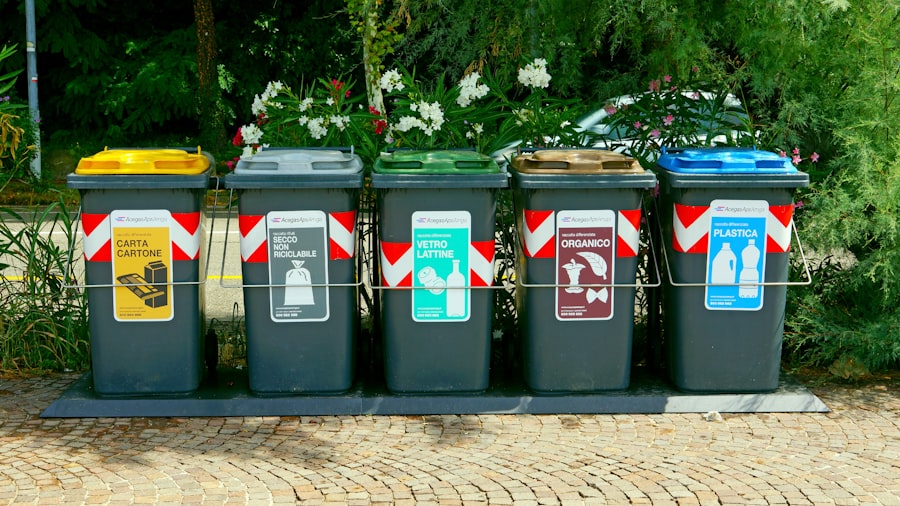
As a result, many Germans view recycling not just as a civic duty but as an integral part of their lifestyle. Participation rates in recycling programs have consistently remained high due to this positive public perception. Citizens are encouraged to separate their waste into designated bins for paper, plastics, glass, and organic materials, contributing significantly to overall recycling efforts.
The sense of collective responsibility fosters a culture where individuals feel empowered to make environmentally conscious choices. This strong public support is essential for maintaining high recycling rates and ensuring the long-term success of Germany’s EPR program.
Economic and Environmental Benefits of Germany’s EPR Program
The economic and environmental benefits derived from Germany’s EPR program are substantial and multifaceted. Economically, the program has stimulated job creation within the recycling sector as new facilities and technologies have emerged to handle increased volumes of recyclable materials. This growth not only supports local economies but also contributes to a more sustainable industrial landscape by promoting green jobs.
Environmentally, the EPR program has led to significant reductions in landfill use and greenhouse gas emissions associated with waste disposal. By diverting materials from landfills and promoting recycling, Germany has made considerable strides toward achieving its climate goals. The emphasis on resource conservation through recycling also reduces the demand for virgin materials, further mitigating environmental impacts associated with extraction and production processes.
Future Developments and Innovations in Germany’s EPR Program
As environmental challenges continue to evolve, so too must Germany’s EPR program adapt to meet new demands. Future developments may include expanding EPR obligations to encompass additional product categories such as textiles or construction materials. Innovations in technology will likely play a pivotal role in enhancing sorting processes and improving overall efficiency within recycling facilities.
Moreover, there is potential for greater integration of digital solutions within the EPR framework. For instance, blockchain technology could be utilized to enhance transparency in tracking recyclable materials throughout their lifecycle. Such advancements would not only streamline compliance for producers but also provide consumers with greater insight into how their waste is managed.
Lessons Learned from Germany’s EPR Program for Global Recycling Efforts
Germany’s experience with its EPR program offers valuable lessons for other countries seeking to improve their recycling efforts. One key takeaway is the importance of establishing a clear legal framework that holds producers accountable for their products’ end-of-life management. This accountability encourages manufacturers to design products with recyclability in mind from the outset.
Additionally, fostering public engagement through education and awareness campaigns is crucial for driving participation rates in recycling programs. Countries looking to implement similar initiatives should prioritize building a culture of sustainability among citizens while ensuring that compliance processes are accessible for businesses of all sizes.
The Role of Germany’s EPR Program in Driving High Recycling Rates
In conclusion, Germany’s Extended Producer Responsibility program stands as a testament to what can be achieved through structured policies aimed at enhancing waste management practices. By shifting responsibility onto producers and fostering public engagement, Germany has successfully increased its recycling rates while minimizing environmental impacts associated with waste disposal.
As global challenges related to waste management continue to grow, Germany’s EPR program serves as an inspiring example of how comprehensive policies can drive meaningful change. With ongoing innovations and adaptations on the horizon, there is no doubt that Germany will continue to lead the way in sustainable waste management practices for years to come.
Germany has long been recognized as a leader in recycling, achieving impressive rates through effective policies and practices. A significant factor in this success is the implementation of Extended Producer Responsibility (EPR), which holds manufacturers accountable for the entire lifecycle of their products. For more insights on this topic, you can read a related article that discusses the impact of EPR on recycling rates in Germany by following this link: EPR Success in Germany.
WATCH THIS! 🚨 THE RECYCLING LIE: How Big Oil Fooled the World for 50 Years 🚨
FAQs
What is Germany’s recycling rate?
Germany has one of the highest recycling rates in the world, with rates often exceeding 65% for municipal waste. The country has set ambitious targets to further increase recycling and reduce landfill use.
What does EPR stand for in the context of recycling?
EPR stands for Extended Producer Responsibility. It is a policy approach where producers are given significant responsibility—financial and/or physical—for the treatment or disposal of post-consumer products.
How has EPR contributed to Germany’s recycling success?
Germany’s EPR system, particularly through the Green Dot program, has incentivized producers to design products that are easier to recycle and has ensured that producers finance the collection and recycling of packaging waste, leading to high recycling rates.
What types of waste are covered under Germany’s EPR system?
Germany’s EPR system primarily covers packaging waste, including plastics, paper, glass, and metals. It also extends to other product categories such as electronics and batteries under separate regulations.
What role do consumers play in Germany’s recycling system?
Consumers in Germany are required to separate their waste into different categories (e.g., paper, plastics, organic waste) to facilitate efficient recycling. Public awareness and participation are key components of the system’s success.
How does Germany manage packaging waste under EPR?
Producers register with a packaging compliance scheme, pay fees based on the amount and type of packaging placed on the market, and fund the collection, sorting, and recycling of packaging waste through licensed waste management companies.
What are the environmental benefits of Germany’s recycling and EPR system?
The system reduces landfill use, conserves natural resources, lowers greenhouse gas emissions, and promotes sustainable product design, contributing to Germany’s overall environmental goals.
Can other countries replicate Germany’s EPR model?
While Germany’s EPR system is considered a best practice, successful replication requires strong regulatory frameworks, producer cooperation, consumer participation, and effective waste management infrastructure tailored to local conditions.