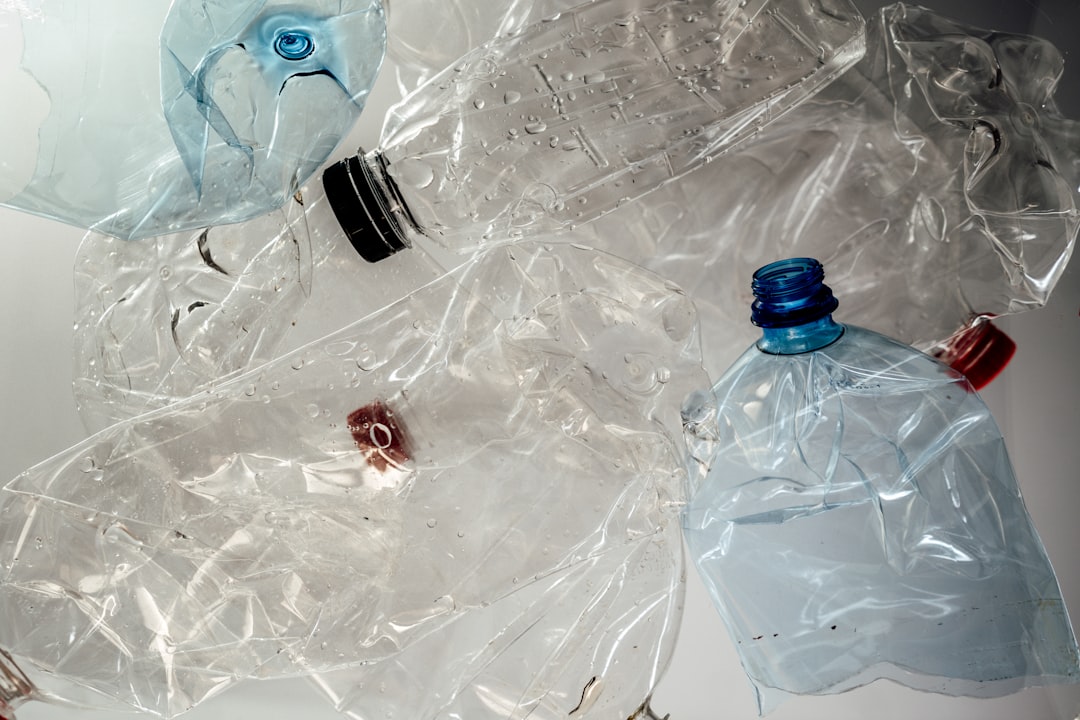
Plastic pollution has emerged as one of the most pressing environmental challenges of the 21st century.
The convenience of plastic, once celebrated for its versatility and durability, has now become a double-edged sword.
As society grapples with the consequences of its reliance on this material, the urgency to address plastic pollution has never been more critical. The sheer scale of plastic production is staggering. According to recent estimates, over 300 million tons of plastic are produced globally each year, with a significant portion ending up in landfills or the natural environment.
This pollution not only threatens wildlife but also poses risks to human health. As awareness grows, so does the need for comprehensive strategies to mitigate this crisis. Understanding the multifaceted nature of plastic pollution is essential for fostering a collective response that can lead to meaningful change.
Key Takeaways
- Plastic pollution severely harms ecosystems and wildlife worldwide.
- Documentaries play a crucial role in educating the public and raising awareness.
- Expert interviews provide in-depth insights into the causes and effects of plastic waste.
- Global cooperation and innovative solutions are essential to combat plastic pollution.
- Individual actions, inspired by visual storytelling, can drive meaningful environmental change.
The Impact of Plastic Pollution on the Environment
The environmental impact of plastic pollution is profound and far-reaching. Marine ecosystems are particularly vulnerable, as millions of tons of plastic debris enter oceans annually. Sea turtles, seabirds, and marine mammals often mistake plastic for food, leading to ingestion that can cause injury or death.
Moreover, microplastics—tiny fragments resulting from the breakdown of larger plastic items—have infiltrated even the most remote marine environments, posing a threat to biodiversity and disrupting food chains. Beyond marine life, terrestrial ecosystems are also affected by plastic pollution. Land animals can become entangled in discarded plastic waste, while soil health deteriorates as microplastics accumulate in agricultural lands.
The presence of plastics in the environment can hinder plant growth and disrupt nutrient cycles, ultimately affecting food security. The interconnectedness of ecosystems means that the ramifications of plastic pollution extend beyond individual species, impacting entire habitats and the services they provide.
The Role of Documentaries in Raising Awareness
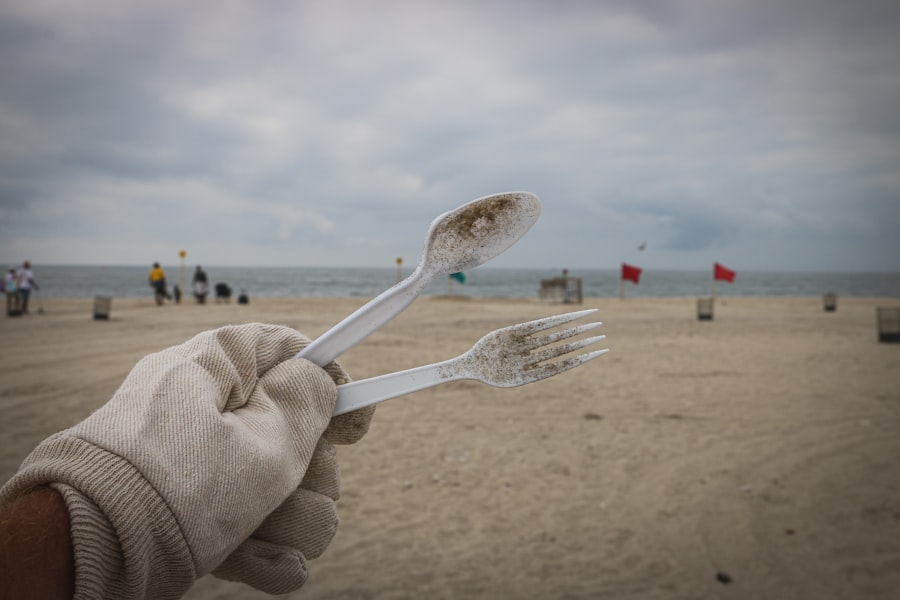
Documentaries have emerged as powerful tools for raising awareness about plastic pollution and its consequences. Through compelling storytelling and visual imagery, filmmakers can capture the attention of audiences and convey complex issues in an accessible manner. Documentaries like “A Plastic Ocean” and “Plastic Planet” have shed light on the pervasive nature of plastic waste and its impact on the environment, inspiring viewers to reconsider their consumption habits and advocate for change.
The emotional resonance of documentaries often serves to galvanize public interest and action. By showcasing the plight of affected wildlife and communities, these films create a sense of urgency that can motivate individuals to engage with environmental issues. Furthermore, documentaries can serve as catalysts for broader discussions about sustainability and responsible consumption, encouraging viewers to reflect on their role in addressing plastic pollution.
Uncovering the Truth: Behind the Scenes of the Investigation
Behind every impactful documentary lies a rigorous investigative process that seeks to uncover the truth about plastic pollution. Filmmakers often embark on extensive research journeys, interviewing experts, activists, and affected communities to gather diverse perspectives on the issue. This investigative work is crucial for presenting an accurate portrayal of the challenges posed by plastic waste and the systemic factors that contribute to its proliferation.
The process of creating a documentary about plastic pollution can be fraught with challenges. Filmmakers may encounter resistance from industries that benefit from plastic production or face difficulties in accessing certain locations impacted by pollution. However, these obstacles often serve to strengthen their resolve, as they recognize the importance of amplifying voices that are often marginalized in discussions about environmental degradation.
The dedication to uncovering the truth behind plastic pollution ultimately enriches the narrative and enhances its impact on audiences.
Interviews with Experts and Activists
| Metric | Value | Description |
|---|---|---|
| Documentary Title | Plastic Planet | Investigates the global impact of plastic pollution |
| Duration | 90 minutes | Total runtime of the documentary |
| Release Year | 2023 | Year the documentary was released |
| Number of Interviews | 25 | Experts, activists, and affected individuals interviewed |
| Countries Featured | 10 | Countries where investigations and footage were collected |
| Plastic Waste Highlighted | 8 million tons/year | Estimated annual plastic waste entering oceans globally |
| Microplastics Samples Analyzed | 50+ | Number of microplastic samples tested in labs |
| Audience Reach | 5 million viewers | Estimated number of people who watched the documentary |
| Call to Action | Reduce single-use plastics | Main recommendation to viewers |
Interviews with experts and activists play a pivotal role in documentaries focused on plastic pollution.
These conversations not only educate viewers but also humanize the issue by highlighting the individuals working tirelessly to combat plastic pollution.
Activists often bring personal stories that resonate deeply with audiences. Their passion and commitment to environmental justice can inspire viewers to take action in their own lives. By showcasing a diverse range of voices—from marine biologists studying ocean health to grassroots organizers leading local clean-up efforts—documentaries can create a comprehensive understanding of the multifaceted nature of plastic pollution and the various approaches being taken to address it.
The Global Reach of Plastic Pollution
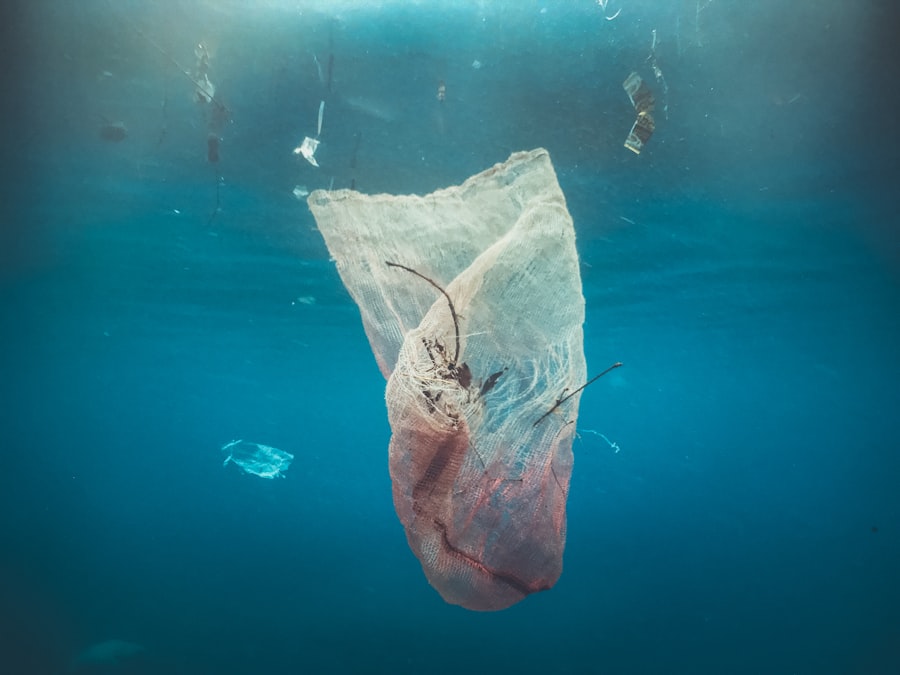
Plastic pollution is not confined to any one region; it is a global crisis that transcends borders. From urban centers overflowing with single-use plastics to remote islands grappling with waste management challenges, the impact of plastic is felt worldwide. Developing countries often bear the brunt of this crisis, as inadequate waste management systems lead to increased littering and pollution in natural environments.
The global nature of plastic pollution necessitates international cooperation and collaboration. Countries must work together to develop policies that address production, consumption, and waste management practices. Initiatives such as international treaties aimed at reducing plastic waste are essential for fostering a collective response to this crisis.
By recognizing that plastic pollution is a shared challenge, nations can pool resources and knowledge to implement effective solutions.
The Consequences of Inaction
The consequences of inaction regarding plastic pollution are dire and far-reaching. If current trends continue, projections indicate that by 2030, there could be more plastic than fish in the oceans by weight. This alarming statistic underscores the urgency of addressing plastic waste before it reaches a tipping point from which recovery may be impossible.
The degradation of marine ecosystems will have cascading effects on global fisheries, threatening food security for millions who rely on seafood as a primary source of protein. Moreover, inaction perpetuates social inequalities as marginalized communities often bear the brunt of environmental degradation caused by plastic pollution. These communities may lack access to clean water and healthy food options due to contaminated environments resulting from improper waste disposal.
The health implications are significant; exposure to toxic chemicals associated with plastics can lead to various health issues, compounding existing disparities in public health outcomes.
Solutions and Initiatives to Combat Plastic Pollution
Addressing plastic pollution requires a multifaceted approach that encompasses policy changes, technological innovations, and community engagement. Governments around the world are beginning to implement bans on single-use plastics and promote recycling initiatives aimed at reducing waste generation. These policies are crucial for shifting societal norms around consumption and encouraging more sustainable practices.
In addition to policy measures, innovative technologies are being developed to tackle plastic waste at its source. Companies are exploring biodegradable alternatives to traditional plastics, while researchers are investigating methods for breaking down plastics into reusable materials. Community-led initiatives also play a vital role in combating plastic pollution; local clean-up events and educational programs empower individuals to take action within their own neighborhoods.
The Power of Visual Storytelling in Documentaries
Visual storytelling is a powerful medium for conveying complex issues like plastic pollution. Documentaries leverage stunning visuals and compelling narratives to engage viewers emotionally and intellectually. By showcasing the beauty of natural environments alongside the stark realities of pollution, filmmakers can create a sense of urgency that resonates with audiences on multiple levels.
The use of visual metaphors—such as juxtaposing images of thriving marine life with scenes of polluted waters—can effectively illustrate the consequences of human actions on the environment. This artistic approach not only captivates viewers but also fosters a deeper understanding of the interconnectedness between human behavior and ecological health. As documentaries continue to evolve as a medium for advocacy, their potential to inspire change remains immense.
The Call to Action: How Individuals Can Make a Difference
While systemic change is essential for addressing plastic pollution, individual actions also play a crucial role in driving progress. Simple lifestyle changes—such as reducing single-use plastics, opting for reusable products, and supporting businesses committed to sustainability—can collectively make a significant impact. Individuals can also engage in advocacy efforts by supporting policies aimed at reducing plastic waste and participating in community clean-up initiatives.
Education is another powerful tool for fostering change at an individual level. By raising awareness about the consequences of plastic pollution within their social circles, individuals can inspire others to adopt more sustainable practices. Social media platforms provide an avenue for sharing information and mobilizing collective action, amplifying voices calling for change across communities.
The Importance of Addressing Plastic Pollution
In conclusion, addressing plastic pollution is not merely an environmental issue; it is a matter of social justice, public health, and global sustainability. The pervasive nature of plastic waste demands urgent action from individuals, communities, governments, and industries alike. Documentaries play an invaluable role in raising awareness about this crisis, shedding light on its complexities while inspiring collective action.
As society continues to grapple with the consequences of its reliance on plastics, it is imperative that all stakeholders come together to forge solutions that prioritize ecological health and social equity. By recognizing the interconnectedness of our actions and their impact on the planet, individuals can contribute to a more sustainable future free from the burden of plastic pollution. The time for action is now; every effort counts in creating a cleaner, healthier world for generations to come.
In recent years, the issue of plastic pollution has garnered significant attention, leading to various investigative documentaries that shed light on its devastating impact on the environment. A related article that delves deeper into the consequences of plastic waste and offers insights into potential solutions can be found at this link. This resource complements the documentary investigation by providing additional context and information on the ongoing efforts to combat plastic pollution.
WATCH THIS! 🚨 THE RECYCLING LIE: How Big Oil Fooled the World for 50 Years 🚨
FAQs
What is plastic pollution?
Plastic pollution refers to the accumulation of plastic objects and particles in the Earth’s environment that adversely affect wildlife, wildlife habitat, and humans. It includes plastic waste found in oceans, rivers, and landfills.
Why is plastic pollution a significant environmental issue?
Plastic pollution is significant because plastics take hundreds of years to decompose, leading to long-term environmental damage. It harms marine life, contaminates food chains, and contributes to the degradation of ecosystems.
What types of plastics are most commonly found in pollution?
Commonly found plastics in pollution include single-use items like plastic bags, bottles, straws, packaging materials, and microplastics, which are tiny plastic particles resulting from the breakdown of larger plastic debris.
How do documentaries help in addressing plastic pollution?
Documentaries raise awareness by educating the public about the sources, impacts, and solutions to plastic pollution. They often inspire behavioral changes, policy discussions, and community actions to reduce plastic waste.
What are some common sources of plastic pollution highlighted in investigations?
Common sources include improper disposal of plastic waste, industrial discharge, littering, fishing gear, and microplastics from personal care products and synthetic clothing.
What solutions are typically proposed to combat plastic pollution?
Solutions include reducing single-use plastics, improving waste management systems, promoting recycling, developing biodegradable alternatives, and encouraging consumer behavior changes.
How does plastic pollution affect marine life?
Marine animals can ingest plastic debris or become entangled in it, leading to injury, starvation, and death. Plastics can also introduce toxic chemicals into marine ecosystems.
Can plastic pollution impact human health?
Yes, plastic pollution can impact human health through the ingestion of microplastics in food and water, exposure to toxic chemicals associated with plastics, and contamination of natural resources.
What role do governments and organizations play in addressing plastic pollution?
Governments and organizations implement regulations, promote research, fund cleanup efforts, and support public education campaigns to reduce plastic pollution and its impacts.
Where can I watch documentaries about plastic pollution?
Documentaries on plastic pollution are available on streaming platforms like Netflix, Amazon Prime, YouTube, and through environmental organizations’ websites. Public libraries and educational institutions may also provide access.