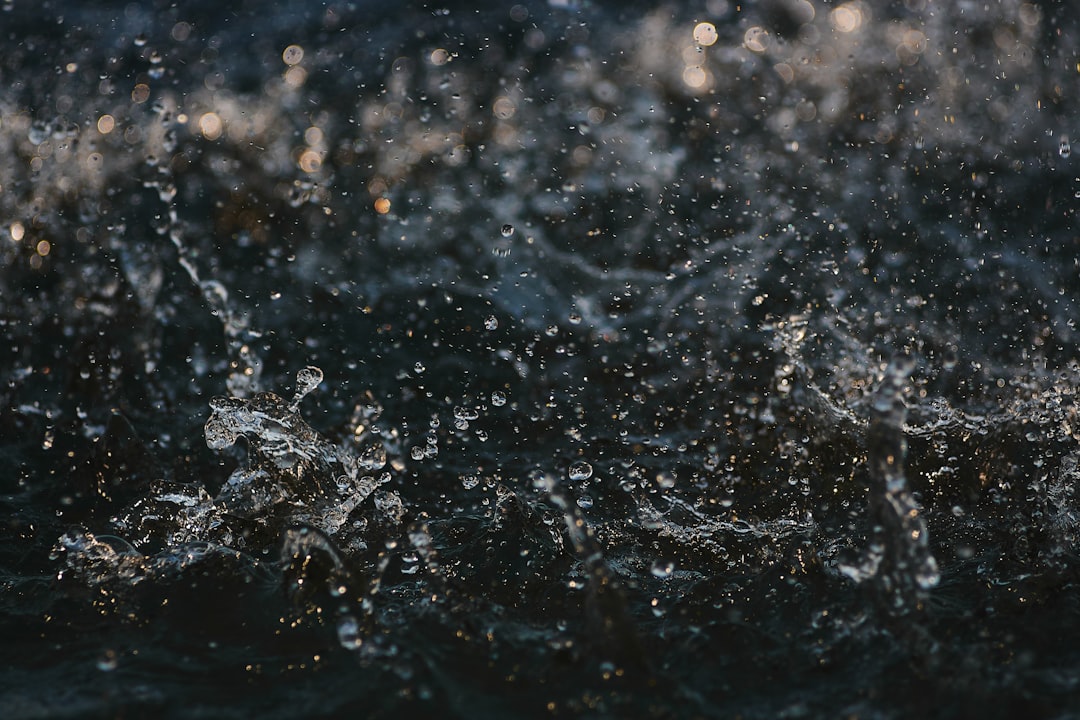
The water cycle, a fundamental natural process, plays a crucial role in sustaining life on Earth. It is a continuous movement of water within the environment, transitioning between various states—liquid, vapor, and ice. This cycle is not merely a series of isolated events; rather, it is an intricate system that connects the atmosphere, land, and bodies of water.
The water cycle is driven by solar energy, which fuels the processes of evaporation and condensation, leading to precipitation and the eventual return of water to the earth’s surface. Understanding this cycle is essential for grasping how ecosystems function and how weather patterns develop. The significance of the water cycle extends beyond mere hydration of plants and animals.
It influences climate, shapes landscapes, and regulates temperature. As water evaporates from oceans, lakes, and rivers, it enters the atmosphere as vapor, where it can condense into clouds and eventually fall back to the surface as precipitation. This dynamic interplay between evaporation and condensation is vital for replenishing freshwater sources and maintaining ecological balance.
By exploring the components of this cycle, particularly evaporation and condensation, one can appreciate their roles in both the environment and daily life.
Key Takeaways
- Evaporation and condensation are key processes driving the water cycle, transforming water between liquid and vapor states.
- Various factors like temperature, humidity, and wind influence the rates of evaporation and condensation.
- Evaporation helps move water from surfaces into the atmosphere, while condensation forms clouds and precipitation.
- These processes significantly impact weather patterns and climate by regulating moisture and heat distribution.
- Human activities can alter evaporation and condensation, affecting water availability and environmental balance.
What is Evaporation?
Evaporation is the process by which liquid water transforms into water vapor, a gaseous state. This transformation occurs when molecules at the surface of a liquid gain enough energy to break free from the liquid’s cohesive forces. The energy required for this phase change typically comes from heat sources such as sunlight or warm air.
As temperatures rise, more molecules acquire sufficient energy to escape into the atmosphere, leading to an increase in humidity levels. Evaporation is not limited to large bodies of water; it can also occur from soil, plants, and even small puddles. The rate of evaporation can vary significantly based on several factors, including temperature, surface area, humidity, and wind speed.
For instance, warmer temperatures generally accelerate evaporation because they provide more energy to the water molecules. Similarly, a larger surface area allows more molecules to escape simultaneously. Conversely, high humidity levels can slow down evaporation since the air is already saturated with moisture.
Wind can also enhance evaporation by moving humid air away from the surface of the liquid, allowing more water molecules to escape. Understanding these dynamics is essential for various applications, from agriculture to meteorology.
Factors Affecting Evaporation
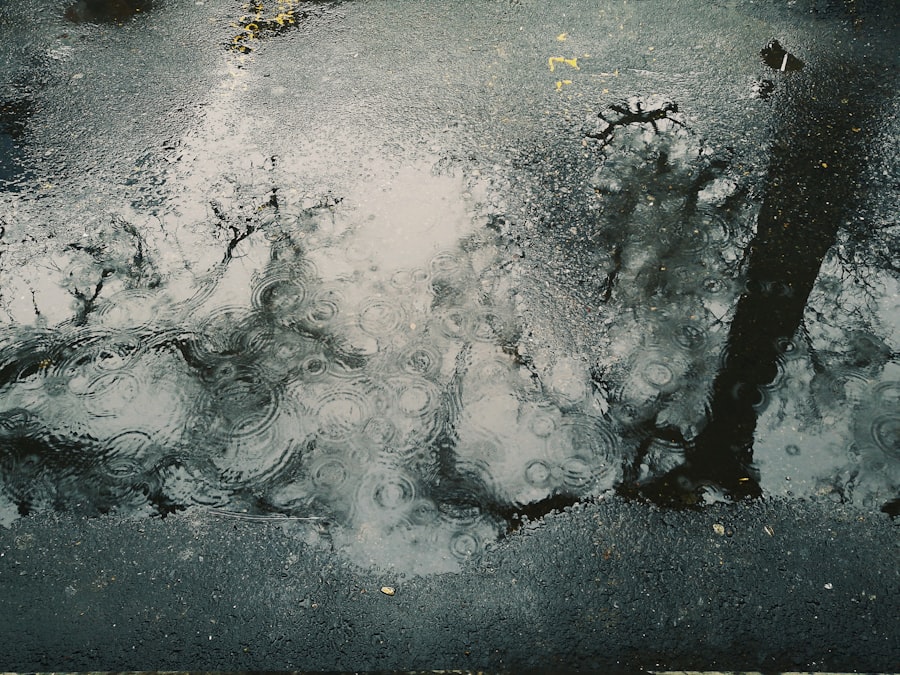
Several environmental factors influence the rate of evaporation, each playing a unique role in this essential process. Temperature stands out as one of the most significant determinants; as temperatures rise, so does the kinetic energy of water molecules. This increase in energy facilitates a greater number of molecules transitioning from liquid to vapor.
In contrast, cooler temperatures can hinder this process, resulting in slower evaporation rates. This relationship highlights why evaporation is often more pronounced during hot summer months compared to cooler seasons. Another critical factor is humidity—the amount of moisture present in the air.
When humidity levels are high, the air becomes saturated with water vapor, which reduces the capacity for additional evaporation to occur. In such conditions, the air’s ability to absorb more moisture diminishes significantly. Additionally, wind speed plays a vital role in enhancing evaporation rates.
Wind can disperse humid air that accumulates above a water surface, allowing drier air to replace it and facilitating further evaporation. These factors collectively create a complex interplay that determines how quickly water evaporates in different environments.
Importance of Evaporation in the Water Cycle
Evaporation serves as a cornerstone of the water cycle, initiating the movement of water from terrestrial and aquatic environments into the atmosphere. This process is essential for replenishing atmospheric moisture, which is necessary for cloud formation and precipitation. Without evaporation, there would be a significant reduction in available freshwater resources, leading to droughts and other ecological imbalances.
The continuous cycle of evaporation ensures that water is redistributed across various ecosystems, supporting plant growth and maintaining biodiversity. Moreover, evaporation plays a critical role in regulating temperature within ecosystems. As water evaporates from surfaces such as lakes and rivers, it absorbs heat from its surroundings, leading to a cooling effect.
This phenomenon is particularly important in urban areas where heat islands can develop due to extensive concrete surfaces. The cooling effect of evaporation helps mitigate temperature extremes and contributes to a more stable climate. Thus, understanding evaporation’s role in the water cycle is vital for managing water resources and addressing climate-related challenges.
What is Condensation?
| Process | Description | Average Rate | Key Factors Affecting Process | Example Location |
|---|---|---|---|---|
| Evaporation | Conversion of water from liquid to vapor form due to heat | 80 cm/year (global average) | Temperature, wind speed, humidity, surface area | Open ocean, lakes, rivers |
| Condensation | Conversion of water vapor back to liquid form forming clouds or dew | Varies; typically matches evaporation to maintain balance | Temperature drop, presence of condensation nuclei, humidity | Cloud formation zones, early morning dew on plants |
Condensation is the process through which water vapor in the atmosphere transforms back into liquid water. This phase change occurs when water vapor cools and loses energy, causing molecules to come together and form droplets. Condensation is a critical component of the water cycle as it leads to cloud formation and precipitation.
It typically occurs when warm air rises and cools at higher altitudes or when humid air comes into contact with cooler surfaces. The formation of clouds is a direct result of condensation. As warm air rises, it expands and cools; when it reaches its dew point—the temperature at which air becomes saturated—water vapor condenses into tiny droplets that cluster together to form clouds.
These clouds can hold significant amounts of moisture until they become heavy enough to release it as precipitation in the form of rain or snow. Thus, condensation not only contributes to cloud formation but also plays an essential role in distributing freshwater across the planet.
Factors Affecting Condensation
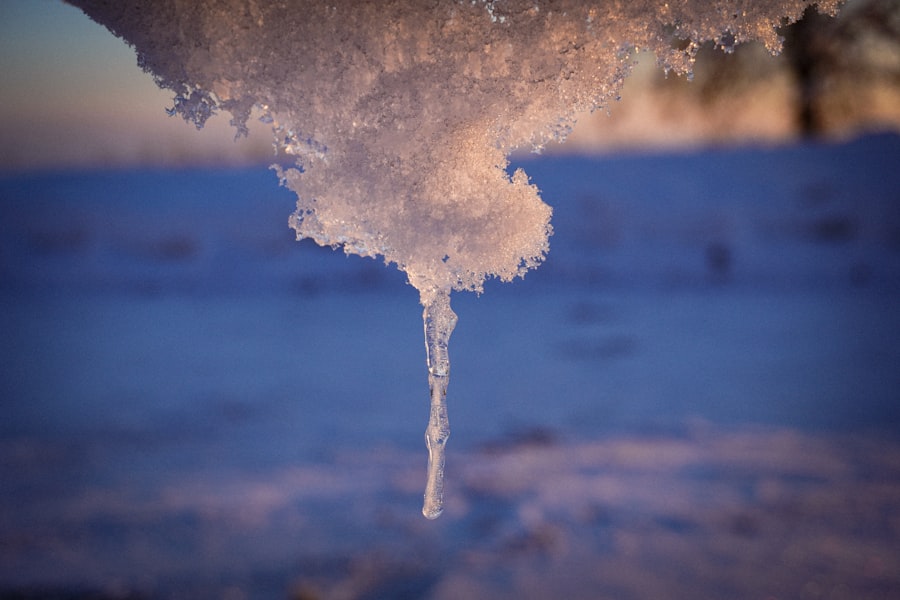
Several factors influence the rate and efficiency of condensation within the atmosphere. Temperature is one of the primary determinants; cooler air holds less moisture than warmer air. As temperatures drop, the capacity for air to retain water vapor decreases, leading to increased condensation rates.
This relationship explains why fog often forms during cooler nights when warm air meets cooler ground surfaces. Humidity also plays a crucial role in condensation processes. High humidity levels indicate that the air is saturated with moisture, making it more likely for condensation to occur when temperatures drop or when warm air rises and cools rapidly.
Additionally, atmospheric pressure can affect condensation; lower pressure allows air to expand and cool more rapidly, promoting condensation processes. Understanding these factors is essential for predicting weather patterns and comprehending how clouds form and evolve.
Importance of Condensation in the Water Cycle
Condensation is vital for maintaining the balance of the water cycle by facilitating cloud formation and precipitation. Without this process, there would be no mechanism for transporting moisture from the atmosphere back to Earth’s surface. The resulting lack of precipitation would lead to severe drought conditions and disrupt ecosystems that rely on regular rainfall for survival.
The formation of clouds can reflect sunlight back into space or trap heat within the atmosphere, affecting local weather conditions. For instance, thick cloud cover can lead to cooler temperatures during the day while retaining warmth at night.
Thus, understanding condensation’s role within the water cycle is crucial for predicting weather patterns and managing natural resources effectively.
The Role of Evaporation and Condensation in Weather Patterns
Evaporation and condensation are intricately linked processes that significantly influence weather patterns across the globe. The continuous cycle of evaporation from oceans and other bodies of water contributes to atmospheric moisture levels, which are essential for cloud formation and precipitation events. When warm air rises due to convection currents or frontal systems, it cools at higher altitudes, leading to condensation and cloud development.
These processes are fundamental in creating various weather phenomena such as rainstorms, hurricanes, and even snowfalls. For example, tropical regions experience intense evaporation due to high temperatures and abundant water sources; this moisture can lead to heavy rainfall or tropical storms when conditions are right for condensation to occur rapidly. Conversely, arid regions may experience limited evaporation due to low humidity levels but can still see sudden rain events if moist air masses move into the area under favorable conditions.
Human Impact on Evaporation and Condensation
Human activities have significantly altered natural processes related to evaporation and condensation over time. Urbanization has led to increased impervious surfaces such as roads and buildings that reduce natural evaporation rates from soil and vegetation while increasing runoff into waterways. This alteration can disrupt local hydrological cycles by reducing groundwater recharge and affecting local climates.
Additionally, climate change poses a significant threat to these processes by altering temperature patterns globally. Rising temperatures can enhance evaporation rates while simultaneously affecting humidity levels in various regions—potentially leading to more extreme weather events such as droughts or heavy rainfall episodes due to rapid condensation processes occurring under changing atmospheric conditions.
Examples of Evaporation and Condensation in Everyday Life
Evaporation and condensation are not just abstract concepts; they manifest in everyday life through various familiar phenomena. For instance, when one steps out of a hot shower into cooler air, they may notice steam condensing on bathroom mirrors—an everyday example of condensation at work as warm vapor meets cooler surfaces. Similarly, puddles left after rain gradually disappear due to evaporation as sunlight warms them throughout the day.
In nature, one can observe these processes during seasonal changes as well; for example, dew forms on grass blades during early mornings when temperatures drop overnight—showcasing condensation occurring as moisture-laden air cools near ground level. Conversely, during hot summer days at beaches or lakesides where people enjoy swimming or sunbathing—evaporation occurs rapidly from both skin surfaces and surrounding waters—demonstrating how these processes are integral parts of daily experiences.
The Importance of Understanding Evaporation and Condensation in the Water Cycle
Understanding evaporation and condensation is crucial for comprehending how the water cycle operates and its implications for life on Earth. These processes are not only fundamental components of hydrology but also play significant roles in shaping weather patterns and climate systems globally. By recognizing their importance within this intricate cycle, individuals can better appreciate how interconnected our environment truly is.
Moreover, awareness of these processes can inform sustainable practices that mitigate human impacts on natural systems—ensuring that future generations inherit a balanced ecosystem capable of supporting diverse life forms while adapting effectively to changing climatic conditions. Ultimately, fostering a deeper understanding of evaporation and condensation empowers individuals to engage with environmental issues meaningfully while promoting stewardship over precious water resources essential for all living beings.
The water cycle is a fundamental process that includes key stages such as evaporation and condensation, which play crucial roles in weather patterns and climate. For a deeper understanding of these processes, you can explore the article on the water cycle available at this link. This resource provides valuable insights into how water transitions between different states and the importance of these changes in our environment.
WATCH THIS! 🌍 They Lied About When Earth Dies 🌍
FAQs
What is the water cycle?
The water cycle is the continuous movement of water on, above, and below the surface of the Earth. It involves processes such as evaporation, condensation, precipitation, and collection.
What is evaporation in the water cycle?
Evaporation is the process where water changes from a liquid state to a gaseous state (water vapor) due to heat from the sun. This process primarily occurs in oceans, lakes, and rivers.
What causes evaporation?
Evaporation is caused by the sun’s heat, which provides energy for water molecules to break free from the liquid surface and become vapor.
What is condensation in the water cycle?
Condensation is the process where water vapor cools down and changes back into liquid water droplets, forming clouds or dew.
How are evaporation and condensation related?
Evaporation turns liquid water into vapor, which rises into the atmosphere. When the vapor cools, condensation occurs, turning it back into liquid droplets that form clouds.
Why is the water cycle important?
The water cycle is essential for distributing water across the planet, supporting all forms of life, regulating climate, and replenishing freshwater sources.
Where does condensation usually occur?
Condensation typically occurs in the atmosphere when warm, moist air rises and cools, leading to cloud formation.
What role do clouds play in the water cycle?
Clouds are formed by condensed water vapor and are responsible for precipitation, which returns water to the Earth’s surface.
Can evaporation happen without sunlight?
Yes, evaporation can occur without direct sunlight, but it happens much more slowly. Heat from other sources or warm air can also cause evaporation.
What factors affect the rate of evaporation?
Temperature, humidity, wind speed, and surface area of the water all influence how quickly evaporation occurs. Higher temperatures and wind speeds increase evaporation rates, while high humidity slows it down.