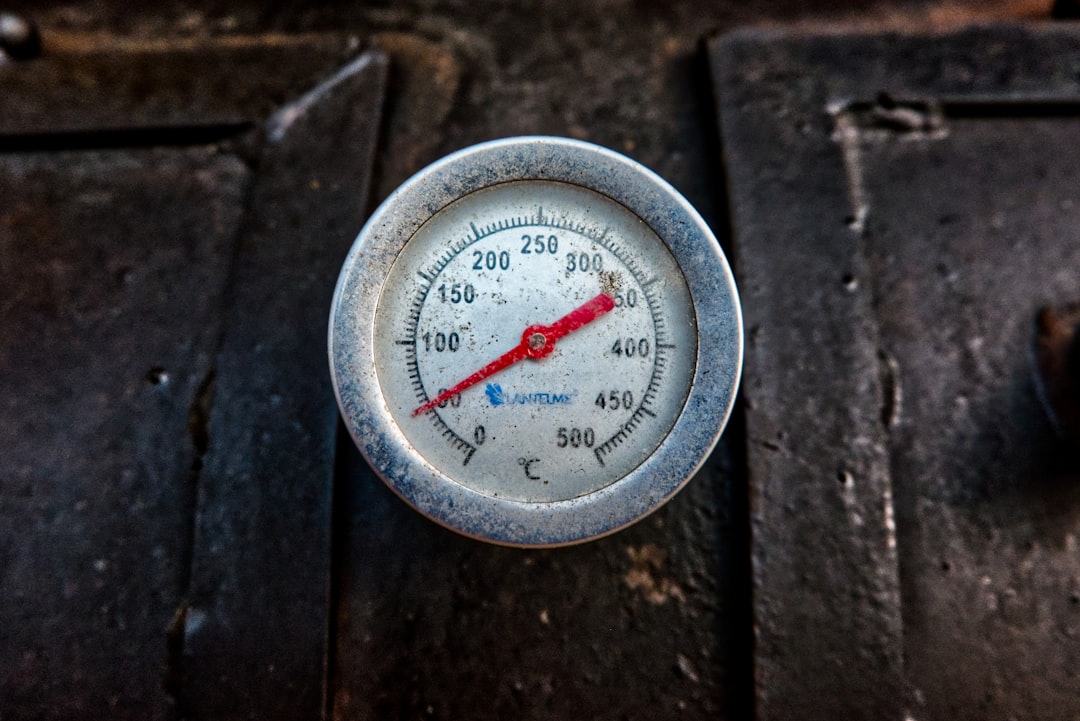
Weathering is a fundamental geological process that breaks down rocks and minerals at the Earth’s surface, leading to the formation of soil and influencing various environmental systems. The rates at which weathering occurs can vary significantly based on a multitude of factors, including climate, rock type, and biological activity. Understanding weathering rates is crucial for geologists, environmental scientists, and ecologists, as these rates play a vital role in shaping landscapes, influencing soil formation, and affecting nutrient cycling.
The interplay between temperature and weathering rates is particularly significant, as temperature fluctuations can accelerate or decelerate the weathering processes.
As climate change continues to alter temperature patterns globally, understanding how these changes affect weathering processes becomes increasingly important.
This article delves into the various factors that influence weathering rates, with a particular focus on the role of temperature. By examining the intricate relationships between temperature and different types of weathering—chemical, physical, and biological—this exploration aims to provide a comprehensive overview of how temperature impacts the weathering landscape.
Key Takeaways
- Weathering rates are influenced by multiple factors, with temperature playing a critical role in chemical, physical, and biological weathering processes.
- Higher temperatures generally accelerate chemical weathering by increasing reaction rates and biological activity.
- Physical weathering is also affected by temperature fluctuations, such as freeze-thaw cycles, which can enhance rock breakdown.
- Experimental and modeling studies help quantify the relationship between temperature and weathering rates, improving predictions under changing climate conditions.
- Understanding temperature’s impact on weathering is essential for assessing future landscape evolution and carbon cycling in the context of climate change.
Factors Affecting Weathering Rates
Weathering rates are influenced by a complex interplay of environmental factors. Among these, climate stands out as one of the most significant determinants. Regions with high rainfall and warm temperatures typically experience accelerated weathering due to increased chemical reactions and physical processes.
Conversely, arid regions with low precipitation and cooler temperatures tend to exhibit slower weathering rates. The mineral composition of rocks also plays a crucial role; some minerals are inherently more resistant to weathering than others. For instance, quartz is known for its durability, while feldspar weathers more readily into clay minerals.
In addition to climate and mineral composition, biological factors contribute to weathering rates as well. The presence of vegetation can enhance weathering through root expansion and organic acid production, which can break down minerals more effectively. Microorganisms in the soil also play a pivotal role in chemical weathering by secreting acids that facilitate mineral breakdown.
Furthermore, human activities such as mining, construction, and land use changes can significantly alter natural weathering processes, either accelerating or inhibiting them depending on the context.
Temperature Dependence in Weathering
Temperature is a critical factor in determining the rate of weathering processes. As temperatures rise, the kinetic energy of molecules increases, leading to more frequent and intense interactions among minerals and water. This heightened activity can accelerate both chemical and physical weathering processes.
For example, in warmer climates, chemical reactions that lead to the dissolution of minerals occur at a faster rate due to increased molecular movement. This phenomenon is particularly evident in tropical regions where high temperatures and humidity create optimal conditions for rapid weathering. Conversely, lower temperatures can slow down these processes significantly.
In colder climates, the rate of chemical reactions decreases, leading to reduced weathering rates. Additionally, physical weathering processes such as freeze-thaw cycles become less effective in consistently cold environments where temperatures remain below freezing for extended periods. Thus, temperature not only influences the speed of weathering but also determines which types of weathering processes dominate in a given environment.
The Role of Temperature in Chemical Weathering
Chemical weathering is primarily driven by chemical reactions between minerals and environmental agents such as water and acids. Temperature plays a pivotal role in this process by affecting reaction rates. Higher temperatures generally enhance the solubility of minerals and increase the rate at which chemical reactions occur.
For instance, in warm and humid environments, minerals like calcite dissolve more readily in water, leading to significant changes in rock composition over time. Moreover, temperature influences the availability of water, which is essential for many chemical weathering reactions. In regions where temperatures are consistently high, evaporation rates can also increase, potentially leading to higher concentrations of dissolved ions in water bodies.
This concentration can further accelerate chemical reactions that contribute to weathering. In contrast, cooler temperatures may limit the availability of liquid water or slow down the necessary reactions, resulting in diminished chemical weathering rates.
The Impact of Temperature on Physical Weathering
| Temperature (°C) | Weathering Rate (mm/year) | Activation Energy (kJ/mol) | Reference |
|---|---|---|---|
| 5 | 0.01 | 50 | White & Brantley, 2003 |
| 15 | 0.03 | 50 | White & Brantley, 2003 |
| 25 | 0.09 | 50 | White & Brantley, 2003 |
| 35 | 0.27 | 50 | White & Brantley, 2003 |
| 45 | 0.81 | 50 | White & Brantley, 2003 |
Physical weathering involves the mechanical breakdown of rocks without altering their chemical composition. Temperature plays a significant role in this process through mechanisms such as thermal expansion and contraction. When rocks are subjected to high temperatures during the day and cool down at night, they expand and contract repeatedly.
This cyclical process can create stress within the rock structure, leading to fractures and eventual disintegration over time. Additionally, temperature influences freeze-thaw cycles that are particularly effective in colder climates. Water that seeps into cracks in rocks can freeze when temperatures drop, expanding as it turns into ice.
As temperatures rise again and the ice melts, this process can repeat multiple times throughout a season, leading to significant physical weathering. Thus, temperature not only affects the rate at which physical weathering occurs but also determines the mechanisms through which it operates.
Temperature’s Influence on Biological Weathering
Biological weathering is another critical component of the overall weathering process and is heavily influenced by temperature. Organisms such as plants, fungi, and bacteria contribute to the breakdown of rocks through various mechanisms. For instance, plant roots can penetrate cracks in rocks and exert pressure as they grow, leading to physical disintegration.
Additionally, many plants release organic acids into the soil that can chemically alter minerals. Temperature affects biological activity significantly; warmer conditions generally promote higher rates of biological processes. In temperate and tropical regions where temperatures are conducive to plant growth and microbial activity, biological weathering tends to be more pronounced.
Conversely, in colder climates where temperatures inhibit biological activity, the rates of biological weathering are often reduced. This relationship highlights how temperature not only influences physical and chemical processes but also shapes the biological landscape that contributes to weathering.
Case Studies on Temperature and Weathering Rates
Numerous case studies have illustrated the relationship between temperature and weathering rates across different geographical regions. For example, research conducted in tropical rainforests has shown that high temperatures combined with abundant rainfall lead to exceptionally high rates of chemical weathering. In these environments, minerals such as feldspar rapidly convert into clay minerals due to intense chemical reactions facilitated by warm temperatures.
In contrast, studies in polar regions have demonstrated how low temperatures significantly slow down both chemical and physical weathering processes. In these areas, permafrost limits water availability for chemical reactions while also inhibiting biological activity that could otherwise contribute to weathering. These contrasting case studies underscore the importance of temperature as a key variable influencing weathering rates across diverse ecosystems.
Experimental Studies on Temperature Dependence
Experimental studies have been instrumental in quantifying the effects of temperature on weathering rates under controlled conditions. Laboratory experiments often simulate various temperature scenarios to observe how different minerals respond to changes in thermal conditions over time. For instance, researchers have conducted experiments on mineral samples exposed to varying temperatures while measuring rates of dissolution or physical breakdown.
These studies have provided valuable insights into the kinetics of weathering reactions and have helped establish empirical relationships between temperature and weathering rates. By understanding these relationships through experimental data, scientists can better predict how changes in global temperatures due to climate change may impact natural weathering processes in different environments.
Modeling Weathering Rates and Temperature
Modeling efforts have emerged as a powerful tool for predicting how temperature influences weathering rates across various landscapes. These models often incorporate data from field studies and experimental research to simulate how different climatic scenarios might affect weathering processes over time. By integrating factors such as temperature fluctuations, precipitation patterns, and mineral composition into these models, researchers can create more accurate predictions about future weathering dynamics.
Such modeling efforts are particularly relevant in light of ongoing climate change discussions. As global temperatures continue to rise, understanding how these changes will impact weathering rates becomes crucial for predicting soil formation processes and nutrient cycling within ecosystems. These models not only aid scientific understanding but also inform land management practices and conservation efforts aimed at mitigating the effects of climate change.
Implications for Climate Change
The relationship between temperature and weathering rates carries significant implications for climate change adaptation strategies. As global temperatures rise due to anthropogenic influences, understanding how this will affect natural weathering processes is essential for predicting changes in soil health and ecosystem stability. Increased weathering rates may lead to enhanced nutrient availability in some regions; however, this could also result in increased sedimentation in waterways and potential disruptions to aquatic ecosystems.
Moreover, accelerated weathering could influence carbon cycling by enhancing the sequestration of carbon dioxide through mineral reactions with atmospheric CO2. This aspect highlights the dual role that increased weathering may play—both as a potential mitigator of climate change effects through carbon sequestration and as a contributor to environmental challenges such as soil erosion or altered hydrology.
Conclusion and Future Research Directions
In conclusion, understanding the intricate relationship between temperature and weathering rates is vital for comprehending broader geological and ecological processes. As this article has explored, temperature influences not only chemical and physical weathering but also biological contributions to these processes. The implications of these interactions extend beyond academic interest; they are crucial for addressing real-world challenges related to climate change and environmental management.
Future research directions should focus on refining models that predict how changing global temperatures will impact various types of weathering across different ecosystems. Additionally, interdisciplinary approaches that integrate geology with ecology could yield deeper insights into how these processes interact within complex environmental systems. As scientists continue to unravel the complexities of weathering dynamics in a changing climate, their findings will be essential for informing sustainable practices that protect both natural resources and human communities alike.
Recent studies have shown that weathering rates are significantly influenced by temperature, highlighting the intricate relationship between climate and geological processes. For a deeper understanding of this topic, you can explore the article on weathering and its environmental implications at this link. This resource provides valuable insights into how temperature variations can accelerate or decelerate weathering processes, ultimately affecting soil formation and landscape evolution.
WATCH THIS! 🌍 They Lied About When Earth Dies 🌍
FAQs
What is weathering in geological terms?
Weathering refers to the natural processes that break down rocks, soils, and minerals at or near the Earth’s surface through physical, chemical, and biological mechanisms.
How does temperature affect weathering rates?
Temperature influences weathering rates by affecting the chemical reaction rates; generally, higher temperatures increase the rate of chemical weathering due to enhanced molecular activity.
Is the relationship between temperature and weathering rates linear?
No, the relationship is often exponential or follows an Arrhenius-type equation, where weathering rates increase exponentially with temperature within certain ranges.
What types of weathering are most sensitive to temperature changes?
Chemical weathering processes, such as hydrolysis, oxidation, and dissolution, are most sensitive to temperature changes, while physical weathering is less directly affected by temperature.
Can weathering rates be used to estimate past climate conditions?
Yes, because weathering rates depend on temperature and moisture, they can provide insights into past climatic conditions when analyzed in geological records.
Do other factors besides temperature influence weathering rates?
Yes, factors such as moisture availability, rock type, surface area, biological activity, and the presence of soil also significantly influence weathering rates.
What is the Arrhenius equation in the context of weathering?
The Arrhenius equation describes how the rate of chemical reactions, including weathering, increases exponentially with temperature, based on activation energy and temperature.
Why is understanding temperature dependence of weathering important?
Understanding this dependence helps in predicting soil formation rates, carbon cycling, landscape evolution, and the long-term climate regulation through silicate weathering feedbacks.
Does temperature affect physical weathering processes like freeze-thaw cycles?
Yes, temperature fluctuations around the freezing point can enhance physical weathering through freeze-thaw cycles, but this is a different mechanism than chemical weathering’s temperature dependence.
Are weathering rates uniform across different climates?
No, weathering rates vary widely depending on local temperature, precipitation, rock type, and biological factors, leading to different rates in tropical, temperate, and polar regions.