
The concept of using animals in warfare is not a new phenomenon; it has roots that stretch back to ancient civilizations. However, the specific application of pigeons as guides for glide bombs emerged during the tumultuous years of World War
The idea was born out of necessity, as military strategists sought innovative ways to enhance the effectiveness of aerial bombardment. The use of pigeons was particularly appealing due to their remarkable homing abilities, which had been harnessed for communication purposes long before the advent of guided munitions. This unique intersection of avian biology and military technology marked a significant chapter in the history of warfare.
As the war progressed, the need for precision in bombing missions became increasingly critical. Traditional bombing methods often resulted in collateral damage and civilian casualties, prompting military leaders to explore alternative solutions. The development of pigeon-guided glide bombs represented a radical shift in thinking, as it combined the natural instincts of pigeons with cutting-edge technology.
This innovative approach aimed to create a more accurate and humane method of delivering explosives to enemy targets, reflecting a broader trend in military strategy that sought to minimize unintended harm while maximizing operational effectiveness.
Key Takeaways
- Pigeons were used in World War II to guide glide bombs to their targets, a little-known but fascinating chapter in military history.
- Pigeon-guided glide bombs were developed as a solution to the problem of accurately hitting targets before the invention of advanced technology.
- Pigeons were trained to peck at a target on a screen, which would then guide the bomb to the desired location.
- While some pigeon-guided bombs were successful, there were also failures due to the unpredictability of the birds’ behavior.
- The use of pigeons in warfare raises ethical concerns and has sparked debates about the treatment of animals in military technology.
The Role of Pigeons in World War II
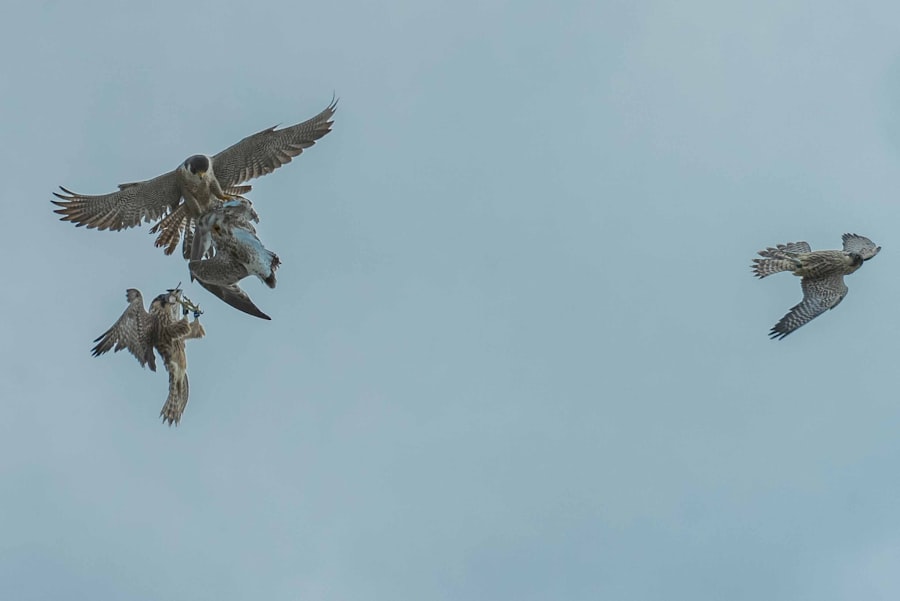
During World War II, pigeons played a multifaceted role that extended beyond mere communication.
Their ability to navigate back to their home lofts made them invaluable assets on the battlefield.
Military units recognized the potential of these birds, leading to the establishment of specialized pigeon corps that trained and deployed them for various missions. The success of these avian messengers underscored their importance in maintaining communication and coordination among troops. In addition to their role as messengers, pigeons were also integrated into more experimental military strategies, including the aforementioned glide bomb program.
Their natural instincts were seen as a potential solution to the challenges posed by aerial bombardment. By utilizing pigeons to guide bombs toward specific targets, military planners hoped to achieve greater accuracy and reduce the risk of collateral damage. This innovative use of pigeons reflected a broader trend during the war, where unconventional methods were explored to gain an advantage over adversaries.
The Development of Pigeon-Guided Glide Bombs
| Year | Development | Outcome |
|---|---|---|
| 1940 | Concept proposed by B.F. Skinner | Initial idea for using pigeons to guide bombs |
| 1943 | Project Orcon initiated by the US Navy | Research and development of pigeon-guided glide bombs |
| 1944 | Successful tests conducted | Demonstrated potential for accurate guidance |
| 1945 | End of World War II | Project discontinued due to technological advancements |
The development of pigeon-guided glide bombs was a complex process that involved collaboration between ornithologists, military strategists, and engineers. The initial concept revolved around creating a bomb that could be released from an aircraft and then guided toward its target by trained pigeons. This required not only an understanding of avian behavior but also advancements in bomb design and aerodynamics.
The goal was to create a system that would allow pigeons to navigate effectively while ensuring that the bombs could be deployed from a safe distance. As research progressed, various prototypes were developed and tested. These early models incorporated mechanisms that would allow pigeons to steer the bomb toward its intended target.
The integration of technology with biological instincts posed unique challenges, but the potential benefits were significant. Military leaders were optimistic about the prospects of this innovative approach, believing it could revolutionize aerial warfare by providing a more precise means of delivering explosives. However, the development process was fraught with difficulties, and it became clear that achieving reliable results would require extensive experimentation and refinement.
How Pigeons were Trained for Guiding Glide Bombs
Training pigeons for their role in guiding glide bombs was a meticulous process that required patience and expertise. The first step involved selecting suitable birds known for their strong homing instincts and adaptability. Once chosen, these pigeons underwent rigorous training regimens designed to enhance their navigational skills and responsiveness to commands.
Trainers employed various techniques, including positive reinforcement, to encourage desired behaviors and ensure that the pigeons could effectively guide the bombs toward their targets. The training process also involved acclimating the pigeons to the specific conditions they would encounter during missions. This included exposure to loud noises, vibrations, and other stimuli associated with aerial bombardment.
Trainers worked diligently to simulate these environments, allowing the birds to become accustomed to the chaos of warfare. The ultimate goal was to create a cadre of highly trained pigeons capable of executing their missions with precision and reliability, thereby maximizing the effectiveness of the glide bomb program.
The Successes and Failures of Pigeon-Guided Glide Bombs

The implementation of pigeon-guided glide bombs yielded mixed results during World War
On one hand, there were instances where these innovative munitions successfully struck their intended targets with remarkable accuracy. The ability of trained pigeons to navigate through challenging conditions demonstrated their potential as effective guides for aerial bombardment. These successes provided military leaders with valuable insights into the capabilities of animal-assisted warfare and opened new avenues for future exploration.
However, the program was not without its failures. Many factors contributed to the challenges faced by pigeon-guided glide bombs, including environmental conditions, technical malfunctions, and the inherent unpredictability of live animals in combat situations. There were instances where pigeons became disoriented or failed to respond as expected, leading to missed targets or unintended consequences.
These setbacks prompted military strategists to reevaluate the feasibility of relying on pigeons for precision bombing and raised questions about the overall effectiveness of this approach in modern warfare.
The Ethical Considerations of Using Pigeons for Warfare
The use of pigeons in warfare raises significant ethical considerations that warrant careful examination. On one hand, proponents argue that employing animals in military operations can lead to more humane outcomes by reducing collateral damage and civilian casualties. By utilizing trained pigeons to guide bombs with greater precision, military planners aimed to minimize harm while achieving strategic objectives.
This perspective highlights a potential ethical advantage in using animal-assisted technology over traditional bombing methods. Conversely, critics contend that subjecting animals to the dangers and stresses of warfare is inherently unethical. The training process itself can be demanding and may expose pigeons to traumatic experiences that could compromise their well-being.
Additionally, there are concerns about the moral implications of using living beings as instruments of destruction, regardless of the intended outcomes. This debate reflects broader discussions about the ethics of animal use in various contexts, prompting military leaders and society at large to grapple with complex moral dilemmas surrounding animal-assisted warfare.
The Legacy of Pigeon-Guided Glide Bombs in Military Technology
The legacy of pigeon-guided glide bombs extends beyond their immediate impact during World War II; it has influenced subsequent developments in military technology and strategy. While the program itself may not have achieved widespread adoption or long-term success, it served as a catalyst for exploring innovative approaches to warfare that integrate biological systems with technological advancements. The lessons learned from this unique intersection have informed subsequent research into animal-assisted technologies and their potential applications in various fields.
Moreover, the concept of utilizing animals in military operations has persisted in different forms throughout history. From dogs used for detection and search-and-rescue missions to dolphins trained for underwater reconnaissance, the legacy of animal-assisted warfare continues to evolve. The exploration of these unconventional methods reflects an ongoing quest for efficiency and effectiveness in military operations while raising important questions about ethics and responsibility in their implementation.
Modern Applications of Animal-Assisted Warfare
In contemporary military contexts, animal-assisted technologies have taken on new dimensions as advancements in science and technology have expanded possibilities beyond what was imagined during World War
Additionally, research into animal behavior continues to inform military strategies aimed at enhancing operational effectiveness. Unmanned aerial vehicles (UAVs) are now often paired with trained animals for reconnaissance missions or surveillance tasks where human presence may be impractical or unsafe. This modern approach reflects an evolution from traditional methods while still acknowledging the potential contributions that animals can make in supporting military objectives.
The Psychological Impact on Pigeons Used in Warfare
The psychological impact on pigeons used in warfare is an area that has garnered limited attention but is nonetheless significant. These birds are subjected to high-stress environments characterized by loud noises, explosions, and chaotic conditions that can profoundly affect their behavior and well-being. While some pigeons may adapt successfully to these challenges through training, others may experience anxiety or distress that could hinder their performance during critical missions.
Understanding the psychological effects on these animals is essential for developing ethical training practices and ensuring their welfare throughout military operations. Researchers have begun exploring ways to mitigate stressors associated with combat environments by implementing more humane training techniques and providing adequate support systems for the birds involved in military activities. This focus on animal welfare reflects a growing recognition within military circles about the importance of considering psychological factors when utilizing animals in warfare.
The Future of Animal-Assisted Military Technology
Looking ahead, the future of animal-assisted military technology is likely to be shaped by ongoing advancements in both biological sciences and engineering disciplines. As researchers continue to explore innovative ways to integrate animal behavior with technological systems, new possibilities may emerge for enhancing operational capabilities while addressing ethical concerns associated with animal use in warfare. Moreover, advancements in artificial intelligence (AI) and robotics may lead to hybrid systems that combine biological instincts with machine precision, potentially reducing reliance on live animals altogether while still achieving desired outcomes in military operations.
This evolution reflects broader trends within society toward finding sustainable solutions that balance effectiveness with ethical considerations—a challenge that will undoubtedly continue as militaries navigate complex landscapes in an ever-changing world.
The Controversy Surrounding Pigeon-Guided Glide Bombs
The controversy surrounding pigeon-guided glide bombs encapsulates broader debates about ethics, efficacy, and innovation within military contexts.
This dichotomy highlights fundamental tensions between technological advancement and ethical responsibility—a theme that resonates across various domains beyond just military applications.
As discussions surrounding animal-assisted warfare continue to evolve, it is crucial for stakeholders—including military leaders, ethicists, scientists, and society at large—to engage thoughtfully with these complex issues. Balancing operational effectiveness with humane treatment requires ongoing dialogue about best practices while considering both historical precedents like pigeon-guided glide bombs and emerging technologies shaping future landscapes in warfare. In conclusion, pigeon-guided glide bombs represent a fascinating intersection between biology and technology within military history—a testament not only to human ingenuity but also an invitation for deeper reflection on our responsibilities toward all living beings involved in such endeavors.
In the fascinating realm of military history, the concept of using pigeons to guide glide bombs stands out as a unique and innovative approach. This idea, part of Project Pigeon during World War II, involved training pigeons to peck at a target image, thereby guiding a bomb to its destination. For those interested in exploring more unusual and intriguing historical facts, you might find the article on Hey Did You Know This particularly enlightening. This page delves into various surprising and lesser-known historical anecdotes, offering a broader perspective on the inventive and sometimes peculiar strategies employed throughout history.
WATCH THIS! The CIA’s Spy Cat and 3 Other Secret Animal Weapons That Almost Won the Cold War
FAQs
What is the concept of using pigeons to guide glide bombs?
The concept involves training pigeons to peck at a target on a screen, which in turn would control the direction of a glide bomb towards the target.
When was the idea of using pigeons to guide glide bombs developed?
The idea was developed during World War II by behaviorist B.F. Skinner and was known as Project Pigeon.
Was the concept of using pigeons to guide glide bombs successful?
The concept was never put into practical use and was eventually abandoned in favor of more advanced guidance systems.
What were the reasons for abandoning the use of pigeons to guide glide bombs?
The development of more reliable and accurate electronic guidance systems made the use of pigeons obsolete for guiding glide bombs.
Are there any other military applications of animal behavior in warfare?
Yes, there have been other attempts to use animals for military purposes, such as using dolphins for mine detection and sea lion for underwater reconnaissance.