Avian warfare, a term that may evoke images of feathered soldiers soaring through the skies, represents a unique intersection of nature and military strategy. Throughout history, birds have played pivotal roles in warfare, serving as messengers, scouts, and even combatants. The utilization of avian species in military operations highlights not only the ingenuity of human beings in leveraging the natural world but also the profound bond between humans and animals.
As technology advances, the role of birds in warfare continues to evolve, raising questions about their future applications and ethical implications. The concept of avian warfare extends beyond mere utility; it embodies a rich tapestry of cultural significance and historical precedent. From ancient civilizations that revered birds as omens to modern militaries employing them for reconnaissance, the relationship between humans and birds in the context of conflict is both fascinating and complex.
This article delves into the multifaceted history of military birds, their training and selection processes, the types of birds utilized, and the ethical considerations surrounding their use in warfare.
Key Takeaways
- Avian warfare has a long history and has been used in various military operations throughout the world.
- Military birds have been trained and selected based on their natural instincts, intelligence, and physical abilities.
- Birds such as pigeons, falcons, and eagles have been used in warfare for communication, surveillance, and even as weapons carriers.
- Advantages of using military birds include their ability to fly in difficult terrain and their natural camouflage, while disadvantages include their vulnerability to enemy attacks.
- Ethical and legal considerations surrounding the use of military birds have become increasingly important in modern warfare, with regulations in place to protect these animals.
History of Military Birds
The history of military birds can be traced back to ancient times when civilizations recognized the potential of avian species in warfare. The use of pigeons as messengers dates back to at least 3000 BCE in Mesopotamia, where they were employed to carry important messages across vast distances. The ancient Greeks and Romans also utilized birds for communication, often relying on trained pigeons to relay critical information during battles.
These early instances of avian warfare laid the groundwork for more sophisticated applications in later centuries. As history progressed, the role of birds in military operations expanded significantly. During World War I and World War II, homing pigeons became invaluable assets for military communication.
They were trained to navigate back to their home lofts from great distances, delivering messages that could mean the difference between life and death for soldiers on the front lines. One notable example is Cher Ami, a pigeon who delivered a crucial message that saved a battalion during World War I, earning recognition for her bravery. Such instances underscore the enduring legacy of military birds throughout history.
Training and Selection of Avian Soldiers
The training and selection of avian soldiers is a meticulous process that requires expertise and dedication. Military birds are typically chosen based on specific traits that enhance their performance in various roles. For instance, homing pigeons are selected for their exceptional navigational abilities, while raptors may be chosen for their hunting instincts and agility.
The selection process often involves evaluating the birds’ physical attributes, temperament, and innate skills. Once selected, these birds undergo rigorous training regimens designed to hone their abilities. Training can include teaching pigeons to recognize specific locations or individuals, as well as conditioning them to respond to commands.
Raptors may be trained to hunt or retrieve objects on command, showcasing their natural instincts while also ensuring they can operate effectively within a military context. The bond between the trainer and the bird is crucial; trust and familiarity can significantly enhance a bird’s performance in high-pressure situations.
Types of Birds Used in Warfare
| Bird Type | Warfare Role |
|---|---|
| Pigeons | Used for carrying messages |
| Falcons | Used for hunting and reconnaissance |
| Crows | Used for detecting mines and explosives |
| Owls | Used for delivering small objects and surveillance |
A diverse array of bird species has been employed in military operations throughout history, each serving distinct purposes based on their unique characteristics. Homing pigeons are perhaps the most well-known military birds, celebrated for their remarkable ability to navigate back to their home lofts from long distances.
In addition to pigeons, raptors such as falcons and hawks have also been utilized in military contexts. These birds are often trained for surveillance and hunting tasks, leveraging their keen eyesight and swift flight capabilities. In some cases, they have been used to intercept enemy drones or other aerial threats, showcasing their adaptability in modern warfare scenarios.
The variety of bird species employed reflects the multifaceted nature of avian warfare and the innovative strategies developed by military forces over time.
Weapons Carried by Military Birds
The concept of arming birds for warfare may seem far-fetched, yet there have been instances where avian soldiers have been equipped with specialized devices or weapons. In some cases, pigeons have been fitted with small cameras to gather intelligence from enemy territory. These aerial reconnaissance missions allowed military forces to obtain valuable information without risking human lives.
Additionally, certain raptors have been trained to carry small payloads or devices that can disrupt enemy operations. For example, falcons have been used to intercept drones by targeting them mid-flight. While these applications are still relatively rare, they illustrate the potential for integrating technology with avian capabilities in modern warfare.
The evolution of weapons carried by military birds reflects ongoing advancements in both avian training techniques and technological innovations.
Communication and Control of Avian Soldiers
Effective communication and control are paramount when deploying avian soldiers in military operations. Trainers often establish a strong bond with their birds through consistent interaction and positive reinforcement techniques.
In addition to verbal commands, visual cues play a significant role in controlling avian soldiers. Trainers may use specific gestures or signals to direct their birds during reconnaissance missions or hunting tasks. The ability to communicate seamlessly with these feathered allies is essential for maximizing their effectiveness on the battlefield.
As technology continues to advance, there is potential for integrating electronic devices that enhance communication between trainers and their avian counterparts.
Advantages and Disadvantages of Using Military Birds
The use of military birds offers several advantages that can enhance operational effectiveness in various contexts. One significant benefit is their ability to navigate difficult terrain and access areas that may be challenging for human soldiers or technology. Birds can fly over obstacles such as mountains or rivers, providing valuable reconnaissance capabilities without drawing attention.
However, there are also disadvantages associated with employing avian soldiers in warfare. One major concern is the vulnerability of these animals to environmental factors such as weather conditions or predation. Additionally, reliance on living creatures introduces ethical dilemmas regarding their treatment and welfare during military operations.
Striking a balance between utilizing their unique capabilities and ensuring their well-being remains a critical consideration for military forces.
Ethical and Legal Considerations
The use of animals in warfare raises important ethical and legal questions that warrant careful examination. Advocates for animal rights argue that employing living creatures in combat situations is inherently exploitative and poses significant risks to their welfare. Concerns about the treatment of military birds during training and deployment highlight the need for stringent regulations governing their use.
International laws regarding animal welfare may also come into play when considering the deployment of avian soldiers. The Geneva Conventions outline protections for animals used in warfare; however, enforcement remains challenging. As militaries continue to explore innovative ways to integrate animals into their operations, it is essential to establish clear ethical guidelines that prioritize the well-being of these creatures while balancing operational needs.
Notable Examples of Avian Warfare in History
Throughout history, there have been numerous notable examples of avian warfare that illustrate the profound impact these creatures have had on military operations. One such example is the story of Cher Ami, a homing pigeon who served with the U.S. Army Signal Corps during World War
Another significant instance occurred during World War II when British forces utilized pigeons extensively for communication purposes. The “Pigeon Service” was established to train thousands of pigeons for military use, resulting in countless successful missions that provided critical intelligence to commanders on the ground. These examples underscore the remarkable contributions made by avian soldiers throughout history and their enduring legacy within military strategy.
Future Developments in Avian Warfare Technology
As technology continues to advance at an unprecedented pace, the future of avian warfare holds exciting possibilities. Researchers are exploring ways to enhance the capabilities of military birds through genetic engineering and advanced training techniques. For instance, scientists are investigating methods to improve homing instincts or increase the intelligence of certain bird species.
Moreover, integrating technology with avian capabilities presents opportunities for innovative applications in modern warfare. The development of lightweight cameras or tracking devices that can be safely attached to birds could revolutionize reconnaissance missions by providing real-time intelligence from unique vantage points. As militaries around the world seek new strategies for addressing evolving threats, the potential for avian soldiers remains an intriguing area of exploration.
Conclusion and Future Implications
In conclusion, avian warfare represents a fascinating chapter in the annals of military history, showcasing humanity’s ability to harness nature’s resources for strategic advantage. From ancient civilizations utilizing birds as messengers to modern militaries employing them for reconnaissance and combat roles, the evolution of avian soldiers reflects both ingenuity and adaptability. As technology continues to advance, the future implications of avian warfare are vast and varied.
While there are undeniable advantages associated with using military birds, ethical considerations surrounding their treatment must remain at the forefront of discussions regarding their deployment. Striking a balance between operational effectiveness and animal welfare will be crucial as militaries navigate this complex landscape. Ultimately, avian warfare serves as a reminder of the intricate relationship between humans and animals throughout history—a relationship that continues to evolve as society grapples with new challenges and opportunities in an ever-changing world.
In recent years, the concept of using animals in military operations has gained significant attention, particularly with the innovative idea of military birds steering weapons. This fascinating approach leverages the natural instincts and capabilities of birds to guide and control weaponry, offering a unique blend of biology and technology. For those interested in exploring more about unconventional military strategies and the role of animals in warfare, a related article can be found on Hey Did You Know This, which delves into various intriguing and lesser-known facts about military advancements and tactics.
WATCH THIS! The CIA’s Spy Cat and 3 Other Secret Animal Weapons That Almost Won the Cold War
FAQs
What are military birds?
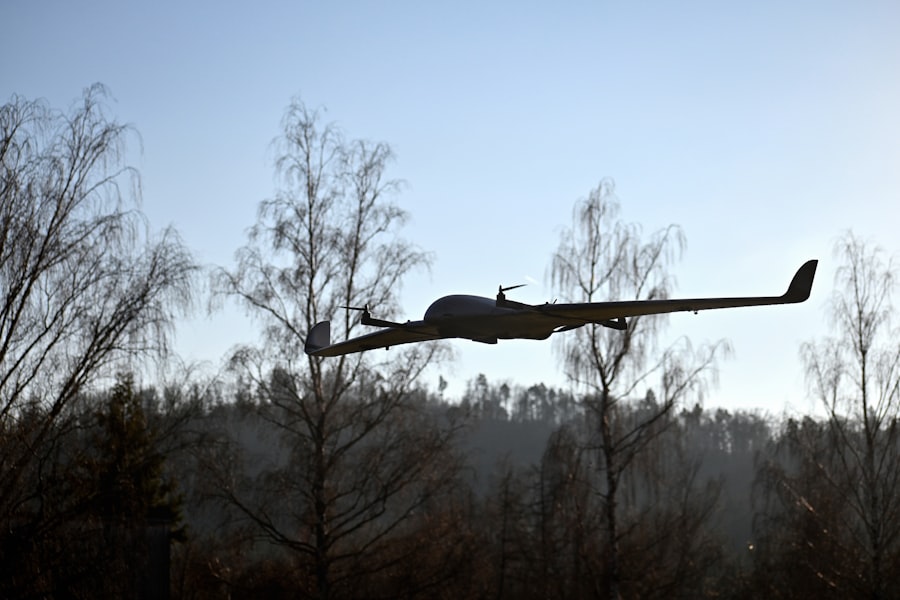
Military birds, also known as military drones or unmanned aerial vehicles (UAVs), are aircraft that are operated without a human pilot on board. They are used for various military purposes, including reconnaissance, surveillance, and carrying and steering weapons.
What types of weapons can military birds steer?
Military birds can steer a variety of weapons, including missiles, bombs, and other guided munitions. These weapons can be used for precision strikes on enemy targets, as well as for defensive purposes.
How do military birds steer weapons?
Military birds are equipped with advanced guidance and control systems that allow them to accurately steer weapons towards their intended targets. These systems can include GPS, laser guidance, and other technologies that enable the precise delivery of weapons.
What are the advantages of using military birds to steer weapons?
Using military birds to steer weapons offers several advantages, including the ability to conduct precision strikes with minimal risk to human pilots, the ability to operate in dangerous or remote areas, and the ability to quickly respond to emerging threats.
Are there any ethical or legal considerations related to the use of military birds to steer weapons?
The use of military birds to steer weapons raises ethical and legal considerations, particularly in terms of civilian casualties and the potential for misuse or abuse of this technology. International laws and regulations govern the use of military drones in armed conflict, and there is ongoing debate about the ethical implications of their use.