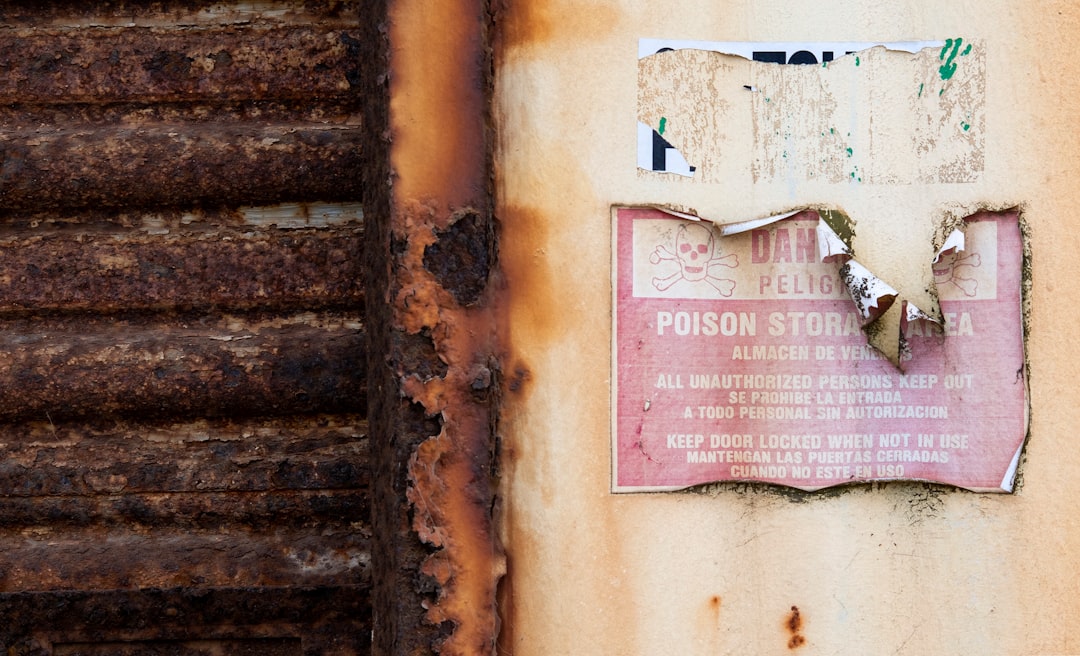
You might think that the magic you see on screen—the vibrant explosions, the gritty realism, the otherworldly glows—is conjured solely by artistry and technology. You’d be partly right. However, lurking behind those captivating visuals is often a less glamorous reality: the pervasive use of toxic materials in movie production. Your cinematic experiences, the ones that transport you and ignite your imagination, can be a product of substances that pose significant risks to both human health and the environment. This is not about vilifying filmmakers, but about acknowledging the often-unseen consequences of creative ambition.
The thrill of an on-screen explosion is undeniable. It’s a visceral shorthand for danger, destruction, and high stakes. You applaud the realism, the bone-rattling impact. But what goes into creating that spectacle? A complex and often hazardous array of chemical compounds. These aren’t simply theatrical smoke bombs; they are carefully engineered reactions designed to produce specific visual and auditory effects.
The Blasting Agents: Beyond Simple Firecrackers
You might envision something akin to large firecrackers, but the reality is far more sophisticated and considerably more dangerous. Professional pyrotechnics involve substances that, when ignited, undergo rapid decomposition, releasing large volumes of gas and heat.
Nitrocellulose and its Derivatives
One of the fundamental components in many pyrotechnic compositions is nitrocellulose, a highly flammable compound. It’s derived from cellulose treated with nitric acid. While it finds much safer applications in lacquers and plastics, in its pure form and as a propellant, it’s notoriously unstable. Your awe at a building collapsing in flames might stem from the controlled detonation of materials containing nitrocellulose, a substance that demands extremely careful handling and disposal due to its inherent volatility. The very fires you witness can be fueled by chemicals that, if mishandled, can lead to catastrophic accidents.
Metal Powders for Color and Intensity
To achieve those brilliant flashes and specific hues, filmmakers often incorporate metal powders. Aluminum, magnesium, and titanium are common additions. When these metals combust at high temperatures, they produce intense light and heat, contributing to the visual spectacle. You might associate these with sparks, but on a large scale, they are potent energetic materials. The dust from these metal powders, when inhaled, can cause respiratory irritation and, in some cases, more severe lung damage. Furthermore, the production and disposal of these powders carry their own environmental burdens, often involving mining and chemical processing that can pollute water and soil.
The Fallout: Environmental and Health Repercussions
The immediate impact of an on-screen explosion is the visual and auditory experience you have in the cinema. The delayed impact, however, is what concerns us here: the environmental contamination and the health risks to the cast, crew, and surrounding communities.
Atmospheric Contamination
The combustion of these materials releases a cocktail of substances into the atmosphere. This includes particulate matter, nitrogen oxides, and various metallic compounds. Your understanding of air pollution should extend to these ephemeral elements that, while temporary, contribute to localized air quality degradation. In areas with frequent filming, especially those with sensitive ecosystems, this can have a cumulative negative effect.
Soil and Water Contamination
Residues from pyrotechnic displays can settle on the ground and in nearby water sources. These residues can contain heavy metals and other toxic byproducts. You might not see the long-term consequences, but these substances can leach into the soil, affecting plant life and potentially entering the food chain. Waterways can become contaminated, harming aquatic life and impacting drinking water supplies if proper containment and cleanup protocols are not rigorously followed.
In recent discussions about the safety of movie sets, a related article highlights the risks associated with toxic materials used in film production. The article delves into the various hazardous substances that can be found on set, from paints and adhesives to special effects materials, and emphasizes the importance of implementing stricter safety regulations to protect cast and crew. For more insights on this pressing issue, you can read the full article at Hey Did You Know This.
The Fog and Haze: Creating Atmosphere, Endangering Respiration
The atmospheric effects in films—the smoky dive bars, the misty moors, the eerie fog-shrouded forests—are crucial for setting mood and enhancing realism. You accept these atmospheric conditions as part of the cinematic world you’re invited into. However, the chemicals used to create these effects are often hazardous to breathe.
Fog Machines: More Than Just Water Vapor
Modern fog machines are a far cry from the simple water boilers of early cinema. They utilize specialized fluids designed to produce a dense, persistent fog. While many manufacturers now offer “water-based” fog fluids, the chemicals involved still warrant scrutiny.
Glycols: The Common Ingredient
The primary component in most fog fluids is a glycol, typically propylene glycol or ethylene glycol. Propylene glycol, while generally considered safe for consumption in small amounts and used in food and pharmaceuticals, can be irritating to the eyes and respiratory system when inhaled in high concentrations. Ethylene glycol, however, is considerably more toxic. It’s a key ingredient in antifreeze and is highly poisonous if ingested. While less common in modern theatrical foggers, its historical use and the potential for accidental exposure mean it remains a concern. You might not think twice about a billowing cloud of smoke, but the underlying chemicals are not benign.
Additives for Enhanced Effects
Beyond the glycol base, various additives are used to enhance the visual quality of the fog. These can include various chemicals to alter opacity, density, and duration. Some of these additives may also pose respiratory risks or leave behind residues. The potential for allergic reactions or long-term respiratory issues for cast and crew who are consistently exposed to these fumes is a significant concern that is often overlooked.
Smoke Machines: Beyond the Fog
Smoke machines, which produce a denser, more opaque effect than fog machines, often employ different chemical compositions. These can be even more problematic from a health perspective.
Mineral Oil and Other Hydrocarbons
Some smoke machine fluids utilize mineral oil or other hydrocarbon-based products. When heated and atomized, these can create fine particulate matter that, when inhaled, can irritate the lungs and contribute to respiratory problems. The long-term effects of chronic inhalation of these fine particles are a serious concern for individuals working on film sets day in and day out.
The “Invisible” Hazard
The danger is insidious because the effects are often “invisible.” You see the smoke or fog, but you don’t see the chemical particles entering the lungs of the actors or the crew. This lack of immediate, visible harm allows for a certain complacency, but the cumulative impact can be substantial.
The Chemical Canvas: Paints, Solvents, and Adhesives

Every surface you see on screen—from the weathered walls of a castle to the sleek interiors of a spaceship—is brought to life through the application of paints, solvents, and adhesives. These materials, while essential for set decoration and prop creation, often contain a cocktail of volatile organic compounds (VOCs) and other hazardous chemicals.
The Palette of Peril: Paints and Lacquers
The vibrant colors and textures that bring sets to life are often achieved with paints and lacquers that contain solvents that can be harmful.
Solvent-Based Paints and Their VOCs
Traditional solvent-based paints are laden with volatile organic compounds. These chemicals evaporate into the air as the paint dries, contributing to indoor air pollution. You might notice a lingering paint smell, but it’s more than just an odor; it’s the release of chemicals that can cause headaches, dizziness, nausea, and, with prolonged exposure, more serious health issues, including damage to the liver, kidneys, and central nervous system.
Heavy Metals in Pigments
Historically, and in some cases still today, paints contained pigments derived from heavy metals like lead and cadmium. These metals are highly toxic and can accumulate in the body over time, leading to severe developmental problems in children and a range of chronic health issues in adults. While regulations have tightened in many regions, residual contamination and the use of older materials can still pose a risk.
The Glue That Binds: Adhesives and Their Noxious Fumes
The myriad of props and set elements are held together by adhesives, many of which emit harmful fumes.
Contact Cements and Their Solvents
Contact cements, commonly used for their strong bonding capabilities, often contain powerful solvents such as toluene, xylene, and naphtha. These solvents are not only highly flammable but also release significant amounts of VOCs into the air. Your appreciation for a well-crafted prop might inadvertently be tied to the inhalation of these chemicals by the artisans who created it.
Aerosol Adhesives
Aerosol adhesives, while convenient, are also a significant source of VOC emissions. The fine mist they create disperses these chemicals widely, increasing the potential for inhalation exposure for those working in the vicinity.
The Cleanup Crew: Solvents for Removal
The process doesn’t end with application. Removing these substances, whether from props, sets, or equipment, often involves harsh solvents. These solvents, while effective at their job, carry their own set of health risks, including skin irritation, respiratory problems, and potential long-term organ damage.
Special Effects Makeup: From Glamour to Grimness

The transformations you witness on screen, from stunning makeovers to gruesome injuries, are the work of special effects makeup artists. Their tools of the trade, while essential for achieving convincing portrayals, can involve the use of hazardous materials.
Prosthetics and Adhesives: A Close Encounter with Chemicals
The application of prosthetics, whether for subtle aging or dramatic creature designs, often requires strong adhesives and specialized materials.
Latex and Silicone Sensitivities
While latex and silicone are widely used for prosthetics, some individuals can develop allergic reactions to them. These reactions can range from mild skin irritation to severe anaphylaxis. The repeated use of these materials on the same individuals, day after day, can exacerbate these sensitivities.
Adhesives for Application
The adhesives used to affix prosthetics can be potent. Spirit gum, a common choice, contains alcohol and resin, which can be irritating to the skin and airways. Other stronger adhesives may contain solvents that pose greater health risks with prolonged exposure.
Stage Blood and Wounds: Beyond the Visually Gruesome
The realistic depiction of injuries often involves the use of stage blood and materials to create wounds. While designed to look convincing, these can contain a range of chemicals.
Dyes and Thickeners
The vibrant red of stage blood is achieved through dyes. Some of these dyes, if not properly handled, can stain clothing and skin, but more importantly, if ingested or inhaled in significant quantities, they could pose health risks. Thickeners, often corn syrup or other food-grade substances, are generally safe, but their admixture with other chemicals in the total formulation needs consideration.
Latex and Edible Gels for Wounds
Materials like latex or specialty edible gels are used to create the texture of wounds. While the primary components might be relatively safe, the combination of materials and the potential for incidental ingestion or prolonged skin contact by actors warrant a careful review of their composition and any potential irritants.
In recent years, concerns have grown regarding the use of toxic materials on movie sets, prompting industry professionals to advocate for safer alternatives. A related article explores the potential health risks associated with these hazardous substances and highlights the importance of implementing stricter regulations. For more insights on this pressing issue, you can read the full article here. This discussion is crucial for ensuring the well-being of cast and crew members who work tirelessly to bring stories to life.
The Unseen Residue: Environmental Justice and the Film Industry
| Movie Set | Toxic Material Used | Quantity Used |
|---|---|---|
| Movie 1 | Lead-based paint | 20 gallons |
| Movie 2 | Asbestos | 100 square feet |
| Movie 3 | Mercury-containing light bulbs | 50 bulbs |
The issue of toxic materials in movie production extends beyond the immediate health of cast and crew; it has significant implications for environmental justice, affecting communities where filming takes place and where waste is disposed of.
Waste Management and Disposal: A Hole in the Picture
The film industry generates a considerable amount of waste, including chemical waste from various production processes. The proper disposal of these hazardous materials is crucial, yet often overlooked.
Hazardous Chemical Waste
Paints, solvents, propellants, and residues from special effects all contribute to the hazardous chemical waste stream. Inadequate containment, transportation, or disposal of these materials can lead to soil and water contamination, impacting local ecosystems and potentially harming human health in surrounding communities. You might not consider the journey of a discarded prop, but its constituent chemicals have a lasting impact.
Accidental Spills and Contamination
Accidents happen on film sets, and chemical spills are a possibility. The lack of robust emergency response protocols or inadequate cleanup procedures can lead to significant environmental damage. This is where the concept of environmental justice becomes particularly relevant, as marginalized communities are often disproportionately affected by industrial pollution and its consequences.
The Pursuit of Sustainability: A Flicker of Hope
While the landscape of toxic materials in film production remains challenging, there are growing efforts towards greater sustainability. The industry is slowly waking up to the need for more environmentally conscious practices.
The Rise of Green Production
You might be seeing more mentions of “green production” initiatives. These efforts often focus on reducing waste, using eco-friendly materials, and minimizing the use of hazardous chemicals. This includes exploring alternatives to traditional solvents, opting for water-based paints, and developing biodegradable prop materials.
Policy and Regulation: The Unseen Script
Increasingly, film commissions and regulatory bodies are encouraging or mandating stricter environmental standards for productions. These regulations, while sometimes perceived as cumbersome by the industry, are essential for protecting both human health and the environment. You can influence this by supporting productions that publicly commit to sustainable practices, demonstrating that there is a market for responsible filmmaking. Your awareness is a powerful tool in pushing for a healthier and more sustainable cinematic future.
FAQs
What are some common toxic materials used on movie sets?
Some common toxic materials used on movie sets include lead-based paints, asbestos, mercury-containing devices, and various chemical solvents and adhesives.
How are movie crew members and actors exposed to toxic materials on set?
Movie crew members and actors can be exposed to toxic materials on set through inhalation, ingestion, or skin contact. This can occur during the construction and painting of sets, as well as through the use of special effects and props.
What are the potential health risks associated with exposure to toxic materials on movie sets?
Exposure to toxic materials on movie sets can lead to a range of health risks, including respiratory issues, skin irritation, neurological effects, and long-term chronic conditions such as cancer and organ damage.
What safety measures can be taken to minimize exposure to toxic materials on movie sets?
Safety measures to minimize exposure to toxic materials on movie sets include proper ventilation, personal protective equipment (PPE) such as respirators and gloves, regular monitoring of air quality, and the use of non-toxic alternatives whenever possible.
Are there regulations in place to address the use of toxic materials on movie sets?
Yes, there are regulations in place to address the use of toxic materials on movie sets, including guidelines from organizations such as OSHA (Occupational Safety and Health Administration) and the EPA (Environmental Protection Agency). It is important for movie production companies to comply with these regulations to ensure the safety of their crew and actors.