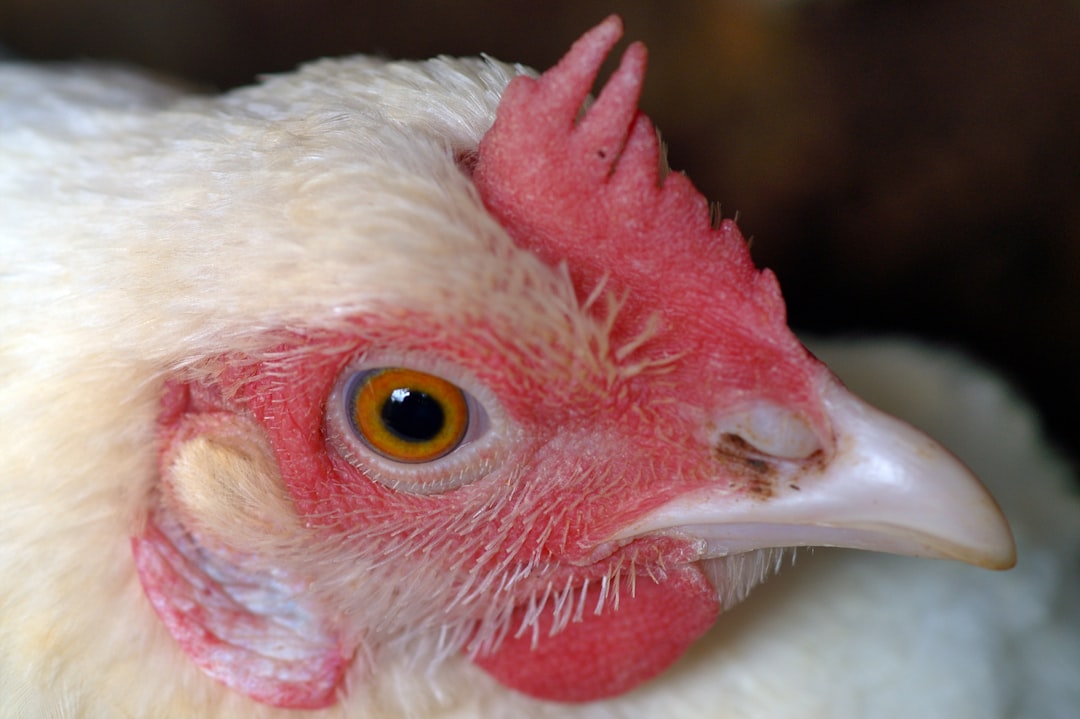
The grocery store’s pale fluorescent lights cast an unflattering glow on the rows of plastic-wrapped poultry. For many consumers, the chicken they purchase is a staple, a versatile protein source. However, unbeknownst to many, a subtle marketing practice exists, one that has earned the moniker “deceptive chicken” among certain consumer advocacy groups. This practice centers on the significant amount of water injected into commercially raised chickens, a process that inflates their weight and consequently, the price consumers ultimately pay.
The practice of injecting birds with saline solutions, often referred to as “enhanced” or “enhanced with up to X% solution,” has become commonplace in the poultry industry. This process, while not inherently illegal, raises questions about transparency and fair pricing for consumers. The primary objective of this injection is to increase the moisture content of the chicken. This results in a visibly plumper bird, which can be perceived as more appealing, suggesting greater freshness and quality. The saline solution typically contains water, salt, and sometimes other additives like phosphates or sugars. These ingredients are designed not only to retain moisture but also to enhance flavor and tenderness.
Understanding “Enhanced” Poultry
The term “enhanced” itself can be misleading. It suggests an improvement or addition of beneficial elements, whereas in this context, it primarily refers to the introduction of a significant volume of liquid. This liquid can constitute a substantial percentage of the bird’s total weight, often ranging from 8% to 15%, and in some cases, even higher. This means that a significant portion of what a consumer is paying for on a per-pound basis is, in fact, water and salt, not the actual chicken meat.
The Role of Phosphates
Phosphates, commonly used in these enhancement solutions, play a crucial role in water retention. They bind to muscle proteins, increasing their capacity to absorb and hold water. This not only contributes to a heavier final product but also helps to prevent the chicken from drying out during cooking, leading to a more succulent outcome. While phosphates are generally recognized as safe for consumption by regulatory bodies, their presence in the enhancement solution further dilutes the actual protein content of the product.
Salt: More Than Just Flavor
Salt is another key ingredient in these solutions. Beyond its role in enhancing flavor, salt acts as a humectant, attracting and holding water. The increased salt content can also contribute to the overall perceived tenderness and juiciness of the chicken. However, for consumers conscious of their sodium intake, this added salt can be an unwelcome surprise, especially when it is not explicitly accounted for in the overall nutritional profile of the product as a primary component by weight.
In recent discussions about the quality of chicken breast, concerns have arisen regarding the practice of retaining water in the meat, which can mislead consumers about its actual weight and value. For a deeper understanding of this issue and its implications for both consumers and the poultry industry, you can read a related article that explores the various aspects of this scam. To learn more, visit this informative article.
The Financial Ramifications: Paying for Water
The most significant concern for consumers regarding water-injected chicken is the financial aspect. Poultry is typically sold by weight. When a considerable portion of that weight is water, consumers are effectively paying a premium for a product that contains less actual chicken meat. This practice, critics argue, is a form of price inflation that preys on consumers’ assumptions about the nature of the product they are purchasing.
The Scale of the Scam
The cumulative effect of this widespread practice can be substantial. Consider a family that purchases several pounds of chicken each week. Over time, the excess cost incurred by purchasing water-laden poultry can add up significantly. This is particularly concerning for lower-income households, where every dollar counts, and where the deception, however subtle, can have a tangible impact on household budgets.
Misleading Marketing and Labeling
The labeling of “enhanced” poultry can be a source of confusion. While regulations often require disclosure, the phrasing can be ambiguous or placed in a manner that is easily overlooked. Terms like “natural juices” or “tasty solutions” can mask the true nature of the additive. This lack of clear, prominent, and easily understandable labeling makes it difficult for consumers to make informed purchasing decisions.
The Impact on Perceived Value
Consumers purchase chicken with the expectation of receiving a certain amount of protein. When a significant portion of what they pay for is not protein but water, the perceived value of the product diminishes. This can lead to a sense of dissatisfaction and distrust towards the brands and retailers involved in this practice.
Tracing the Origins: Industrial Agribusiness and Efficiency
The widespread adoption of water injection in poultry production is deeply intertwined with the economics of industrial agribusiness. In a highly competitive market, producers are constantly seeking ways to maximize efficiency and profitability. The injection of water is seen as a cost-effective method to achieve this.
The Pursuit of Larger Yields
The primary driver behind water injection is the desire for greater yields. A heavier bird, even if partially due to injected water, translates to more product to sell at market price. This practice allows producers to meet demand with fewer birds, potentially reducing feed and other production costs per pound sold.
The Role of Technology
Advanced processing techniques and machinery have made the injection process efficient and scalable. Automated systems can inject large volumes of solution into birds rapidly, making it a practical method for large-scale production facilities. This technological advancement has facilitated the widespread adoption of this practice across the industry.
The Regulatory Landscape
Regulatory bodies, such as the Food Safety and Inspection Service (FSIS) in the United States, do have guidelines regarding the labeling of enhanced poultry. However, critics argue that these regulations are not always sufficient to fully inform consumers or to deter the practice. The onus is often placed on the consumer to decipher the fine print, a task that many may not undertake or have the time to perform.
Identifying Deceptive Chicken: What Consumers Can Do
While the prevalence of water-injected chicken can be disheartening, consumers are not entirely without recourse. By understanding the subtle signs and advocating for clearer labeling, individuals can make more informed choices.
Reading the Label Carefully
The most direct way to identify enhanced chicken is to scrutinize the product label. Look for terms such as “enhanced,” “injected with saline solution,” “added water,” or specific percentages of added ingredients. Often, this information is found in the ingredients list or as a note on the front or back of the packaging.
“Natural Juices” vs. Added Solutions
Be wary of vaguely worded claims like “natural juices.” While some moisture is naturally present, the inclusion of “natural juices” can sometimes be a euphemism for added solutions. The key is to look for explicit disclosure of added water or saline solutions.
The Absence of “Enhanced”
Conversely, chicken labeled as “100% natural,” “minimally processed,” or “unenhanced” is less likely to have undergone this water injection process. These labels typically indicate that the product contains no added solutions.
Exploring Alternative Sources
For consumers seeking to avoid water-injected poultry, exploring alternative sourcing options can be beneficial.
Local Farmers and Farmers Markets
Directly purchasing from local farmers or at farmers’ markets often provides greater transparency. These producers may raise their birds without the use of enhancement solutions and can answer questions about their practices. The connection with the producer can build trust and ensure a higher quality product.
Specialty and Organic Brands
Certain specialty or organic brands may offer unenhanced chicken. While these options might come at a higher price point, they can provide peace of mind for consumers concerned about the water injection issue. Researching brands and their processing methods is recommended.
In recent discussions about the quality of chicken breast, many consumers have raised concerns about the issue of retained water, which can significantly affect both the taste and nutritional value of the meat. This topic has been explored in depth in a related article that sheds light on the various practices used in the poultry industry, revealing how some producers may manipulate water content to increase weight and profit margins. For more insights on this matter, you can read the full article here: retained water in chicken breast scam. Understanding these practices can help consumers make more informed choices when purchasing poultry products.
Advocating for Transparency: A Consumer’s Power
| Chicken Breast | Retained Water (%) | Scam Description |
|---|---|---|
| Brand A | 15% | Falsely labeled as “all natural” but injected with water to increase weight |
| Brand B | 10% | Claims of “juiciness” but actually contains added water to inflate weight |
| Brand C | 20% | Underreported water content to deceive consumers about true product quality |
The issue of deceptive chicken is not solely about individual purchasing habits; it is also a call for greater industry transparency and consumer protection. Collective action and sustained advocacy can influence change.
The Power of Consumer Demand
When consumers actively seek out and support brands that offer unenhanced poultry, they send a clear message to the market. This demand encourages more producers to adopt transparent practices. The collective purchasing power of informed consumers is a potent force for change.
Supporting Consumer Advocacy Groups
Numerous consumer advocacy organizations work to highlight issues like deceptive poultry practices. Supporting these groups through donations or by sharing their information can amplify their message and increase pressure on the industry and regulatory bodies.
Encouraging Clearer Labeling Regulations
Consumers can also make their voices heard by contacting their elected officials and regulatory agencies. Advocating for stricter and clearer labeling requirements for enhanced poultry can ensure that consumers have the information they need to make informed decisions without having to scrutinize every detail of a product’s packaging. The goal is for the presence of added water to be immediately apparent, rather than hidden within complex ingredient lists. The “deceptive chicken” issue highlights a broader concern about the integrity of food labeling and the need for consumers to trust that what they see on the package accurately reflects the contents within.
FAQs
What is the retained water in chicken breast scam?
The retained water in chicken breast scam refers to the practice of injecting chicken breasts with water, salt, and other additives to increase their weight and therefore their selling price. This deceptive practice can mislead consumers and lead to them paying more for lower quality chicken.
How can consumers identify chicken breasts that have been injected with water?
Consumers can identify chicken breasts that have been injected with water by checking the label for any added ingredients. Look for terms like “enhanced,” “flavor injected,” or “brine solution,” which indicate that the chicken has been treated with added water and other substances.
What are the potential health risks associated with consuming chicken breasts that have been injected with water?
Consuming chicken breasts that have been injected with water can lead to an increased intake of sodium and other additives, which may be harmful to individuals with certain health conditions such as high blood pressure or kidney disease. Additionally, the deceptive practice can mislead consumers into thinking they are purchasing higher quality chicken when in fact they are getting a lower quality product.
What are the regulations regarding the injection of water into chicken breasts?
In the United States, the USDA regulates the labeling and packaging of poultry products, including those that have been injected with water. The agency requires that any added solutions be clearly labeled on the packaging, but enforcement of these regulations can vary.
How can consumers protect themselves from falling victim to the retained water in chicken breast scam?
To protect themselves from falling victim to the retained water in chicken breast scam, consumers should carefully read the labels of chicken products and look for any added solutions or ingredients. Additionally, purchasing chicken from reputable sources and asking questions about how the chicken has been processed can help consumers make more informed choices.