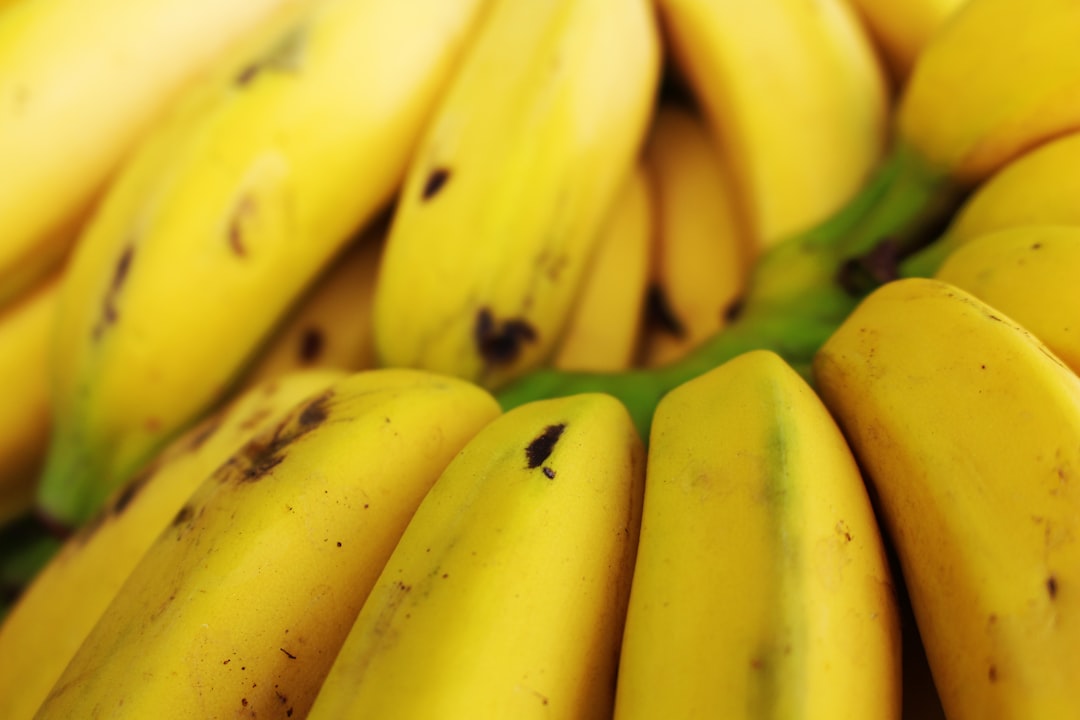
The peculiar phenomenon of synchronous banana ripening, a culinary and scientific enigma, puzzles observers and researchers alike. While individual fruits typically follow their own distinct maturation timelines, entire bunches of bananas, often harvested miles apart, can exhibit remarkable uniformity in their ripening process. This article delves into the observable characteristics of this phenomenon, explores potential contributing factors, examines existing scientific understanding, and discusses the implications and unanswered questions surrounding synchronous banana ripening.
The most striking aspect of synchronous banana ripening is the seemingly coordinated shift in color and texture across a significant number of fruits. It is not uncommon to find bunches of green bananas, indistinguishable in their unripe state, transforming into vibrant yellow within a surprisingly narrow timeframe. This commonality extends beyond a single bunch, often encompassing produce from different farms and even different regions.
From Green to Gold: A Uniform Progression
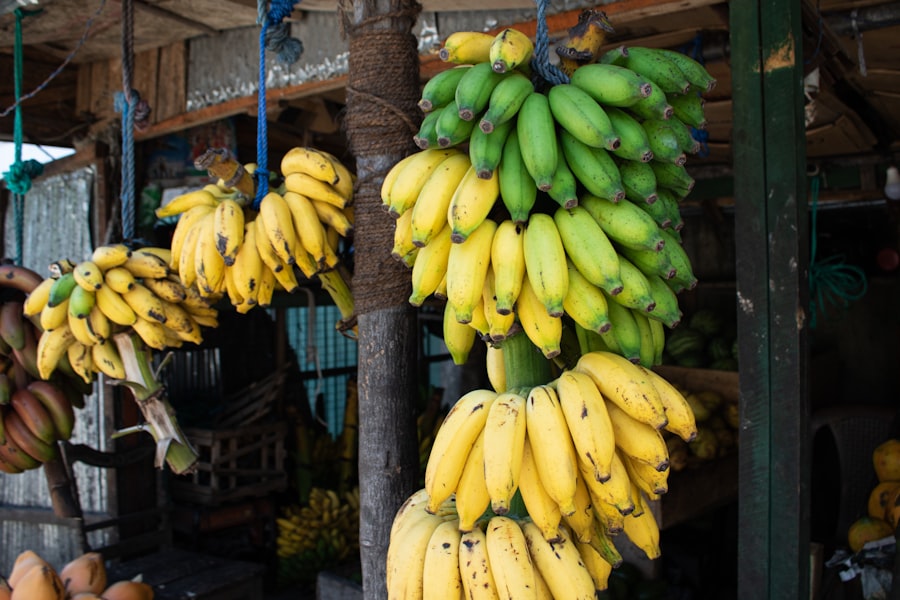
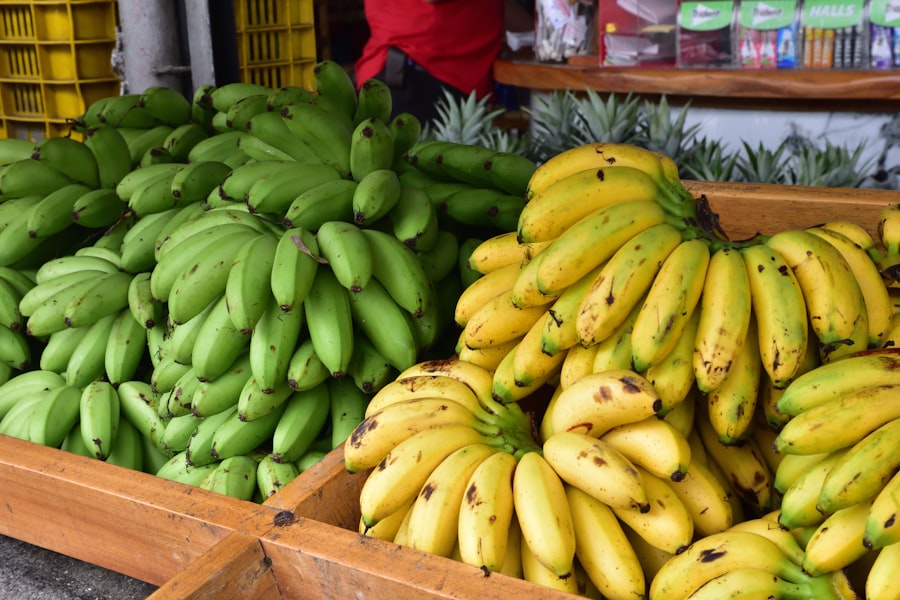
Initially, the bananas present a uniform deep green hue, indicative of high chlorophyll content and starch. This is followed by a gradual breakdown of chlorophyll, revealing the underlying yellow pigments. The speed at which this transition occurs across numerous fruits can be startling. What might typically take days for individual fruit can, in instances of synchronicity, appear as a near-simultaneous transformation across an entire shipment. This uniformity suggests an external influence or a shared internal mechanism operating at a larger scale than individual fruit metabolism.
Texture and Aroma: A Shared Maturation Trajectory
Beyond visual cues, synchronous ripening also manifests in changes to texture and aroma. Unripe bananas are firm and starchy. As they ripen, the starches convert to sugars, leading to a softer texture and the development of characteristic fruity aromas. When synchronous ripening occurs, these sensory changes are also observed in unison across the affected bananas. The firmness decreases, and the sweetness and aroma intensify in a manner that suggests a shared developmental pathway. This collective shift in organoleptic properties is a key indicator of the synchronous nature of the ripening process.
The Scale of Synchronicity: Beyond the Bunch
The mystery deepens when it is recognized that this synchronicity is not limited to a single bunch of bananas. Observations suggest that shipments of bananas, often pooled from multiple sources and transported over considerable distances, can exhibit this synchronized ripening. This implies that factors influencing the ripening process, whether environmental or biochemical, can exert their influence across a broader spectrum than just the immediate proximity of fruits within a single bunch. The logistical complexities of the global banana trade make discerning the origin and propagation of such a synchronized signal a significant challenge.
Bananas are known for their unique characteristic of ripening simultaneously, a phenomenon that can be attributed to the release of ethylene gas. This natural plant hormone triggers the ripening process, causing clusters of bananas to mature at the same time. For more insights into this fascinating topic, you can read a related article that delves deeper into the science behind banana ripening and its implications. Check it out here: Why Do Bananas All Ripen at the Same Time?.
Potential Contributing Factors: Unraveling the Influence
Several factors have been proposed as potential drivers of synchronous banana ripening, ranging from environmental influences to the pervasive role of ethylene gas. Understanding these potential culprits is crucial in demystifying this curious phenomenon.
The Ubiquitous Influence of Ethylene
Ethylene gas (C₂H₄) is a plant hormone that plays a pivotal role in fruit ripening. Bananas, being climacteric fruits, are particularly responsive to ethylene. As fruits begin to ripen, they naturally produce and release ethylene, which in turn accelerates the ripening of neighboring fruits. This autocatalytic process can lead to a cascading effect, where the ripening of one fruit triggers the ripening of others.
Ethylene Production and Sensitivity: A Positive Feedback Loop
The sensitivity of bananas to ethylene increases as they mature. This creates a positive feedback loop: initial ripening accelerates ethylene production, which in turn further accelerates ripening. In a densely packed environment like a banana bunch or a shipping container, the ethylene gas released by even a few ripening fruits can saturate the surrounding atmosphere, triggering a rapid and synchronized ripening response in the majority of the fruit. The concentration and duration of ethylene exposure are therefore critical parameters.
Controlled Atmosphere Ripening: Manipulating the Signal
The commercial ripening of bananas often involves controlled-atmosphere rooms where ethylene gas is introduced to initiate and regulate the ripening process. This industrial practice highlights the profound impact of ethylene. It is plausible that even without direct intervention, natural variations in ethylene production and atmospheric conditions within storage and transportation environments could contribute to observed synchronicity. Accidental accumulation of ethylene from other ripening produce, or minimal ventilation, could inadvertently create an environment conducive to widespread ripening.
Environmental Conditions: Temperature, Humidity, and Atmosphere
Beyond ethylene, other environmental factors play a significant role in fruit ripening. Temperature is a primary determinant of biochemical reaction rates, including those involved in ripening. Humidity can also influence the rate of respiration and water loss, indirectly affecting the ripening process. The composition of the atmosphere, including oxygen and carbon dioxide levels, can also impact the metabolic activity of the fruit.
The Role of Temperature Fluctuations
Consistent and optimal temperatures are generally required for controlled ripening. However, fluctuations in temperature during transport or storage could potentially create a window of opportunity for ripening to accelerate across a cohort of bananas. For instance, a period of warmer temperatures followed by a return to cooler conditions might, in some complex ways, converge the ripening pathways of many fruits. The exact nature of these interactions and how they might lead to synchronicity is not fully understood.
Atmospheric Composition and Respiration
The metabolic state of the bananas, particularly their respiration rate, is influenced by the surrounding atmosphere. High concentrations of carbon dioxide, for example, can slow down respiration and delay ripening. Conversely, a depletion of oxygen can have similar effects. If a batch of bananas experiences a period of altered atmospheric composition during transit, it could potentially reset or homogenize their ripening status, leading to a more synchronized response when they are exposed to normal atmospheric conditions.
Harvest and Handling Practices: Seeding the Synchronicity
The methods employed during harvesting and subsequent handling of bananas might also contribute to the observed synchronicity. The stage of maturity at which bananas are harvested is a critical factor. If a large batch of bananas is harvested within a very narrow window of developmental age, they may inherently possess similar physiological readiness for ripening.
Maturity at Harvest: A Prerequisite for Uniformity
Bananas are typically harvested when they are mature but still green. The uniformity of this harvest process, especially for large commercial operations, can predetermine the potential for synchronized ripening. If all fruits are at a statistically similar point on their developmental curve, any subsequent trigger, such as ethylene exposure or a favorable environmental shift, is more likely to elicit a unified response. The meticulous selection of uniformly green fruits aims to ensure consistent quality and predictable ripening in the consumer market.
Post-Harvest Treatments and Storage
Post-harvest treatments, such as washing, waxing, or the application of anti-fungal agents, can also influence the physiology of the banana. The methods and uniformity of these treatments across a shipment could contribute to the overall health and metabolic activity of the fruit, potentially paving the way for synchronized ripening. Similarly, the type of storage and packaging employed can affect ethylene buildup and gas exchange, creating environments that favor or inhibit simultaneous ripening.
Scientific Understanding: The Current State of Knowledge
While the precise mechanisms behind synchronous banana ripening are not definitively established, scientific research has shed light on the fundamental processes governing fruit maturation and the influence of various factors.
The Biochemistry of Ripening: A Cascade of Changes
Banana ripening is a complex biochemical process driven by a series of enzymatic reactions. These reactions are responsible for the conversion of starches to sugars, the softening of the flesh, the development of aroma compounds, and the degradation of chlorophyll. The genes responsible for these enzymatic activities are activated and regulated during the ripening process.
Enzyme Activity and Gene Expression
The coordinated expression of genes involved in ripening is a key aspect of fruit development. While individual fruits have their own genetic programs, external triggers can influence the timing and intensity of gene expression. Research has identified numerous genes that are upregulated during banana ripening, encoding enzymes like amylases (for starch breakdown), pectinases (for cell wall softening), and esterases (for aroma production). The synchronized activation of these genetic pathways across multiple fruits is a central question.
Hormonal Regulation: Beyond Ethylene
While ethylene is the primary ripening hormone, other plant hormones, such as abscisic acid (ABA), also play a role in fruit maturation. The interplay between these hormones, and how their levels might be synchronized across a population of bananas, is an area of ongoing investigation. ABA, for instance, can influence the sensitivity of fruits to ethylene.
The Role of Respiration and Metabolism
Fruit respiration, the process by which fruits consume oxygen and release carbon dioxide, is intimately linked to ripening. As fruits ripen, their respiration rate typically increases, reflecting the heightened metabolic activity. Synchronous ripening might involve a synchronized increase in respiration rates across a group of bananas.
Mitochondrial Activity and Energy Production
The mitochondria, the powerhouses of the cell, are crucial for providing the energy required for ripening processes. A coordinated increase in mitochondrial activity and ATP production across a batch of bananas could fuel their simultaneous transformation. The efficiency and synchronicity of mitochondrial respiration are therefore potential contributors.
Oxidative Stress and Antioxidant Systems
Ripening is also associated with increased oxidative stress, which is the imbalance between the production of reactive oxygen species (ROS) and the ability of the body to detoxify them. The banana’s antioxidant systems work to mitigate this stress. If these systems are operating at a similar level and respond in concert to ripening triggers, it could contribute to a uniform progression of changes.
Modelling Ripening Dynamics: Towards Predictive Understanding
Scientists are developing mathematical models to understand and predict fruit ripening dynamics. These models incorporate factors such as ethylene concentration, temperature, and initial fruit maturity to simulate the ripening process. While current models often focus on individual fruits or small groups, future developments might extend to bulk behavior and the factors contributing to synchronicity.
Simulation and Prediction: The Quest for Control
The development of robust models could allow for better control of the ripening process in commercial settings. Predicting when an entire shipment will reach a desired stage of ripeness would optimize logistics and reduce waste. The challenge lies in accurately capturing the complex interactions that lead to synchronous ripening.
Identifying Key Variables and Thresholds
These models aim to identify the key variables and their critical thresholds that initiate and drive synchronous ripening. By understanding these parameters, it might be possible to either induce or prevent synchronicity as needed. This could involve precise environmental control or the strategic use of ethylene.
Implications and Challenges: Why Synchronicity Matters
Synchronous banana ripening has significant implications for the agricultural industry, supply chains, and even consumer expectations. Understanding and potentially controlling this phenomenon can lead to improved efficiency and reduced waste.
Commercial Ripening and Supply Chain Management
The commercial ripening of bananas is a carefully orchestrated process. Retailers and distributors strive to ensure that bananas reach consumers at optimal ripeness. Synchronous ripening, when predictable, can simplify this process. However, unexpected synchronicity can lead to challenges.
Optimizing Distribution and Retail Display
If a large volume of bananas ripens simultaneously, it can create a sudden surge in demand for display space and prompt sales. This requires efficient logistics to move the ripened fruit to market and effective merchandising to present it attractively. Conversely, unexpected delayed ripening can lead to stock being held longer than optimal.
Reducing Post-Harvest Losses
A significant portion of fruit loss occurs during post-harvest handling and transport. If bananas ripen too quickly and uniformly, they may spoil before reaching consumers, leading to substantial economic losses. Understanding the drivers of synchronicity can help mitigate these losses through better storage and transport conditions.
Consumer Expectations and Perceptions
Consumers generally expect bananas to ripen consistently. The visual cues of uniform color and texture are important indicators of quality. Synchronous ripening, when it results in a pleasing and predictable appearance, can enhance consumer satisfaction.
The Ideal Banana: Color, Texture, and Aroma
The ideal banana, from a consumer perspective, often exhibits a vibrant yellow color, a firm yet yielding texture, and a sweet aroma. Synchronous ripening can deliver this ideal across an entire bunch, making it more appealing for purchase and consumption.
The Challenge of Over-Ripening
Conversely, if the synchronicity leads to over-ripening, it can result in a large quantity of fruit becoming unsaleable. This not only represents a financial loss but also disappoints consumers who may encounter brown, mushy bananas.
Research and Future Directions: Addressing the Unknowns
Despite advances in our understanding of fruit physiology, several questions surrounding synchronous banana ripening remain unanswered. Future research efforts are crucial to fully unravel this enigma.
Unlocking the Genetic Predispositions
Further investigation into the genetic makeup of different banana varieties and their specific responses to ripening stimuli is warranted. Identifying genetic markers associated with synchronized ripening could lead to more predictable outcomes.
Quantifying Environmental Interaction
More precise quantification of the interactions between various environmental factors – temperature, humidity, atmospheric composition, and ethylene concentration – in inducing synchronous ripening is needed. This could involve sophisticated sensor networks and controlled experimental setups.
Investigating Fungal and Microbial Influences
The role of any subtle fungal or microbial activity on the banana surface, which might be more uniform across a batch under certain conditions, could also be explored. While not overtly visible, these microorganisms can sometimes influence plant physiology.
Have you ever wondered why bananas all ripen at the same time? This phenomenon occurs due to the release of ethylene gas, which triggers the ripening process in surrounding bananas. For a deeper understanding of this interesting topic, you can explore a related article that delves into the science behind fruit ripening and ethylene’s role in it. Check it out here to learn more about the fascinating world of bananas and their ripening secrets.
Unanswered Questions and Future Research: The Horizon of Understanding
| Reasons why bananas all ripen at the same time |
|---|
| 1. Ethylene gas production: Bananas produce ethylene gas as they ripen, and this gas can cause other bananas nearby to ripen as well. |
| 2. Close proximity: Bananas are often packed closely together during transportation and storage, leading to the spread of ethylene gas and simultaneous ripening. |
| 3. Hormonal synchronization: Bananas on the same bunch are all at a similar stage of development, leading to synchronized ripening. |
| 4. Temperature and humidity: Environmental factors such as temperature and humidity can also influence the ripening process, causing bananas to ripen at the same time. |
The mystery of synchronous banana ripening persists due to several complex interactions and a lack of definitive conclusive evidence for any single causal agent. The field is ripe with opportunities for further scientific inquiry to refine existing hypotheses and uncover novel insights.
Delineating the Tipping Point: What Triggers the Cascade?
A fundamental question revolves around identifying the precise “tipping point” or threshold that initiates the synchronous ripening cascade across a large population of bananas. Is it a specific concentration of ethylene, a particular temperature fluctuation, or a convergence of multiple environmental signals? Understanding this trigger is paramount for both inducing and preventing synchronicity.
The Threshold of Ethylene Saturation
While ethylene is a known driver, the exact concentration required to induce rapid synchronous ripening in bananas is not universally defined. Research could focus on determining this critical threshold in various atmospheric conditions and for different banana cultivars. This might involve meticulous monitoring of ethylene levels in controlled environments.
The Cumulative Impact of Environmental Stress
It is possible that a period of mild environmental stress, such as a short-term fluctuation in temperature or humidity during transit, might prime the bananas for a more uniform response to the next ripening stimulus. Investigating the cumulative impact of such stresses and their synergistic effects with ethylene could be a fruitful avenue.
The Spectrum of Synchronicity: Degrees and Variations
Synchronous ripening may not be an all-or-nothing phenomenon. It is likely that there exists a spectrum of synchronicity, with some instances exhibiting near-perfect uniformity and others showing more subtle degrees of coordinated ripening. Research into quantifying these variations and the factors that influence the degree of synchronicity would be valuable.
Measuring and Categorizing Synchronicity
Developing precise methods to measure and categorize the degree of synchronous ripening would be a significant step. This could involve advanced imaging techniques to assess color uniformity, rheological measurements for texture consistency, and gas chromatography for aroma profiling across multiple fruits.
Variations Across Cultivars and Origins
It is conceivable that different banana cultivars possess inherent predispositions to synchronized ripening. Furthermore, the geographical origin and specific cultivation practices might influence this tendency. Comparative studies across diverse banana populations are needed to explore these variations.
The Role of Priming and Acclimation: Preparing for Ripening
The concept of “priming” suggests that fruits might undergo a period of preparation that makes them more receptive to ripening signals. Could bananas be “primed” in a way that renders them uniformly susceptible to ethylene or other ripening triggers? Research into the physiological and molecular changes that occur during such priming could provide crucial insights.
Molecular Signatures of Priming
Investigating the molecular signatures associated with a primed state in bananas might involve analyzing gene expression patterns or hormone profiles. Identifying these markers could help predict which batches of bananas are more likely to exhibit synchronized ripening.
Impact of Pre-Harvest Conditions
The conditions under which the bananas grow on the tree, including light exposure, water availability, and nutrient uptake, could influence their subsequent ripening behavior. Studies examining the pre-harvest environment and its potential to “program” the fruit for synchronized ripening are needed.
Towards Application and Control: Harnessing the Phenomenon
Ultimately, a deeper understanding of synchronous banana ripening could lead to practical applications in the agricultural industry. The goal would be to either reliably induce or prevent synchronicity as needed, optimizing the supply chain and reducing waste.
Inducing Synchronicity for Market Readiness
If synchronous ripening can be reliably induced, it would allow for the efficient scheduling of ripening processes, ensuring a consistent supply of optimally ripened bananas to consumers. This might involve precise control of ethylene and environmental conditions in commercial ripening facilities.
Preventing Synchronicity to Extend Shelf Life
Conversely, in situations where a longer shelf life is desired, methods to prevent or delay synchronous ripening would be invaluable. This could involve developing new packaging technologies or post-harvest treatments that inhibit the spread of ripening signals.
The mystery of synchronous banana ripening, while seemingly a minor quirk of nature, touches upon fundamental principles of plant physiology, environmental influence, and the intricate workings of biological systems. Continued research in this area promises not only to unravel this specific enigma but also to contribute to a broader understanding of fruit development and post-harvest management, ultimately benefiting both producers and consumers.
FAQs
1. Why do bananas all ripen at the same time?
Bananas release ethylene gas as they ripen, which speeds up the ripening process of other bananas nearby. This is known as the “ripening effect” and causes bananas to ripen at a similar rate when stored together.
2. Can bananas ripen at different times if stored separately?
Yes, bananas can ripen at different times if stored separately. Keeping bananas apart can slow down the ripening process, as they are not exposed to the ethylene gas released by other bananas.
3. What factors contribute to the ripening of bananas?
Factors such as temperature, humidity, and exposure to ethylene gas can all contribute to the ripening of bananas. Warmer temperatures and higher humidity levels can accelerate the ripening process, while exposure to ethylene gas can also speed up ripening.
4. How can I slow down the ripening of bananas?
To slow down the ripening of bananas, you can store them in a cooler area with lower humidity and keep them separate from each other. Additionally, you can wrap the stems of the bananas with plastic wrap to reduce their exposure to ethylene gas.
5. Are there any ways to speed up the ripening of bananas?
Yes, you can speed up the ripening of bananas by placing them in a warmer and more humid environment. You can also place them in a paper bag with a ripe fruit, such as an apple or a tomato, to increase their exposure to ethylene gas and accelerate the ripening process.