The Mystery of Pollen-Free Honey
A peculiar anomaly has begun to surface in the world of apiology and culinary science: a substance being colloquially referred to as “pollen-free honey.” While natural honey, by its very definition, is a product of bees collecting nectar from flowers and inadvertently carrying pollen along for the ride, this new phenomenon challenges that fundamental understanding. The existence of honey devoid of this characteristic floral dust raises substantial questions about its origin, composition, and the very processes that create it. Exploring this mystery requires a deep dive into the intricate world of bees, the floral landscape they inhabit, and the scientific methods used to analyze their golden bounty.
To appreciate the enigma of pollen-free honey, it is essential to first grasp the standard production and composition of conventional honey. The journey of honey begins with worker bees, for the most part, female bees responsible for foraging. Their primary task is to visit flowering plants, extracting nectar from the nectaries. This sugary liquid is then stored in a specialized stomach, the honey stomach or crop, where enzymes begin to break down complex sugars into simpler ones.
The Role of Nectar and Its Floral Origins
The nectar itself is a complex aqueous solution, primarily composed of sucrose, glucose, and fructose, with trace amounts of other sugars. Its composition and concentration vary significantly depending on the plant species. Different flowers produce nectar with distinct flavors, aromas, and even colors, all of which contribute to the unique characteristics of the honey produced in a particular region. This floral specificity is a cornerstone of honey classification and appreciation.
The Unavoidable Hitchhikers: Pollen Grains
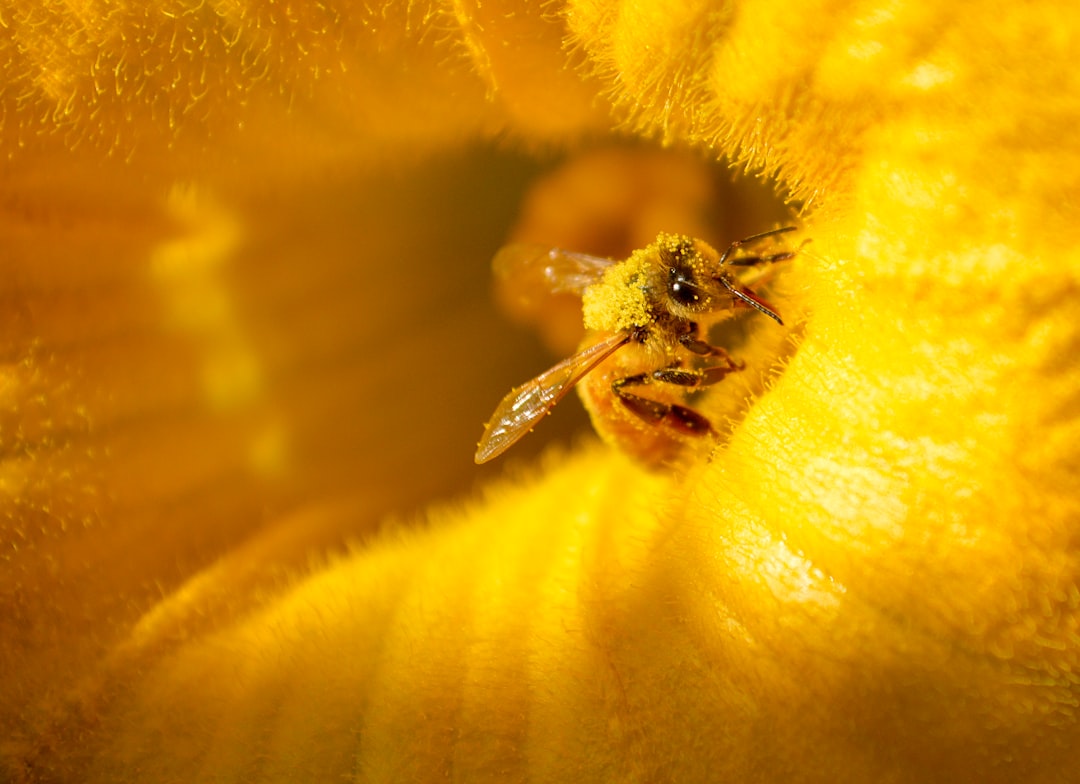
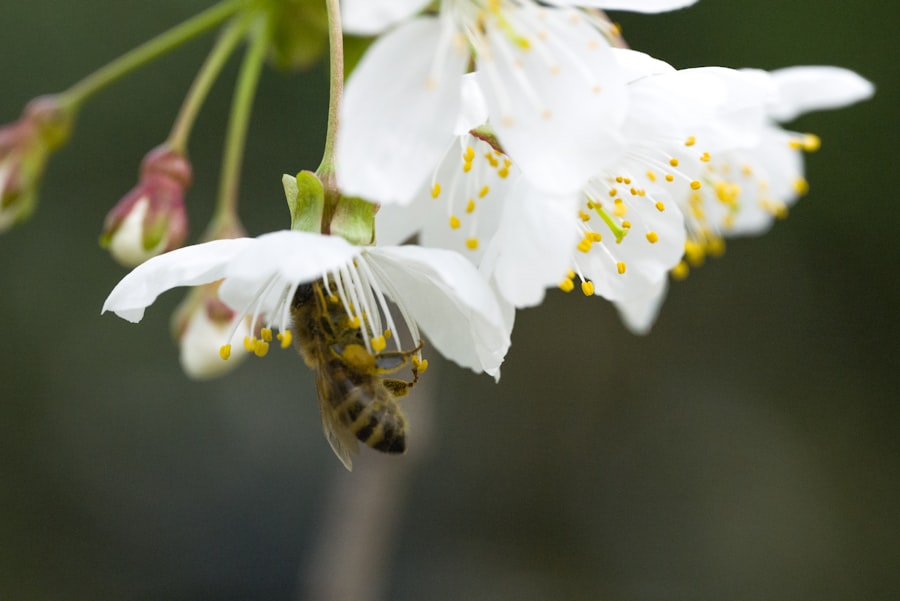
During their foraging excursions, bees are not solely focused on nectar. Their bodies, particularly their fuzzy exteriors and specialized legs, are designed to collect pollen. Pollen, a fine granular substance produced by plants for reproduction, is a vital protein source for bees. As bees move from flower to flower, pollen adheres to their bodies. Some of this pollen is intentionally collected and stored in pollen baskets on their hind legs to be transported back to the hive as “bee bread.” However, a significant amount of pollen inevitably becomes dislodged and mixes with the nectar being ingested or regurgitated by the bee.
The Transformation Within the Hive
Once the nectar is returned to the hive, it undergoes further processing. Forager bees regurgitate the nectar, passing it to house bees who continue to break down complex sugars and reduce the water content through ventilation. This process of evaporation and enzymatic action transforms the watery nectar into the viscous, shelf-stable substance we know as honey. During these stages, the pollen grains that have already been introduced into the nectar mixture remain suspended.
Pollen as a Natural Indicator
The presence of pollen in honey is not merely an incidental byproduct; it serves as a vital indicator of the honey’s origin. Microscopic examination of pollen grains, known as melissopalynology, allows experts to identify the floral sources from which the bees collected their nectar. This analysis is crucial for determining the varietal of honey, its geographical provenance, and even its authenticity. The diversity and quantity of pollen grains can inform consumers about the unique ecosystem the bees inhabited.
Honey is a fascinating substance that often raises questions about its composition, particularly regarding the absence of pollen in the final product. The process of honey production involves bees collecting nectar and pollen from flowers, but during the transformation into honey, much of the pollen is filtered out. This intriguing topic is explored in more detail in a related article that discusses the reasons behind this phenomenon and its implications for honey’s purity and health benefits. For more information, you can read the article here: Why Does Honey Have No Pollen in It?.
The Emergence of the Pollen-Free Anomaly
The concept of pollen-free honey immediately presents a contradiction to this well-established understanding. If pollen is an inherent part of the bee’s foraging process and its subsequent incorporation into nectar, how can honey be produced without it? This question has prompted considerable scientific inquiry and speculation within the beekeeping and food science communities.
Initial Observations and Reports
Reports of honey exhibiting unusually low pollen counts, or even seemingly complete absence, have emerged from various sources. These observations have often been made by meticulous beekeepers paying close attention to their products or by laboratories conducting routine pollen analysis for quality control and origin verification. Many of these initial reports were met with skepticism, as the established scientific consensus firmly linked pollen to honey.
Differentiating from Processed Honey
It is crucial to distinguish this emerging phenomenon from commercially processed honeys that may have undergone filtering or straining processes. Standard filtration can remove larger debris and some impurities, but it is generally not designed to eliminate microscopic pollen grains. However, more aggressive processing techniques, such as ultrafiltration, can indeed remove a significant portion, if not all, of the pollen. This distinction is vital because the mystery lies in honey that is naturally or unexpectedly low in pollen, not in honey that has been artificially stripped.
Scientific Investigations and Early Findings
Initial scientific investigations have focused on rigorously re-examining honey samples that were reported to be pollen-free. These investigations typically involve a multi-pronged approach, utilizing both microscopic analysis to detect pollen grains and advanced analytical techniques to scrutinize the overall chemical composition of the honey.
The Challenge of Microscopic Detection
Microscopic examination of honey samples for pollen grains is a standard, albeit sometimes challenging, procedure. Factors such as the quality of the microscope, the preparation of the sample, and the experience of the analyst can all influence the detection of pollen. Even minute quantities of pollen can be missed if not carefully sought. Therefore, determining the absolute absence of pollen requires exceptionally thorough and meticulous analytical methods.
Advanced Spectroscopic and Chromatographic Techniques
Beyond microscopy, advanced laboratory techniques such as High-Performance Liquid Chromatography (HPLC) and Gas Chromatography-Mass Spectrometry (GC-MS) are employed. These methods can identify and quantify various components of honey, including sugars, amino acids, enzymes, and other organic compounds. While these techniques do not directly identify pollen grains, anomalies in the overall chemical profile might indirectly suggest unusual origins or processing. If a honey sample consistently lacks the expected markers associated with pollen, it strengthens the claim of its pollen-free nature.
Potential Explanations for Pollen-Free Honey
The scientific community has proposed several hypotheses to account for the existence of pollen-free honey. These explanations range from alterations in bee behavior and diet to environmental factors and potentially unconventional hive management practices.
Altered Foraging Behavior
One primary area of investigation concerns potential changes in the foraging behavior of bees. If bees were to exclusively visit plants that produce nectar but very little or no pollen, this could theoretically lead to pollen-free nectar. However, bees are opportunistic foragers, and their natural instinct is to collect both nectar and pollen. It would require a peculiar and highly specific ecological situation to induce such exclusive nectar gathering.
Nectar-Only Producing Plants
There are flowering plants that are primarily nectar producers, with pollen that is too heavy or sticky to be easily collected by bees. However, many of these plants are not widespread enough to account for large-scale production of pollen-free honey. Furthermore, even with these plants, it is difficult for a bee to completely avoid picking up any pollen whatsoever from its environment.
Changes in Bee Diet and Nutrition
Another line of inquiry suggests that changes in the overall diet and nutritional needs of the bee colony might influence their foraging choices. Certain deficiencies or abundant resources within the hive could potentially redirect foraging efforts. However, this remains largely speculative without direct observational evidence linking specific dietary shifts to pollen avoidance.
Environmental and Ecological Factors
The external environment in which the bees operate is another significant factor to consider. Unique ecological conditions or agricultural practices could potentially play a role in the composition of the honey.
Monoculture Agriculture and Specialized Blooms
Vast expanses of monoculture farming, where a single crop dominates the landscape, can create situations where bees are presented with an overwhelming abundance of a specific floral resource. If this specific bloom is known for producing high volumes of nectar and minimal, easily missed pollen, it could contribute to a lower overall pollen count in the resulting honey. However, as with nectar-only plants, achieving a truly pollen-free status would still be challenging.
Extreme Weather Conditions and Pollen Availability
Certain extreme weather patterns might temporarily impact pollen availability. For instance, prolonged periods of heavy rain or drought could affect pollen production and dispersal, potentially influencing what bees encounter. However, such conditions are typically transient and would likely lead to variations in pollen content rather than consistent absence.
Unconventional Hive Management Practices
Beyond natural factors, the possibility of human intervention in hive management must also be considered. While often frowned upon by purists, certain practices could inadvertently or deliberately lead to pollen-reduced honey.
Selective Feeding of Sugar Syrup
Beekeepers provide sugar syrup to supplement the bees’ diet, especially during times of nectar scarcity. If a colony is heavily reliant on sugar syrup and minimal floral sources, the resulting “honey” would naturally have a very low pollen content, or none at all if the syrup is pollen-free. However, this would technically be considered artificial honey or a blend, not pure honey. The mystery relates to honey derived from floral sources.
Artificial Nectar Substitutes
The development and use of artificial nectar substitutes are sometimes employed in research or specific beekeeping scenarios. If bees are primarily fed these substitutes, which by definition would be pollen-free, the resulting product would also be pollen-free. Again, this moves away from the definition of true honey.
Scientific Challenges and Verification
The verification of pollen-free honey presents significant scientific challenges. Establishing definitively that a honey sample is devoid of pollen requires rigorous analysis and a clear understanding of the limitations of current detection methods.
The “Absence of Evidence” Paradox
A fundamental challenge lies in the principle that “absence of evidence is not evidence of absence.” Proving honey is entirely pollen-free is exceptionally difficult. It requires demonstrating that, through exhaustive and meticulously conducted analysis, absolutely no pollen grains can be detected. This is a much higher bar than simply finding a low pollen count.
Standardization of Analytical Methods
A lack of standardized protocols for identifying and quantifying pollen in honey can complicate comparisons between studies and laboratories. Ensuring that all analyses are conducted with the same level of precision and sensitivity is crucial for reliable conclusions. The development of universally accepted standards for pollen analysis in honey would greatly aid in resolving this mystery.
Distinguishing Natural Low Pollen from Processed Samples
One of the most significant scientific hurdles is accurately distinguishing between naturally occurring low pollen honey and honey that has been artificially stripped of its pollen through advanced filtration or processing. This requires careful examination of not only the pollen content but also the overall chemical and physical properties of the honey, which might reveal tell-tale signs of such processing.
Chemical Fingerprinting of Honey
Honey possesses a unique “chemical fingerprint” based on its origin. Advanced analytical techniques can reveal subtle differences in the sugar profiles, enzyme levels, and trace mineral content that might be altered by filtering processes. Comparing the chemical fingerprint of a purportedly pollen-free sample to known profiles of naturally derived honey can help identify artificial manipulation.
Isotopic Analysis for Origin Verification
Isotopic analysis can provide insights into the geographical origin of honey by examining the ratios of different isotopes of elements like carbon and oxygen. If a pollen-free honey sample originates from an area known for specific floral sources, isotopic analysis can help confirm or deny that origin, indirectly supporting or refuting claims about its natural composition.
Honey is a fascinating substance that often raises questions about its composition, particularly regarding the absence of pollen. Many people wonder how honey can be free of pollen despite being produced by bees that collect it. This intriguing topic is explored in detail in a related article that delves into the processes of honey production and the filtering methods used by beekeepers. For more insights on this subject, you can read the article here: why honey has no pollen in it. Understanding these processes not only enhances our appreciation for honey but also sheds light on the remarkable efficiency of bees.
Implications and Future Directions
| Reasons | Explanation |
|---|---|
| Filtering Process | Honey is often filtered to remove impurities, including pollen, to improve its appearance and texture. |
| Consumer Preferences | Many consumers prefer clear honey without visible pollen, leading to the removal of pollen during processing. |
| Regulatory Standards | In some countries, regulations require honey to be filtered to a certain extent, which may result in the removal of pollen. |
The ongoing investigation into pollen-free honey has several potential implications for beekeeping, apiculture research, and consumer understanding of honey. Clarifying this phenomenon could lead to new research avenues and a refined understanding of honey production.
Re-evaluating Honey Purity Standards
The existence of pollen-free honey could necessitate a re-evaluation of current standards for honey purity. If genuine, naturally pollen-free honey can be produced under specific circumstances, it might require a revision of how “pure honey” is defined and tested. This could impact labeling regulations and consumer expectations.
New Avenues for Apiculture Research
This mystery opens up new avenues for apiculture research. Understanding the exact conditions that lead to pollen-free honey could provide valuable insights into bee behavior, nutrition, and environmental influences on hive productivity. It might also lead to novel methods for managing bee colonies and maximizing honey production under specific ecological conditions.
Bee Nutrition and Pollen Foraging
Further research into bee nutrition and the intricate relationship between nectar and pollen foraging could shed light on why bees might alter their collection patterns. Understanding the specific nutritional triggers or deterrents that influence pollen collection could be a key to unraveling this mystery.
The Impact of Specific Floral Landscapes
Detailed studies of floral landscapes characterized by high nectar production and low pollen availability could provide concrete examples of environments where pollen-free honey might naturally occur. Mapping and analyzing such landscapes could confirm or refute some of the prevailing hypotheses.
Consumer Education and Transparency
Ultimately, clarifying the existence and formation of pollen-free honey is crucial for consumer education and transparency. Consumers deserve accurate information about the products they purchase. If pollen-free honey is a distinct category with unique origins, it should be clearly communicated.
Understanding Honey Varietals
The ability to identify honey by its pollen content is fundamental to understanding honey varietals. If pollen can be effectively removed or is naturally absent, the traditional method of identifying honey types based on floral markers would be challenged. This necessitates new approaches to characterizing and marketing honey.
Ethical Considerations in Processing
The ethical implications of honey processing are also brought to the forefront. If pollen is deliberately removed from honey, transparency about the processing methods used becomes paramount, allowing consumers to make informed choices based on their preferences for natural or more heavily processed products.
The mystery of pollen-free honey, while challenging established notions, represents an exciting frontier in apiculture and food science. Through continued rigorous scientific investigation and a commitment to transparency, the truth behind this unusual golden anomaly will undoubtedly come to light, enriching our understanding of the incredible world of bees and their sweet, complex gift.
FAQs
1. What is pollen and why is it important in honey?
Pollen is a fine powder produced by plants and is an important source of nutrients for bees. Bees collect pollen to feed their larvae and also inadvertently transfer pollen from one flower to another, aiding in the process of pollination.
2. Why does some honey have no pollen in it?
Some commercially processed honey may have little to no pollen in it due to the filtration and heating processes it undergoes. These processes are used to improve the honey’s appearance and shelf life, but they can also remove or destroy the pollen.
3. Is honey without pollen still considered real honey?
Yes, honey without pollen is still considered real honey. The absence of pollen does not change the fact that the product is made by bees from the nectar of flowers. However, the lack of pollen may affect the honey’s nutritional and medicinal properties.
4. How can consumers ensure they are getting honey with pollen in it?
Consumers can look for raw or unfiltered honey, as these types of honey are less likely to have undergone processes that remove the pollen. Additionally, purchasing honey from local beekeepers or farmers’ markets can increase the likelihood of getting honey with pollen.
5. What are the potential benefits of consuming honey with pollen?
Honey with pollen may offer additional health benefits compared to pollen-free honey. Pollen is rich in vitamins, minerals, and antioxidants, and consuming it may provide immune-boosting and anti-inflammatory effects. However, more research is needed to fully understand the potential benefits of pollen in honey.