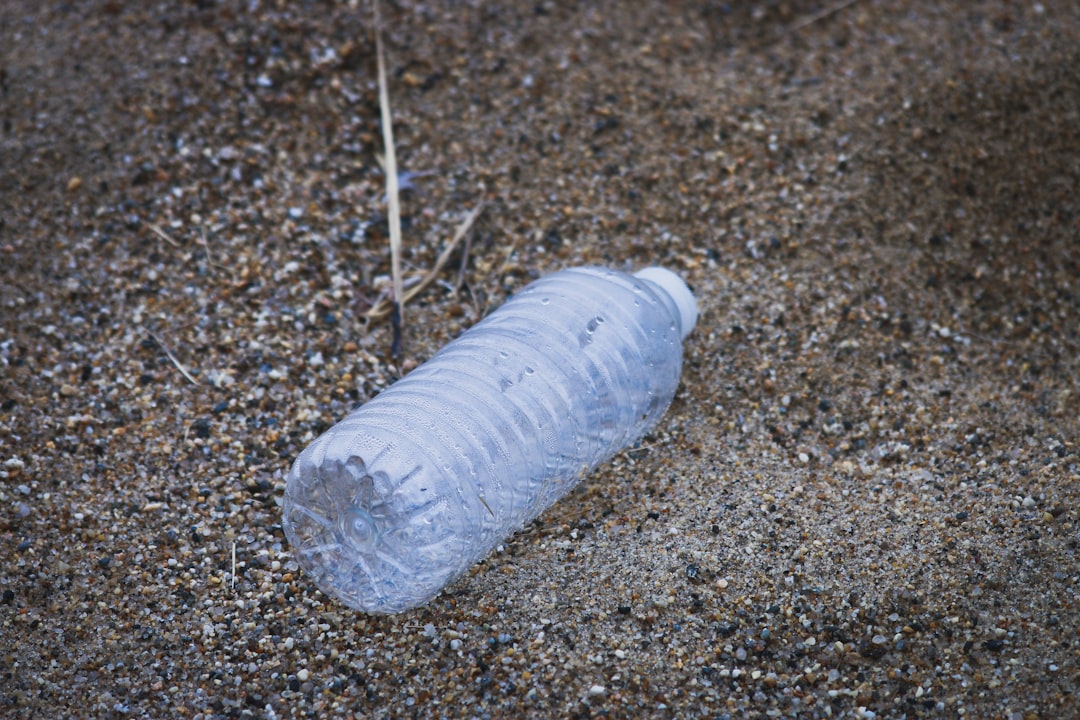
The increasing prevalence of plastic in the environment has extended beyond visible debris, reaching into products intended for consumption. Investigations into bottled water and carbonated beverages have revealed the presence of microplastic particles, raising questions about the implications for public health and the food industry. This article examines the sources, characteristics, measured levels, and potential consequences of microplastic contamination in these widely consumed drinks.
Microplastics, defined as plastic particles less than 5 millimeters in size, can enter beverages through a variety of routes. Understanding these pathways is crucial for developing mitigation strategies.
Manufacturing and Packaging Processes
The production of bottled water and soda involves numerous stages where microplastic introduction is possible.
Raw Material Contamination
The plastic resins used to create bottles, caps, and films can themselves contain microplastic fragments. Imperfect manufacturing processes at the polymer production level can result in small particles being present in the raw materials before they are even formed into packaging. Additionally, the machinery involved in processing these resins can shed plastic dust and fibers.
Water Production and Treatment
For bottled water, the source water itself, depending on its origin and the surrounding environment, may already contain microplastics. Even with rigorous filtration and treatment processes, the effectiveness against all sizes and types of microplastics can vary. The filters themselves, particularly those made of synthetic materials, could be a source of shedding during the filtration process.
Bottling and Filling Lines
The intricate machinery used to wash, fill, and cap bottles can be a significant source of microplastic contamination. The constant friction and movement of plastic components, conveyor belts, and filling nozzles can abrade and release microplastic particles. Water used for cleaning these lines could also introduce microplastics if not adequately filtered.
Packaging Materials
The primary packaging – the bottles, cans, and caps – is the most obvious potential source. The abrasion of plastic bottles during transport, handling, and storage can lead to the formation and shedding of microplastic fragments. Caps, often made of different plastic compositions, are particularly susceptible to degradation and release particles. Secondary packaging, such as plastic shrink wrap, can also contribute through friction and wear.
Environmental Exposure
Beyond the manufacturing environment, beverages are exposed to the wider surroundings.
Storage and Transportation
During transit, bottles and cans are subjected to vibration, temperature fluctuations, and physical stress. This can lead to the degradation of plastic packaging, releasing microplastics. Storage facilities, whether warehouses or retail shelves, can also contribute to this environmental exposure through abrasion and general wear and tear.
Consumer Handling
The act of opening and consuming a beverage can also introduce microplastics. The tearing of seals, the unscrewing of caps, and even the friction of using a straw can all contribute to the release of plastic particles from the packaging.
Leaching from Plastic Components
Certain additives within plastic formulations, such as plasticizers and colorants, can leach out over time, potentially forming or contributing to microplastic particles. This leaching process can be accelerated by factors such as heat and UV light exposure.
Recent studies have highlighted the alarming presence of microplastics in bottled water and soda, raising concerns about their potential health impacts. An insightful article discussing this issue can be found at Hey Did You Know This, which delves into the sources of microplastics and their prevalence in popular beverages during the 2020s. This growing body of research underscores the need for increased awareness and action regarding plastic pollution in our daily consumption.
Characteristics and Types of Microplastics
The microplastics found in bottled beverages are not a monolithic entity. They vary in size, shape, and chemical composition, which influences their behavior and potential impact.
Size and Shape Distributions
The range of microplastic sizes detected can be vast, from the upper limit of 5 millimeters down to microscopic particles that are difficult to observe even with specialized equipment.
Nanoplastics
A subset of microplastics, nanoplastics (particles smaller than 1 micrometer), are of particular concern due to their ability to potentially cross biological barriers. Detection and characterization of nanoplastics are more challenging than for larger microplastics, leading to ongoing research in this area.
Fibers, Fragments, and Beads
The shapes of microplastics are diverse:
- Fibers: These are elongated particles, often originating from textiles and synthetic fabrics, which can be shed during washing or manufacturing.
- Fragments: Irregularly shaped pieces created by the breakdown of larger plastic items.
- Beads: Spherical particles, which can be intentionally manufactured (e.g., in cosmetics, though less common in beverage packaging) or formed through abrasion.
Chemical Composition
The type of plastic polymer used in packaging dictates the chemical makeup of the microplastics.
Polyethylene Terephthalate (PET)
This is the most common plastic used for water and soda bottles. PET microplastics are prevalent and have been identified in numerous studies.
Polypropylene (PP) and Polyethylene (PE)
These polymers are commonly used for bottle caps and some secondary packaging. Their presence indicates diverse origins within the packaging system.
Additives and Contaminants
Beyond the bulk polymer, microplastics can also contain a range of chemical additives, such as stabilizers, colorants, and flame retardants. Furthermore, plastics can adsorb pollutants from the surrounding environment, potentially transferring these contaminants when ingested.
Measured Levels of Microplastics in Bottled Beverages
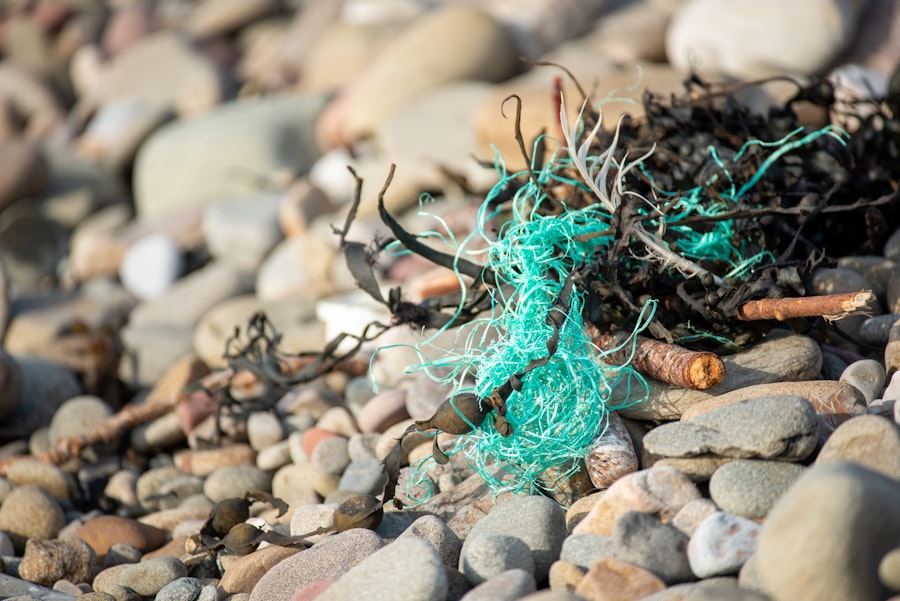
Numerous scientific studies have quantified microplastic levels in various brands and types of bottled water and sodas, revealing a consistent presence of these particles.
Variability Across Brands and Types
Research indicates that the concentration of microplastics can differ significantly depending on the brand, the type of beverage (carbonated versus still), and even the geographic origin of the product.
Sparkling Water vs. Still Water
Carbonated beverages often exhibit higher microplastic concentrations. The carbonation process itself, involving the injection and dissolution of carbon dioxide under pressure, could contribute to the fragmentation of plastic components within the bottling machinery or the bottle itself. The increased turbulence and pressure changes associated with carbonation may facilitate the release of particles.
Local vs. Imported Products
Some studies have suggested potential differences in microplastic levels between locally sourced and imported bottled beverages. This could be related to variations in manufacturing standards, environmental conditions at the source, or differences in transportation and storage practices.
Detection and Quantification Methods
Accurate measurement of microplastics requires sophisticated laboratory techniques.
Spectroscopic Analysis (FTIR, Raman)
Techniques like Fourier-transform infrared spectroscopy (FTIR) and Raman spectroscopy are essential for identifying the chemical composition of detected particles, confirming they are indeed plastic and what type of polymer they are made from.
Microscopy and Particle Counting
Optical microscopy is used to visualize and count particles of a certain size range. However, for smaller particles, electron microscopy might be employed. Automated particle imaging systems are also being developed to improve efficiency and accuracy.
Challenges in Measurement
Accurate quantification is challenging due to the minute size of some particles, the complexity of beverage matrices, and the potential for contamination from laboratory equipment and reagents. There is a need for standardized methodologies to ensure comparability across different studies.
Health Implications and Potential Risks
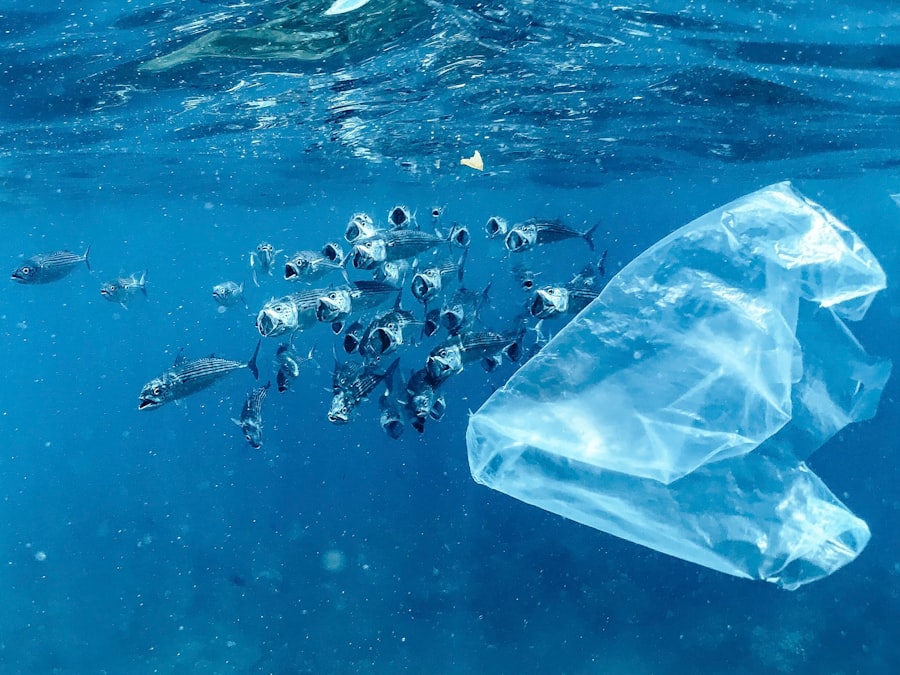
The presence of microplastics in consumables raises concerns about potential human health impacts, though research is still in its early stages.
Ingestion and Accumulation in the Body
Once ingested, microplastics can travel through the digestive system.
Gastrointestinal Tract
The primary pathway for microplastic ingestion is the gastrointestinal tract. Studies on laboratory animals have shown that microplastics can accumulate in various organs within this system. The extent to which this occurs in humans and the long-term consequences are subjects of ongoing investigation.
Potential for Translocation
There is ongoing scientific inquiry into whether nanoplastics, due to their extremely small size, could translocate from the gut into the bloodstream and potentially reach other organs, including the brain, liver, and kidneys. This remains a significant area of research requiring robust evidence.
Biological Effects and Toxicity
The potential biological effects of microplastic ingestion are a major focus of scientific concern.
Inflammation
Some studies suggest that microplastics can induce inflammatory responses in biological tissues. This inflammation could be a non-specific reaction to foreign particles or could be related to chemicals leaching from the plastics.
Oxidative Stress
Research indicates that microplastics may contribute to oxidative stress, a condition where the production of free radicals overwhelms the body’s ability to neutralize them, potentially leading to cellular damage.
Endocrine Disruption and Other Toxicological Pathways
Specific chemical additives within plastics are known or suspected endocrine disruptors, meaning they can interfere with the body’s hormonal systems. The potential for these chemicals to leach from microplastics and exert their effects is a significant concern. Additionally, microplastics can act as vectors for harmful environmental pollutants they may have sorbed, potentially releasing these toxins into the body.
Research Limitations and Future Directions
Despite growing evidence, definitive conclusions about the direct health impacts of microplastics in bottled beverages are hindered by several factors.
Lack of Long-Term Human Studies
Comprehensive long-term epidemiological studies on human populations are crucial but are time-consuming and complex to design. Many existing studies are based on animal models or in vitro experiments, which may not directly translate to human health outcomes.
Exposure Variability
Human exposure to microplastics is not solely from bottled beverages. It occurs through a multitude of sources, including food, air, and dust. Isolating the specific contribution of bottled drinks to overall microplastic burden in humans is challenging.
Standardization of Research
The lack of standardized methodologies for detecting, characterizing, and quantifying microplastics across studies makes it difficult to compare findings and draw robust conclusions. Future research needs to prioritize the development and adoption of universal protocols.
Recent studies have raised concerns about the presence of microplastics in various beverages, including bottled water and soda. A related article discusses the alarming findings regarding the levels of microplastics found in these popular drinks, highlighting the potential health implications for consumers. For more insights on this pressing issue, you can read the full article here. The growing awareness of microplastics in our daily consumables underscores the need for further research and potential regulatory measures to ensure public safety.
Industry Response and Mitigation Strategies
| Brand | Product | Microplastics (ppm) | Source |
|---|---|---|---|
| Brand A | Bottled Water | 4.3 | Study X |
| Brand B | Soda | 2.8 | Study Y |
| Brand C | Bottled Water | 5.1 | Study Z |
The growing awareness of microplastic contamination has prompted some responses from the beverage industry and ongoing efforts to mitigate the problem.
Efforts to Reduce Microplastic Shedding
Manufacturers are increasingly aware of the need to minimize plastic shedding throughout the production process.
Material Innovation
Research and development into alternative packaging materials that are less prone to degradation and shedding are underway. This includes exploring advanced polymers with enhanced durability and reduced additive content.
Machinery and Process Optimization
Companies are investing in upgrading bottling and filling equipment to reduce friction and abrasion. Improvements in cleaning protocols and the use of less abrasive materials in machinery components are also being considered.
Quality Control Measures
Enhanced quality control protocols are being implemented to monitor and identify potential sources of microplastic contamination within the production lines. This includes regular checks of machinery wear and tear and the integrity of packaging materials.
Regulatory Landscape and Consumer Advocacy
Governmental bodies and consumer groups are playing a role in driving change.
Emerging Regulations and Guidelines
While specific regulations targeting microplastics in beverages are still developing in many regions, broader environmental policies related to plastic pollution and food safety are beginning to influence industry practices. International organizations are also developing recommendations and frameworks for monitoring and managing microplastic contamination.
Consumer Awareness and Demand
Increased consumer awareness about the issue is driving demand for products with reduced environmental impact. This consumer pressure can incentivize companies to adopt more sustainable practices and invest in solutions to minimize microplastic contamination. Advocacy groups continue to push for greater transparency and action from the industry.
Challenges in Full Elimination
Achieving complete elimination of microplastics from bottled beverages is a significant technical and logistical challenge.
Inherent Properties of Plastics
The very nature of plastic materials, which are designed for durability and flexibility, means they are susceptible to degradation over time and under various environmental stresses, leading to microplastic formation.
Cost and Scalability of Solutions
Implementing new technologies and materials can be expensive, and scaling these solutions across global production networks requires substantial investment. Balancing cost-effectiveness with environmental responsibility remains a key hurdle for the industry.
FAQs
What are microplastics?
Microplastics are tiny pieces of plastic that are less than 5 millimeters in size. They can come from a variety of sources, including the breakdown of larger plastic items, microbeads in personal care products, and synthetic fibers from clothing.
How do microplastics end up in bottled water and soda?
Microplastics can end up in bottled water and soda through a variety of pathways, including the manufacturing process, packaging materials, and the environment. Contamination can occur at various stages, from the extraction of raw materials to the bottling and distribution process.
Are there health risks associated with consuming microplastics in bottled water and soda?
The health risks associated with consuming microplastics in bottled water and soda are still being studied. While some research suggests that microplastics can leach chemicals and may have negative health effects, more studies are needed to fully understand the potential risks to human health.
What are the regulations regarding microplastics in bottled water and soda?
Regulations regarding microplastics in bottled water and soda vary by country and region. Some countries have set limits on the amount of microplastics allowed in drinking water, while others are still in the process of developing regulations.
What can consumers do to reduce their exposure to microplastics in bottled water and soda?
To reduce exposure to microplastics in bottled water and soda, consumers can consider using alternative sources of drinking water, such as filtered tap water. Additionally, reducing overall plastic consumption and properly recycling plastic products can help minimize the amount of microplastics entering the environment.