
Synthetic Pigments: Enhancing Industrial Dairy Products
Introduction to Color in Dairy
Color plays a significant role in consumer perception of food products, including those within the dairy industry. The visual appeal of dairy items directly influences purchasing decisions, impacting factors such as perceived freshness, flavor intensity, and overall quality. Historically, dairy products derived their color from natural sources. For instance, the characteristic yellow hue of butter and cheese is attributed to beta-carotene, a pigment present in the feed consumed by cattle. Milk itself exhibits a creamy white appearance due to the scattering of light by fat globules and casein micelles. However, various processing techniques, ingredient variations, and the desire for consistent product aesthetics across different batches have led to the exploration and implementation of artificial coloring agents.
The Role of Synthetic Pigments in Dairy Processing
Synthetic pigments, also known as artificial colors or food colorants, are chemical compounds manufactured to impart color to food and beverages. Their utilization in the dairy sector serves several functional and marketing objectives. Primarily, synthetic pigments enable manufacturers to achieve precise and reproducible color outcomes that might be difficult or impossible to attain with natural colorants alone. This consistency is crucial for brand recognition and maintaining consumer expectations. Furthermore, synthetic pigments can be employed to correct natural color variations that may arise due to seasonality of feed, animal breed, or differences in processing. They can also be used to enhance the visual attractiveness of products, making them more appealing to consumers in a competitive marketplace. Understanding the properties and permissible applications of these colorants is therefore important for the modern dairy industry.
The use of synthetic pigments in food products is subject to stringent regulations worldwide. These regulations are designed to ensure consumer safety by setting limits on the types and amounts of colorants that can be used, and by requiring thorough toxicological assessments. Regulatory bodies, such as the Food and Drug Administration (FDA) in the United States and the European Food Safety Authority (EFSA) in Europe, scrutinize the scientific data supporting the safety of each approved food colorant before granting their authorization.
Global Regulatory Bodies and Their Mandates
The United States Food and Drug Administration (FDA)
The FDA oversees the regulation of food additives, including synthetic pigments, in the United States. They categorize approved color additives into two main lists: the color additive “Pure” lists and the “Mixture” lists. Pigments on the “Pure” list are single chemical entities, while the “Mixture” list includes color formulations. The FDA specifies the maximum permitted levels of each colorant in various food categories, including dairy products. Adherence to these regulations is mandatory for all food manufacturers operating in the US.
European Food Safety Authority (EFSA)
In the European Union, EFSA plays a critical role in evaluating the safety of food additives. They conduct scientific risk assessments and provide recommendations to the European Commission, which then establishes the legal framework for their use. EFSA assigns an E-number to each approved food additive, including synthetic pigments. These E-numbers facilitate identification and tracking across EU member states. The regulatory approach in Europe emphasizes a comprehensive evaluation of toxicological data, including Acceptable Daily Intake (ADI) levels.
Toxicological Assessment and Risk Management
Defining Acceptable Daily Intake (ADI)
The Acceptable Daily Intake (ADI) is a crucial concept in food safety regulation. It represents the amount of a substance that can be ingested daily over a lifetime without appreciable health risk. ADI values for synthetic pigments are determined based on extensive animal studies and extrapolation to human populations, incorporating considerable safety margins. Regular consumption of dairy products containing synthetic pigments at levels below their respective ADIs is generally considered safe.
Allergenicity and Sensitivy Concerns
While synthetic pigments are generally considered safe when used within prescribed limits, certain individuals may exhibit sensitivities or allergic reactions to specific colorants. These reactions are typically rare and can manifest as hyperactivity, skin rashes, or gastrointestinal disturbances. Regulatory bodies continually monitor reported adverse effects and may revise regulations based on new scientific evidence. The presence of certain synthetic pigments that have been linked to behavioral changes in children, though controversial and subject to ongoing scientific debate, has led to specific labeling requirements and voluntary cessation of use by some manufacturers.
Synthetic pigments are often used in industrial dairy products to enhance their visual appeal and mimic the natural colors found in traditional dairy items. A related article that delves into the implications of using these pigments in food production can be found at Hey Did You Know This. This resource explores the potential health effects, regulatory considerations, and consumer perceptions surrounding the use of artificial coloring agents in the dairy industry.
Commonly Used Synthetic Pigments in Dairy
The selection of synthetic pigments for dairy applications depends on several factors, including the desired color, the food matrix, processing conditions, and regulatory approvals. Different pigments offer distinct color shades and stability characteristics.
Recent discussions in the food industry have highlighted the use of synthetic pigments in various products, including industrial dairy items. These pigments are often employed to enhance the visual appeal of products like cheese and yogurt, but their safety and regulatory implications are under scrutiny. For a deeper understanding of this topic, you can explore an insightful article that delves into the effects and regulations surrounding synthetic additives in food. To read more about it, visit this informative page.
Annatto-Based Colorants (Bixin and Norbixin)
Annatto is a natural dye derived from the seeds of the Bixa orellana tree. While it originates from natural sources, its extracted active compounds, bixin and norbixin, are often considered in discussions of synthetic fortification due to their concentrated and standardized forms. These carotenoids provide shades ranging from yellow to orange-red.
Properties and Applications
Bixin and norbixin are fat-soluble and water-soluble derivatives, respectively. This versatility allows their use in a wide array of dairy products, including cheese, butter, yogurt, and ice cream. They are known for their good stability under heat and light, making them suitable for pasteurization and other thermal processing steps common in dairy manufacturing. The yellow hues imparted by annatto are particularly desirable in products like cheddar cheese, mimicking the natural color derived from beta-carotene in cow’s milk.
Regulatory Status and Limitations
Annatto extracts and their derived compounds are widely approved for use in many countries. However, regulations may specify purity standards and maximum usage levels. Some studies have indicated potential allergenic reactions in a small subset of the population, although this is less common.
Carotenoids (Beta-carotene and Apo-carotenal)
Carotenoids are a large group of naturally occurring pigments, with beta-carotene being one of the most well-known. Synthetic versions or highly purified natural extracts are frequently employed in the food industry.
Synthetic Beta-Carotene
Synthetic beta-carotene provides a vibrant yellow to orange color. It is widely used in dairy products to achieve consistent coloration, particularly in those where natural beta-carotene levels might be insufficient or variable. Its use is widespread in margarine, cheese spreads, and flavored milk drinks.
Apo-carotenal (Apo-8′-carotenal)
Apo-carotenal is a synthetic carotenoid that offers a more intense orange hue compared to beta-carotene. It is often used in combination with other colorants to achieve specific shades of orange and red in dairy products like yogurts and desserts.
Stability and Interaction with Dairy Matrix
Carotenoids generally exhibit good stability in dairy products, especially when protected from excessive light and oxidation. However, their color intensity can be affected by pH and the presence of certain processing aids. The fat content of dairy products often aids in the dispersion and stability of these fat-soluble pigments.
Artificial Yellow and Orange Dyes (e.g., Tartrazine, Sunset Yellow FCF)
Certain synthetic dyes are specifically manufactured to provide bright yellow and orange colors, offering high tinctorial strength and cost-effectiveness.
Tartrazine (FD&C Yellow No. 5)
Tartrazine is a synthetic azo dye that imparts a bright lemon-yellow color. It is commonly found in a variety of processed foods, including some dairy-based beverages and desserts. Its use in the EU is subject to mandatory labeling due to its association with hyperactivity in some children.
Sunset Yellow FCF (FD&C Yellow No. 6)
Sunset Yellow FCF is an azo dye that produces a vibrant orange color. It is frequently used in yogurts, ice creams, and flavored milk drinks to enhance their visual appeal. Similar to Tartrazine, its use in the EU requires specific labeling.
Considerations for Usage and Consumer Perception
While these dyes offer intense and stable coloration, their use is increasingly scrutinized by consumers and regulatory bodies. The potential link to hyperactivity in children has led to voluntary phasing out by many manufacturers, particularly in products targeted towards children. Consumer demand for “clean label” products often favors natural colorings.
Artificial Red Dyes (e.g., Allura Red AC)
Red colorants are important for a range of popular dairy products, from strawberry-flavored yogurts to fruit-filled dairy desserts.
Allura Red AC (FD&C Red No. 40)
Allura Red AC is a synthetic azo dye widely used to impart a bright red color. It is stable under a range of processing conditions and is commonly employed in fruit-flavored yogurts, ice creams, and milkshakes. Safety evaluations by regulatory agencies have deemed it safe for use within specified limits.
Combination Effects and Shade Customization
Allura Red AC is often used in combination with other synthetic or natural colorants to achieve a spectrum of red and pink shades. Its stability allows for consistent color throughout the product’s shelf life.
Blue and Green Synthetic Colorants (e.g., Brilliant Blue FCF)
Blue and green colors, while less common in traditional dairy products, are increasingly used in novelty items and specialized products.
Brilliant Blue FCF (FD&C Blue No. 1)
Brilliant Blue FCF is a synthetic triphenylmethane dye that provides a vibrant blue color. It is used in products like blue raspberry-flavored yogurts, ice creams, and specialty beverages. Its stability is generally good, and it is approved for use in many regions.
Mixtures for Custom Colors
Blue and green colors are often achieved through the strategic combination of different synthetic pigments. For instance, a blend of blue and yellow colorants can produce green hues. This allows for precise shade matching to product branding or specific flavor profiles.
Functional Advantages and Product Enhancement

Synthetic pigments offer several functional advantages that extend beyond simple aesthetic enhancement in industrial dairy products. They contribute to product consistency, visual appeal, and can even influence consumer perception of taste.
Ensuring Color Consistency and Uniformity
Batch-to-Batch Reproducibility
One of the primary benefits of synthetic pigments is their ability to ensure consistent color from one production batch to the next. Natural ingredients can vary significantly in color intensity due to factors like season, soil conditions, and animal diet. Synthetic pigments, produced under controlled conditions, offer a reliable and predictable color outcome. This is essential for maintaining brand identity and consumer trust.
Stabilizing Color Against Processing Variables
Dairy processing often involves heat treatment, pH adjustments, and mechanical agitation, all of which can degrade or alter natural pigments. Synthetic pigments are often engineered for greater stability under these conditions, ensuring that the product retains its intended color throughout its shelf life and processing. This reduces the risk of product rejection due to color defects.
Masking Undesirable Color Changes
Correcting Color Loss During Processing
Over time, or during certain processing steps, dairy products can experience color degradation. For instance, the natural yellow of butter fat can diminish with prolonged storage or exposure to light. Synthetic pigments can be used to reintroduce or maintain the desired color, masking these undesirable changes and ensuring the product appears fresh and appealing.
Counteracting Color Fading
Exposure to light, oxygen, and heat can lead to fading of natural colors in dairy. Synthetic pigments, particularly those with enhanced lightfastness, can help maintain vibrant colors in products packaged in transparent containers or those with extended shelf lives.
Enhancing Product Appeal and Consumer Perception
Creating Eye-Catching Visuals
In a crowded marketplace, visually appealing products are more likely to capture consumer attention. Bright, consistent colors can make dairy products appear more appetizing, fresh, and flavorful. This is particularly important for products marketed to specific demographics, such as children, where visual stimulation plays a significant role in product choice.
Influencing Flavor Perception
The association between color and flavor is well-established. Consumers often expect certain flavors to be accompanied by specific colors. For example, a strawberry-flavored yogurt is expected to be pink or red. The appropriate use of synthetic pigments can reinforce these flavor expectations, enhancing the overall sensory experience and perceived taste of the product. A product that looks like it tastes, based on established color-flavor cues, is more likely to be perceived positively.
Challenges and Future Directions
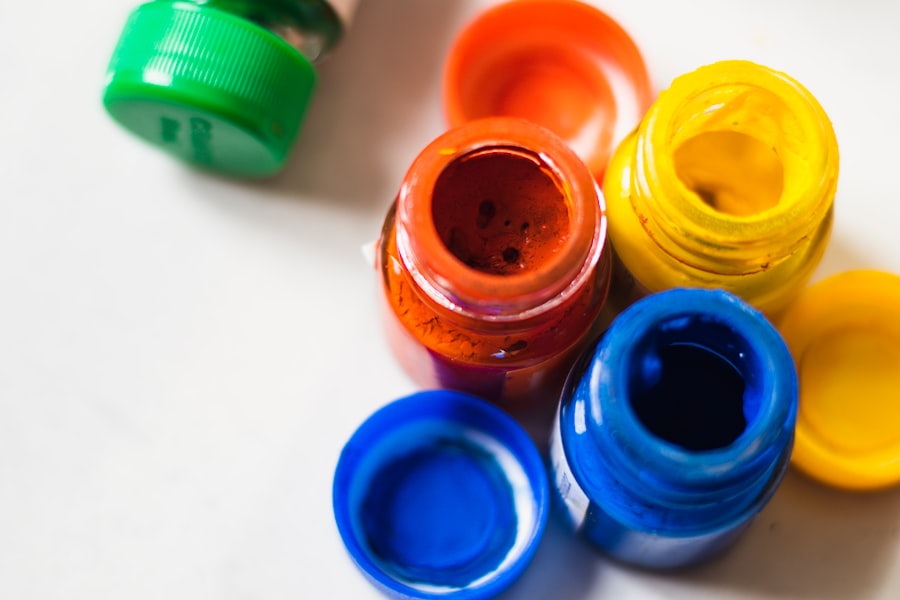
Despite their utility, the use of synthetic pigments in the dairy industry is not without its challenges. Growing consumer demand for natural ingredients and concerns about the potential health impacts of certain synthetic colorants are driving innovation and a search for alternatives.
The Rise of “Clean Label” and Natural Colorants
Consumer Demand for Transparency
The “clean label” movement emphasizes the use of recognizable, natural ingredients and a reduction in artificial additives. Consumers are increasingly scrutinizing ingredient lists and opting for products perceived as healthier and more transparent. This trend is putting pressure on manufacturers to reduce or eliminate synthetic pigments.
Innovations in Natural Pigments
Significant research and development are underway to identify, extract, and stabilize natural colorants that can effectively replace synthetic options. This includes exploring pigments from fruits, vegetables, and other natural sources. Challenges remain in achieving the same color intensity, stability, and cost-effectiveness as synthetic counterparts.
Technological Advancements in Color Stabilization
Encapsulation Technologies
Microencapsulation is a promising technique that involves enclosing small particles of colorants (natural or synthetic) within a protective shell. This can significantly improve the stability of natural pigments against heat, light, and oxidation, making them more viable for use in processed dairy products.
Reactive Systems and pH Control
Researchers are also exploring reactive systems and precise pH control during processing to enhance the stability and performance of natural colorants. Understanding the chemical interactions between pigments and the dairy matrix is key to developing more robust natural coloring solutions.
Sustainability and Environmental Considerations
Ethical Sourcing and Production
The production of synthetic pigments often relies on petrochemicals, raising questions about sustainability and environmental impact. While natural colorants may offer a more sustainable alternative, their sourcing and processing also need to be evaluated for their environmental footprint. This includes considerations for land use, water consumption, and waste generation.
Lifecycle Assessment
A comprehensive lifecycle assessment of both synthetic and natural colorants is necessary to fully understand their environmental implications. This involves evaluating the energy, resources, and emissions associated with their entire production chain, from raw material extraction to final disposal. Such assessments can inform more sustainable choices for the industry.
Navigating Evolving Consumer Preferences
Market Research and Consumer Feedback
Dairy manufacturers must remain attuned to evolving consumer preferences and market trends. Continuous market research, consumer surveys, and feedback mechanisms are essential for understanding the demand for specific types of colorants and their perceived benefits or drawbacks. Adapting product formulations and marketing strategies accordingly is crucial for long-term success.
Product Reformulation Strategies
The reformulation of existing products to incorporate natural colorants or to reduce overall colorant usage requires careful planning and execution. This involves extensive product testing to ensure that the taste, texture, shelf life, and visual appeal are maintained. Successful reformulation can lead to enhanced brand image and increased market share among health-conscious consumers.
FAQs
What are synthetic pigments in industrial dairy products?
Synthetic pigments are artificial colorants that are added to industrial dairy products to enhance their appearance and make them more visually appealing to consumers. These pigments are not naturally occurring and are typically derived from chemical compounds.
Why are synthetic pigments used in industrial dairy products?
Synthetic pigments are used in industrial dairy products to standardize the color of the products, especially when the natural color may vary due to factors such as seasonal changes in animal feed. They are also used to make the products more visually appealing and attractive to consumers.
Are synthetic pigments safe for consumption?
Synthetic pigments used in industrial dairy products are regulated by food safety authorities and must meet strict safety standards before they can be used. When used in accordance with these regulations, synthetic pigments are considered safe for consumption. However, some individuals may have sensitivities or allergies to certain synthetic pigments, so it’s important to read product labels and consult with a healthcare professional if there are concerns.
What are some common synthetic pigments used in industrial dairy products?
Some common synthetic pigments used in industrial dairy products include FD&C Yellow No. 5 (tartrazine), FD&C Red No. 40 (Allura Red AC), and FD&C Blue No. 1 (Brilliant Blue FCF). These pigments are approved for use in food products and are used to achieve specific shades of yellow, red, and blue in dairy products.
Are there natural alternatives to synthetic pigments in industrial dairy products?
Yes, there are natural alternatives to synthetic pigments that can be used in industrial dairy products. These natural colorants are derived from sources such as fruits, vegetables, and spices, and are used to achieve similar color effects without the use of synthetic chemicals. Some examples of natural colorants include beta-carotene (from carrots), anthocyanins (from berries), and turmeric (from the turmeric root).