
You rely on digital streaming for your entertainment. It’s convenient, readily available, and seemingly limitless. Yet, have you considered the inherent vulnerabilities of this convenience? When you stream, you place your access and ownership in the hands of external factors – the integrity of digital networks, the longevity of companies, and the unyielding threat of digital intrusion. There’s a tangible alternative, a form of media that sidesteps these digital dependencies: physical media. Unlike its ethereal digital counterpart, physical media offers a form of assurance that cannot be compromised by a lost internet connection or a malicious hack.
When you hold a physical media disc – a Blu-ray, a DVD, a vinyl record, or a CD – you are holding a self-contained unit of entertainment. Its existence is not dependent on a constant flow of data from a remote server. This independence is the bedrock of its security. You are not subject to the whims of internet service providers, the stability of streaming platforms, or the potential collapse of a digital service. The data is present, in your possession, in a format that requires no ongoing external connection to be accessed, provided you have the appropriate playback device. This fundamental difference grants you a level of control and permanence that digital streaming simply cannot replicate.
The Unhackable Nature of Physical Media
The term “hack” implies unauthorized access to a digital system. When you stream content, you are interacting with a digital system, a network, and often, a server managed by a commercial entity. This interaction creates potential entry points for malicious actors. They can exploit vulnerabilities in the network, gain access to your account, or even disrupt the streaming service itself, thereby denying you access to the content you pay for.
Data Integrity and Physical Damage
Digital data, while seemingly robust, is susceptible to corruption. This corruption can occur due to hardware failures in servers, transmission errors, or even software bugs. Over time, digital files can degrade, leading to glitches, missing frames, or unplayable content. Physical media, while not entirely immune to damage, offers a different kind of vulnerability. A scratched disc, a warped record, or a damaged cartridge are physical issues that can often be repaired or mitigated. The underlying format remains intact, unlike a corrupted digital file that can become irrecoverably lost.
Account Security and Digital Footprints
Your digital streaming accounts are tied to personal information. This information, when stored on company servers, becomes a target for data breaches. Hackers can gain access to your login credentials, potentially leading to identity theft or unauthorized access to your purchased content. Physical media, by its very nature, does not require you to create an online account to access its contents. The act of purchasing and owning a physical copy is a transaction that does not necessitate the creation of a persistent digital footprint tied to your viewing habits or personal data.
The Resilience Against Internet Dependency
Internet issues are an unfortunate reality of modern life. From widespread outages to localized connectivity problems, your access to digital content can be abruptly severed. You’ve likely experienced the frustration of buffering, dropped connections, and the inability to access your favorite shows or movies when the internet fails. This is a risk that physical media entirely bypasses.
Localized Network Failures
When your home internet goes down, so does your ability to stream. This is a direct consequence of relying on a networked service. Weather events, infrastructure damage, or even simple human error can disrupt internet service for hours or even days. During these periods, your digital library becomes inaccessible.
The Importance of Offline Access
Physical media provides an inherent form of offline access. Once you own a physical copy, it is yours to play whenever you want, regardless of your internet connection status. This is particularly valuable during extended outages or when you travel to areas with unreliable internet.
Service Provider Outages and Platform Changes
Streaming services are not static entities. They can experience technical difficulties, undergo maintenance, or even cease to exist entirely. Companies can merge, change their business models, or discontinue certain libraries of content. When a streaming service shutters its doors or removes content, you lose access to it. This has happened with significant libraries of films and television shows.
The Permanence of Ownership
With physical media, you truly own your content. You are not merely licensing its use. This ownership is a permanent right, independent of the policies or financial stability of a digital distributor. The discs, cartridges, or records you purchase remain yours, even if the original online retail or streaming platform is no longer operational.
In today’s digital age, many people are shifting towards streaming libraries for their media consumption, but there are compelling reasons to consider physical media as a safer alternative. A related article discusses the vulnerabilities of digital platforms, including issues like data breaches, service outages, and the potential for content to be removed without notice. For a deeper understanding of why physical media might be a more secure choice, you can read more in this article: Why Physical Media is Safer than Digital Streaming Libraries.
Protecting Your Entertainment from Digital Threats
The digital realm, while offering immense convenience, is also a landscape fraught with potential threats. For your entertainment, this means facing risks that are fundamentally different from those encountered with physical media. These threats can range from the accidental loss of access due to technical glitches to the deliberate intrusion of malicious actors.
The Slipperiness of Digital Rights Management (DRM)
Digital Rights Management (DRM) is a technology used to control the use and distribution of digital media. While intended to protect copyrighted material, it can also present significant hurdles for legitimate users. You may find yourself unable to play content on designated devices, or your access may be revoked without notice.
Device Compatibility and Obsolescence
DRM often ties content to specific devices or operating systems. As technology evolves, older devices may become incompatible with current DRM protocols, rendering your purchased content inaccessible. You might find yourself needing to repurchase content simply because you upgraded your tablet or computer.
The Lifecycle of Digital Formats
Digital formats and codecs are constantly being updated and superseded. What is easily playable today might require specialized software or hardware to access in the future. This obsolescence is a silent threat to your digital library, a ticking clock on your access.
Regional Restrictions and Licensing Issues
DRM can also enforce regional restrictions, meaning content purchased in one country may not be playable in another. This is due to complex licensing agreements that vary from territory to territory. Physical media, while sometimes subject to region coding, often offers a more straightforward ownership experience once acquired, especially if the region coding is circumvented or ignored by a compatible player.
The Risk of Data Loss and Corruption
Digital data, by its very nature, is intangible and susceptible to various forms of loss and corruption. This is a stark contrast to the discrete, physical form of media. When you lose access to a digital file, it can be difficult, if not impossible, to recover.
Server Failures and Data Breaches
Streaming services rely on vast server farms to store and deliver content. These servers are not infallible. Hardware failures, natural disasters, or cyberattacks can lead to widespread data loss. Furthermore, data breaches can expose your account information and, in some cases, lead to the unauthorized deletion or alteration of your purchased digital assets.
The Fragility of Cloud Storage
When you purchase digital content for streaming, you are often relying on cloud storage. While convenient, cloud storage is dependent on the infrastructure and policies of the service provider. A company can go out of business, change its terms of service, or experience a catastrophic data loss event, all of which can impact your access to your purchased media.
Accidental Deletion and User Error
Human error is another significant factor in digital data loss. Accidentally deleting files, formatting the wrong drive, or losing access to cloud storage accounts can all result in the permanent loss of your digital media collection. With physical media, while accidental damage is possible, the media itself remains a tangible object that can often be recovered or replaced.
The Enduring Value of Physical Possession
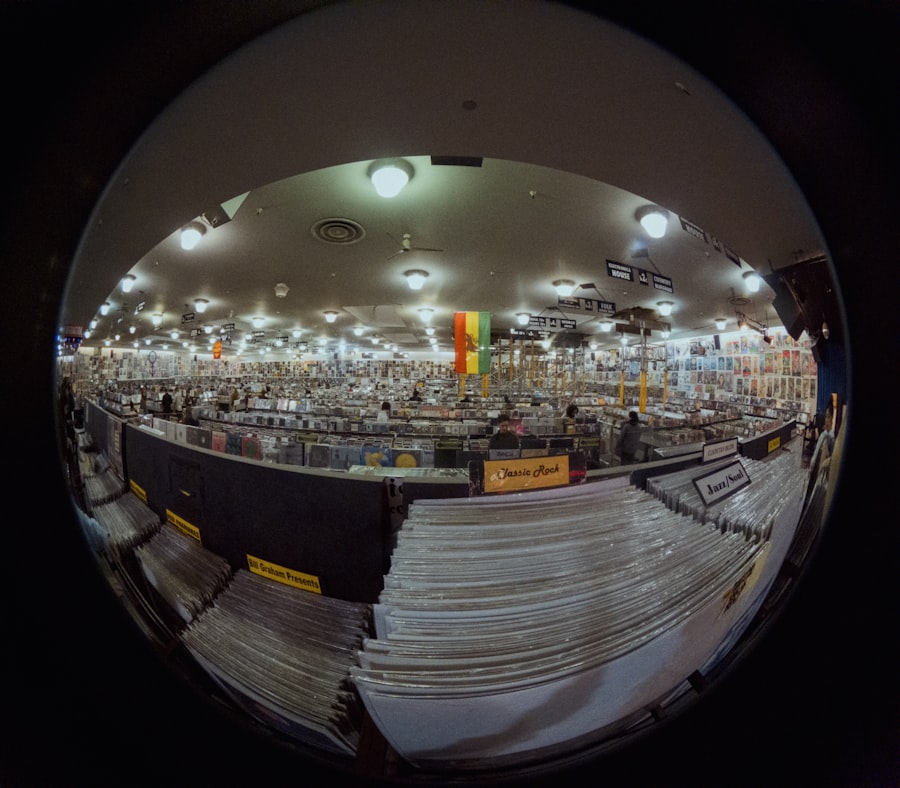
The concept of ownership is profoundly different between digital streaming and physical media. When you stream, you are typically granted a license to access content under specific conditions. With physical media, you outright own a copy. This distinction is crucial when considering the long-term security and reliability of your entertainment library.
The Finality of a Purchase
A physical media purchase is a definitive transaction. You acquire a tangible object that is yours. There are no ongoing subscriptions to maintain, no terms of service that can be unilaterally changed to revoke your access. This sense of finality provides a psychological and practical layer of security.
The Absence of Subscription Fees
Many digital streaming services operate on a subscription model. You pay a recurring fee to maintain access to their libraries. If you stop paying, your access is terminated. Physical media, once purchased, does not require further financial outlay for continued access. You own it outright, regardless of your future subscription status to any digital service.
The Long-Term Cost-Effectiveness
While the initial cost of physical media might sometimes appear higher than a single month’s streaming subscription, over the long term, its cost-effectiveness becomes apparent. You don’t have to continually pay to re-access content you already own. This is particularly true for a curated collection of films, music, or games that you frequently revisit.
The Tactile Experience and Artifactual Value
Beyond logic and security, physical media offers a tactile and artifactual experience that digital streaming cannot replicate. The act of selecting a Blu-ray from your shelf, placing a vinyl record on the turntable, or inserting a game cartridge into its console is a ritual. This interaction fosters a deeper appreciation for the content.
The Ritual of Selection and Playback
The physical act of choosing and playing physical media engages your senses in a way that scrolling through digital menus does not. The artwork on the cover, the liner notes within a CD booklet, the distinct sound of a needle dropping onto vinyl – these elements contribute to a richer, more immersive experience.
A Collection with Personal History
Your physical media collection becomes a curated history of your tastes and experiences. Each item represents a choice, a moment of enjoyment, and a tangible piece of your personal narrative. This is something that a collection of streamed files, existing only as data on remote servers, can never truly embody.
Securing Your Entertainment Against Future Uncertainties

The digital landscape is in constant flux. Technologies evolve, companies rise and fall, and the very nature of accessing digital content can change. By maintaining a collection of physical media, you are creating a buffer against these future uncertainties, ensuring that your entertainment remains accessible regardless of shifts in the digital world.
The Long Game of Media Preservation
When you invest in physical media, you are making an investment in long-term accessibility. While digital formats and streaming platforms can become obsolete, well-maintained physical media, such as high-quality discs or cartridges, can remain playable for decades, provided the playback technology remains available.
The Longevity of Disc-Based Formats
CDs, DVDs, and Blu-rays have demonstrated a remarkable longevity when stored correctly. Even as newer formats emerge, the technology to play these discs is likely to persist for a considerable time, often through backward compatibility in newer players.
Analog Formats as a Testament to Durability
Vinyl records, despite being an older technology, often outlast their digital counterparts in terms of pure archival life. A well-cared-for vinyl record can sound exceptional for generations. This highlights the potential for long-term durability in physical formats.
Independence from Corporate Decisions
Your access to digital content is ultimately at the mercy of the companies that control it. They can decide to remove content, alter pricing, or discontinue services at any time, often with little recourse for consumers. Physical media liberates you from this dependence.
The Freedom to Choose Playback Devices
With physical media, you have the freedom to choose your preferred playback devices. You are not locked into a specific ecosystem or a proprietary player. This allows you to maintain access to your collection even as hardware standards evolve.
A Shield Against Digital Rights Management Shifts
As discussed, DRM can evolve, leading to playback issues. Physical media, due to its inherent nature, often bypasses these complex DRM implementations, offering a more direct and stable form of access. Even if DRM protocols change for digital downloads or streams, your physical copies remain unaffected.
In today’s digital age, many people are turning to streaming libraries for their entertainment needs, but a recent article highlights why physical media can be a safer option. The piece discusses how digital platforms can face outages, licensing issues, or even disappear entirely, leaving users without access to their favorite content. In contrast, owning physical copies ensures that your collection remains intact regardless of changes in the digital landscape. For more insights on this topic, you can read the full article here.
Conclusion: A Prudent Approach to Entertainment Consumption
| Reasons | Physical Media | Digital Streaming Libraries |
|---|---|---|
| Data Security | Less susceptible to hacking and cyber attacks | Potential risk of data breaches and unauthorized access |
| Ownership | Permanent ownership of the content | Content can be removed or altered by the provider |
| Internet Dependency | No reliance on internet connection for access | Requires stable internet connection for streaming |
| Quality | Consistent high-quality playback | Dependent on internet speed for quality |
| Longevity | Physical media can last for decades if properly stored | Dependent on the availability of the streaming service |
In an era dominated by digital convenience, it is easy to overlook the inherent vulnerabilities and the enduring value of physical media. You might find yourself drawn to the ease of streaming, but it is prudent to consider the implications of placing your entertainment entirely in the digital ether. Physical media offers a tangible, unhackable, and internet-independent alternative that ensures your access to content, free from the risks of digital threats and corporate decisions. By curating a collection of physical media, you are not only safeguarding your entertainment but also investing in a more secure, enduring, and perhaps even more rewarding form of media consumption. This approach provides a robust foundation for enjoying your favorite films, music, and games, ensuring that your access is not dependent on the flickering lights of the internet or the fluctuating fortunes of digital corporations.
FAQs
1. What are the advantages of physical media over digital streaming libraries in terms of safety?
Physical media, such as DVDs or Blu-rays, are not susceptible to internet outages or streaming service disruptions, making them a more reliable option for accessing content. Additionally, physical media cannot be affected by changes in licensing agreements or the removal of titles from streaming libraries.
2. How does physical media provide better protection against data loss compared to digital streaming libraries?
Physical media allows users to have a tangible copy of their content, reducing the risk of data loss due to technical issues, account hacking, or accidental deletion. With physical media, users have direct control over their collection and can easily make backups to prevent loss.
3. In what ways does physical media offer greater privacy and security than digital streaming libraries?
Physical media provides a higher level of privacy and security as it does not require an internet connection or account login to access content. This reduces the risk of personal data being compromised or accessed by unauthorized parties.
4. How does physical media offer a more stable viewing experience compared to digital streaming libraries?
Physical media offers a stable viewing experience without buffering, quality fluctuations, or interruptions due to internet connectivity issues. This makes it a preferred option for users who prioritize consistent and high-quality playback.
5. What are the long-term benefits of owning physical media as opposed to relying solely on digital streaming libraries?
Owning physical media provides long-term access to content without being dependent on the availability or changes of streaming platforms. It also allows users to build a personal collection that can be enjoyed regardless of internet access or subscription status.