You’ve likely experienced it. That feeling of losing yourself in a scrolling vortex, the next episode practically demanding your attention. You know you should stop, but you keep watching. This isn’t accidental. Companies meticulously engineer the streaming experience to keep you hooked, leveraging a sophisticated understanding of human psychology and neuroscience. The science of streaming addiction is a complex interplay of design, reward, and behavioral economics, all working in concert to optimize engagement.
At the core of any addictive behavior lies a manipulation of your brain’s reward system, and streaming is no exception. This system, primarily involving the neurotransmitter dopamine, is designed to reinforce behaviors that are beneficial for survival, like eating or socializing. Streaming services have learned to hijack this ancient mechanism.
The Priming of Anticipation
Before you even press play, the anticipation has already begun. The tantalizing previews, the carefully curated thumbnails designed to pique your curiosity, and the gentle hum of background music are all part of a deliberate strategy. This isn’t about simply presenting content; it’s about building a psychological tension that dopamine is ready to satisfy. Your brain learns to associate the act of browsing and selecting with an impending pleasurable experience, creating a positive feedback loop.
The Reward of Novelty and Unpredictability
The human brain craves novelty. New information, unexpected events, and sensory stimulation trigger dopamine release. Streaming services capitalize on this by offering an endless stream of new content. Even within a familiar show, the unpredictable nature of plot twists and character developments provides a constant dopamine hit. This unpredictability is crucial; if you knew exactly what was going to happen, the novelty would quickly diminish.
Variable Ratio Reinforcement: The Slot Machine Effect
Perhaps the most potent psychological tool employed is the principle of variable ratio reinforcement, famously demonstrated with slot machines. In this system, rewards are delivered on an unpredictable schedule. You don’t know when the next payout will come, so you keep pulling the lever. Streaming employs this by making the end of an episode a gateway to the next. It’s not always immediate; sometimes you have to actively choose to continue, but the proximity and the promise of resolution or new conflict are compelling. This unpredictability of “when” the next reward (the next episode) will be available, even if it’s just a few seconds away, keeps you engaged.
Micro-Rewards and Progress Tracking
Beyond the episodic rewards, streaming services liberally sprinkle in micro-rewards. These can be subtle, like seeing your watch history grow, a personalized recommendation appearing, or the simple visual confirmation that you’ve completed a certain percentage of an episode. These small affirmations act as mini-dopamine boosters, reinforcing the habit of engagement. Progress bars, which visually indicate how far you’ve come and how much is left, also exploit our innate desire to see tasks through to completion.
In recent discussions about the psychological tactics employed by streaming companies to keep viewers engaged, an insightful article sheds light on the engineering of addiction patterns in digital content consumption. This piece explores how algorithms, autoplay features, and cliffhangers are strategically designed to maximize viewer retention. For a deeper understanding of these methods and their implications on our viewing habits, you can read more in this related article: How Streaming Companies Engineer Addiction Patterns.
Exploiting Cognitive Biases: Making You Believe You’re In Control
Companies don’t just rely on your brain’s reward pathways; they also expertly leverage a range of cognitive biases—systematic patterns of deviation from norm or rationality in judgment—to guide your behavior. These biases often operate unconsciously, making you feel like you’re making autonomous choices when, in reality, you’re being subtly nudged.
The Endowment Effect and sunk Cost Fallacy
Once you’ve invested time and effort into a streaming platform, you begin to feel a sense of ownership over it. This is the endowment effect at play. The more you watch, the more “endowed” you are with the content and the platform. This leads to the sunk cost fallacy: the tendency to continue with an endeavor as a result of previously invested resources (time, money, effort), even when it’s clear that the future costs will outweigh the potential benefits. You’ve already spent hours on this platform, so you might as well keep watching.
The Zeigarnik Effect: Unfinished Business
The Zeigarnik effect describes the tendency to remember uncompleted or interrupted tasks better than completed ones. Streaming services understand this. Cliffhangers are not merely plot devices; they are deliberate interruptions designed to keep your mind actively engaged with the unfinished narrative long after you’ve stopped watching. This mental residue compels you to return and seek resolution, feeding directly into the next viewing session.
Social Proof and FOMO (Fear Of Missing Out)
The visibility of what others are watching, through trending lists, popular charts, and social media buzz, plays a significant role. This is social proof in action—the idea that people are more likely to do something if they see others doing it. Furthermore, the constant barrage of new content and discussions about popular shows can trigger FOMO, a fear that you might be missing out on culturally relevant experiences. This social pressure encourages you to keep up, even if you don’t genuinely enjoy the content.
Anchoring Bias and Framing
Streaming services often use anchoring bias by framing options and prices in a way that makes them seem more appealing. For instance, highlighting a discounted annual subscription might make you feel like you’re getting a great deal, even if the overall cost is still substantial. Similarly, the way content is presented—its order, the accompanying descriptions—can influence your perception of its value and appeal, anchoring your decision-making process.
Algorithmic Precision: The Tailored Trap
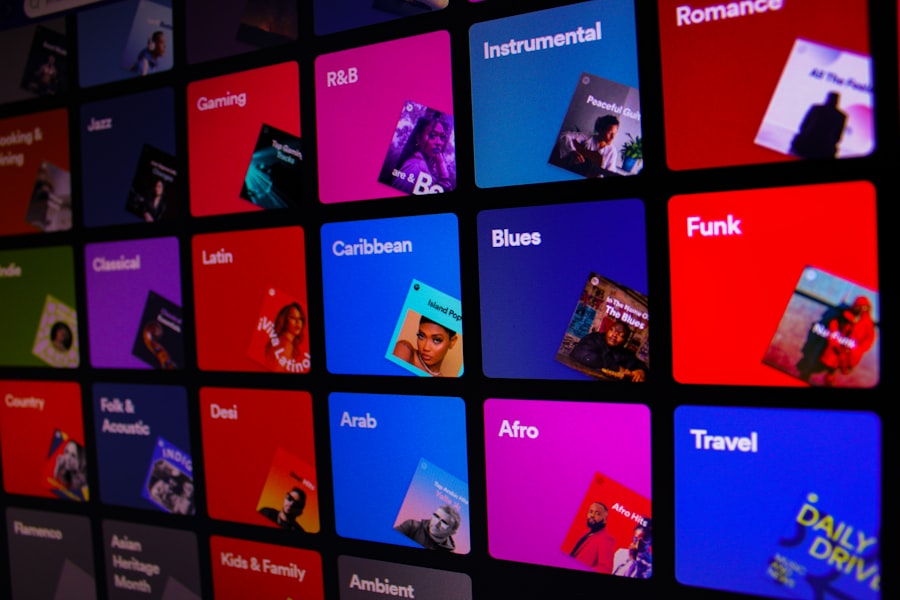
The algorithms that power streaming services are the invisible architects of your engagement. They are not simply about recommending what you might like; they are sophisticated engines designed to optimize for time spent on the platform.
The Filter Bubble and Echo Chamber
While algorithms can introduce you to new content, they also have a tendency to create filter bubbles and echo chambers. By showing you more of what you’ve already engaged with, they can limit your exposure to diverse perspectives and genres. This creates a comfortable, but potentially limiting, viewing experience where your existing preferences are constantly reinforced, making it harder to break away from established patterns.
Predictive Engagement and Micro-Targeting
These algorithms are not just reactive; they are increasingly predictive. They analyze your viewing habits, your scrolling speed, the time of day you watch, and even your device type to predict your next engagement. This allows for micro-targeting of content and even specific previews designed to be most effective at that precise moment. A subtle suggestion for a documentary might appear just when your viewing session starts to wane, aiming to re-engage you with a different form of stimulation.
The “Continue Watching” Feature: A Subtle Coercion
The ubiquitous “Continue Watching” feature is a masterclass in reducing friction. It eliminates the need for conscious decision-making. Instead of you having to search for the next episode or even remember where you left off, the platform automatically presents the path of least resistance. This seamless transition is a powerful nudge towards continued engagement, bypassing any potential mental hurdles that might otherwise lead you to disengage.
The Architecture of Urgency: Time and Completion
Streaming services are designed to manipulate your perception of time and the satisfaction of completion, creating a sense of urgency to keep you watching.
The Rapid Succession of Episodes
Modern streaming often presents seasons in their entirety or in rapid succession. This design choice directly combats the natural pauses and breaks that might occur when content was released weekly. The availability of an entire season encourages a binge-watching mentality, where the goal becomes to “finish” the season, tapping into our desire for closure.
The Art of the Cliffhanger
As mentioned earlier, cliffhangers are a powerful tool. They are not just dramatic plot points; they are architectural features designed to leave you in a state of suspense. The unresolved tension is a potent psychological hook, ensuring that the unresolved questions fester in your mind, creating an internal pressure to return and discover the outcome.
The Visual Cues of Progress and Completion
The visual cues of progress—the ticking down of the episode timer, the progress bar filling up—are subtle yet effective motivators. Seeing how close you are to the end of an episode, or even a season, can spur you to continue. The feeling of accomplishment derived from marking something as “complete” is a strong psychological reward in itself, encouraging you to seek out that feeling again.
Streaming companies have become adept at engineering addiction patterns to keep viewers engaged for longer periods, a phenomenon explored in depth in a related article. By employing techniques such as autoplay features and personalized recommendations, these platforms create an environment where users find it difficult to stop watching. This manipulation of viewer behavior raises important questions about the impact of binge-watching on mental health and social interactions. For more insights on this topic, you can read the article here.
The Business of Immobility: Designing for Passive Consumption
| Company | Engineering Techniques | Addiction Patterns |
|---|---|---|
| Netflix | Personalized recommendations, autoplay, binge-watching design | Increased viewing time, habit formation |
| YouTube | Algorithmic video suggestions, autoplay feature | Endless video consumption, time spent on platform |
| Amazon Prime Video | Personalized recommendations, binge-worthy content | Encourages continuous watching, habit formation |
Ultimately, the business model of most streaming services thrives on your passive consumption of content. The longer you watch, the more valuable your engagement is to them, whether it’s through advertising revenue or subscription retention. This incentivizes designs that prioritize keeping you on the platform rather than encouraging critical thinking or active participation in other activities.
The Absence of Interruption
Unlike traditional television with its scheduled breaks for commercials, on-demand streaming offers an uninterrupted flow. This lack of deliberate breaks makes it easier to fall into a trance-like state, where the boundaries between episodes and even viewing sessions become blurred. The absence of external cues to disengage makes it harder to self-regulate.
The Personalization Paradox
While personalization can feel beneficial, it can also be a trap. By tailoring content to your perceived preferences, algorithms can create a highly comfortable, but potentially isolating, viewing experience. This makes it less likely you’ll stumble upon something outside your usual interests, reinforcing existing patterns of consumption and reducing the likelihood of boredom that might otherwise lead to seeking alternative activities.
Gamification and Achievement Systems
Some platforms are beginning to incorporate elements of gamification, turning viewing into a series of achievements. While not always overt, these can include earning badges for watching a certain number of hours, completing a genre challenge, or even achieving a certain watch streak. These gamified elements tap into our innate desire to compete, collect, and achieve, further deepening engagement and making disengagement feel like a loss.
The science of streaming addiction is a testament to the power of understanding human psychology. By meticulously engineering features that leverage dopamine loops, cognitive biases, algorithmic precision, and architectural design, streaming companies have created an environment that makes it incredibly difficult to disengage. Recognizing these strategies is the first step in reclaiming your time and attention from the subtle, yet pervasive, pull of the endless scroll.
FAQs
What are addiction patterns in streaming companies?
Addiction patterns in streaming companies refer to the deliberate design and implementation of features and content to keep users engaged and coming back for more. This can include autoplay, personalized recommendations, and binge-worthy content.
How do streaming companies engineer addiction patterns?
Streaming companies engineer addiction patterns through the use of algorithms that analyze user behavior and preferences to deliver personalized content recommendations. They also use features like autoplay and notifications to keep users engaged for longer periods of time.
What are the potential negative effects of addiction patterns in streaming companies?
The potential negative effects of addiction patterns in streaming companies include increased screen time, decreased productivity, and potential negative impacts on mental health, such as anxiety and depression. It can also lead to a sedentary lifestyle and decreased social interactions.
Are there regulations or guidelines in place to address addiction patterns in streaming companies?
As of now, there are no specific regulations or guidelines in place to address addiction patterns in streaming companies. However, there is growing concern and discussion around the ethical implications of designing platforms to be addictive, which may lead to future regulations or guidelines.
How can users protect themselves from falling into addiction patterns on streaming platforms?
Users can protect themselves from falling into addiction patterns on streaming platforms by setting limits on screen time, taking regular breaks, and being mindful of their usage. They can also disable autoplay and notifications to reduce the likelihood of getting hooked on continuous content consumption.