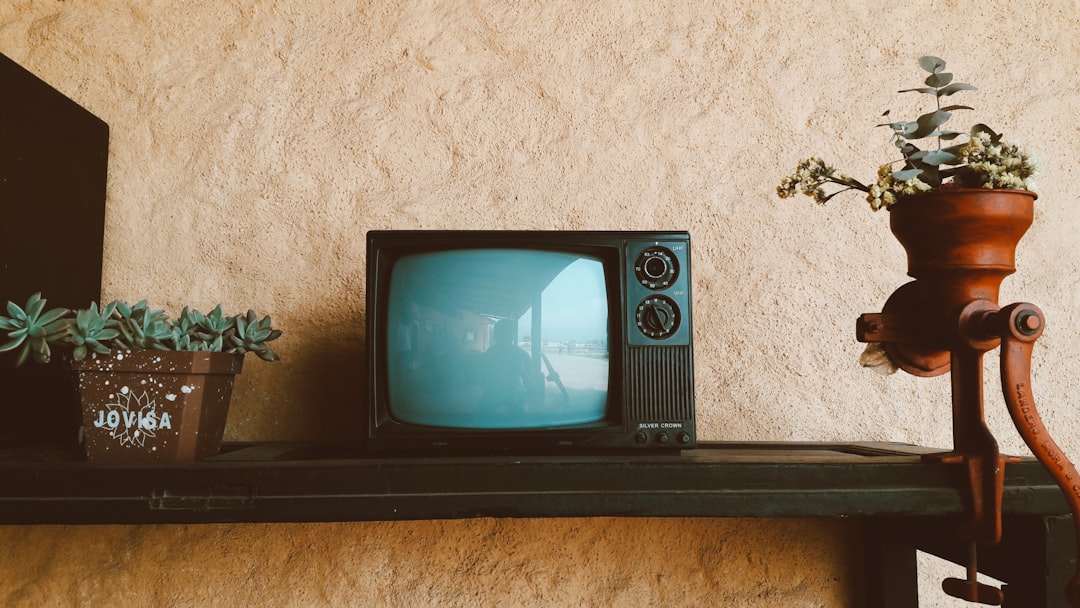
You’re sitting by the television, the static and hum a familiar, almost comforting sound. The remote, a chunky, utilitarian affair, lies heavy in your hand. You flick through the channels, or rather, you anticipate flicking through them. There are only three. Three distinct possibilities for your evening’s entertainment, or perhaps, your evening’s compromise. This isn’t a nostalgic look back at a bygone era, a romanticized memory of simpler times. This is an exploration of the tangible reality of living with a severely limited media landscape.
Your entertainment options are not a vast buffet; they’re a sparsely stocked pantry. You know the schedule. You know what’s on Channel 1, Channel 2, and Channel 3, with a certainty that borders on prescience. There’s no serendipity, no stumbling upon a hidden gem. Every viewing decision is a calculated exercise in managing limited resources.
The Scripted Predictability
You’ve seen the programs before. In fact, you’ve seen them multiple times. Reruns are not a supplementary offering; they are the backbone of the broadcast schedule. You can recite dialogue, predict plot twists, and anticipate the punchlines before they land. This isn’t about remembering; this is about ingrained repetition.
The Familiar Faces
The actors, the newscasters, the personalities – they become an extension of your own social circle, albeit a one-sided one. You know their quirks, their signature phrases, their preferred camera angles. When a new face appears, it’s a notable event, a deviation from the established order.
The Rehashed Content
The news cycles are shorter, the stories recycled. A local incident from last week might be revisited with a slightly different angle today. The national news, while covering broader issues, often presents the same core narratives across all available channels, perhaps with minor variations in emphasis or expert opinion.
The Absence of Niche
Forget specialized interests. If you’re keen on historical documentaries, obscure foreign films, or the intricacies of independent cinema, you are out of luck. Your three channels are designed for broad appeal, catering to the perceived lowest common denominator, or perhaps, the most consistently available audience.
The Universal Programming
The programs are designed to be digestible by the largest possible segment of the population. This means a reliance on established genres: sitcoms, dramas, news broadcasts, sports, and limited variety shows. Anything outside these parameters is a luxury that simply isn’t available.
The Lost Debates
The absence of niche programming also means the absence of dedicated intellectual discourse or specialized debate. You won’t find a channel devoted to philosophy, quantum physics, or avant-garde art. Your engagement with these topics, if it occurs at all, will be through general interest programs that touch upon them superficially.
Living with exactly three TV channels can be a nostalgic experience, reminiscent of a simpler time when viewers had to choose carefully what to watch. This reality often leads to creative ways of engaging with content, such as family discussions about the shows or making the most of limited options. For a deeper exploration of how limited television choices can impact viewing habits and family dynamics, you can check out this related article on the subject at Hey Did You Know This.
The Cultivation of Active Consumption
With so little to passively absorb, you are forced to become a more active participant in your own leisure. Entertainment, in this environment, is not a right; it’s something you must actively seek and create.
The Intention of Viewing
There’s no mindless channel surfing. Each flick of the dial is a deliberate choice, an investment of your limited time. You’re not just watching; you’re deciding to watch. This intentionality can, paradoxically, make the content feel more meaningful, simply because you’ve put conscious effort into selecting it.
The Pre-Planned Evenings
You learn to plan your evenings around the broadcast schedule. You know what’s on at 7 PM, 8 PM, and 9 PM. Miss a show? That’s it. There’s no on-demand viewing, no streaming service to catch up. This fosters a sense of punctuality and a respect for the broadcast window.
The Prioritization of Content
You learn to prioritize. Is tonight’s documentary more important than the rerun of your favorite sitcom? Do you want to catch the local news or the wrestling match? These are genuine dilemmas, not trivial choices between a dozen similar options.
The Emphasis on Discussion
When everyone is watching the same limited array of programs, there’s a natural inclination to discuss them. These conversations become a crucial part of the entertainment experience, expanding on the limited on-screen offerings.
The Shared Cultural Touchstones
The evening news report, the hit drama, the weekend sports event – these become shared experiences, common ground for conversation with colleagues, neighbors, and family. You have a mutual understanding, a collective reference point.
The Extended Narratives
Discussions can lengthen the life of a program. You can dissect plot points, debate character motivations, and speculate on future developments. The television screen becomes a starting point for a broader cultural dialogue.
The Rise of Alternative Pursuits

When the television offers little in the way of novel or engaging content, your attention naturally shifts elsewhere. The limitations of broadcast media can, ironically, foster a richer and more diversified personal life.
The Resurgence of Reading
Books, magazines, newspapers – these become essential companions. The quiet act of reading offers an escape that television cannot provide, a depth of exploration and immersion that is often absent from the flickering screen.
The Uninterrupted Narratives
Unlike the segmented nature of television, books offer a continuous flow of narrative. You can become lost in a story for hours, unburdened by commercial breaks or scheduled programming.
The Individualized Experience
Reading is an inherently personal experience. The world you create in your mind is unique to you, a private universe constructed from words on a page.
The Flourishing of Hobbies and Skills
With more time not spent passively consuming television, you are more likely to engage in activities that require active participation and skill development.
The Hands-On Engagement
Whether it’s knitting, woodworking, painting, or playing a musical instrument, these hobbies offer a sense of accomplishment and tangible output that television rarely provides.
The Creative Outlet
These pursuits serve as vital creative outlets, allowing you to express yourself and develop your talents in a way that is far more fulfilling than simply watching others perform.
The Social Dimension of Hobbies
Many hobbies can be social. Community craft groups, amateur sports leagues, and music ensembles provide avenues for connection and shared activity, fostering relationships beyond the passive consumption of media.
The Economic Imperative
The limited number of television channels is often a direct consequence of economic realities. This is not a deficit of choice; it’s a reflection of infrastructure, market demand, and investment.
The Cost of Broadcasting
Establishing and maintaining television channels requires significant financial investment. The infrastructure, the equipment, the licensing – all come at a considerable cost. In an environment with limited advertising potential, there’s less incentive for extensive expansion.
The Advertising Model
The primary revenue stream for many broadcast channels is advertising. With only three channels, the advertising market is concentrated, and advertisers may not be willing to invest in developing a wider array of specialized channels if the audience is fragmented too thinly.
The Production Investment
Creating original content is expensive. Without the potential for a large, dedicated audience that justifies the cost, investment in diverse programming is unlikely. This creates a feedback loop where limited channels lead to limited content, which in turn limits audience growth and further investment.
The Influence of Regulation
Government regulation plays a significant role in shaping the media landscape. In some regions, licensing bodies may restrict the number of channels available, either through scarcity of broadcast spectrum or through deliberate policy decisions.
The Spectrum Allocation
The radio frequency spectrum used for broadcasting is a finite resource. Its allocation and licensing are often tightly controlled, and this can limit the number of broadcasters who can operate.
The National Broadcasting Policies
National broadcasting policies might prioritize national unity, cultural preservation, or economic development, leading to regulations that favor a limited number of robust, state-controlled or heavily regulated channels rather than a free-for-all of niche providers.
Living with exactly three TV channels can be a unique experience that shapes one’s viewing habits and preferences. In a world filled with endless streaming options, the simplicity of having just a few channels can lead to a more intentional approach to entertainment. For those curious about the dynamics of such a lifestyle, a related article explores the implications of limited viewing choices and how it can foster creativity and family bonding. You can read more about this fascinating topic in the article found here.
The Long-Term Impact on Society
| Aspect | Details |
|---|---|
| Number of Channels | Three TV channels available |
| Programming Variety | Limited selection of shows and genres |
| Entertainment Options | Restricted choices for entertainment |
| Channel Surfing | Limited channel surfing experience |
| Advertising | Limited commercial breaks |
Living with a limited number of television channels has palpable effects on the social fabric, shaping how people interact, consume information, and perceive the world.
The Homogenization of Culture
When everyone is consuming largely the same media, it can lead to a homogenization of culture. Shared narratives, common catchphrases, and widely understood references can create a strong sense of collective identity.
The Shared Experiences
The shared viewing experiences, especially around major events or popular programs, can foster a sense of national or community cohesion. It provides a common language of cultural touchstones.
The Reduced Exposure to Diversity
Conversely, this homogenization can mean reduced exposure to diverse perspectives and subcultures. The absence of niche programming can mean that minority interests or alternative viewpoints struggle to find a platform.
The Development of Critical Thinking
While the content itself may be limited, the need to make choices and to engage with limited information can, in some individuals, foster a more critical approach to media consumption.
The Scrutiny of Information
When you know there are only a few sources of information, you might learn to scrutinize them more closely, to compare reports, and to question the inherent biases that exist even within limited broadcasts.
The Active Interpretation
You are less likely to passively accept what is presented. The scarcity encourages a more active form of interpretation, seeking meaning beyond the literal on-screen presentation.
In essence, life with three TV channels is not about deprivation; it’s about a different ecosystem of media consumption. It forces a re-evaluation of what constitutes entertainment, emphasizing engagement, personal pursuits, and the often-overlooked value of conversation and shared experience outside the glowing screen. It’s a reality that demands active participation, not passive reception.
FAQs
What are the challenges of living with only three TV channels?
Living with only three TV channels can be limiting in terms of entertainment options. Viewers may feel restricted in their choices and may miss out on a variety of programming.
What are the benefits of living with only three TV channels?
Living with only three TV channels can help reduce decision fatigue and the overwhelming amount of content available on traditional cable or streaming services. It can also encourage viewers to be more selective in their viewing choices.
How can one make the most of living with only three TV channels?
To make the most of living with only three TV channels, viewers can explore different genres and programming offered on each channel. They can also supplement their viewing with other forms of entertainment such as books, podcasts, or outdoor activities.
What are some alternatives to traditional TV channels for entertainment?
Some alternatives to traditional TV channels for entertainment include streaming services, online video platforms, podcasts, audiobooks, and outdoor activities. These alternatives offer a wide range of content and can cater to different interests and preferences.
How can living with only three TV channels impact daily life?
Living with only three TV channels can impact daily life by influencing viewing habits and preferences. It can also encourage individuals to seek out alternative forms of entertainment and may lead to more intentional and mindful viewing choices.