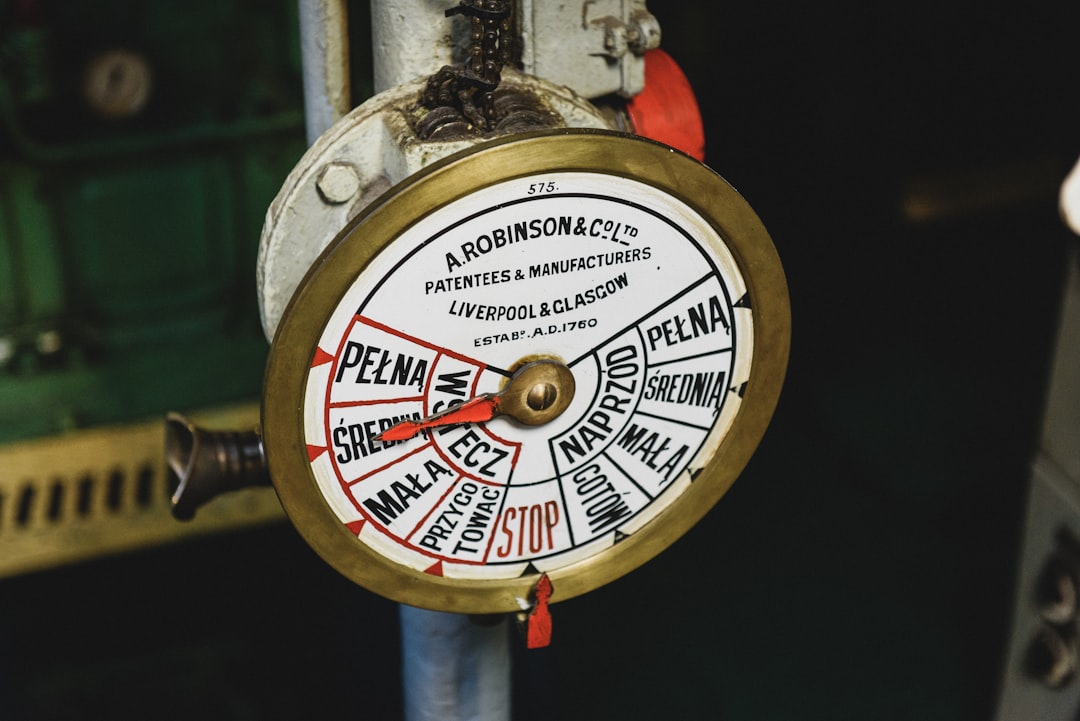
You’ve likely seen them, perhaps in older films or in a dusty corner of a historical society exhibit: those sturdy, mechanical contraptions, often with a prominent dial and a slot for a card. These are the descendants of the workman’s time recorder, a device that fundamentally reshaped the relationship between employer and employee, and profoundly impacted industrial history. You might wonder, how did such a seemingly simple machine come to be so significant? Its story is not one of sudden genius, but a gradual evolution rooted in practical needs and a persistent drive to quantify human effort.
Before the advent of the mechanical time recorder, tracking employee presence and hours was a far more rudimentary affair. Imagine the scene: a foreman, perhaps with chalk in hand, noting who shows up and who doesn’t. Or maybe a large ledger, where each worker meticulously signs in and out, reliant on their own honesty and the integrity of the person responsible for maintaining the record. These methods, while human-powered, were fraught with potential for error, bias, and outright deception.
The Ledger System and Its Flaws
The most common method for centuries relied on a physical ledger. As workers arrived, they would sign their name, often next to their shift start time. At the end of the day, or the end of the week, this ledger would be used to calculate wages. This system was simple, required no specialized equipment, and placed a direct responsibility on the worker. However, its weaknesses were readily apparent.
The Human Element of Error
Humans are prone to mistakes. A tired clerk might misread a signature, smudge an ink mark, or simply forget to record a late arrival. The sheer volume of entries in a busy factory could overwhelm a single individual, leading to inaccuracies. This could result in employees being underpaid or, conversely, paid for time they did not actually work, creating friction within the workplace.
The Potential for Deception
The ledger system also opened the door to manipulation. A worker arriving late might ask a colleague to sign them in, or perhaps alter their own entry to show an earlier arrival time. This practice, often termed “buddy punching” or simply falsifying records, was a constant concern for employers seeking to ensure that they were only paying for actual work performed. It eroded trust and created an environment where suspicion could breed.
The Rise of Industrialization and the Need for Precision
As the Industrial Revolution gained momentum, workforces grew exponentially. Factories became larger, and the concept of standardized shifts and hourly wages became more prevalent. The old, individualistic methods of tracking time simply could not keep pace with this new scale of operation. Employers needed a more objective, systematic, and reliable way to measure the labor they were purchasing. This growing demand for accuracy created a fertile ground for innovation.
Early Attempts at Mechanical Solutions
While the fully automated time recorder was still some way off, individuals began to experiment with mechanical devices to assist in timekeeping. These were often simple in concept, aiming to automate a specific aspect of the manual process. Their success was varied, but they represented important steps in thinking about how mechanics could improve accuracy.
The Concept of Stamping and Impressions
One of the earliest ideas involved a machine that could leave a mark or impression on a ticket or card. This was a step beyond just writing, introducing a more permanent and standardized method of recording. The idea was to overcome the legibility issues and the ease of alteration inherent in manual entries.
The Limitations of Early Prototypes
These early prototypes often suffered from a lack of robustness, complexity in operation, or simply an inability to address the full scope of timekeeping needs. They might have recorded the hour of arrival, but not necessarily the minute, or they might have been difficult to operate for multiple employees. Yet, these nascent attempts provided valuable lessons for future inventors.
The history of the workman’s time recorder patent is a fascinating topic that highlights the evolution of timekeeping technology in the workplace. For those interested in exploring this subject further, a related article can be found at this link, which delves into the significance of time recorders and their impact on labor management throughout history. This article provides valuable insights into how these inventions transformed the way employers tracked employee hours and contributed to the development of modern payroll systems.
The Dawn of the “Workman’s Time Recorder”
The true genesis of the integrated workman’s time recorder, the machine that would become a fixture of industrial life, is generally credited to the late 19th century. This was a period of intense innovation across many fields, and timekeeping was no exception. Several inventors, working independently and sometimes in direct competition, contributed to the development of what we recognize today as the time clock.
The Patent Landscape: A Crowded Field
The late 1880s and 1890s saw a flurry of patent applications related to “time recorders,” “workmen’s time recorders,” and similar titles. This indicates a collective recognition of a problem and a surge of creative energy directed towards solving it. Various approaches were patented, each attempting to offer a unique solution to the challenges of employee timekeeping.
The Contribution of Willard Sage Bundy
Willard Sage Bundy is a name frequently associated with the early development of the time recorder. His patents, particularly those from the late 1880s and early 1890s, laid significant groundwork. Bundy’s machines aimed to provide a more automated and less error-prone method of recording employee arrivals and departures.
Bundy’s Early Mechanisms
Bundy’s early designs often involved a central clock mechanism connected to individual stations. These stations would print a record of the time on a paper strip or ticket associated with each worker. The idea was to remove the need for manual signing and replace it with a more mechanical, and thus ostensibly more tamper-proof, process.
The Shift Towards Individual Cards
While paper strips were an initial approach, the concept of individual cards for each worker quickly gained traction. This offered better organization and easier retrieval of individual time records, which was crucial for payroll processing. The patent history reveals a progression from continuous paper rolls to more segmented card systems.
Other Notable Inventors and Their Innovations
Bundy was not alone. Numerous other individuals and companies pursued patents for timekeeping devices. These inventions often differed in their mechanical specificities, the method of printing, the card or paper format, and the security features employed.
The “International Time Recording Company” and its Roots
The lineage of some of the most enduring time recording companies can be traced back to these early patent holders. Companies like the International Time Recording Company, which later became a part of the burgeoning computing and business machine industry, were built upon these foundational patents. Their success lay in refining the technology and marketing it effectively to an industrializing nation.
Innovations in Printing and Card Handling
Different inventors tackled the problem of accurately printing time onto a medium. Some used type wheels, others used styluses or punches. The mechanisms for feeding and retaining the cards also varied, leading to different levels of mechanical complexity and durability.
The Core Functionality: What Did These Machines Do?
At their heart, these early workman’s time recorders aimed to achieve a few key objectives: record the arrival and departure times of employees, provide a verifiable and objective record, and simplify the process of calculating wages. The technology employed was mechanical, relying on gears, springs, and levers, powered by a clock mechanism.
The “Punching” or “Printing” Mechanism
The defining action of these machines was the imprinting of time onto a card. This was typically achieved by the worker inserting their card into a slot on the machine. Upon activation, either by the worker or the machine’s internal mechanism, a hammer or mechanism would strike a print wheel, leaving an impression of the current time on the card.
The Role of the Central Clock
A crucial component was the master clock that drove the entire system. This clock determined the accuracy of the time printed on each card. The reliability and precision of this master clock were therefore paramount to the overall effectiveness of the time recorder system.
The Use of Individual Employee Cards
The introduction of individualized cards was a significant step. Each worker had their own card, marked with their name or employee number. This allowed for the straightforward tracking of individual work hours and facilitated the segregation of data for payroll purposes.
Evolution and Refinement: From Mechanical Masters to Digital Age

The initial patents for workman’s time recorders were just the beginning. The technology, while revolutionary for its time, was not static. Throughout the early and mid-20th century, these machines underwent continuous refinement, becoming more robust, more accurate, and incorporating features that addressed evolving workplace needs.
Improving Durability and Reliability
Early mechanical devices, while innovative, could be prone to wear and tear. Manufacturers focused on building stronger casings, more durable internal mechanisms, and improving the longevity of the printing components. The harsh environments of factories demanded machines that could withstand significant use.
Robust Construction and Materials
The transition from delicate clockwork to heavier-duty components reflected the need for machines that could endure the vibrations, dust, and general hard knocks of industrial settings. Cast iron casings and hardened steel parts became more common.
Enhanced Accuracy and Calibration
Ensuring that the time printed on the cards was as accurate as possible was a constant goal. Regular calibration and improved clock mechanisms were developed to maintain precision over time, reducing discrepancies in wage calculations.
The Introduction of New Features
As the needs of employers became more sophisticated, time recorder manufacturers responded with new functionalities. These were designed to offer greater control, automate more processes, and provide more detailed information.
The “In” and “Out” Stamp System
A significant development was the ability for the machine to differentiate between arrival and departure times for a single worker on the same card for a given day. This was often achieved through a dual-stamp mechanism or a selector switch that the employee would use. This simplified payroll calculations by providing a clear record of total hours worked.
The Perforating Time Recorders
Some later mechanical designs incorporated perforations instead of ink prints. This offered a potentially more tamper-proof record, as altering a series of holes would be more difficult than altering ink. These machines would punch a specific pattern of holes corresponding to the time.
The Shift Towards Automatic Feed and Card Ejection
While some early machines required manual card insertion and retrieval for each stamp, later models incorporated more automatic features. This reduced the user interaction required, speeding up the process for employees and further minimizing the potential for errors.
The Transition Towards Electrical Power
The ultimate mechanical evolution involved the integration of electrical power. This offered greater consistency and eliminated the need for manual winding of the master clock.
The Electric Clock Mechanism
Replacing the purely mechanical clock with an electrically powered one provided a more stable and accurate timekeeping reference. This also opened the door for more complex automated functions.
Electrically Driven Printing Hammers
Electric solenoids were used to power the printing mechanisms, replacing the purely mechanical hammer action. This allowed for more precise control over the stamping process and could often operate faster.
The Patent as a Foundation for Industry
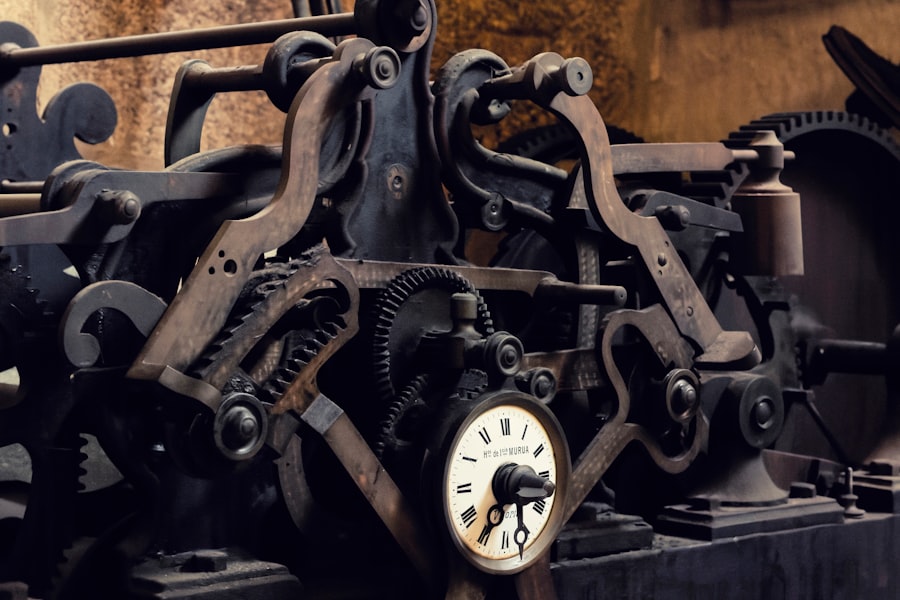
The patents for workman’s time recorders were not merely academic exercises; they were the bedrock upon which a significant new industry was built. These grants of intellectual property allowed inventors and their companies to invest in manufacturing, marketing, and further research and development. The protection offered by patents incentivized this investment and ultimately led to the widespread adoption of timekeeping technology.
Intellectual Property and the Growth of a Market
Patents provided a legal framework for the protection of innovative designs. This allowed companies to recoup their development costs and make profits, which in turn fueled further innovation and the expansion of manufacturing capabilities. Without this protection, it would have been far easier for competitors to copy early designs, potentially stifling further progress.
The Economic Impact of Time Recording
The economic implications of accurate time recording were profound. For employers, it meant a more equitable and verifiable system for payroll. This reduced labor costs associated with errors and fraud, and allowed for more accurate budgeting and resource allocation.
The Rise of Specialized Manufacturing
The demand for time recorders spurred the growth of specialized manufacturing companies. These firms focused solely on the design, production, and sale of timekeeping equipment, developing expertise and economies of scale that further lowered costs and improved product quality.
The Legal Battles and Patent Enforcement
As with any burgeoning technological field, the patent landscape was not without its disputes. There were likely instances of alleged patent infringement, and companies had to actively defend their intellectual property through legal channels. This often involved meticulous examination of existing patents and claims.
Disputes Over Originality and Prior Art
When new patents were filed, they were often scrutinized against existing “prior art”—previously existing inventions or disclosures. Disputes could arise if one inventor claimed a patent for something that had already been described or conceived.
Establishing Dominance Through Patents
A strong portfolio of patents could provide a company with a dominant position in the market. It allowed them to control key aspects of the technology and license it to others, or to prevent competitors from using certain innovations.
The Role of Patents in Standardization
While patents protected individual innovations, the collective body of patents also contributed to a de facto standardization of the industry. Certain methods of printing, card formats, and operational principles became more common as they proved effective and were widely adopted. This eased the process for businesses choosing a system and for manufacturers producing related components.
The history of the workman’s time recorder patent is a fascinating journey through the evolution of labor management and efficiency in the workplace. This invention not only revolutionized how employers tracked employee hours but also laid the groundwork for modern timekeeping systems. For those interested in exploring more about the impact of such innovations on labor practices, a related article can be found at Hey Did You Know This, which delves into various inventions that have shaped our work environments over the years.
The Legacy of the Workman’s Time Recorder Patent
| Year | Event |
|---|---|
| 1888 | Willard Le Grand Bundy patents the first workman’s time recorder |
| 1911 | IBM introduces the first electric time clock |
| 1958 | First computerized time clock is introduced |
| 1978 | Biometric time clocks are developed |
The impact of the workman’s time recorder patents extends far beyond the individual machines themselves. They represent a pivotal moment in the history of labor relations, industrial efficiency, and the broader application of mechanical and, later, electronic technology to everyday business operations. The principles established by these early patents continue to influence how we track work today.
Reshaping Labor Relations and Management Practices
The introduction of the time recorder fundamentally altered the relationship between employers and employees. It shifted the focus from subjective assessment to objective measurement. This brought about a new era of accountability and, for many, a more disciplined work environment.
The Quantified Worker
By precisely measuring time, employers could more accurately assess productivity and the cost of labor. This led to a more data-driven approach to management and the beginnings of scientific management principles, which sought to optimize work processes.
The Shift in Trust and Accountability
While some viewed the time recorder as a tool of mistrust, it also provided a clear and unbiased record, protecting honest workers from accusations of laziness or time-wasting. It established a new form of accountability where both employer and employee operated within a defined temporal framework.
The Foundation for Modern Time and Attendance Systems
The mechanical and electromechanical time recorders of the past paved the way for the sophisticated digital time and attendance systems we use today. The core need–to accurately track who is present and for how long–remains the same, but the technology has evolved dramatically.
From Mechanical to Electronic
The transition from purely mechanical systems to electronic ones was a natural progression, driven by the advancements in electronics and computing. These digital systems offered greater flexibility, enhanced data processing capabilities, and integration with other business software.
The Evolution of Tracking Methods
Modern systems employ a vast array of methods, from magnetic stripe cards and proximity cards to biometric scanners (fingerprint, facial recognition) and even mobile app check-ins. These advancements are all built upon the foundational concept of quantifying work time, a concept solidified by the early workman’s time recorder patents.
The Enduring Significance of Objectivity in the Workplace
The legacy of the workman’s time recorder patents is the enduring significance of objective measurement in the workplace. They demonstrated the feasibility and benefits of using technology to systematize processes, ensure fairness, and drive efficiency. Even as the machines themselves have become relics of a bygone industrial era, the principles they introduced continue to shape our understanding of work and its value. The historical journey from a ledger book to a digital punch-in system, driven by the legal and technological foundations laid by these early patents, is a testament to a persistent human endeavor to measure, manage, and ultimately, to work more effectively.
FAQs
1. What is a workman’s time recorder patent?
A workman’s time recorder patent refers to a patent for a device that records the time worked by employees. This type of patent typically covers inventions related to time clocks, punch clocks, or other devices used to track and record the hours worked by employees.
2. When was the first workman’s time recorder patent issued?
The first workman’s time recorder patent was issued to Willard Le Grand Bundy on November 20, 1888. Bundy’s invention, known as the “Workman’s Time Recorder,” was the first successful time clock and laid the foundation for modern timekeeping systems.
3. How did the workman’s time recorder patent impact the workforce?
The workman’s time recorder patent revolutionized the way businesses tracked and recorded employee work hours. It provided a more accurate and efficient method for monitoring employee attendance and work hours, leading to increased productivity and improved labor management.
4. Who were the key figures in the history of the workman’s time recorder patent?
Key figures in the history of the workman’s time recorder patent include Willard Le Grand Bundy, who invented the first successful time clock, and his brother Harlow Bundy, who founded the Bundy Manufacturing Company to manufacture and sell the time clocks.
5. How has the workman’s time recorder patent evolved over time?
Since the issuance of the first workman’s time recorder patent, the technology and design of time clocks and timekeeping systems have evolved significantly. Today, digital and biometric timekeeping solutions have replaced traditional punch clocks, offering more advanced features and capabilities for tracking employee work hours.