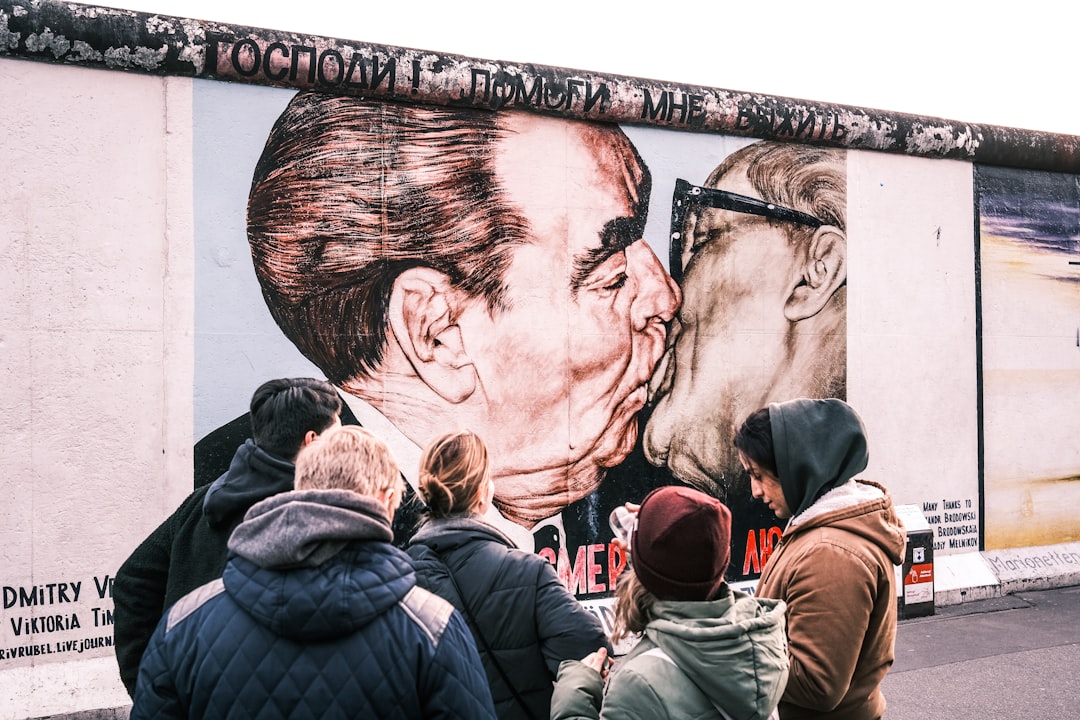
The functioning of the Berlin Wall was a multifaceted and complex undertaking, deeply embedded within the geopolitical realities of the Cold War. Its primary purpose was to stem the tide of emigration from the German Democratic Republic (GDR) to West Berlin, and by extension, West Germany and the wider Western bloc. However, its operational mechanisms extended beyond mere physical obstruction, encompassing a sophisticated system of surveillance, control, and propaganda. Understanding its functioning requires dissecting its construction, the military and paramilitary forces tasked with its enforcement, the technological advancements employed to maintain its integrity, and the psychological and social impacts it had on the lives of those it affected.
The Post-War Division of Germany and Berlin
Following the defeat of Nazi Germany in World War II, the Allied powers—the United States, the United Kingdom, France, and the Soviet Union—divided the country into four occupation zones. Berlin, located deep within the Soviet zone, was similarly partitioned, creating an anomaly of four sectors within a single city. This division, initially intended as a temporary measure, quickly solidified as ideological tensions between the Soviet Union and the Western Allies escalated. The differing political and economic systems implemented in the respective zones laid the groundwork for a de facto separation of Germany, a division that would have profound consequences for Berlin.
The initial years after the war saw relative freedom of movement between sectors of Berlin. West Berlin became a beacon of Western prosperity and democracy, in stark contrast to the austerity and political repression of the Soviet-controlled East. This disparity, coupled with the continued presence of Western influence within the heart of Soviet-controlled territory, made Berlin a focal point of Cold War competition.
The Escalating Emigration Crisis
The economic and political freedoms available in West Berlin acted as a powerful magnet for citizens of the GDR. From the establishment of the GDR in 1949, there was a consistent outflow of its population towards the West. This emigration was not merely a symptom of economic disparity; it was also a clear repudiation of the GDR’s communist system and its accompanying restrictions on personal liberties. By 1960, an estimated 2.7 million East Germans had already fled, primarily through the relatively open borders within Berlin. This “brain drain,” as it was perceived by the GDR leadership, threatened the very stability and legitimacy of the state. Skilled workers, intellectuals, and professionals were disproportionately represented among the emigrants, further exacerbating the GDR’s economic challenges and undermining its propaganda efforts.
The GDR leadership, under Walter Ulbricht and with the strong backing of the Soviet Union, viewed this emigration as an existential threat. They labeled it “Republikflucht” (flight from the republic) and a hostile act orchestrated by the West. The pressure to find a definitive solution to this seemingly unstoppable exodus intensified.
The Sudden and Deceptive Construction
The decision to construct the Berlin Wall was made in extreme secrecy by the GDR leadership and its Soviet patrons. The operation, codenamed “Rose,” was launched in the early hours of August 13, 1961. Beginning with barbed wire and makeshift barricades, the rudimentary defenses were rapidly reinforced and expanded over the subsequent days and weeks. The suddenness of the construction caught West Berlin and the international community largely by surprise, although intelligence had suggested some such action was possible. The initial announcement framed the barrier as an “Antifascist Protection Rampart” (Antifaschistischer Schutzwall), a deliberate misdirection designed to portray the measure as defensive against Western “fascist” aggression rather than an instrument of internal repression. This propaganda narrative, however, was widely dismissed by the West and many within the GDR itself, who understood its true purpose.
The construction itself was carried out with remarkable speed and efficiency, reflecting the GDR’s meticulous planning. It involved not only the erection of physical barriers but also the sealing off of streets, railway lines, and waterways that connected East and West Berlin. The rapid deployment of border guards and military personnel underscored the zero-tolerance approach to any attempts to breach the nascent barrier.
The Berlin Wall, a symbol of the Cold War, was not just a physical barrier but also a complex system of surveillance and control that effectively separated East and West Berlin for nearly three decades. To understand how the Berlin Wall functioned and the various measures implemented to prevent escapes, you can explore a related article that delves into its historical significance and operational mechanisms. For more insights, visit this article.
The Military and Paramilitary Enforcement Apparatus
The Border Troops of the German Democratic Republic (GTS)
The primary custodians of the Berlin Wall were the Grenztruppen der DDR (Border Troops of the German Democratic Republic). This paramilitary force, established in 1961, was directly subordinate to the Ministry of National Defense. Their mandate was clear and absolute: to prevent any unauthorized crossing of the border. The GTS operated with a rigid command structure, mirroring that of a conventional military force, and its personnel were chosen for their loyalty to the regime and their ideological conformity. They were trained in surveillance, pursuit, and, crucially, the use of deadly force.
The sheer scale of the GTS personnel deployed along the Wall was immense. At its peak, approximately 45,000 guards were stationed along the entire inner-German border, with a significant portion dedicated to the Berlin sector. These guards operated in shifts, ensuring constant vigilance along the fortified perimeter. Their daily routines involved patrols, manning watchtowers, and maintaining the elaborate network of sensors and alarms.
The Role of the Volkspolizei and Stasi
While the GTS held direct responsibility for border enforcement, other security organs of the GDR played crucial supporting roles. The Volkspolizei (People’s Police) were present in the areas bordering the Wall, conducting general law enforcement and assisting in the apprehension of individuals attempting to escape. Their presence served to deter any potential attempts and to maintain order in the vicinity.
More insidious in its function was the role of the Staatssicherheitsdienst (Stasi), the GDR’s notorious secret police. The Stasi’s involvement extended beyond mere border enforcement. They were deeply embedded in intelligence gathering, surveillance, and counter-intelligence operations directed at thwarting escape attempts. Informants within the population provided crucial intelligence on individuals contemplating flight, allowing the Stasi to preemptively detain them before they could reach the border. Furthermore, the Stasi actively discouraged dissent and reported any discussions or preparations for escape, creating an atmosphere of pervasive surveillance and suspicion.
The Policy of Shoot-to-Kill (“Schießbefehl”)
The most brutal aspect of the Wall’s functioning was the explicit policy of using deadly force against those attempting to cross. The “Schießbefehl” (shoot-to-kill order) was a standing directive to border guards, authorizing them to shoot any individual attempting to breach the fortifications. While the implementation of this order was often debated and sometimes shrouded in official obfuscation, the tragic reality of hundreds of deaths at the Wall serves as stark testament to its existence. The number of individuals killed attempting to cross the Wall is a subject of ongoing historical research, with estimates varying, but consistently reaching into the hundreds. These deaths were not isolated incidents but a direct consequence of a policy designed to deter escape through extreme violence.
The order was not universally enthusiastic among all guards. Many were young men, conscripted into service, and the psychological toll of being ordered to kill fellow citizens was undoubtedly severe for some. However, the rigorous ideological indoctrination and the fear of reprisal for insubordination ensured that the directive was largely, though not always, followed.
The Physical Structure and Technological Defenses
The Evolving Nature of the Barrier
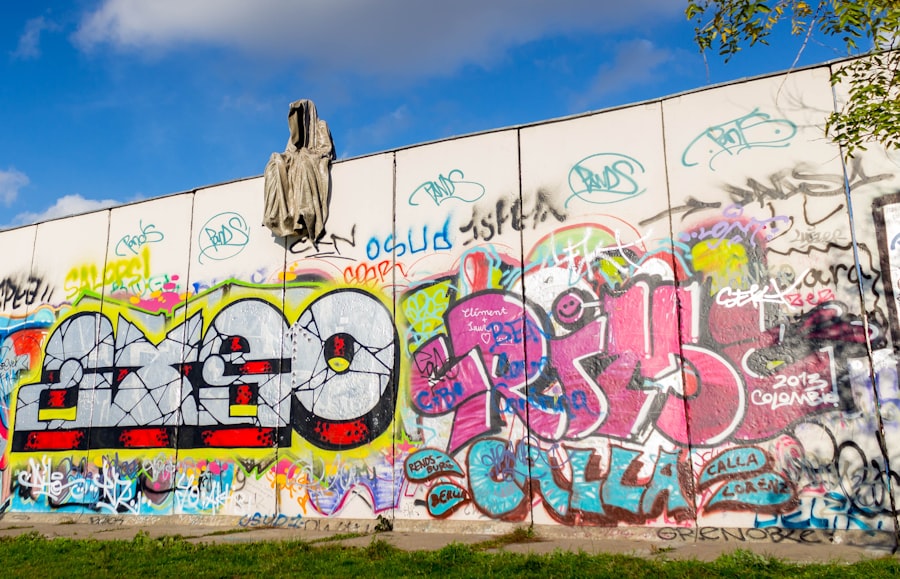
The Berlin Wall was not a static entity. It underwent continuous improvement and reinforcement throughout its existence, evolving from a simple barbed-wire fence to a formidable, multi-layered barrier. The initial construction of August 1961 was a rapid improvisation. However, by the mid-1960s, this had been replaced by more substantial concrete walls, often faced with smooth tiles to prevent easy climbing. Over time, successive iterations incorporated increasingly sophisticated defensive elements.
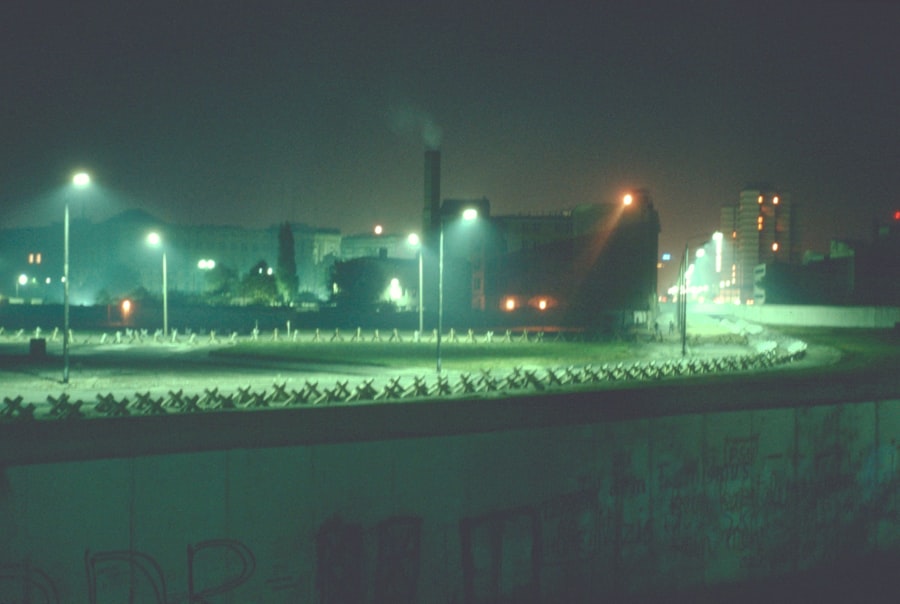
The Wall was not a single, continuous structure but a complex system of impediments. It evolved into a “death strip” (Todesstreifen), a zone of no man’s land between the inner and outer walls. This strip was meticulously maintained and heavily fortified, designed to make any escape attempt virtually impossible.
The Components of the Death Strip
Within the death strip, a variety of deadly obstacles were strategically placed.
The Inner Wall
The first layer of defense for those in the West was the inner wall, often a concrete structure or a wire mesh fence. This was the immediate barrier to overcome.
The Patrol Road
Between the inner and outer barriers lay the patrol road, a wide, open gravel or paved surface. This allowed border guards in vehicles to patrol the length of the Wall and provided a clear view of any activity in the death strip. The gravel was often maintained to make footprints clearly visible.
Watchtowers and Observation Posts
Strategically placed along the Wall were numerous watchtowers, equipped with powerful searchlights and observation equipment. These towers offered elevated vantage points for guards to survey the entire area. Many were staffed twenty-four hours a day, providing constant monitoring of the border.
Anti-Vehicle Trenches and Barricades
To prevent any attempts to breach the Wall with vehicles, deep trenches were dug and anti-tank obstacles and barricades were strategically placed. These were designed to incapacitate or halt any vehicle attempting a rapid assault.
The Outer Wall and Signal Fences
The final and most imposing obstacle was the outer wall, typically a more robust concrete structure. Beyond this, in many sections, were signal fences. These wires were designed to trigger alarms when touched or cut, alerting guards to an attempted breach.
Mines and Tripwires (Later Removed)
In some sections and at various points in the Wall’s history, landmines and tripwire-activated alarms were also deployed in the death strip. These were particularly dangerous and indiscriminate, posing a lethal threat to anyone entering the zone, including border guards themselves. Due to the inherent dangers and the international outcry, many of these were eventually removed, particularly in the later years.
Lighting and Surveillance Technology
The death strip was illuminated by powerful searchlights, ensuring visibility even during the darkest nights. The GDR also invested in increasingly sophisticated surveillance technologies, including motion detectors, acoustic sensors, and even early forms of thermal imaging, all aimed at detecting and thwarting any unauthorized movement.
The Border Fortification System
Beyond the immediate death strip, the entire inner-German border, of which the Berlin Wall was a part, was a heavily fortified zone. This system of fortifications was designed to create a formidable obstacle, making any attempt to cross extremely difficult and dangerous. The GDR’s border fortification system was a testament to the meticulous, albeit brutal, planning that underpinned its border control policies. It represented the physical manifestation of the Iron Curtain, a barrier of concrete, wire, and fear.
The “Special Areas” and Escape Routes
Restricted Zones and Civilian Access
Adjacent to the Wall, particularly on the East German side, were heavily restricted zones. These areas were effectively off-limits to most civilians, with access tightly controlled by the border guards and the Stasi. The purpose of these zones was to create a buffer, to prevent unauthorized individuals from getting too close to the Wall and to provide clear lines of sight for surveillance. Residents living in these areas often faced constant scrutiny and their movements were carefully monitored. The existence of these zones further emphasized the pervasive nature of state control and the separation enforced by the Wall.
Ingenuity and Desperation in Escape Attempts
Despite the formidable defenses, the human desire for freedom fueled an extraordinary level of ingenuity and desperation in escape attempts. Over the nearly three decades of the Wall’s existence, individuals devised an astonishing array of methods to circumvent its formidable defenses. These attempts ranged from simple to incredibly elaborate, demonstrating the lengths to which people would go to escape the GDR.
Tunneling Operations
Perhaps the most famous and daring escape methods involved tunneling. Groups of East Germans, often working in secret with assistance from West Berliners, dug tunnels beneath the Wall. These operations were incredibly risky, requiring immense planning, resources, and the constant threat of discovery. Numerous tunnels were dug along the Wall’s length, with varying degrees of success. Some were discovered before completion, leading to arrests and severe punishment, while others successfully allowed dozens, or even hundreds, of people to reach freedom.
Makeshift Vehicles and Improvised Crossings
Other escapees employed more direct, albeit often less successful, methods. Some attempted to use souped-up vehicles, like modified Trabants, to ram through sections of the Wall, though these attempts were rarely successful and often resulted in death. Others used modified vehicles like hot air balloons, homemade submarines, or even by hiding in the trunks of cars attempting to pass through checkpoints.
Swimming and Climbing Efforts
The waterways that formed part of the border were also exploited. Individuals attempted to swim across the Spree River or other waterways separating East and West Berlin. These attempts were perilous due to cold water, strong currents, and the constant surveillance by border guards. Climbing the Wall was also attempted, but the smooth surfaces and the constant vigilance of guards made this a highly dangerous endeavor.
The Role of the Checkpoints and Border Crossings
While the Wall was primarily a symbol of division and exclusion, there were a limited number of official border crossings, primarily in Berlin, which were controlled by armed guards. These checkpoints, such as Checkpoint Charlie, were tightly regulated and generally only allowed passage for authorized individuals, diplomats, tourists, and a strictly controlled number of West Berliners visiting relatives in the East.
The functioning of these checkpoints was a core aspect of the Wall’s operational control. Every individual attempting to cross was subjected to rigorous scrutiny, including identity checks, luggage inspections, and a determination of their travel permit’s validity. The atmosphere at these crossings was often tense, with the ever-present threat of being denied passage or worse.
Limited Inter-City Travel
Despite the strict controls, there was some limited, tightly controlled travel between East and West Berlin. This was typically restricted to specific categories of individuals and for clearly defined purposes. For most East Germans, the journey to the West was effectively impossible after the Wall’s erection.
The Transit Agreement
The presence of West Berlin within GDR territory necessitated some level of regulated interaction. The Transit Agreement of 1971, negotiated between the GDR and the Western Allies, established specific rules for passage between West Germany and West Berlin through GDR territory, and vice-versa. This agreement facilitated essential road and rail traffic but did not open the Wall to general emigration.
Propaganda and Psychological Warfare
The checkpoints also served as instrumental points for propaganda and psychological warfare. Western media outlets often filmed at these locations, highlighting the stark contrast between the two systems. Conversely, the GDR used these crossings to enforce its narrative of Western aggression and the necessity of the Wall. The constant presence of armed guards and the visible separation were potent tools of intimidation and control.
The Berlin Wall was not just a physical barrier but also a complex system of surveillance and control that shaped the lives of millions. To understand how it functioned beyond its concrete structure, you can explore a related article that delves into the various mechanisms used to enforce the division of East and West Berlin. This insightful piece highlights the intricate security measures and the psychological impact on the people living in its shadow. For more information, check out this fascinating article on the topic here.
The Economic and Social Functionalities of Isolation
| Aspect | Details |
|---|---|
| Construction | Built in 1961, the Berlin Wall was made of concrete and included guard towers, anti-vehicle trenches, and a no-man’s land. It was approximately 155 km long. |
| Dividing Berlin | The wall divided East Berlin from West Berlin, separating families and restricting movement between the two parts of the city. |
| Guarded Border | The wall was heavily guarded by armed soldiers and included a complex system of barriers to prevent escape attempts. |
| Escape Attempts | Many people attempted to escape over the wall, with some successful attempts using tunnels, hot air balloons, and other creative methods. |
| Impact | The Berlin Wall symbolized the division between East and West during the Cold War and had a significant impact on the lives of Berliners until its fall in 1989. |
The GDR’s Economic Control and Isolation
The Berlin Wall served as a crucial element in the GDR’s strategy of economic self-sufficiency and isolation. By preventing the outflow of its skilled workforce and consumers, the GDR aimed to maintain a degree of economic stability, albeit at a lower standard of living compared to the West. The Wall allowed the state to centralize and control its economic resources, directing them towards established state-run industries and services. This isolation, however, came at a significant cost, stifling innovation and preventing the GDR from fully participating in the global economy.
The planned economy of the GDR relied on the retention of its labor force to meet production quotas. The open border in Berlin represented a constant threat to this carefully constructed system. The Wall, therefore, allowed the regime to dictate labor allocation and to prevent the erosion of its industrial base.
The Creation of an “Us vs. Them” Mentality
The functioning of the Berlin Wall extended beyond its physical and military aspects to encompass significant psychological and social dimensions. The barrier served as a potent symbol of the ideological divide between East and West, fostering an “us vs. them” mentality within both German states and across the broader Cold War landscape.
Propaganda and Indoctrination
On the East German side, the Wall was consistently portrayed in state propaganda as a necessary defense against Western aggression and capitalist exploitation. Children were taught from an early age that the Wall protected them from a dangerous and decadent West. This narrative aimed to legitimize the regime’s actions and to foster loyalty to the socialist state. The constant threat of “Republikflucht” was used to justify the harsh measures and to solidify the perception that the West was a threat to their way of life.
The Stifling of Open Discourse and Dissent
The pervasive surveillance and the fear of reprisal associated with the Wall’s enforcement created an atmosphere of silence and self-censorship within the GDR. Open discussion of the Wall’s illegitimacy or any desire to escape was dangerous. This stifling of dissent contributed to a sense of isolation and disempowerment for many citizens. The lack of free expression and the constant threat of being labeled a traitor or an enemy of the state had a profound impact on social interactions and individual freedoms.
West Berlin as a Symbol of Freedom and a Window to the West
For West Berliners and the wider Western world, the Wall became a stark symbol of communist oppression and the denial of basic human rights. It served as a constant reminder of the ongoing struggle for freedom and democracy. West Berlin, despite its isolated geographical position, functioned as a vibrant outpost of Western culture and ideology, a tangible counterpoint to the East. The visible division of the city was a powerful propaganda tool for the West, highlighting the failures of the communist system. The constant presence of the Wall also facilitated a unique sense of solidarity and resilience within West Berlin, a city that lived in the shadow of division and a constant potential flashpoint.
The Human Cost: Families Divided and Lives Disrupted
The most profound and tragic consequence of the Wall’s functioning was the tearing apart of families and the disruption of countless lives. The physical barrier physically separated parents from children, siblings from each other, and loved ones from one another, often for decades. The emotional toll of this forced separation was immense, creating a legacy of pain and longing that persisted long after the Wall’s fall.
The inability to visit relatives, attend family events, or simply maintain contact created deep emotional scars. The reunions, when they finally occurred after 1989, were often emotional and poignant, but they could not fully erase the years of enforced separation and the memories of those lost in escape attempts or to the oppressive regime. The Wall was not just a political construct; it was a deeply personal tragedy for millions.
The Decline and Fall of the Berlin Wall
Internal Pressures and Reform Movements
By the late 1980s, the GDR’s rigid political and economic system was facing mounting internal and external pressures. Economic stagnation, coupled with growing public discontent and the influence of reform movements sweeping across Eastern Europe, began to erode the regime’s authority. The desire for freedom of movement, a core grievance associated with the Wall, became increasingly vocal.
The reforms initiated by Mikhail Gorbachev in the Soviet Union, particularly his policies of Glasnost (openness) and Perestroika (restructuring), created a more permissive environment in Eastern Bloc countries. While the GDR leadership initially resisted these changes, the tide of popular demand for reform became undeniable. Peaceful protests, characterized by slogans like “Wir sind das Volk!” (We are the people!), grew in size and frequency, challenging the legitimacy of the ruling Socialist Unity Party (SED).
The Opening of Borders in Other Eastern Bloc Countries
Crucially, the GDR’s isolation was breaking down as other Eastern Bloc nations began to liberalize their own border policies. Hungary’s decision in May 1989 to dismantle its border fortifications with Austria created a loophole. Thousands of East Germans began traveling to Hungary, hoping to cross into Austria and then reach West Germany. This exodus further intensified the pressure on the GDR government. Similar developments in Czechoslovakia and Poland added to the growing sense that the Iron Curtain was beginning to crumble.
The Accidental Press Conference and the Floodgates Open
The immediate catalyst for the Wall’s fall was a poorly managed press conference held by the GDR’s party boss, Günter Schabowski, on November 9, 1989. When asked about new travel regulations, Schabowski, apparently poorly briefed, fumbled his response, suggesting that East Germans were free to travel abroad “immediately, without delay.” This declaration, broadcast live, was widely interpreted as a signal that the Wall was opening.
Within hours, enormous crowds of East Berliners gathered at the border crossings, demanding passage. The border guards, receiving no clear orders from above and overwhelmed by the sheer number of people, eventually yielded. The first gates were opened, and a spontaneous, jubilant flood of East Berliners poured into West Berlin. The scenes of reunion and celebration were broadcast around the world, marking a pivotal moment in the end of the Cold War.
The Symbolic and Physical Demolition
The fall of the Wall marked the end of an era. While the initial opening was largely spontaneous, the dismantling of the physical structure commenced shortly thereafter. Citizens, armed with hammers and chisels, began to chip away at the concrete barrier, claiming pieces as souvenirs. This spontaneous demolition was soon followed by organized efforts to remove the Wall, transforming a symbol of division into a memorial and a testament to the triumph of freedom. The physical eradication of the Wall was a powerful symbolic act, signaling the reunification of Germany and the broader geopolitical shifts occurring in Europe. The functioning of the Berlin Wall, a symbol of repression and division, had definitively ceased.
FAQs
1. What was the purpose of the Berlin Wall?
The Berlin Wall was constructed by the German Democratic Republic (East Germany) in 1961 to prevent the mass emigration of East Germans to West Germany and to stop the influence of Western culture in East Berlin.
2. How did the Berlin Wall physically work to prevent people from crossing?
The Berlin Wall was a series of concrete walls, barbed wire, guard towers, and other barriers that completely encircled West Berlin. It was heavily guarded by armed soldiers and included a “death strip” with anti-vehicle trenches and trip-wire machine guns to prevent escape attempts.
3. What were the consequences for attempting to cross the Berlin Wall?
Anyone caught trying to escape across the Berlin Wall faced severe consequences, including imprisonment, torture, and even death. The East German government had a shoot-to-kill policy for anyone attempting to cross the border.
4. How did the Berlin Wall impact the lives of Berliners and Germans as a whole?
The Berlin Wall physically and emotionally divided families, friends, and communities. It also symbolized the larger division between the democratic West and the communist East during the Cold War. The wall became a powerful symbol of the Iron Curtain and the oppression of the Eastern Bloc.
5. When and how did the Berlin Wall finally come down?
The Berlin Wall fell on November 9, 1989, as a result of a series of peaceful protests and political changes in East Germany. The wall’s destruction symbolized the end of the Cold War and the reunification of East and West Germany.