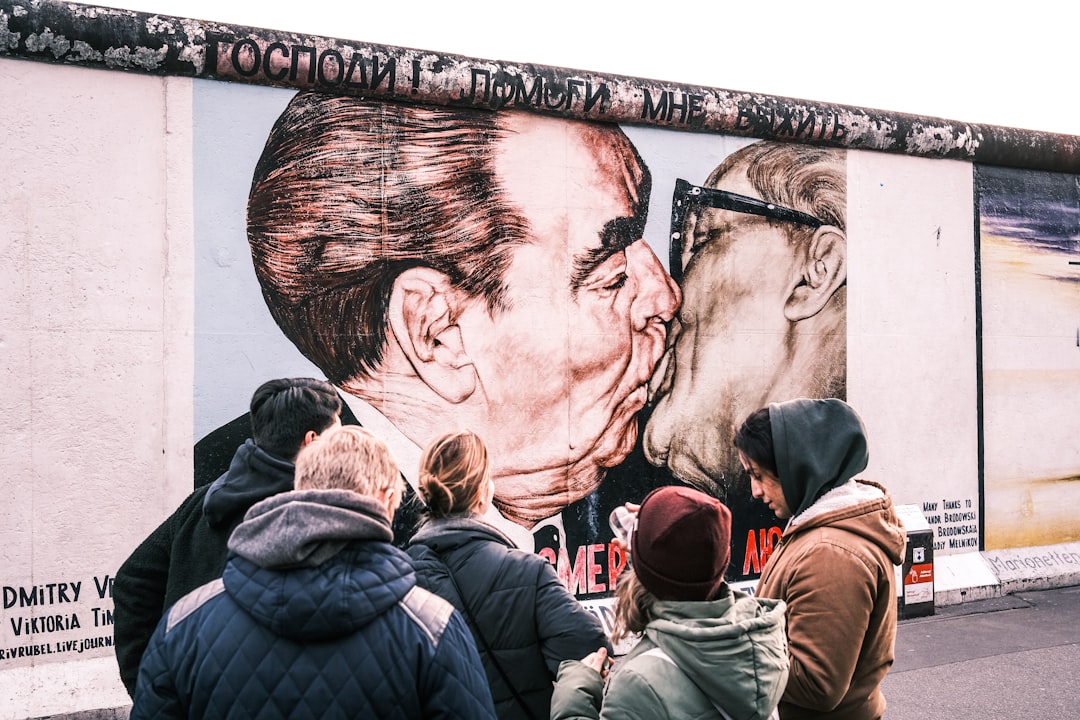
The sheer, brutal efficiency of the Berlin Wall was not its only defining characteristic. Behind the concrete, barbed wire, and watchtowers lay a staggering economic reality. The construction, maintenance, and ultimate demolition of this imposing barrier represented a colossal expenditure, a “Billion Dollar Prison” that drained the resources of both German states for decades. Examining the cost of the Berlin Wall reveals not just a physical demarcation, but a multifaceted economic burden that impacted lives, infrastructure, and the very development of East and West Germany.
The decision to erect the Berlin Wall in August 1961 was an exercise in immediate, albeit costly, crisis management for the German Democratic Republic (GDR). The initial construction was a rushed and rudimentary affair, a stark contrast to the formidable fortress it would eventually become. However, even these initial barriers represented a significant outlay of resources that the GDR could ill afford.
The Price of Cement and Barbed Wire: Early Material Expenses
The most visible components of the Wall’s early manifestation were raw materials. Tonnes of concrete for rudimentary barriers, vast quantities of barbed wire to create initial fencing, and the sheer manpower required for the rapid deployment of these materials constituted the first wave of financial commitment. While specific, granular figures for the very first days of construction are difficult to ascertain, the sheer scale of the undertaking demanded a substantial diversion of funds from other vital sectors. The GDR, already struggling with a planned economy and facing constant pressure from the West, found itself compelled to prioritize this security measure above other developmental needs.
The Human Cost of Material Deployment: Labor and Logistics
Beyond the materials themselves, significant costs were incurred in the logistics of their deployment. The movement of construction equipment, the mobilization of military and civilian personnel to build and guard the nascent barrier, and the disruption to existing infrastructure all contributed to the initial economic shock. This was not merely an investment in physical structures; it was an investment in the operationalization of a state-imposed division, requiring the allocation of considerable human capital and associated logistical support.
The Berlin Wall, often referred to as a “billion dollar prison,” symbolized the stark division between East and West during the Cold War, trapping countless individuals in a regime that stifled freedom and opportunity. This concept is further explored in a related article that delves into the economic and social implications of the wall’s existence, illustrating how it not only separated families but also hindered economic growth in East Germany. For more insights on this topic, you can read the article here: Hey Did You Know This.
The Evolving Fortress: Escalating Maintenance and Security Budgets
The Berlin Wall was never a static entity. Over its 28-year existence, it underwent numerous upgrades and enhancements, transforming from a simple barrier into a sophisticated system of defense and surveillance. Each improvement, each additional layer of security, came with a corresponding increase in financial outlay.
The “Death Strip” Phenomenon: Infrastructure and Innovation
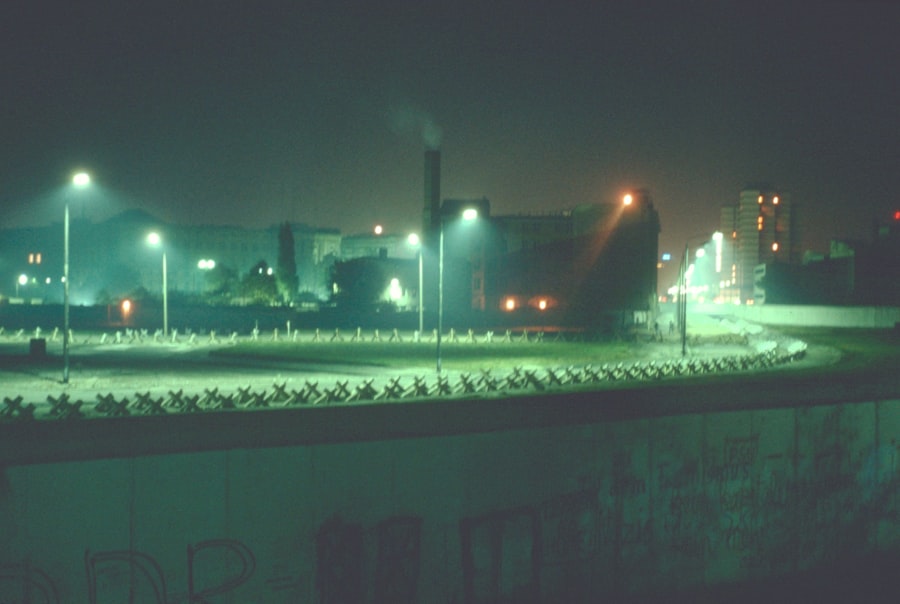
The infamous “death strip” that separated the inner and outer walls was a testament to the escalating costs. This no-man’s-land was meticulously engineered to maximize the chances of intercepting and eliminating escapees. It included:
Mines and Anti-Personnel Devices: A Deadly Investment
The deployment of landmines and other anti-personnel devices was a particularly grim and expensive aspect of the Wall’s evolution. The procurement, placement, and ongoing maintenance of these deadly instruments represented a significant financial commitment, driven by a primary objective of deterring and punishing unauthorized crossings.
Guard Towers and Surveillance Systems: Technological Advancements
The construction and equipping of numerous guard towers, many of them providing panoramic views of the surrounding area, were essential for maintaining surveillance. These structures, along with the implementation of increasingly sophisticated surveillance technologies such as searchlights, motion detectors, and later, even rudimentary CCTV systems (though significantly less advanced than modern equivalents), all contributed to the ballooning security budget. The cost of maintaining these systems, including repairs and upgrades, was a perpetual financial drain.
Patrol Roads and Other Infrastructure: Facilitating Control
Beyond the immediate defensive measures, a network of patrol roads was constructed along the Wall, allowing for round-the-clock patrols by border guards and their vehicles. The upkeep of these roads, especially in the often harsh Berlin climate, also added to the maintenance costs. The broader infrastructure supporting the Wall, including housing for border guards and administrative buildings, further deepened the economic entanglement.
Personnel Costs: The Human Factor in the Equation
The sheer number of personnel required to staff the Berlin Wall was a significant ongoing expense for the GDR. Thousands of border guards, intelligence officers, and support staff were dedicated to its operation and maintenance. Their salaries, training, equipment, and housing represented a substantial portion of the GDR’s defense and internal security budget. This human element, while crucial for the Wall’s function, was a constant drain on limited state resources.
The Economic Toll on East Germany: Stifled Growth and Diverted Resources
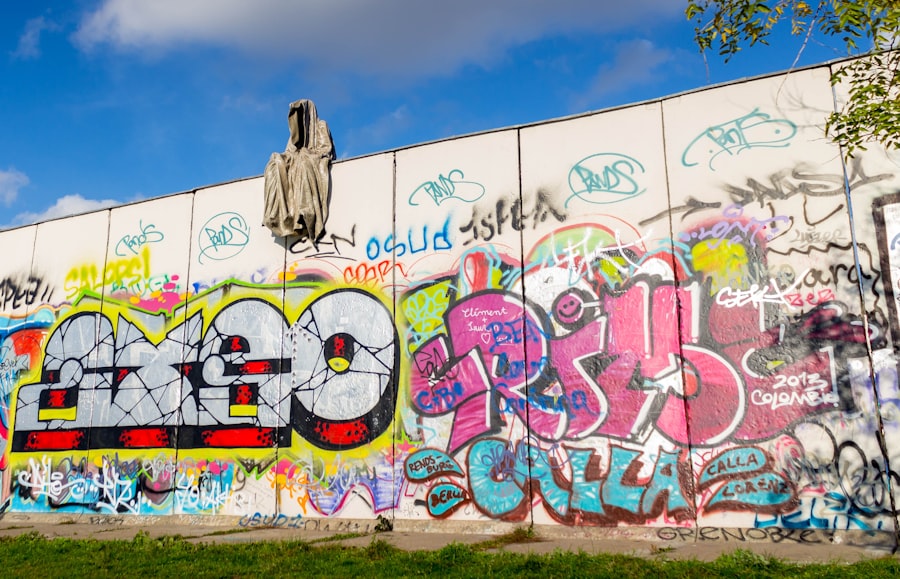
The Berlin Wall was not just an expense for the GDR; it was a fundamental impediment to its economic development and a constant drain on its already precarious financial health. The resources channeled into maintaining the Wall could have been invested in productive industries, infrastructure, or social programs, leading to a significantly different economic trajectory.
The Brain Drain Avoided, But at What Price?
While the GDR leadership presented the Wall as a necessary measure to prevent the irreversible outflow of skilled labor and professionals – a phenomenon they termed “Abstammungsmigration” (emigration) – the economic cost of this prevention was immense. The resources dedicated to stopping these individuals from leaving, including the fortifications and the security apparatus, represent a significant opportunity cost. Had those individuals been allowed to leave, the GDR would have lost their potential contributions. Instead, it spent vast sums to physically prevent their departure, a costly and ultimately unsustainable strategy.
Impact on Trade and International Relations: A Self-Imposed Barrier
The Berlin Wall also had an adverse impact on the GDR’s ability to engage in international trade and foster positive economic relationships with the West. The very existence of such a stark division created a climate of mistrust and made it more difficult for Western businesses to invest in or trade with East Germany. While Comecon provided some economic partnerships within the Soviet bloc, the GDR’s isolation from Western markets due to its political stance, embodied by the Wall, limited its potential for economic growth and modernization.
The Cost of Repression: Internal Security Beyond the Border
The financial burden of the Berlin Wall extended beyond the physical fortifications themselves. A significant portion of the GDR’s budget was allocated to its extensive internal security apparatus, the Ministry for State Security (Stasi). While not solely dedicated to the Wall, the Stasi’s surveillance, informants, and repression of dissent were inextricably linked to the regime’s ability to maintain control and prevent the kind of popular uprisings that might have challenged the Wall’s existence. This pervasive system of control came with its own substantial financial demands.
The Economic Impact on West Germany: The Price of Containment and Reunification
West Germany, while not bearing the direct construction costs, also incurred significant economic liabilities related to the Berlin Wall, primarily in the form of aid, infrastructure development in West Berlin, and eventually, the immense cost of reunification.
Supporting West Berlin: A Vital Economic Lifeline
West Berlin, an enclave within East Germany, was a constant economic challenge for the Federal Republic of Germany (FRG). The FRG poured billions of Deutschmarks into supporting the city’s economy, subsidizing housing, industries, and infrastructure to ensure its viability as a symbol of Western freedom and a counterpoint to the East. The Wall, by isolating West Berlin, intensified this need for financial support.
Infrastructure Development and Modernization: Keeping the Enclave Alive
Significant investments were made in developing and modernizing West Berlin’s infrastructure, including transportation networks, utilities, and public services. The aim was to ensure the city remained attractive to residents and businesses, and to facilitate its connection to West Germany. This required ongoing financial contributions, a direct consequence of the Wall’s existence.
Subsidies and Economic Incentives: Encouraging Continued Presence
To counter the psychological and economic pressures of isolation, the FRG provided various subsidies and economic incentives to businesses and residents in West Berlin. These measures were designed to retain a viable population and economic base, but they represented a substantial and continuous financial commitment.
The Burden of Reunification: A Financial Reckoning
Perhaps the most profound and enduring economic consequence of the Berlin Wall was the colossal financial burden of German reunification in 1990. The dismantling of the Wall and the integration of the dilapidated East German economy into the robust West German system proved to be an astronomical undertaking.
Modernizing East German Infrastructure: A Multi-Billion Euro Project
The infrastructure in East Germany, heavily neglected and outdated, required massive investment for modernization. This included upgrading roads, railways, telecommunications, and energy grids to Western standards. The cost of these improvements ran into hundreds of billions of Deutschmarks (later Euros).
Social and Economic Harmonization: Bridging the Divide
Beyond infrastructure, significant financial resources were dedicated to harmonizing social and economic systems. This involved pension reforms, unemployment benefits, healthcare system integration, and the restructuring of industries. The aim was to create a more equitable society, but the financial implications were staggering, leading to substantial transfers of wealth from West to East.
Dealing with Legacy Issues: Environmental and Industrial Remediation
The fallout of decades of socialist industrial policy in East Germany included significant environmental damage and obsolete industrial complexes. Remediation and demolition of these sites, along with the retraining and support for former industrial workers, added further layers of expense to the reunification process.
The Berlin Wall, often referred to as a billion dollar prison, symbolized the stark division between East and West during the Cold War, creating a physical and ideological barrier that trapped countless individuals in a repressive regime. This historical divide not only affected the lives of those living in East Berlin but also had significant economic implications for both sides. For a deeper understanding of the costs associated with this division and its impact on society, you can explore a related article that delves into the financial and human toll of the wall. To learn more, visit this insightful article.
The Unseen Costs: Social and Psychological Impacts with Economic Repercussions
| Reasons | Costs |
|---|---|
| Construction of the wall | Approximately 25 million |
| Maintenance and guard salaries | Estimated at hundreds of millions |
| Loss of economic activity | Billions in potential trade and tourism |
| Escape attempts and security measures | Additional millions in resources |
| Total cost of the Berlin Wall | Billions of dollars |
While the direct monetary costs of the Berlin Wall are substantial, the unseen economic repercussions stemming from its social and psychological impact are also significant. These intangible costs, while harder to quantify, had tangible consequences for both German states.
The Cost of Separation and Lost Potential: Families and Careers
The Wall tore families apart, severed friendships, and disrupted countless lives. This human cost had economic repercussions in terms of lost productivity, psychological distress, and the unrealized potential of individuals who were unable to pursue their chosen careers or contribute to the economy as freely as they might have.
The Economic Burden of Dissent and Surveillance: A Society Living in Fear
The constant surveillance and repression necessitated by the Wall created a climate of fear and distrust within East Germany. This stifled innovation, discouraged risk-taking, and led to a less dynamic and productive economy. The resources dedicated to maintaining this oppressive system, while not directly construction costs, were diverted from more economically beneficial pursuits.
The Lingering Scars: Demolition and Memory
Even after its fall, the economic cost of the Berlin Wall continues in some ways. The meticulous dismantling and disposal of the Wall’s components, while a necessary step, required significant resources and labor. Furthermore, the ongoing cost of maintaining memorial sites, historical preservation, and public education about the Wall’s impact represents a continued, albeit different, financial legacy.
In conclusion, the Berlin Wall was far more than a physical barrier; it was a colossal economic undertaking. From the initial, hurried construction to decades of escalating maintenance and security, the financial burden on East Germany was immense, stifling its growth and diverting vital resources. For West Germany, the Wall represented a continuous commitment to supporting West Berlin and, ultimately, the astronomical cost of reunification. The “Billion Dollar Prison” was a testament to a political ideology that prioritized division and control, a decision that came with a price tag not just in concrete and barbed wire, but in lost economic potential, human suffering, and the enduring financial reckoning of a reunited nation.
FAQs
1. What was the purpose of the Berlin Wall?
The Berlin Wall was built by the German Democratic Republic (East Germany) in 1961 to prevent East Germans from fleeing to West Berlin, which was part of West Germany. It was intended to stop the mass emigration of skilled labor and professionals from East to West.
2. How much did it cost to build the Berlin Wall?
The construction of the Berlin Wall cost an estimated $25 million, which is equivalent to over $200 million in today’s currency. However, the overall economic impact of the wall, including maintenance, security, and the loss of skilled labor, is estimated to be in the billions of dollars.
3. How did the Berlin Wall impact the economy of East Germany?
The Berlin Wall had a significant negative impact on the economy of East Germany. It led to a brain drain, as many skilled workers and professionals fled to the West, resulting in a loss of human capital and productivity. This, in turn, contributed to economic stagnation and decline in East Germany.
4. What were the economic costs of maintaining the Berlin Wall?
The economic costs of maintaining the Berlin Wall were substantial. It required significant resources for security, surveillance, and maintenance. Additionally, the loss of skilled labor and professionals to the West had long-term economic consequences for East Germany.
5. When and why was the Berlin Wall finally demolished?
The Berlin Wall was demolished in 1989, following a series of peaceful protests and political changes in East Germany. The demolition was a result of the fall of the communist regime and the reunification of East and West Germany.