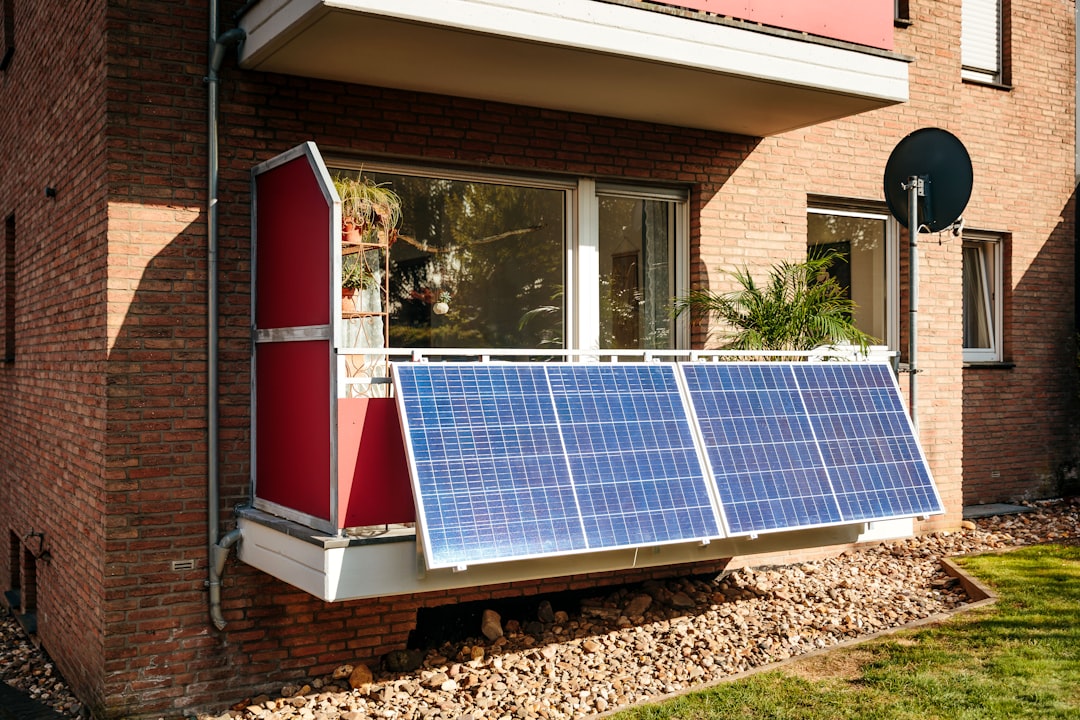
Home energy independence represents a strategic shift in how a household sources and consumes energy. It involves a combination of on-site generation, efficient consumption, and smart storage, aiming to reduce reliance on the traditional utility grid. This pursuit is driven by a variety of motivations, including cost savings, environmental concerns, and a desire for greater resilience in the face of grid instability or rising energy prices. Achieving this independence is not a single action but rather a multi-faceted endeavor requiring careful planning, investment, and ongoing management.
Before embarking on the path to home energy independence, a thorough understanding of current energy usage patterns and available resources is paramount. This foundational understanding allows for informed decision-making and ensures that investments are directed effectively towards achieving the desired outcomes.
Assessing Current Energy Consumption
Analyzing Utility Bills
The most accessible starting point is a detailed analysis of past utility bills. These documents provide concrete data on electricity, gas, and water consumption over specific periods. Examining trends across seasons and years can reveal patterns of high usage and identify potential areas for reduction.
Identifying Peak Consumption Times
Utility bills often break down consumption by time of day or season. Identifying these peak periods is crucial for understanding when the household places the greatest demand on the grid. This information can inform decisions about energy storage and the timing of high-demand activities. For example, if electricity consumption spikes significantly in the late afternoon, it might suggest increased use of air conditioning during warmer months or multiple appliances running concurrently.
Quantifying Energy Usage by Appliance Type
While utility bills don’t typically detail individual appliance consumption, an educated estimation can be made based on appliance ratings and usage frequency. Understanding which appliances are the biggest energy hogs – refrigerators, HVAC systems, water heaters, and dryers – is essential for prioritizing efficiency upgrades.
Benchmarking Against Similar Households
Comparing a home’s energy consumption to that of similar residences (in terms of size, occupancy, and climate) can provide valuable context. This benchmark can highlight whether a home is an outlier in its energy usage and suggest areas for improvement that have proven effective elsewhere. Various online tools and government resources offer such benchmarking services.
Evaluating On-Site Energy Resources
Solar Irradiance Assessment
The viability of solar energy, a cornerstone of many energy independence strategies, is directly tied to the amount of sunlight a property receives. This involves understanding the average daily sunlight hours, seasonal variations, and potential shading from trees or neighboring structures.
Geographic Location and Climate Factors
The geographic location plays a significant role in solar potential, with sunnier climates generally offering better performance. However, even in less ideal climates, technological advancements in solar panels continue to improve efficiency. Understanding local weather patterns, such as frequent cloud cover or snow accumulation, is also important for estimating realistic energy generation.
Roof Orientation and Pitch
For rooftop solar installations, the orientation and pitch of the roof are critical. South-facing roofs in the Northern Hemisphere typically receive the most direct sunlight throughout the day. While other orientations can still be productive, they may require more panels or yield slightly less energy. Professional assessments can determine the optimal placement and angle for solar arrays.
Potential for Wind Energy
In regions with consistent and sufficient wind speeds, small-scale wind turbines can complement solar power. However, residential wind energy is less common due to noise considerations, local regulations, and the need for significant open space.
Geothermal Potential Assessment
Geothermal systems, which utilize the stable underground temperature to heat and cool a home, can be a highly efficient option, but their installation is more complex and costly than solar. The feasibility depends on geological conditions and the availability of suitable land for ground loops.
Achieving energy independence at home is a goal for many homeowners looking to reduce their reliance on traditional energy sources and lower their utility bills. One effective way to start this journey is by exploring renewable energy options such as solar panels, wind turbines, and energy-efficient appliances. For more detailed insights and practical tips on how to achieve energy independence, you can read this informative article at Hey Did You Know This.
Implementing Energy Efficiency Measures
Before investing in energy generation, maximizing energy efficiency within the home is the most cost-effective step. Reducing the amount of energy a home requires fundamentally lowers the burden on any on-site generation system and leads to immediate cost savings.
Improving Building Envelope Performance
The building envelope – walls, roof, windows, and foundation – is the primary barrier between the conditioned interior and the unconditioned exterior. Its integrity is critical for preventing energy loss.
Insulation Upgrades
Adequate insulation acts as a thermal barrier, reducing heat transfer and keeping the home warmer in winter and cooler in summer. Different types of insulation (e.g., fiberglass, spray foam, cellulose) have varying R-values (thermal resistance), and their effectiveness depends on proper installation and coverage in the attic, walls, and crawl spaces.
Air Sealing Measures
Gaps and cracks in the building envelope allow conditioned air to escape and unconditioned air to infiltrate, leading to drafts and significant energy waste. Sealing these leaks with caulk, weatherstripping, and expanding foam is a relatively inexpensive yet highly impactful measure. Common areas include around windows and doors, electrical outlets, and where pipes or wires penetrate walls.
Window and Door Replacements
Older, single-pane windows and poorly sealed doors are major sources of heat loss and gain. Upgrading to double- or triple-pane, low-E coated windows and well-insulated doors can dramatically improve thermal performance and reduce the need for heating and cooling.
Optimizing Heating and Cooling Systems
HVAC systems are typically the largest energy consumers in a home. Their efficiency and proper maintenance are therefore paramount.
High-Efficiency HVAC Units
Replacing older, inefficient furnaces, boilers, and air conditioners with ENERGY STAR certified models can lead to substantial energy savings. Heat pumps, which can provide both heating and cooling, are also increasingly efficient options.
Regular Maintenance and Tune-ups
Ensuring that HVAC systems are regularly serviced, including cleaning filters, checking refrigerant levels, and inspecting ductwork, can maintain their optimal performance and prevent costly breakdowns. Dirty filters, for instance, restrict airflow and force the system to work harder.
Smart Thermostat Installation
Programmable and smart thermostats allow for automated temperature adjustments based on occupancy schedules, further reducing energy consumption without sacrificing comfort. Smart thermostats can also learn a household’s patterns and optimize settings dynamically.
Enhancing Appliance and Lighting Efficiency
While HVAC systems are major consumers, a multitude of smaller appliances and lighting contribute to overall energy use.
ENERGY STAR Certified Appliances
When appliances reach the end of their lifespan, replacing them with ENERGY STAR certified models ensures they meet stringent energy efficiency standards. This applies to everything from refrigerators and washing machines to dishwashers and water heaters.
LED Lighting Conversion
Switching from incandescent or compact fluorescent bulbs to Light Emitting Diode (LED) bulbs is a simple yet effective way to reduce lighting energy consumption. LEDs use significantly less energy and have a much longer lifespan.
Phantom Load Reduction
Many electronic devices continue to draw power even when turned off, a phenomenon known as phantom load or standby power. Using smart power strips or unplugging devices when not in use can help eliminate this wasted energy.
Integrating Renewable Energy Generation
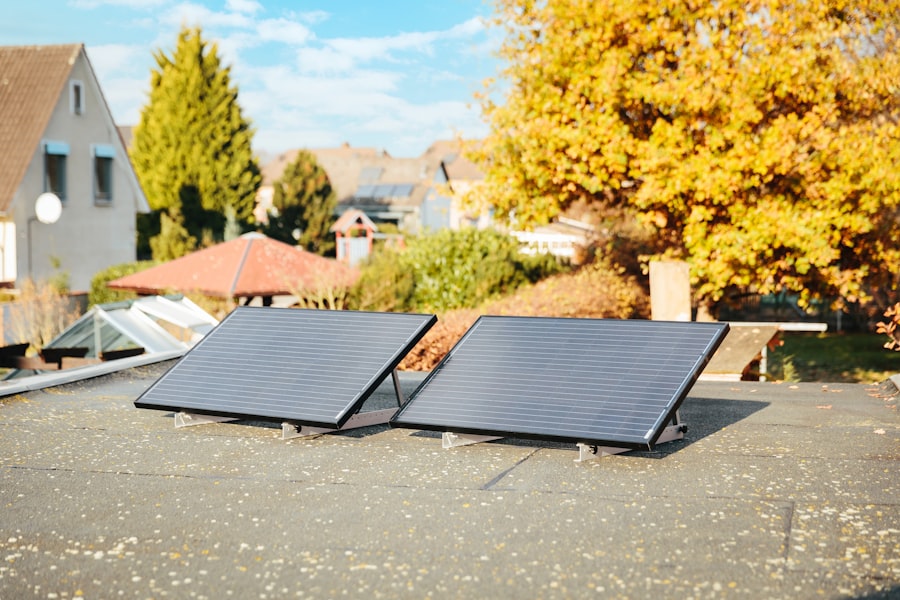
Once efficiency measures are in place, the next step towards energy independence is generating renewable energy on-site. This shifts energy sourcing from external, often fossil-fuel-based, grids to self-sufficient, clean alternatives.
Solar Photovoltaic (PV) Systems
Solar PV systems convert sunlight directly into electricity. Their widespread adoption has made them a primary component of home energy independence strategies.
System Sizing and Panel Selection
The size of a solar PV system is determined by the household’s energy needs, available roof space, and budget. The type and efficiency of solar panels also play a role in determining the system’s overall output. Professional installers can assist in calculating the optimal system size.
Inverters and Mounting Hardware
The inverter converts the direct current (DC) electricity generated by the panels into alternating current (AC) electricity that can be used by the home. Mounting hardware ensures that the panels are securely attached to the roof or ground.
Grid-Tied vs. Off-Grid Systems
Grid-tied systems remain connected to the utility grid, allowing excess energy to be sent back to the grid for credit (net metering) and drawing power from the grid when solar generation is insufficient. Off-grid systems are completely independent of the utility, requiring batteries for energy storage and often a backup generator for extended periods of low generation.
Residential Wind Turbines
While less common than solar, small-scale wind turbines can contribute to energy generation in suitable locations.
Wind Speed Assessment and Site Suitability
The effectiveness of a wind turbine is directly proportional to the wind speed at the installation site. Many residential areas do not have sufficient consistent wind to make turbines cost-effective or practical. Regulations regarding placement and noise also need to be considered.
Turbine Types and Installation Considerations
Different types of turbines exist, with horizontal-axis wind turbines (HAWTs) being the most common for residential use. Installation requires a sturdy tower and careful site preparation.
Small-Scale Hydroelectric Power
In areas with access to flowing water, small hydroelectric systems can provide a consistent source of energy, though this is a niche solution for most homes.
Incorporating Energy Storage Solutions
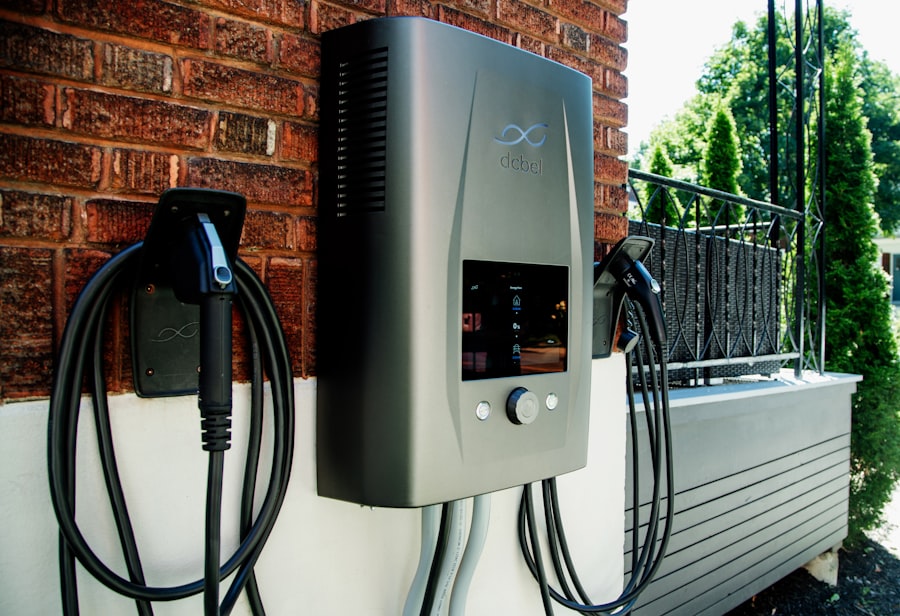
Energy storage is a critical enabler of energy independence, allowing for the capture and use of renewable energy when it is generated, rather than solely when it is needed. This is particularly important for intermittent sources like solar and wind.
Battery Energy Storage Systems (BESS)
Battery storage systems are becoming increasingly common for residential applications, storing excess solar or wind power for later use.
Types of Battery Technologies
Lithium-ion batteries, particularly lithium iron phosphate (LFP), are currently the dominant technology for residential BESS due to their energy density, lifespan, and safety. Other technologies like lead-acid are older but still available.
System Sizing and Capacity
The capacity of a battery system is measured in kilowatt-hours (kWh) and determines how much energy it can store. Sizing is based on the amount of excess renewable energy generated and the expected demand during periods of no generation.
Integration with Solar PV Systems
BESS are typically integrated with solar PV systems to store excess solar electricity generated during the day for use during the evening or on cloudy days. This integration can be direct or through a hybrid inverter.
Thermal Energy Storage
Thermal energy storage involves storing heat or cold for later use, often in conjunction with solar thermal systems or HVAC.
Hot Water Tanks with Integrated Storage
Solar thermal systems can heat water directly, which is then stored in insulated tanks for domestic use. Some systems can also be configured to contribute to space heating.
Phase Change Materials (PCMs)
PCMs are materials that absorb or release heat as they change phase (e.g., from solid to liquid). They can be incorporated into building materials or storage tanks to absorb excess heat during the day and release it at night.
Mechanical Energy Storage (Less Common for Residential)
While not typically seen in individual homes, concepts like pumped hydro storage or compressed air energy storage exist as larger-scale mechanical energy storage solutions.
Achieving energy independence at home is a goal many homeowners strive for, and there are various strategies to consider. For instance, incorporating solar panels can significantly reduce reliance on traditional energy sources. Additionally, utilizing energy-efficient appliances and smart home technology can optimize energy consumption. If you’re interested in exploring more tips and insights on this topic, you can check out a related article that offers valuable information on sustainable living practices. For further reading, visit this informative article that delves into practical ways to enhance your home’s energy efficiency.
Advanced Strategies and Future Considerations
| Energy Source | Advantages | Disadvantages |
|---|---|---|
| Solar Panels | Renewable, low maintenance, reduces electricity bills | High initial cost, dependent on sunlight availability |
| Wind Turbine | Renewable, reduces electricity bills, can be installed in rural areas | Dependent on wind availability, visual impact, noise |
| Geothermal Heat Pump | Efficient, reduces heating and cooling costs, low maintenance | High initial cost, requires specific geological conditions |
| Biomass Heating | Renewable, reduces heating costs, can use organic waste | Requires storage space, emissions, maintenance |
Achieving a high degree of home energy independence often involves embracing more advanced technologies and planning for future energy needs and technological advancements.
Smart Home Integration and Demand Response
Smart home technology plays a crucial role in optimizing energy usage and participating in demand response programs. This allows for automated adjustments to energy consumption based on grid signals and real-time electricity prices.
Automated Load Control
Smart thermostats, smart plugs, and connected appliances can be programmed to automatically adjust their operation during peak demand periods or when electricity prices are high, thereby reducing grid strain and energy costs.
Grid Services Participation
In some regions, homeowners with energy storage systems can participate in demand response programs offered by utilities or grid operators. This involves allowing the utility to remotely draw power from their batteries during peak demand events in exchange for financial incentives.
Microgrids and Community Energy Systems
While individual home energy independence is the focus, larger-scale solutions like microgrids and community energy systems offer a pathway for greater resilience and shared resources.
Localized Energy Grids
Microgrids are localized energy grids that can operate independently of the main utility grid. They often incorporate renewable energy sources, energy storage, and smart management systems.
Shared Renewable Energy Projects
Community solar farms or other shared renewable energy projects allow multiple households to benefit from larger-scale renewable energy installations, even if they cannot install them on their own properties.
Electric Vehicle (EV) Integration
The rise of electric vehicles presents opportunities for both increased energy consumption and potential energy storage solutions.
Vehicle-to-Grid (V2G) Technology
V2G technology allows EVs to not only draw power from the grid but also to supply power back to it when needed. This can provide a significant distributed energy storage resource.
Home Charging Optimization
Smart EV chargers can be programmed to charge vehicles during off-peak hours when electricity is cheaper and renewable energy generation is often higher.
Continuous Monitoring and Optimization
The journey to energy independence is not a one-time fix. Ongoing monitoring and optimization are essential to ensure systems are performing as expected and to adapt to changing needs and technologies.
Energy Management Systems (EMS)
Dedicated energy management systems can provide real-time data on energy generation, consumption, and storage, allowing homeowners to identify trends, detect anomalies, and fine-tune their energy strategies.
Periodic System Audits and Updates
Regular professional audits of solar panels, batteries, and HVAC systems can identify potential issues before they become major problems and ensure that all components are operating at peak efficiency. Staying informed about new technologies and incentives can also lead to further improvements.
FAQs
What is energy independence at home?
Energy independence at home refers to the ability of a household to generate and use its own energy, reducing or eliminating the reliance on external energy sources such as the grid or fossil fuels.
What are some ways to achieve energy independence at home?
Some ways to achieve energy independence at home include installing solar panels, using wind turbines, improving insulation and energy efficiency, and using energy storage systems such as batteries.
What are the benefits of achieving energy independence at home?
The benefits of achieving energy independence at home include reduced energy bills, decreased reliance on external energy sources, lower environmental impact, and increased resilience in the face of power outages or energy supply disruptions.
Are there any government incentives or programs to support energy independence at home?
Many governments offer incentives, rebates, and tax credits to support the adoption of renewable energy systems and energy efficiency measures at home. These incentives can help offset the initial costs of installation and make achieving energy independence more affordable.
What are some considerations to keep in mind when pursuing energy independence at home?
When pursuing energy independence at home, it’s important to consider factors such as the initial cost of installation, the available space for renewable energy systems, the local climate and energy regulations, and the ongoing maintenance and monitoring of the systems.