
The practice of infrastructure “gold plating”—adding unnecessary, often costly, features or exceeding original specifications—is a pervasive issue with significant financial implications. While sometimes stemming from genuine, albeit misguided, attempts to improve projects, it more frequently arises from bureaucratic inertia, a lack of stringent oversight, or a desire to showcase perceived extravagance. This phenomenon, far from being a mere aesthetic choice, represents a substantial drain on public and private funds, diverting resources that could be allocated to more critical needs or broader infrastructure development.
Gold plating in infrastructure projects is not a monolithic activity. It manifests in various forms, often subtly integrated into the planning, design, and execution phases. Recognizing these distinct mechanisms is crucial for understanding the scope of the problem and developing effective countermeasures.
Elaborate Design Overreach
One of the primary avenues for gold plating is the tendency for design teams or stakeholders to incorporate elements that extend beyond the project’s core functional requirements. This can involve aesthetic embellishments that are disproportionate to the infrastructure’s purpose or capacity, or the inclusion of advanced technological features that are not essential for immediate or foreseeable operational needs.
Unnecessary Aesthetic Enhancements
Projects may see the addition of ornate detailing on bridges, elaborate landscaping around utility substations, or the use of premium materials for elements where standard, durable alternatives would suffice. While aesthetics can play a role in public perception and integration into communities, excessive focus on visual appeal can inflate costs without a commensurate increase in utility or longevity.
Over-Specification of Materials and Technologies
Specifications might call for materials with performance characteristics far exceeding the operational demands or environmental challenges the infrastructure will face. Similarly, cutting-edge technology may be integrated into systems that do not require such complexity or rapid obsolescence, leading to higher initial investment and potentially increased long-term maintenance costs due to proprietary support or frequent upgrades.
Scope Expansion Beyond Justification
Beyond initial design choices, gold plating can also occur through the gradual expansion of the project’s scope once it is underway. This is often driven by a desire to address perceived shortcomings or to capitalize on opportunities that arise during construction, but without rigorous re-evaluation of the overall cost-benefit.
“While You’re At It” Syndrome
This common colloquialism describes the situation where, during a project, additional, unrelated work is tacked on. For instance, while paving a road, adjacent sidewalks might be widened and repaved beyond original plans, or landscaping along the route might be significantly upgraded. These additions, even if beneficial, often bypass the standard vetting processes for new projects, making their cost justification less robust.
Unforeseen Requirements Addressed Expansively
Sometimes, genuinely unforeseen issues arise during construction. The response, however, can involve solutions that are more extensive or luxurious than strictly necessary. A minor structural reinforcement might be addressed with a complete overhaul of a larger section, or a minor drainage issue might lead to a comprehensive redesign of the entire system, including decorative elements.
Utilities often gold plate their infrastructure to ensure reliability and longevity, which can lead to increased costs for consumers. This practice is often driven by regulatory requirements and the desire to avoid future maintenance issues. For a deeper understanding of this phenomenon and its implications, you can read a related article that explores the reasons behind this approach in detail. Check it out here: Why Utilities Gold Plate Their Infrastructure.
The Financial Ramifications of Excess
The financial consequences of gold plating are substantial and far-reaching. These costs do not merely add a few percentage points to a budget; they can significantly inflate project expenditure, impacting budgets for years to come and diverting funds from other essential public services.
Direct Cost Overruns
The most immediate impact of gold plating is an increase in direct project costs. Every unnecessary embellishment, every upgraded material, every piece of advanced technology adds to the bill. This can manifest as:
Inflated Material and Labor Expenses
Premium materials, specialized equipment for installation, and the labor required for intricate detailing or advanced technology integration all contribute to higher direct costs compared to standard, functional alternatives.
Increased Consultancy and Design Fees
When designs are unnecessarily complex or undergo significant revisions due to added features, the costs for architectural, engineering, and project management consultancies also escalate.
Lifecycle Cost Increases
Gold plating’s impact extends beyond the initial construction phase, often leading to higher costs throughout the infrastructure’s lifespan.
Elevated Maintenance and Operational Burdens
Sophisticated systems require specialized maintenance personnel and procedures. Premium materials may have higher cleaning or repair costs. Delicate aesthetic features can be prone to damage and require more frequent upkeep or replacement.
Premature Obsolescence and Replacement Costs
Investing in cutting-edge technology that isn’t fully utilized or that quickly becomes superseded can lead to premature obsolescence. This may necessitate costly upgrades or full replacements sooner than anticipated, meaning the initial “gold-plated” investment is lost or depreciated more rapidly.
Increased Energy Consumption and Utility Bills
Unnecessary technological additions or elaborate lighting schemes can lead to higher energy consumption, resulting in greater operational expenses over the life of the project.
Opportunity Cost and Resource Misallocation
Perhaps the most insidious financial consequence of gold plating is the opportunity cost it represents. Every dollar spent on an unnecessary feature is a dollar that cannot be spent elsewhere.
Reduced Funding for Critical Infrastructure Needs
When budgets are consumed by the excesses of one project, funding for other essential infrastructure—such as repairing existing roads, upgrading water treatment facilities, or expanding public transit—is necessarily curtailed. This can lead to a broader decline in the quality and capacity of a nation’s or municipality’s infrastructure.
Impact on Public Services
The diversion of funds can extend beyond infrastructure to impact other public services, such as education, healthcare, or social programs, which rely on the same finite pool of public resources.
Factors Contributing to the Practice

Understanding the root causes of infrastructure gold plating is essential for developing effective mitigation strategies. These factors are often multifaceted, involving human behavior, organizational structures, and systemic incentives.
Lack of Robust Oversight and Accountability
A critical driver is the absence of rigorous oversight mechanisms and clear lines of accountability throughout the project lifecycle. When there are no strong checks and balances, there is less incentive to adhere to budget and scope.
Weak Procurement and Contract Management
Inadequate tender processes, poor contract development, and insufficient monitoring of contractor performance can create loopholes that allow for the introduction of gold-plated elements without proper justification or cost control.
Insufficient Independent Review Processes
The absence of independent bodies tasked with reviewing project designs, cost estimates, and change orders can allow for excessive specifications and scope creep to go unchecked.
Influence of Stakeholders and Special Interests
Various stakeholders, including political figures, industry lobbyists, and even community groups, can exert pressure to include non-essential features.
Political Expediency and “Vanity Projects”
Politicians may advocate for more elaborate or prominent projects to enhance their public image or to signal investment in a particular area, irrespective of practical necessity or cost-effectiveness. This can lead to the development of “vanity projects” that are deliberately over-engineered or aesthetically exaggerated.
Industry Pressure and Upselling
Construction firms and material suppliers may actively promote premium options or additional services, sometimes without clearly articulating the long-term cost implications or the lack of genuine need for these upgrades.
Poor Planning and Inadequate Needs Assessment
In some instances, gold plating can be an unintended consequence of initial poor planning or an insufficient understanding of the actual needs the infrastructure is intended to serve.
Vague or Incomplete Initial Requirements
If the initial project brief is not clearly defined or lacks specific performance metrics, it creates an opening for subjective interpretations that can lead to the inclusion of unnecessary features during the design phase.
Failure to Consider Future Needs Realistically
Designing for a perceived future need that does not materialize, or over-engineering for a speculative future demand, can also constitute gold plating if the investment is not justified by concrete evidence or projections.
Identifying and Mitigating Gold Plating
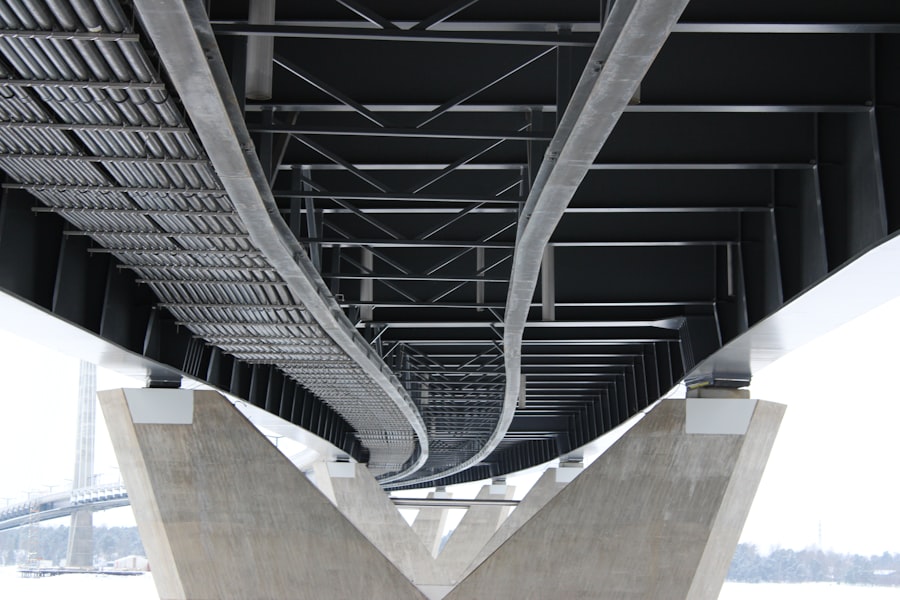
The proactive identification and robust mitigation of gold plating are paramount for ensuring fiscal responsibility in infrastructure development. This requires a multi-pronged approach that addresses planning, execution, and ongoing evaluation.
Enhancing Planning and Design Rigor
The foundation for preventing gold plating lies in the initial stages of project conception and design. Ensuring that projects are built on a solid understanding of needs and constraints is crucial.
Comprehensive Needs Assessment and Justification
Conducting thorough analyses of current and projected needs, supported by empirical data, is essential. Projects should only proceed if a clear and demonstrable need exists, with clearly defined functional requirements.
Value Engineering Workshops
Implementing systematic value engineering processes throughout the design phase allows teams to critically evaluate each component and specification, seeking the most cost-effective solutions that meet functional requirements. This involves actively questioning the necessity of every feature and material.
Scenario Planning and Risk Assessment
Thoroughly exploring various operational scenarios and potential risks helps in designing infrastructure that is appropriately resilient without being over-engineered for improbable events.
Strengthening Oversight and Accountability Mechanisms
Once a project is underway, continuous and rigorous oversight is vital to prevent scope creep and the introduction of unnecessary costs.
Independent Project Review Boards
Establishing independent review boards composed of experienced professionals with no direct stake in the project can provide impartial assessments of design choices, change orders, and cost justifications.
Transparent Budget Tracking and Reporting
Implementing transparent systems for tracking project expenditures and reporting on budget adherence allows for early detection of cost overruns and the identification of potential gold plating. Public reporting can further enhance accountability.
Strict Change Order Management Processes
Developing and rigidly enforcing stringent processes for evaluating and approving any changes to the original scope or specifications. Each proposed change must be accompanied by a clear justification, cost-benefit analysis, and formal approval from designated authorities.
Fostering a Culture of Fiscal Responsibility
Ultimately, preventing gold plating requires a cultural shift within organizations responsible for infrastructure development, prioritizing prudence and efficiency over extravagance.
Training and Awareness Programs
Educating project managers, engineers, and procurement officers on the principles of cost-effective design and the potential pitfalls of gold plating can foster a more judicious approach.
Performance Metrics and Incentives
Linking performance evaluations and incentives for project teams to cost control and adherence to scope can create a powerful motivation to avoid unnecessary expenditure.
Public Engagement and Scrutiny
While requiring careful management to avoid undue political influence, a degree of public engagement in the planning and oversight process can expose instances of potential gold plating and encourage greater accountability. Publicly accessible project information, within reasonable confidentiality limits, can facilitate this scrutiny.
Utilities often gold plate their infrastructure to ensure reliability and longevity, which can lead to higher costs for consumers. This practice involves over-engineering systems to withstand extreme conditions and to meet regulatory standards, ultimately prioritizing safety and performance. For a deeper understanding of this phenomenon and its implications, you can read more in this insightful article on the topic. If you’re curious about the broader impacts of such practices, check out this related article here.
Case Studies and Lessons Learned
| Reasons for Gold Plating Infrastructure | Metrics |
|---|---|
| Reliability | Decrease in number of outages |
| Customer Satisfaction | Increase in customer surveys ratings |
| Regulatory Compliance | Meeting or exceeding regulatory standards |
| Long-Term Cost Savings | Reduction in maintenance and repair costs |
Examining past instances of infrastructure gold plating offers invaluable insights into its manifestation and the effectiveness of various mitigation strategies. These case studies, while varying in context, often reveal recurring patterns and highlight the consequences of inadequate oversight.
Examples of Over-Engineered Projects
Numerous projects across different sectors have drawn criticism for excessive specifications or unnecessary features. Consider, for example, public transit stations that incorporate elaborate, high-maintenance artwork or extensive marble cladding in areas with low foot traffic and high exposure to the elements. Bridges designed with redundant support structures far beyond load requirements, or water treatment plants equipped with filtration systems capable of purifying water to levels far exceeding drinking water standards, are other common examples. These cases often demonstrate a disconnect between the functional requirements of the infrastructure and the resources allocated.
The Impact of Public Pressure and Media Scrutiny
In some instances, public outcry and media investigations have played a crucial role in exposing and halting instances of gold plating. Reports detailing the inflated costs of certain public buildings or transportation hubs, often featuring opulent interiors or unnecessarily large footprints, have sometimes led to public pressure that forced a review and revision of project plans. These situations underscore the importance of transparency and the potential for public discourse to act as a check on excessive spending.
Lessons in Prevention and Reform
The lessons learned from these cases often revolve around the need for stronger governance, improved procurement practices, and a greater emphasis on demonstrating clear value for public money. Reforms often include:
Strengthening Independent Audits and Reviews
The establishment of robust, independent auditing processes that are empowered to question assumptions and scrutinize expenditures is a common recommendation. This includes mid-project reviews and post-project evaluations.
Implementing Performance-Based Contracting
Shifting towards performance-based contracting, where payment is tied to the achievement of specific outcomes and the fulfillment of essential functions rather than simply the completion of tasks, can incentivize contractors to focus on efficiency and necessity.
Promoting a Culture of Challenge and Due Diligence
Encouraging teams to actively question specifications and to perform rigorous due diligence on all proposed expenditures, fostering an environment where raising concerns about potential gold plating is not only accepted but encouraged. This inherent skepticism, coupled with robust analytical tools, forms a vital defense against wasteful practices.
The pervasive nature of infrastructure gold plating necessitates a continuous and vigilant approach to its identification and mitigation. By understanding its mechanisms, acknowledging its financial and societal costs, and actively implementing robust prevention strategies, societies can better ensure that public and private investments in infrastructure are directed towards essential, functional, and sustainable development, rather than extravagant and unwarranted expenditures. The pursuit of efficiency and genuine utility must remain at the forefront of all infrastructure endeavors.
FAQs
What does it mean for utilities to “gold plate” their infrastructure?
Gold plating refers to the practice of over-investing in infrastructure, resulting in higher costs for consumers without necessarily providing significant additional benefits.
Why do utilities engage in gold plating their infrastructure?
Utilities may engage in gold plating to ensure reliability, meet regulatory requirements, or to secure future capacity. Additionally, some utilities may have financial incentives to over-invest in infrastructure.
What are the potential drawbacks of gold plating infrastructure for utilities?
Gold plating can lead to higher costs for consumers, inefficient use of resources, and potential regulatory scrutiny. It can also result in underutilized assets and reduced flexibility for adapting to changing technology and consumer needs.
How does gold plating impact consumers?
Gold plating can lead to higher utility bills for consumers, as the costs of over-investing in infrastructure are typically passed on to ratepayers. This can result in increased financial burden for households and businesses.
What measures can be taken to prevent gold plating of infrastructure by utilities?
Regulators can implement cost-benefit analysis requirements to ensure that investments in infrastructure are justified and provide value to consumers. Additionally, utilities can be incentivized to prioritize cost-effective and efficient infrastructure investments through regulatory mechanisms.