Defining Virtual Power Plants (VPPs)
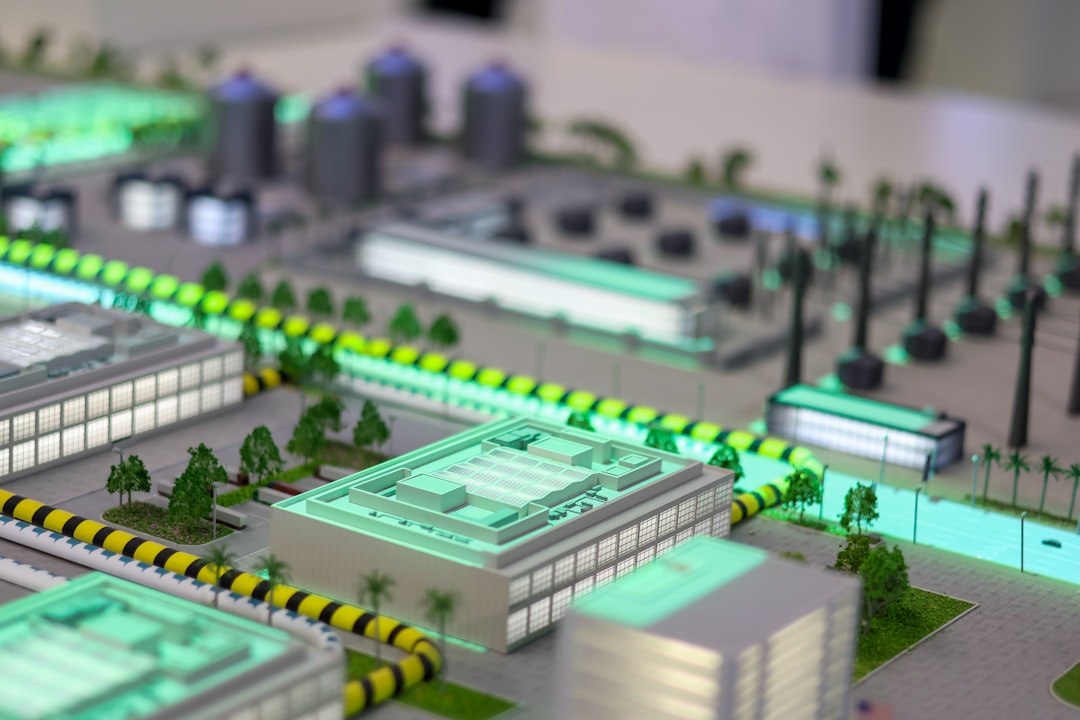
A Virtual Power Plant (VPP) is a distributed network of renewable energy resources and energy storage systems that are aggregated and managed by a central control system. Unlike a traditional power plant, which consists of a single, large-scale generation facility, a VPP is composed of numerous smaller, geographically dispersed assets. These assets can include residential solar panels, commercial solar installations, battery energy storage systems, electric vehicle charging stations, and even flexible loads that can be intelligently managed. The “virtual” aspect stems from the fact that these diverse resources are controlled and optimized as if they were a single, coordinated unit, capable of responding to grid needs and market signals. This aggregation allows for a level of control and flexibility that individual distributed energy resources (DERs) alone cannot achieve. The core functionality of a VPP lies in its ability to harness the collective capacity of these DERs to provide grid services, such as energy supply, demand response, and ancillary services, thereby contributing to grid stability and reliability.
The Role of Aggregation Platforms
The intelligence and operational efficiency of a VPP hinge on sophisticated aggregation platforms. These platforms act as the central nervous system, collecting real-time data from each connected DER. This data includes generation output, charge/discharge status, state of charge for storage systems, and consumption patterns for flexible loads. Utilizing advanced algorithms and artificial intelligence, the platform analyzes this information to predict the availability of each resource, forecast future energy demand, and identify optimal times for response. The platform then communicates commands to the individual DERs, coordinating their actions to meet specific grid requirements or market opportunities. This includes dispatching power from battery storage, curtailing demand from smart appliances, or synchronizing the output of interconnected solar arrays. The platform’s ability to aggregate and orchestrate these disparate resources into a cohesive entity is what transforms a collection of individual assets into a valuable grid resource. The complexity of these platforms is significant, requiring robust communication infrastructure, cybersecurity measures, and advanced analytics capabilities to ensure seamless and secure operation.
Key Components of a VPP
A VPP is not a monolithic entity but rather a system comprising several interconnected components that enable its functionality.
Distributed Energy Resources (DERs)
The bedrock of any VPP is the array of distributed energy resources. These are the physical assets that generate, store, or modulate energy consumption.
Renewable Energy Generation
Sources like rooftop solar panels on homes and businesses are crucial. During daylight hours, these systems produce electricity, contributing to the overall energy supply. The intermittent nature of solar power is a key consideration, and VPPs are designed to manage this variability.
Energy Storage Systems
Battery energy storage systems (BESS), ranging from utility-scale installations to residential battery units, are vital for VPPs. Batteries can store excess energy generated at times of low demand or high solar output and discharge it when needed, bridging gaps in renewable generation or meeting peak demand. The declining cost of battery technology has significantly enhanced the viability of VPPs.
Flexible Loads and Demand Response
Programmable thermostats, smart appliances, and industrial processes that can temporarily adjust their energy consumption are also considered flexible loads. Through demand response programs, VPPs can signal these loads to reduce consumption during periods of high grid stress, effectively shaving peak demand.
Communication and Control Networks
The ability to seamlessly communicate with and control a multitude of DERs spread across a wide area is fundamental.
Internet of Things (IoT) Connectivity
The Internet of Things (IoT) plays a pivotal role, enabling devices at every level of the VPP to connect and exchange data. Sensors and smart meters collect granular information about energy generation, consumption, and system status.
Secure Data Transmission
Given the critical nature of grid operations, secure data transmission is paramount. Robust cybersecurity protocols are implemented to protect against unauthorized access, data breaches, and cyberattacks that could compromise the integrity of the VPP or the grid.
Remote Management Capabilities
The control platform allows for remote monitoring and management of all connected DERs. Operators can assess performance, diagnose issues, and adjust operational strategies in real-time, regardless of the physical location of the assets.
Optimization and Forecasting Software
The intelligence that drives a VPP’s profitability and effectiveness lies in its software.
Predictive Analytics
Sophisticated algorithms analyze historical data, weather forecasts, and market prices to predict future energy generation, demand, and price fluctuations. This forecasting capability is essential for optimal operational planning.
Real-time Optimization Engines
These engines continuously adjust the dispatch of DERs to maximize revenue and grid service provision. They consider factors such as battery state of charge, renewable energy availability, grid demand, and prevailing market prices to make dynamic decisions.
Market Integration Tools
VPPs need to interact with electricity markets to generate revenue. These tools facilitate participation in wholesale energy markets, ancillary services markets, and demand response programs, allowing the VPP to bid its capacity and earn revenue by providing valuable grid services.
Virtual power plants (VPPs) are becoming increasingly popular as a means to optimize energy production and consumption, allowing users to profit from their energy assets. For a deeper understanding of how to effectively utilize VPPs for financial gain, you can explore this insightful article that discusses various strategies and case studies. To learn more, visit this article for valuable insights on maximizing profits through virtual power plants.
Revenue Streams and Profitability Drivers
Maximizing profit with Virtual Power Plants is achieved through intelligent participation in various electricity markets and by offering a suite of grid services. The distributed nature and inherent flexibility of VPPs allow them to capitalize on market inefficiencies and provide value that traditional power sources struggle to match.
Participation in Wholesale Energy Markets
Wholesale electricity markets operate on principles of supply and demand, with prices fluctuating based on real-time conditions. VPPs can actively participate in these markets to generate revenue.
Energy Arbitrage
One primary revenue stream for VPPs is energy arbitrage. This involves buying electricity from the grid when prices are low and selling it back when prices are high. Battery energy storage systems are central to this strategy. During periods of low demand or surplus renewable generation, when wholesale prices are typically depressed, VPPs can charge their batteries. As demand increases and prices rise, particularly during peak hours, the stored energy is discharged and sold back to the grid at a higher price. This operational strategy effectively “locks in” a profit margin by exploiting price differentials. The effectiveness of energy arbitrage is directly correlated with the accuracy of price forecasting and the efficient charging and discharging cycles of the battery assets.
Locational Marginal Pricing (LMP) Optimization
Electricity prices can vary significantly across different geographic locations within a grid, a concept known as Locational Marginal Pricing (LMP). Certain areas may experience higher demand or have limited transmission capacity, leading to premium prices. VPPs strategically located in these high-priced zones can optimize their dispatch to capitalize on these differences. By discharging their stored energy or reducing demand in areas with higher LMPs, VPPs can achieve greater revenue compared to selling at a general system average price. This requires sophisticated understanding of grid topology and real-time LMP data to ensure optimal placement of generation and dispatch decisions.
Ancillary Services Provision
Beyond simply supplying energy, VPPs can contribute to grid stability and reliability by providing ancillary services. These services are essential for maintaining the quality and integrity of the electricity supply.
Frequency Regulation
The electricity grid operates at a precise frequency. Deviations from this nominal frequency can lead to instability and blackouts. Frequency regulation involves rapidly injecting or absorbing power to counteract fluctuations and maintain the target frequency. VPPs, particularly those with fast-responding battery storage systems, are well-suited to provide this service. The aggregation platform can automatically dispatch battery power to provide instantaneous corrections, earning revenue for their rapid response capabilities. This service is often compensated on a performance basis, rewarding quicker and more accurate responses.
Voltage Support
Maintaining stable voltage levels across the grid is crucial for the proper functioning of electrical equipment. VPPs can contribute to voltage support by injecting or absorbing reactive power. Battery storage systems, when configured appropriately with inverters, can actively manage reactive power flow, helping to keep voltage within acceptable limits in localized areas experiencing fluctuations. This capability is particularly valuable in areas with high penetrations of intermittent renewable generation, which can sometimes cause voltage instability.
Spinning Reserve and Non-Spinning Reserve
Spinning reserve refers to generation capacity that is already synchronized to the grid and can be brought online within minutes in case of an unexpected generator outage or surge in demand. Non-spinning reserve is similar but requires a slightly longer ramp-up time. VPPs can contribute to both by having their DERs ready to dispatch rapidly. For instance, a VPP can commit a portion of its battery capacity or redirect available renewable generation to provide reserve power, earning revenue for this standby availability. The ability to quickly curtail load also contributes to reserve capabilities.
Demand Response Programs
Demand response (DR) programs incentivize consumers to reduce their electricity consumption during periods of high demand or grid stress, thereby mitigating the need for expensive peak power generation.
Peak Shaving
During periods of exceptionally high electricity demand (e.g., hot summer afternoons), grid operators often need to bring costly and less efficient “peaker” plants online. VPPs can participate in peak shaving by coordinating their DERs to reduce overall demand from the grid during these critical times. This can involve discharging batteries, curtailing non-essential loads in commercial buildings, or even prompting residential smart thermostats to adjust temperatures slightly. By reducing the overall demand that the grid must meet, VPPs earn revenue for alleviating grid congestion and avoiding the use of expensive peak generation.
Load Shifting
Load shifting involves strategically moving electricity consumption from peak periods to off-peak periods. VPPs can facilitate this by encouraging or automatically adjusting the operation of flexible loads. For example, a VPP might instruct a smart water heater to heat water during the night when electricity is cheaper and less grid stress exists, or it might optimize the charging schedule of a fleet of electric vehicles to occur during off-peak hours. While this might not directly generate revenue in all market structures, it improves overall grid efficiency and can be tied to specific capacity or efficiency-based payments.
Capacity Markets and Resource Adequacy
In many electricity markets, there are specific mechanisms designed to ensure the availability of sufficient generation capacity to meet future demand, even under less frequent but severe conditions.
Ensuring Resource Adequacy
Capacity markets are designed to pay generators for simply being available to provide power when needed, rather than just for the energy they actually produce. VPPs can contribute to resource adequacy by demonstrating their aggregated capacity. The VPP’s ability to reliably dispatch a certain amount of power or demand reduction when called upon makes it a valuable contributor to the grid’s overall capacity. This revenue stream provides a more stable and predictable income source, complementing the more volatile revenues from energy markets.
Contractual Agreements with Utilities
Utilities and grid operators are increasingly seeking to procure flexible capacity from distributed resources. VPPs can enter into direct contractual agreements with utilities to provide specific grid services, such as capacity, voltage support, or black start capability. These long-term contracts offer a degree of revenue certainty and can be crucial for the financial viability of a VPP project. The terms of these contracts will vary depending on the specific services provided and the negotiating power of the parties involved. These agreements are vital for utilities looking to decarbonize their energy mix while maintaining grid reliability.
Operational Strategies for Profit Maximization
To truly maximize profits, a VPP must move beyond simply connecting DERs and into sophisticated operational strategies that anticipate market dynamics and grid needs. This requires a proactive approach utilizing data analytics and advanced control algorithms.
Advanced Forecasting Techniques
Accurate forecasting is the bedrock of profitable VPP operations. The ability to predict future conditions with high precision allows for optimal decision-making.
Weather Pattern Analysis
Renewable energy generation is directly influenced by weather. VPPs employ sophisticated weather forecasting models that analyze historical data and current atmospheric conditions to predict solar irradiance, wind speed, and temperature. This allows for more accurate estimations of renewable energy output in the coming hours and days, informing charging/discharging decisions for batteries and the scheduling of flexible loads.
Energy Market Price Prediction
Understanding future electricity prices is critical for energy arbitrage and market participation. VPPs utilize advanced statistical models, machine learning algorithms, and even AI to analyze historical price data, identify trends, economic indicators, and known grid events (like planned outages or major industrial maintenance) to forecast short-term and medium-term price movements in wholesale markets.
Demand Load Forecasting
Predicting grid demand is equally important. VPPs analyze historical consumption data, consider factors like time of day, day of the week, season, holidays, and local economic activity to forecast electricity demand. This allows them to anticipate periods of high demand where their services will be most valuable and plan their resource dispatch accordingly to meet or offset that demand.
Real-time Optimization and Dispatch
Once predictions are made, the VPP’s control system must operate with agility and intelligence to execute the optimal strategy in real-time.
Dynamic Bidding Strategies
In electricity markets, prices can change rapidly. VPPs employ dynamic bidding strategies that adjust their bids based on real-time market conditions and their own predicted costs and revenues. If a VPP foresees a surge in prices, it might hold back some of its dispatchable capacity, waiting for a more opportune moment to sell. Conversely, if prices are dropping, it might quickly sell available energy to avoid the lower price.
Battery State-of-Charge Management
The efficient management of battery state-of-charge (SoC) is crucial for both profitability and battery longevity. VPPs aim to keep batteries sufficiently charged to meet anticipated grid needs and market opportunities while avoiding over-charging or prolonged periods of deep discharge, which can degrade battery performance over time. Optimization algorithms consider expected future energy needs and revenue potential when deciding whether to charge or discharge at any given moment.
Seamless Integration of DERs
The VPP’s aggregation platform is responsible for seamlessly integrating all connected DERs into a unified controllable entity. This involves sophisticated communication protocols that allow for near-instantaneous commands to be sent and received. The system must be able to manage the complex interplay between different types of DERs, ensuring that their collective actions are coordinated for maximum benefit.
Managing Intermittency and Grid Constraints
The inherent variability of renewable energy sources and the physical limitations of the grid present significant challenges that VPPs must strategically address.
Complementary Resource Pairing
VPPs often pair different types of DERs to mitigate intermittency. For example, solar PV generation is most productive during the day, while wind power may be more abundant at night or during different seasons. By combining these resources, along with energy storage, VPPs can create a more consistent and reliable power supply. Battery storage acts as a crucial buffer, storing surplus energy from one source when it is abundant and delivering it when another source is unavailable or demand is high.
Curtailment Management
While the goal is to maximize output, there will be times when renewable energy generation exceeds demand or grid capacity. VPPs employ intelligent curtailment strategies. Instead of simply shutting down a solar farm, a VPP might redirect that excess energy to charge batteries or even signal flexible loads to increase consumption, effectively utilizing the available energy rather than wasting it. This strategic curtailment earns revenue by avoiding negative pricing or contributing to grid services.
Network Congestion Mitigation
The electrical grid has physical limitations on how much power can flow through specific lines. When demand exceeds the capacity of these lines, congestion occurs, leading to higher prices in that area and potential grid instability. VPPs can help mitigate network congestion by strategically dispatching their DERs to reduce local demand or inject power closer to the point of congestion, effectively alleviating the strain on overloaded transmission and distribution infrastructure.
Economic Viability and Investment Considerations

The decision to invest in and implement VPP technology involves a thorough assessment of its economic viability, balancing capital expenditures with projected revenue and operational costs.
Cost-Benefit Analysis
A detailed cost-benefit analysis is essential for any VPP project. This involves meticulously detailing all associated costs and carefully projecting all potential revenue streams.
Capital Expenditures (CAPEX)
The primary capital investments for a VPP include the acquisition and installation of DERs (solar panels, batteries, smart meters), the development or licensing of aggregation software and control platforms, and the necessary communication infrastructure. The cost of these components, particularly batteries, has been declining significantly, making VPPs increasingly attractive from an investment perspective.
Operational Expenditures (OPEX)
Ongoing operational costs include maintenance of DERs, software licensing and updates, cybersecurity measures, data management and analytics, and personnel costs for managing the VPP. The efficiency of the VPP’s operational strategies directly impacts OPEX, as optimized dispatch can reduce wear and tear on assets and minimize unnecessary energy transactions.
Revenue Projections and Risk Assessment
Projected revenues are based on participation in various electricity markets, provision of ancillary services, and potential contractual agreements with utilities. A crucial aspect is the risk assessment associated with market volatility, regulatory changes, and technological advancements. Diversification of revenue streams and robust risk mitigation strategies are key to ensuring long-term profitability.
Investment Models and Partnerships
Various investment models cater to different organizational needs and risk appetites for VPP development and deployment.
Utility-Owned and Operated VPPs
Traditional utilities are increasingly exploring VPPs as a means to integrate distributed resources, enhance grid stability, and manage their energy portfolios more effectively. These utilities may develop and operate their own VPPs, leveraging their existing infrastructure and customer base. This approach allows for greater control over grid operations and direct monetization of VPP services.
Third-Party Aggregators
Independent companies, often referred to as third-party aggregators, specialize in developing and managing VPPs. They partner with DER owners (e.g., homeowners with solar panels, commercial businesses with battery storage) and aggregate these assets into a VPP. The aggregator then manages the VPP’s participation in energy markets, sharing a portion of the generated revenue with the DER owners. This model allows DER owners to monetize their assets without needing to manage complex market operations themselves.
Hybrid Models
Hybrid models combine elements of both utility and third-party approaches. For instance, a utility might partner with a third-party aggregator to manage a portion of its distributed energy resources, or a VPP might be jointly owned and operated by multiple entities. These collaborative approaches can leverage the strengths of different organizations and share the risks and rewards of VPP development.
Policy and Regulatory Landscape
The economic case for VPPs is significantly influenced by the policy and regulatory environment in which they operate. Favorable regulations can create new revenue streams and attract investment.
Market Design and Rulemaking
The rules governing electricity markets play a critical role in enabling VPP participation. Policymakers and regulators are continuously working to adapt market designs to accommodate and value the services provided by VPPs, such as participation in capacity markets, ancillary services markets, and improved rules for DER interconnection.
Incentives and Subsidies
Government incentives, tax credits, and subsidies can significantly improve the economic attractiveness of VPP investments. These can be directed towards the deployment of DERs, the development of VPP aggregation technology, or the provision of specific grid services by VPPs. These policies aim to accelerate the adoption of VPPs and further decarbonize the energy sector.
Interconnection Standards and Grid Access
Clear and streamlined interconnection standards are essential for VPPs to connect their aggregated DERs to the grid. Regulations that facilitate fair access to transmission and distribution networks for VPPs are crucial for their growth and ability to provide services across a wide geographic area.
Virtual power plants are becoming an increasingly popular way for energy producers to optimize their resources and maximize profits. By aggregating various distributed energy resources, these systems can respond dynamically to market demands and provide valuable services to the grid. For those looking to dive deeper into this topic, a related article offers insights on how to effectively leverage virtual power plants for financial gain. You can explore more about this innovative approach by visiting this resource. Understanding the intricacies of virtual power plants can be a game changer for energy entrepreneurs.
Future Trends and Opportunities
| Metrics | Description |
|---|---|
| Energy Generation | The total amount of energy generated by the virtual power plant. |
| Energy Storage | The capacity of energy storage systems utilized in the virtual power plant. |
| Peak Demand Reduction | The percentage of peak demand that the virtual power plant can reduce. |
| Revenue Generation | The total revenue generated from selling excess energy or providing grid services. |
| Cost Savings | The amount of money saved through optimized energy usage and reduced peak demand charges. |
The Virtual Power Plant landscape is dynamic, with ongoing technological advancements and evolving market demands shaping its future trajectory. Continued innovation promises to unlock even greater profitability and grid benefits.
Integration with Smart Grids and IoT
The evolution of smart grids and the proliferation of Internet of Things (IoT) devices are inextricably linked with the growth of VPPs. As more devices become connected and capable of bidirectional communication and control, the potential for VPP aggregation expands exponentially.
Enhanced Granularity and Control
The increasing number of smart devices in homes and businesses—from smart thermostats and appliances to electric vehicle charging stations and industrial sensors—provides a richer dataset for VPPs. This allows for more granular control and optimization, enabling VPPs to respond with greater precision to grid signals and market opportunities. The ability to remotely manage and orchestrate these devices in real-time offers significant potential for demand response and load shifting.
Advanced Grid Modernization
As utilities invest in grid modernization initiatives, including the deployment of smart meters and advanced sensors throughout the distribution network, the visibility and controllability of distributed resources improve. This enhanced grid intelligence facilitates the seamless integration of VPPs and allows them to provide a wider range of sophisticated grid services, contributing to a more resilient and efficient grid.
Artificial Intelligence and Machine Learning Advancements
The application of artificial intelligence (AI) and machine learning (ML) is at the forefront of VPP innovation, driving improvements in forecasting, optimization, and operational efficiency.
Predictive Maintenance and Anomaly Detection
AI-powered algorithms can analyze operational data from DERs to predict potential equipment failures or performance degradation before they occur. This proactive approach to maintenance minimizes downtime, reduces costly repairs, and ensures the reliable availability of VPP resources, thereby safeguarding revenue streams and operational integrity.
Autonomous Operation and Self-Optimization
As AI capabilities mature, VPPs are moving towards more autonomous operation. Advanced ML models can learn from past performance, adapt to changing market conditions, and continuously optimize dispatch strategies without constant human intervention. This allows for a more agile and responsive VPP that can maximize profits in dynamic environments and adapt to unforeseeable events.
Electrification of Transportation and Building Sectors
The accelerating trend of electrification in the transportation and building sectors presents significant new opportunities for VPPs.
Electric Vehicle (EV) Charging Management
The growing adoption of electric vehicles represents a substantial new load and a potential asset for VPPs. Smart EV charging infrastructure can be integrated into VPPs, allowing for intelligent control of charging schedules. This can include charging vehicles when electricity prices are low or grid demand is manageable, and potentially even using EV batteries for vehicle-to-grid (V2G) services, where the stored energy in EVs can be discharged back to the grid during peak demand.
Smart Buildings and Energy Efficiency
The increasing adoption of smart building technologies, including AI-powered building management systems and smart appliances, creates a vast network of flexible loads. VPPs can leverage these systems to implement sophisticated demand response strategies, optimizing energy consumption in commercial and residential buildings to align with grid needs and market signals. This includes managing HVAC systems, lighting, and other energy-consuming devices to reduce overall demand during critical periods, contributing to both grid stability and reduced energy costs.
The Role in Grid Decarbonization and Resilience
Beyond immediate profitability, VPPs play a crucial role in the broader goals of grid decarbonization and enhancing grid resilience in the face of increasing climate-related challenges.
Facilitating Renewable Energy Integration
VPPs are instrumental in managing the intermittency of renewable energy sources like solar and wind. By aggregating and coordinating these resources with energy storage, VPPs help to stabilize the grid and enable higher penetrations of renewable energy, thereby supporting decarbonization efforts.
Enhancing Grid Resilience Against Extreme Weather
With the increasing frequency of extreme weather events, grid resilience is paramount. VPPs can enhance resilience by providing distributed backup power during outages, managing local load, and supporting grid recovery efforts. Their decentralized nature makes them less vulnerable to large-scale grid failures compared to centralized power plants.
FAQs
What is a virtual power plant (VPP)?
A virtual power plant is a network of decentralized, medium-scale power generating units, such as wind farms, solar parks, and combined heat and power units, that are aggregated to provide energy and ancillary services to the grid.
How can virtual power plants be used for profit?
Virtual power plants can be used for profit by participating in energy markets, providing grid services such as frequency regulation and capacity reserves, and optimizing energy generation and consumption to take advantage of price fluctuations.
What are the benefits of using virtual power plants for profit?
Using virtual power plants for profit can provide benefits such as additional revenue streams for energy producers, increased grid stability and reliability, and support for the integration of renewable energy sources into the grid.
What are the challenges of using virtual power plants for profit?
Challenges of using virtual power plants for profit include regulatory barriers, technical integration issues, market volatility, and the need for advanced energy management and forecasting capabilities.
What are some examples of successful virtual power plant projects for profit?
Examples of successful virtual power plant projects for profit include the Tesla Powerpack project in South Australia, the Next Kraftwerke VPP in Europe, and the Sunverge VPP in the United States. These projects have demonstrated the potential for virtual power plants to generate significant revenue and provide valuable grid services.