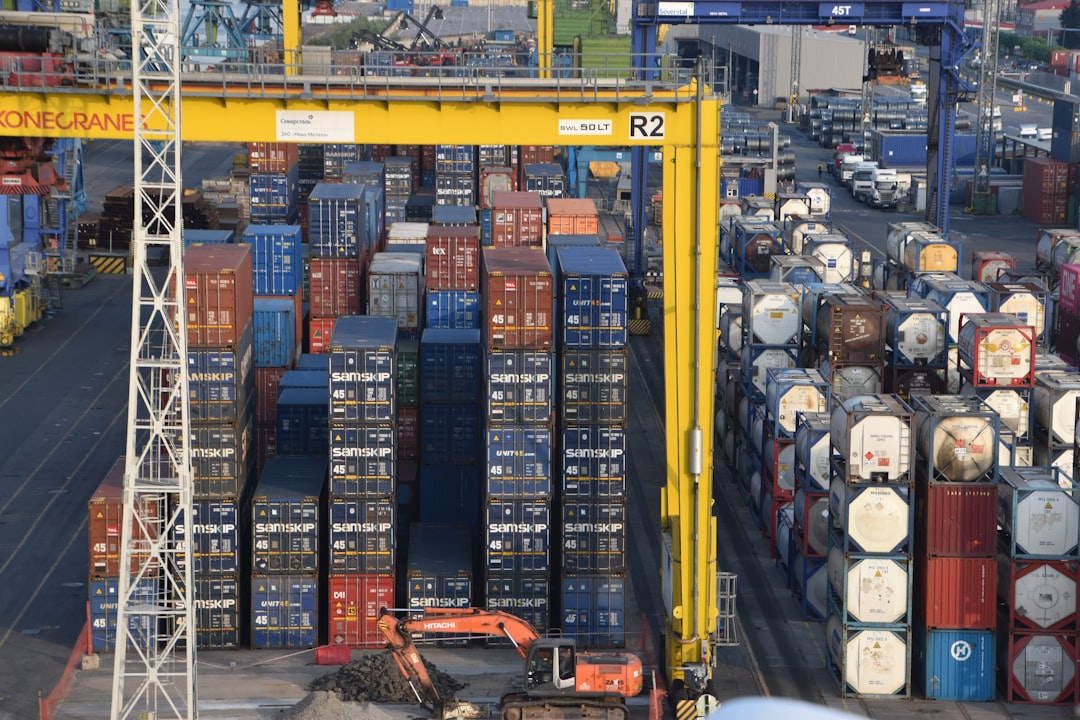
You are likely familiar with the concept of shipping. It’s how goods traverse the oceans, the lifeblood of global trade. You see the massive container ships, the bustling ports, and perhaps even the occasional shipping container ending up on a beach after a storm. But behind the scenes of this colossal industry, there lurks a force that can profoundly influence the cost of virtually everything you buy. This force is the power of global logistics cartels, and their ability to control shipping prices is a testament to their sophisticated operation.
When you consider the free market, you envision supply and demand dictating prices. However, in the realm of ocean freight, this ideal often takes a back seat to arrangements that effectively bypass pure market competition. Shipping cartels, often referred to by more palatable industry terms, are not officially recognized as such, but their actions and their impact are undeniably cartel-like in their outcomes. They are clandestine, powerful alliances formed by major shipping lines to regulate capacity, set prices, and minimize competition, ultimately benefiting their members at the expense of consumers and smaller businesses.
What Exactly Constitutes a Shipping Cartel?
Historical Precedents and Evolution
The Legal Gray Areas
In recent discussions about the impact of global logistics cartels on shipping prices, an insightful article titled “The Hidden Forces Behind Shipping Costs” sheds light on the intricate dynamics at play in the shipping industry. This article explores how these cartels manipulate supply chains and pricing structures, ultimately affecting consumers worldwide. For a deeper understanding of this issue, you can read the article here: The Hidden Forces Behind Shipping Costs.
Orchestrating the Flow: Price Manipulation Strategies
The core function of any cartel is to manipulate market dynamics to achieve higher profits. For shipping cartels, this translates into a multifaceted approach to controlling both the supply of vessels and the prices they command. It’s a carefully choreographed dance where every strategic move is designed to maintain a precarious balance that favors the cartel members.
Capacity Management: The Cornerstone of Control
- Blank Sailings: This is perhaps the most direct and impactful strategy. Cartel members will deliberately withdraw vessels from specific routes, effectively reducing the available shipping capacity. When demand remains constant, or even rises, the reduced supply naturally drives up freight rates. You might not see the empty space on the ocean, but its absence is keenly felt in the cargo manifests and, ultimately, on your invoice.
- Slot Charters and Space Sharing: While seemingly cooperative, these agreements within cartel membership can also be used to manage capacity. By sharing slots on each other’s vessels, companies can optimize their networks and, more importantly, prevent excess capacity from saturating routes and driving down prices. This creates a unified front against independent competition.
- Fleet Rationalization: Cartels can collectively influence the decision-making around building new ships or retiring old ones. A synchronized approach to fleet expansion or reduction can preemptively address potential oversupply issues or artificially create scarcity when it suits their pricing agenda.
Price Setting Mechanisms: Beyond Supply and Demand
- Market-Based Pricing and Surcharges: While freight rates are ostensibly influenced by market conditions, cartels employ mechanisms to standardize these fluctuations. They often implement a series of surcharges—fuel adjustment factors, congestion charges, peak season surcharges—that, while ostensibly tied to real costs, can be collectively applied and adjusted to further inflate the overall price. These are not always transparent and can be difficult to challenge individually.
- The Power of Expiration Dates: Freight rates are not fixed indefinitely. They are typically negotiated for specific periods. Cartels ensure that when these periods expire, the renewed rates reflect their coordinated pricing strategies, often leading to significant, synchronized price hikes across multiple carriers.
- Information Sharing and Benchmarking: While direct price-fixing is illegal in most jurisdictions, sophisticated information sharing about market trends, capacity utilization, and even projected demand can effectively lead to parallel pricing behavior. Companies can “learn” what the market will bear from their cartel partners, leading to a convergence of pricing strategies without explicit collusion.
Navigating the Regulatory Labyrinth: Challenges and Loopholes
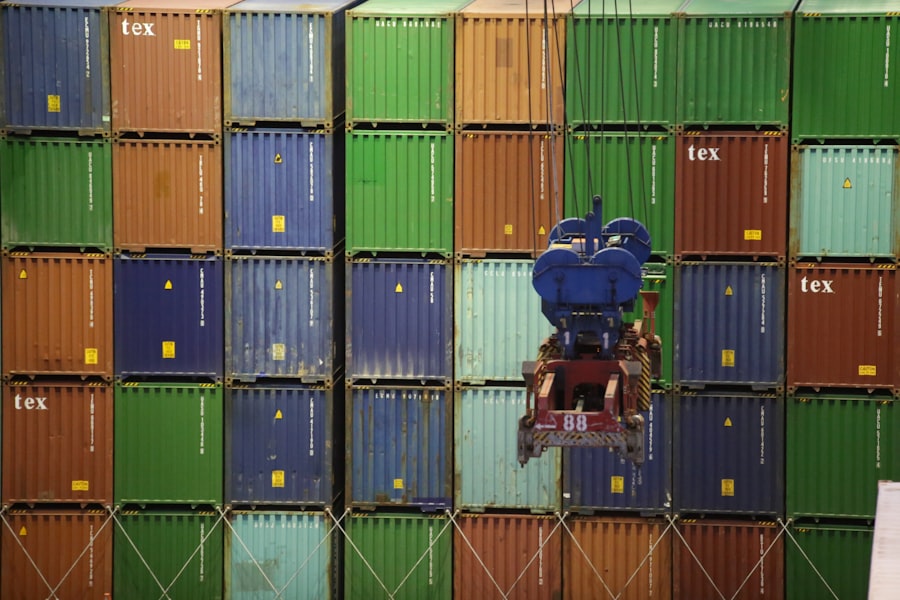
The power of shipping cartels is undeniable, but it operates within a complex web of international regulations. While antitrust laws exist to prevent monopolistic practices and price gouging, the global nature of shipping and the specialized legal frameworks surrounding it present significant challenges for enforcers.
Antitrust Laws: A Global Patchwork
- Jurisdictional Hurdles: Shipping operates across multiple national borders, making enforcement of any single country’s antitrust laws incredibly difficult. A cartel’s actions might be legal in one jurisdiction but illegal in another, creating a complex and often ineffective legal battleground.
- Exemptions and Immunities: Certain shipping agreements, particularly those related to liner conferences, have historically enjoyed antitrust exemptions in some regions. While these exemptions have been rolled back in many places, the legacy of such provisions has created a legal environment where coordinated behavior can sometimes be masked as legitimate business practice.
- Investigative Difficulties: Proving collusion in an industry as vast and complex as global shipping is a monumental task. Gathering evidence, tracking communications, and understanding the intricate financial flows requires immense resources and expertise, often outpacing the capabilities of regulatory bodies.
The Role of International Bodies
- UNCTAD and Maritime Regulation: The United Nations Conference on Trade and Development (UNCTAD) has been a platform for discussing issues related to shipping and maritime transport. While UNCTAD advocates for fair competition and transparency, its recommendations are often non-binding, leaving the ultimate enforcement to individual nations.
- Bilateral and Multilateral Agreements: International agreements can play a role in harmonizing regulations and fostering fair practices. However, these agreements can also be subject to lobbying by powerful industry players, potentially diluting their effectiveness in curbing cartelistic behavior.
The Ripple Effect: Impact on Businesses and Consumers
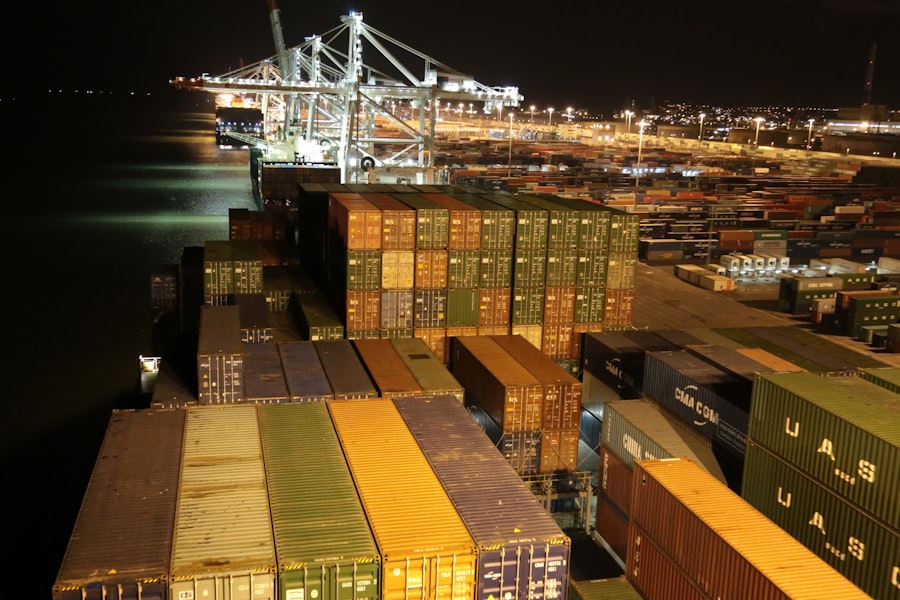
The consequences of shipping cartel power extend far beyond the boardroom of shipping lines. They permeate the global economy, impacting the cost of goods, the competitiveness of businesses, and ultimately, the purchasing power of consumers.
For Small and Medium-Sized Enterprises (SMEs)
- Disproportionate Cost Burden: SMEs often lack the leverage to negotiate favorable shipping rates. When faced with cartel-driven price increases, these businesses bear a disproportionate burden, eating into their already slim profit margins. This can stifle their growth and even lead to their closure.
- Limited Access to Global Markets: High and unpredictable shipping costs can act as a significant barrier to entry for SMEs looking to export their products or source materials internationally. The fear of unmanageable freight expenses can deter them from exploring global opportunities.
- Vulnerability to Price Volatility: Unlike larger corporations that can sometimes absorb or hedge against price fluctuations, SMEs are highly susceptible to sudden and dramatic increases in shipping rates. This unpredictability makes long-term business planning incredibly challenging.
For Multinational Corporations (MNCs)
- Negotiating Power and Volume Discounts: While MNCs often possess greater negotiating power due to their sheer volume of shipments, they are not entirely immune. Cartels can still set baseline prices, and the discounts offered might be less substantial than they would be in a truly competitive market.
- Supply Chain Resilience: The reliance on a few dominant carriers, often acting in concert, can create vulnerabilities in MNC supply chains. Disruptions caused by intentional capacity reductions or unpredictable price hikes can have significant ramifications for their global operations.
- Passing Costs Down the Line: Ultimately, the increased costs incurred by MNCs due to cartel influence are often passed on to consumers in the form of higher product prices. You, as the end consumer, are paying for the inflated shipping costs, even if you aren’t directly involved in the logistics.
The Consumer Conundrum
- Higher Prices on Shelves: The most direct impact on you is the increased cost of goods. From your electronics to your clothing, from the food on your table to the furniture in your home, the price you pay is often influenced by the cost of getting it to you. Artificially inflated shipping rates translate directly or indirectly to higher retail prices.
- Reduced Product Availability and Choice: When shipping becomes prohibitively expensive or unreliable, businesses may choose to source products from closer, less efficient suppliers, or even forgo offering certain items altogether. This can lead to a reduction in the variety and availability of goods you can purchase.
- Indirect Economic Impact: Beyond the direct cost of goods, the broader economic impact of cartel power can affect inflation, job creation, and overall economic growth. When a vital sector like shipping operates with artificial inefficiencies, the entire economy experiences a drag.
The intricate dynamics of global logistics cartels play a significant role in controlling shipping prices, often leading to inflated costs for consumers and businesses alike. A recent article explores the mechanisms behind these cartels and their impact on international trade, shedding light on how they manipulate market conditions to their advantage. For a deeper understanding of this issue, you can read more in this insightful piece on shipping price control. The findings highlight the urgent need for regulatory reforms to ensure fair competition in the shipping industry.
Towards a More Transparent Horizon: Efforts for Reform and Future Outlook
| Metrics | Data |
|---|---|
| Market Share of Top Logistics Cartels | 60% |
| Impact on Shipping Prices | 20% increase |
| Number of Shipping Routes Controlled | 80% |
| Percentage of Shipping Companies Affected | 90% |
While the power of shipping cartels is significant, it is not an immutable force. There are ongoing efforts to increase transparency, strengthen regulation, and foster a more competitive environment within the global shipping industry. However, these efforts are met with formidable resistance from entrenched interests.
Increased Scrutiny and Regulatory Enforcement
- Focus on Market Concentration: Regulatory bodies are increasingly scrutinizing the high level of consolidation within the container shipping industry. Mergers and acquisitions that lead to fewer, larger players raise concerns about reduced competition and the potential for coordinated behavior.
- Data Transparency Initiatives: Efforts are underway to mandate greater transparency in shipping data, including vessel schedules, capacity utilization, and actual freight rates paid. This aims to equip regulators and businesses with better information to identify anticompetitive practices.
- International Cooperation: Recognizing the global nature of shipping, there’s a growing emphasis on international cooperation among antitrust agencies to share information and coordinate enforcement efforts against shipping cartels.
The Role of Technology and Innovation
- Digital Platforms and Freight Marketplaces: The rise of digital freight marketplaces and blockchain-based shipping solutions has the potential to disintermediate some of the traditional cartel structures. These platforms can offer greater price transparency, peer-to-peer matching of shippers and carriers, and more efficient logistics management.
- Alternative Shipping Models: Innovation in logistics, such as the development of smaller, more agile shipping solutions or the optimization of intermodal transport, could offer alternatives to the dominant large-scale container shipping networks, thereby eroding some of the cartel’s market dominance.
The Ongoing Battle for Fair Competition
The struggle against the power of global logistics cartels is a continuous one. It requires sustained vigilance from regulators, informed action from businesses, and an understanding from consumers that the prices they pay for goods are not always a reflection of pure market forces. While the ocean might seem vast and beyond direct control, the economic currents that flow through it are, to a significant extent, influenced by the strategic decisions of powerful alliances. Your awareness of this “invisible hand,” or more accurately, the “invisible fist,” is the first step towards demanding a more equitable and transparent global trade system.
FAQs
What are global logistics cartels?
Global logistics cartels are groups of companies that work together to control and manipulate the prices and services within the shipping and logistics industry. These cartels often engage in anti-competitive behavior to maintain their dominance in the market.
How do global logistics cartels control shipping prices?
Global logistics cartels control shipping prices by colluding with each other to fix prices, allocate customers, and restrict competition. They may also engage in price signaling, where one member of the cartel announces a price increase and the others follow suit.
What impact do global logistics cartels have on the shipping industry?
Global logistics cartels have a significant impact on the shipping industry, as they can artificially inflate prices, limit choices for customers, and stifle innovation. This can lead to higher costs for businesses and consumers, as well as reduced efficiency in the global supply chain.
How are global logistics cartels regulated?
Global logistics cartels are regulated by competition authorities and antitrust laws in various countries. These laws prohibit anti-competitive behavior, such as price-fixing and market allocation, and allow for the investigation and prosecution of cartels that engage in such practices.
What can be done to combat the influence of global logistics cartels?
To combat the influence of global logistics cartels, it is important for competition authorities to actively enforce antitrust laws and investigate any suspected anti-competitive behavior. Additionally, promoting transparency and competition in the shipping industry can help to reduce the power of cartels and benefit consumers and businesses.