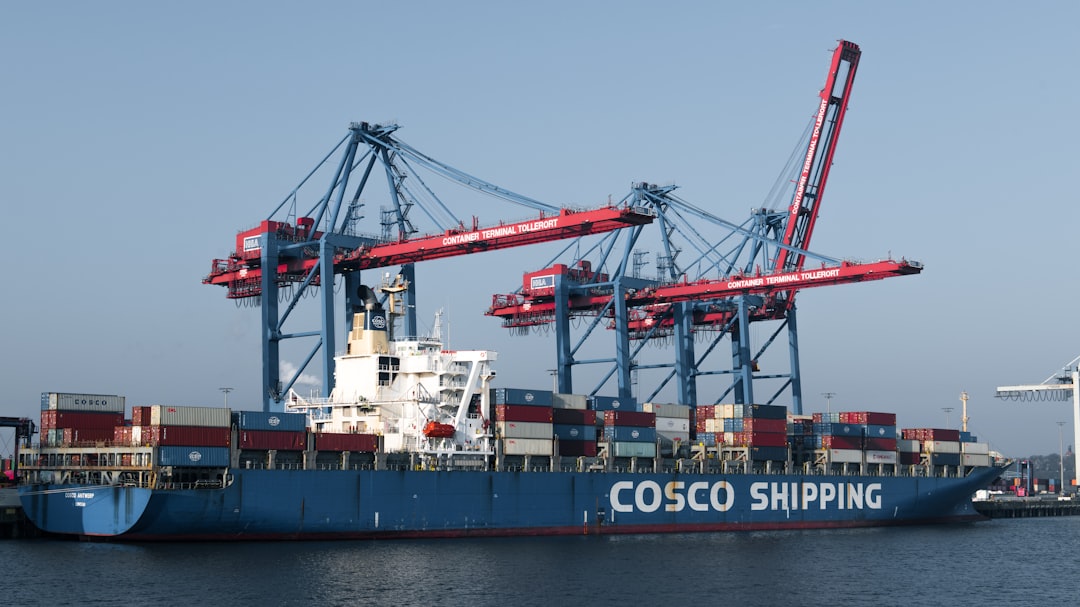
You might not think about it much, but the sheer volume of goods moved across the globe by ships is fundamental to your daily life. From the electronic device you’re reading this on to the clothes you wear and the food you eat, each item has, at some point, felt the sway of the ocean. This massive, often overlooked, industry is more than just a logistical necessity; it’s a significant player in the global economy, and increasingly, it’s being recognized as a distinct asset class with potential impacts on your personal finances. Understanding shipping as an asset class can offer a new perspective on where your investments might lie, or how global economic forces subtly influence your wallet.
To grasp how shipping impacts your finances, you first need to understand what makes it an asset class. Historically, shipping has been viewed primarily as an operational industry, a means to an end. However, increasingly, investors are recognizing the underlying value of the vessels themselves, the freight rates they command, and the companies that manage them. This shift allows for more direct investment opportunities, moving beyond simply consuming the products that are shipped.
The Tangible Value of Ships
At its core, a ship is a significant piece of physical capital. These are massive, complex, and expensive pieces of machinery. A large container vessel can cost upwards of $150 million, while a specialized tanker or bulk carrier represents a similar, if not greater, financial commitment. This inherent physical value means that, much like real estate, shipping assets have a tangible baseline value.
Depreciation and Appreciation of Vessels
Like any physical asset, ships depreciate over time. However, the rate of depreciation is influenced by several factors. Technological advancements can render older vessels less efficient or competitively disadvantaged. Similarly, regulatory changes, such as new environmental standards, might require costly upgrades or even decommission older ships. Conversely, during periods of high demand and limited new construction, the value of existing, well-maintained vessels can appreciate. This dynamic is similar to how demand for certain types of real estate might outstrip supply, driving up prices.
The Role of Shipyards and New Builds
The supply of new ships comes from shipyards, and their capacity is a significant determinant of asset values. When shipyards are booked years in advance, or when construction costs rise, it limits the influx of new vessels. This scarcity can bolster the value of existing ships. Conversely, overcapacity in shipbuilding can lead to a glut of new vessels, putting downward pressure on both new and existing ship prices. Understanding these supply-side dynamics is crucial for assessing the asset value of ships.
Freight Rates: The Engine of Shipping Revenue
The primary way shipping companies generate revenue, and thus influence the asset class, is through freight rates. These are the prices charged for transporting goods. Freight rates are notoriously volatile, driven by a complex interplay of global supply and demand for shipping services, commodity prices, geopolitical events, and seasonal patterns.
Spot Market vs. Time Charters
Freight rates can be determined in several ways. The spot market refers to short-term agreements for immediate voyage. These rates can fluctuate rapidly. Time charters, on the other hand, involve leasing a vessel for a fixed period, providing more predictable revenue, but potentially locking in rates at unfavorable levels if the market later surges. The balance between these two types of contracts impacts a shipping company’s financial stability and therefore its valuation as an asset.
Impact of Global Trade Volumes
Ultimately, freight rates are dictated by the volume of goods being traded globally. If manufacturing is booming in Asia and demand for consumer goods is high in North America and Europe, container ships will be in high demand, pushing rates up. Conversely, economic downturns or trade disputes that reduce global trade volumes will depress freight rates and, consequently, the profitability of shipping operations.
Shipping as an asset class has gained significant attention in recent years, particularly due to its potential to impact your wallet positively. An insightful article that delves into this topic can be found at Hey Did You Know This, where it explores how investments in shipping can diversify your portfolio and offer unique financial opportunities. By understanding the dynamics of shipping markets, investors can make informed decisions that may lead to enhanced returns and reduced risk in their overall investment strategy.
Shipping Sectors and Their Investment Characteristics
The shipping industry isn’t a monolith. It’s comprised of various sectors, each with its own unique characteristics, risks, and potential rewards for investors. Understanding these distinctions is vital to assessing how shipping as an asset class might affect your personal finances.
Container Shipping: The Backbone of Global Commerce
Container shipping is perhaps the most visible segment of the industry, transporting standardized containers filled with a vast array of manufactured goods. This sector is highly sensitive to global consumer demand and manufacturing output.
The Impact of E-commerce
The exponential growth of e-commerce has significantly boosted demand for container shipping. As more goods are bought and sold online, and subsequently shipped across continents, the need for efficient container logistics intensifies. This trend has generally been supportive of container shipping’s asset class performance.
Fleet Size and Utilization Rates
The performance of container shipping companies is heavily influenced by the size of their fleets and how effectively those ships are utilized. Overcapacity in the container fleet can lead to vessels sitting idle, eroding profitability. Conversely, high utilization rates, often driven by strong demand, lead to higher freight rates.
Dry Bulk Shipping: Movers of Raw Materials
Dry bulk carriers transport unpackaged bulk cargo, such as iron ore, coal, grains, and cement. This segment is closely tied to global industrial production and infrastructure development.
Commodity Cycles and Demand
The demand for dry bulk shipping is intrinsically linked to the price and demand for the commodities they carry. For example, a surge in global steel production will increase the demand for iron ore and metallurgical coal, thereby boosting dry bulk shipping rates. When commodity cycles turn, dry bulk shipping can experience significant volatility.
Capesize, Panamax, and Smaller Vessels
The dry bulk market is segmented by vessel size, with specific vessels suited for different types of cargo and routes. Capesize vessels, the largest, are often used for iron ore and coal on long-haul routes. Panamax vessels are sized to transit the Panama Canal. Understanding these sub-segments provides a more granular view of asset values and market dynamics.
Tanker Shipping: The Flow of Energy
Tanker companies transport oil, refined petroleum products, and chemicals. This sector is directly influenced by global energy demand, production levels, and geopolitical stability in oil-producing regions.
Geopolitical Risk and Oil Prices
Geopolitical events, such as conflicts in the Middle East or sanctions on oil-producing nations, can significantly impact tanker rates. Supply disruptions or changes in production can lead to increased demand for tankers to move oil to different markets. This volatility can create both significant opportunities and risks.
Crude Oil vs. Product Tankers
The tanker market is further divided into crude oil tankers (carrying unrefined oil) and product tankers (carrying refined products like gasoline and diesel). Demand drivers and market dynamics can differ between these segments. For instance, changes in refinery output or regional demand for specific refined products will influence product tanker rates.
Specialized Shipping: Niche Markets
Beyond the major segments, there are numerous specialized shipping sectors, such as offshore support vessels, gas carriers (LNG and LPG), and heavy-lift vessels. These often operate in niche markets with unique supply and demand drivers.
LNG and LPG Carriers
The global demand for liquefied natural gas (LNG) and liquefied petroleum gas (LPG) has been a significant growth area. The construction and operation of specialized LNG and LPG carriers require substantial capital investment and technical expertise, creating a distinct asset class within shipping.
Offshore Support Vessels
These vessels are vital for the exploration and production activities in the offshore oil and gas industry. Their demand is closely tied to oil prices and investment in offshore projects.
The Investor’s Perspective: Shipping as a Direct Asset Class

Recognizing shipping as an asset class opens up direct investment avenues, allowing individuals and institutions to participate in the sector’s performance beyond simply being consumers of goods. This shift has democratized access and introduced new ways to potentially hedge against inflation or diversify portfolios.
Investing in Shipping Companies (Publicly Traded)
The most accessible way to invest in shipping as an asset class is through publicly traded shipping companies. Many such companies are listed on major stock exchanges.
Stock Performance and Dividends
The stock performance of shipping companies directly reflects the sector’s health. When freight rates are high and companies are profitable, their stock prices tend to rise. Many shipping companies also pay dividends, providing a potential income stream for investors.
Management Quality and Fleet Modernization
Beyond the market conditions, the performance of individual shipping companies is heavily dependent on the quality of their management, their strategic decisions regarding fleet size and modernization, and their financial leverage.
Shipping Exchange-Traded Funds (ETFs) and Mutual Funds
For investors seeking diversification within the shipping sector, ETFs and mutual funds offer a convenient solution. These funds typically hold a basket of shipping company stocks.
Diversification Benefits
By investing in a shipping ETF, you gain exposure to multiple companies across different shipping segments, mitigating some of the individual company risk. This “set it and forget it” approach appeals to many investors.
Management Fees and Expense Ratios
It’s important to be aware of the management fees and expense ratios associated with these funds. These costs can eat into your returns over time, so comparing options is crucial.
Direct Investment in Vessels and Infrastructure
For more sophisticated investors, there are opportunities for direct investment, though these often require significant capital. This can include investing in individual vessels or in port infrastructure.
Private Equity and Hedge Funds
Private equity firms and hedge funds are increasingly involved in shipping, acquiring distressed assets, investing in shipbuilding projects, or engaging in complex derivative strategies. Access to these opportunities for individual investors is typically limited.
Real Estate Investment Trusts (REITs) in Shipping Real Estate
While less common, some investors might consider real estate associated with shipping, such as port facilities, warehouses, or logistics hubs, through specialized REITs.
Factors Influencing Shipping Asset Values and Your Wallet
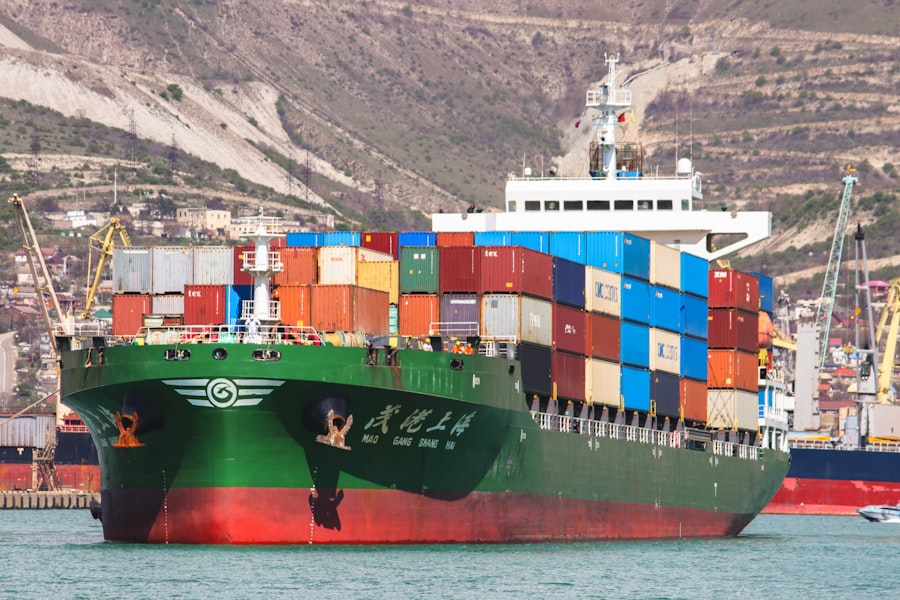
The performance of shipping as an asset class has tangible repercussions for your personal finances. Understanding the key drivers of shipping asset values helps you connect global economic trends to your own financial situation.
Global Economic Growth and Consumer Demand
As previously mentioned, the most dominant factor influencing shipping asset values is the health of the global economy. When economies are growing, consumers have more disposable income, leading to increased demand for manufactured goods and raw materials. This translates directly into higher demand for shipping services.
Recessionary Impacts on Shipping
Conversely, during economic downturns or recessions, consumer spending typically declines, leading to reduced trade volumes and depressed shipping rates. This can result in significant losses for shipping companies and a decline in the value of their assets. Your own financial situation, employment prospects, and the value of your investments can all be negatively impacted by a global recession, which is often exacerbated by or reflected in the shipping industry’s struggles.
Inflationary Pressures and Hedging
In an inflationary environment, the tangible assets like ships can potentially act as a hedge. As the cost of new construction rises, the value of existing vessels may increase in nominal terms. Furthermore, the cost of goods being transported also rises with inflation, which can, in theory, be passed on to consumers through higher freight rates, benefiting shipping companies. This can contribute to the appreciation of shipping assets, indirectly impacting the value of your own assets.
Geopolitical Events and Trade Policies
Geopolitical events, such as wars, political instability, or shifts in international relations, can profoundly disrupt global trade routes and shipping operations. Trade wars, tariffs, and protectionist policies can erect barriers to free trade, reducing the volume of goods shipped and impacting freight rates.
Supply Chain Disruptions
These geopolitical factors can lead to significant supply chain disruptions. A blocked shipping lane, a trade dispute that restricts the movement of goods from a particular region, or even acts of piracy can create bottlenecks and increase shipping costs. These disruptions can translate into higher prices for the goods you purchase, impacting your household budget.
Piracy and Security Risks
In certain regions, piracy remains a threat to shipping. The costs associated with increased security measures, insurance premiums, and potential cargo losses are factored into the operational costs of shipping companies, which can ultimately be reflected in freight rates and the overall asset value.
Regulatory Changes and Environmental Concerns
The shipping industry is subject to increasing regulatory scrutiny, particularly concerning environmental impact. New regulations regarding emissions, ballast water management, and fuel efficiency can lead to substantial capital expenditures for shipping companies.
The Cost of Compliance
Complying with stricter environmental regulations often requires significant investments in new technologies or retrofitting existing vessels. This can impact profitability and the valuation of older ships if they cannot meet new standards. Your own purchases may reflect these costs as companies pass them on.
The Rise of Green Shipping
The growing emphasis on sustainability is driving innovation in green shipping technologies, such as alternative fuels and more efficient ship designs. Companies that embrace these changes may see improved long-term asset values and potentially lower operational costs, making them more attractive investments.
Shipping as an asset class can significantly impact your wallet, as it offers unique investment opportunities that can diversify your portfolio and potentially enhance returns. For a deeper understanding of how these investments work and their implications for your finances, you might find it helpful to read this insightful article on the topic. By exploring the dynamics of shipping investments, you can better grasp how they can influence your overall financial strategy. To learn more, check out this related article.
The Impact on Your Wallet: Direct and Indirect Links
| Metrics | Impact on Wallet |
|---|---|
| Shipping Rates | Higher rates may increase cost of goods |
| Shipping Delays | Potential for increased expenses due to late deliveries |
| Shipping Efficiency | Improved efficiency may lead to cost savings |
| Shipping Demand | Increased demand may lead to higher prices |
Understanding shipping as an asset class is not just an academic exercise; it has real-world implications for your personal finances, both directly and indirectly. The performance of the shipping markets can influence the cost of goods you buy, the profitability of companies you invest in, and the overall stability of the global economy.
Cost of Goods and Consumer Prices
One of the most immediate and tangible impacts on your wallet comes from the cost of goods. Shipping is the primary mechanism for moving goods from where they are produced to where they are consumed. When shipping costs rise, whether due to high freight rates, fuel surcharges, or disruptions, these costs are often passed on to consumers in the form of higher prices.
Import Costs and Inflation
For countries heavily reliant on imports, fluctuations in shipping costs can significantly influence inflation rates. If the cost of transporting manufactured goods or raw materials increases, the prices of everyday items in your local stores will likely follow suit.
Export Competitiveness
Conversely, when shipping costs are low, it can make a country’s exports more competitive on the global market. This can boost economic activity and employment, indirectly benefiting your financial well-being.
Investment Portfolio Performance
If you invest in publicly traded companies, the performance of shipping as an asset class can directly influence your portfolio. Holding stocks of shipping companies, or ETFs/mutual funds that include them, means your returns will be tied to the sector’s fortunes.
Diversification and Risk Management
Including shipping in a diversified investment portfolio can offer opportunities for growth and potentially act as a hedge against other economic sectors. However, it’s crucial to understand the inherent volatility of shipping and to manage your risk accordingly.
Correlation with Other Asset Classes
The correlation of shipping performance with other asset classes is a key consideration. During certain economic cycles, shipping might move in tandem with broad stock market movements, while at other times, its unique drivers can lead to diverging performance. Understanding these correlations helps in building a more resilient portfolio.
Global Economic Stability and Your Financial Security
The shipping industry is a barometer of global economic health. Its reliable functioning is essential for international trade and economic interconnectedness. When the shipping sector faces significant challenges, it can contribute to broader economic instability.
Impact on Global Supply Chains
A robust and efficient global shipping network is vital for maintaining stable supply chains. Disruptions in shipping can lead to shortages of essential goods, impacting businesses and consumers alike. This can affect not only the prices of goods but also the availability of products you rely on.
The Interconnectedness of Economies
The global financial system is highly interconnected. Challenges in a major asset class like shipping can have ripple effects across different markets and economies, ultimately impacting your personal financial security through job market fluctuations, investment performance, and overall economic confidence.
Navigating the Shipping Asset Class: A Prudent Approach
Engaging with shipping as an asset class, whether as an investor or simply as a consumer affected by its dynamics, requires a grounded and informed perspective. Avoid the temptation of speculative hype; instead, focus on understanding the fundamental drivers and risks involved.
Due Diligence and Research
Before considering any investment in the shipping sector, thorough due diligence is paramount. This involves understanding the specific segments, the companies involved, their financial health, management expertise, and the prevailing market conditions.
Understanding the Cycles
Shipping is inherently cyclical. Freight rates and asset values can experience dramatic swings. Investors need to be aware of these cycles and understand how they might impact their investment decisions. This means looking beyond short-term fluctuations and assessing longer-term trends.
Risk Assessment and Diversification
Shipping investments carry specific risks, including market volatility, geopolitical events, regulatory changes, and environmental concerns. Diversifying your portfolio across different asset classes and within the shipping sector itself can help mitigate these risks.
Long-Term Perspective and Patience
Given the cyclical nature of shipping, a long-term investment perspective is often beneficial. Short-term speculation can be fraught with danger. Focusing on well-managed companies with strong fundamentals and a commitment to adapting to industry changes can yield better results over time.
Avoiding Emotional Decision-Making
The highly volatile nature of shipping markets can lead to emotional decision-making. It’s crucial to maintain a disciplined approach, sticking to your investment strategy and avoiding impulsive trades based on market noise.
Adapting to Industry Evolution
The shipping industry is constantly evolving, driven by technological advancements, environmental pressures, and changing global trade patterns. Staying informed about these developments and how they might impact asset values is key to making sound decisions, whether you are investing directly or simply trying to understand how global forces influence your personal finances.
FAQs
What is shipping as an asset class?
Shipping as an asset class refers to the investment in ships and vessels as a way to generate returns. Investors can buy shares in shipping companies, invest in shipping funds, or directly purchase ships to participate in this asset class.
How does shipping as an asset class affect my wallet?
Investing in shipping as an asset class can impact your wallet in several ways. It can provide opportunities for potential returns through dividends and capital appreciation, but it also carries risks such as market volatility and economic downturns that can affect the value of your investment.
What are the factors that influence the performance of shipping as an asset class?
The performance of shipping as an asset class is influenced by various factors such as global trade volumes, supply and demand dynamics in the shipping industry, fuel costs, regulatory changes, and geopolitical events. These factors can impact the profitability and value of shipping investments.
What are the potential benefits of investing in shipping as an asset class?
Investing in shipping as an asset class can provide diversification to an investment portfolio, potential for high returns during periods of strong global trade, and exposure to a vital industry that facilitates the movement of goods around the world.
What are the risks associated with investing in shipping as an asset class?
Risks associated with investing in shipping as an asset class include market volatility, economic downturns affecting global trade, regulatory changes impacting the industry, environmental concerns, and the cyclical nature of the shipping market. It’s important for investors to carefully consider these risks before investing in shipping assets.