The extraction of sand, a seemingly innocuous commodity, has become a focal point of organized criminal activity in various regions. Illegal sand mining syndicates operate with a sophisticated network of individuals, often exploiting loopholes in regulations and utilizing tactics that extend beyond simple resource theft. Their operations are characterized by a disregard for environmental protection, community welfare, and legal frameworks, creating a multifaceted problem that demands comprehensive exposure and robust countermeasures.
Illegal sand mining, a global concern, manifests in diverse forms depending on local contexts. These syndicates are not typically small, informal groups; rather, they represent organized enterprises that generate substantial revenue through illicit means.
Identifying the Illicit Trade
The primary commodity, sand, is crucial for construction, infrastructure development, and even manufacturing. This constant demand, coupled with often insufficient or poorly enforced legal supply chains, creates a fertile ground for illegal operations. Syndicates exploit this gap by extracting sand from protected areas, riverbeds, coastlines, and even private lands without any permits or environmental impact assessments. The sheer volume of sand moved, often under the cover of darkness or through clandestine routes, makes official oversight exceptionally challenging.
The Machinery of Extraction and Transportation
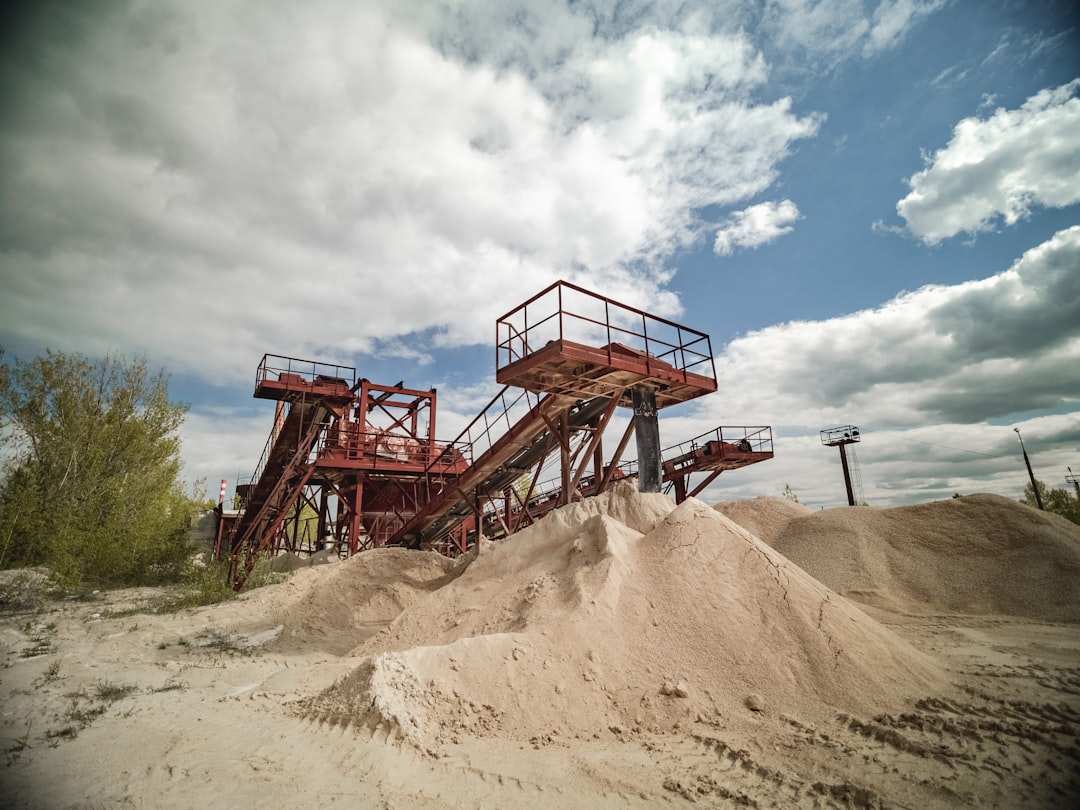
These operations are often surprisingly well-equipped. While small-scale illegal mining might employ manual labor, larger syndicates utilize heavy machinery such as excavators, bulldozers, and even barges and dredgers. These tools facilitate rapid extraction and, crucially, the large-scale movement of sand to processing sites or directly to construction projects that are willing to overlook the illicit origin of the material. The transportation network can involve fleets of trucks, often operating on unapproved routes, further contributing to environmental degradation through erosion and dust pollution.
Financial Flows and Network Structures
The profitability of illegal sand mining fuels its sustainability. Profits are often channeled through complex financial networks, making it difficult to trace the funds and identify the ultimate beneficiaries. This can involve shell companies, offshore accounts, and direct cash transactions. The syndicates are not monolithic; they are comprised of various tiers, from the laborers on the ground to the logistics managers, the financiers, and the individuals who bribe officials or provide protection, both legitimate and illicit, to ensure their operations continue unimpeded. The presence of corruption at various levels of governance is a significant enabler for these syndicates.
Illegal sand mining syndicates have come under scrutiny as recent investigations have revealed the extensive environmental damage and social implications of their activities. These syndicates exploit natural resources without regard for regulations, leading to significant ecological degradation and loss of livelihoods for local communities. For a deeper understanding of the impact of such practices, you can read a related article that discusses the broader implications of illegal mining operations and their effects on ecosystems and economies. Check it out here: related article.
Environmental Devastation by Syndicate Operations
The environmental consequences of illegal sand mining are profound and far-reaching, impacting ecosystems, biodiversity, and natural resources for generations. These syndicates operate with a complete disregard for ecological balance, prioritizing profit over sustainability.
Riverbank and Coastal Erosion
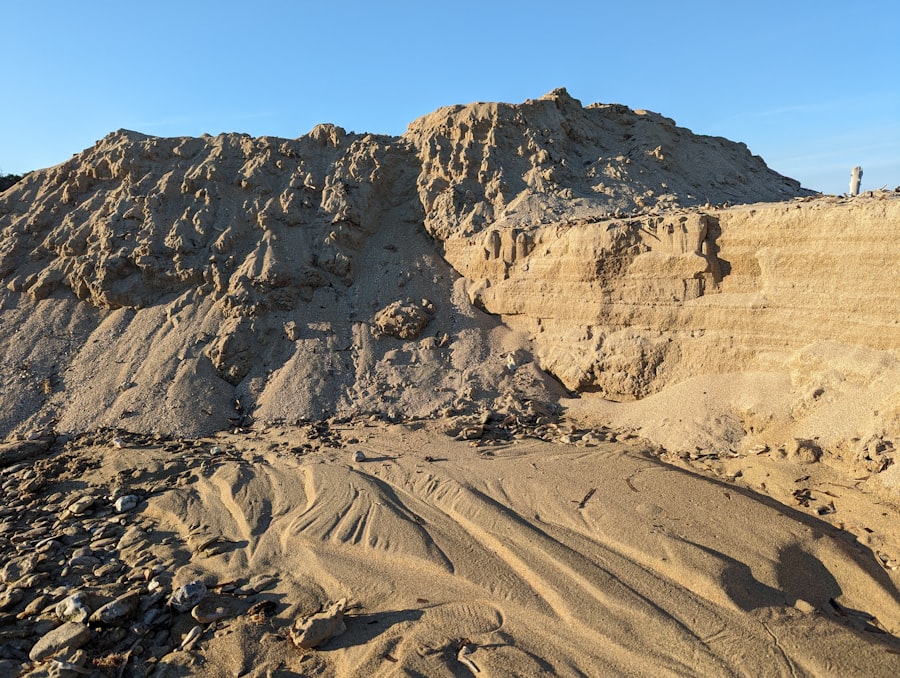
The extraction of sand from riverbeds and coastlines directly destabilizes the natural banks and shorelines. Without the stabilizing presence of sand and sediment, riverbanks become prone to collapse, leading to increased flooding risks for downstream communities. Coastal erosion is accelerated, threatening habitats, infrastructure, and human settlements. The visual impact is stark: barren landscapes where once there was lush vegetation or stable shorelines. The depletion of sand also affects the natural replenishment of beaches and riverbeds, impacting natural processes of sedimentation and erosion control.
Water Table Depletion and Contamination
Aggressive dredging and sand extraction from riverbeds can significantly lower the water table. This impacts agricultural productivity, reduces water availability for communities, and can lead to the drying up of wells and natural springs. Furthermore, the removal of sand and gravel can disrupt the natural filtration capacity of riverbeds, leading to the contamination of groundwater sources with pollutants from the mining sites or from surface runoff. Certain mining methods can also stir up sediment, increasing turbidity and impacting aquatic life.
Habitat Destruction and Biodiversity Loss
Aquatic ecosystems are particularly vulnerable. The removal of sand from riverbeds and estuaries destroys spawning grounds for fish, decimates populations of invertebrates that form the base of the food chain, and eliminates crucial habitats for a wide array of aquatic and semi-aquatic species. Coastal mining can decimate nesting sites for birds and turtles, and destroy mangrove forests that act as natural buffers against storms and provide vital nurseries for marine life. The long-term impact on biodiversity can be irreversible, leading to local extinctions and a significant decline in ecological health.
Impact on Agricultural Land
In areas where sand mining occurs near agricultural lands, the consequences can be equally severe. The lowering of water tables directly impacts crop irrigation. Moreover, the dust generated by the mining and transportation operations can settle on crops, reducing their photosynthetic efficiency and overall yield. In some instances, illegal mining activities can compromise the structural integrity of farmland, leading to land degradation and rendering it unsuitable for cultivation.
Socioeconomic Disruptions Caused by Sand Mining Syndicates
Beyond environmental damage, illegal sand mining syndicates inflict considerable harm on communities, economies, and social structures. Their operations often disenfranchise local populations and undermine legitimate economic activities.
Displacement and Loss of Livelihoods
In many cases, illegal sand mining encroaches upon lands traditionally used by local communities for agriculture, fishing, or resource gathering. The environmental degradation caused by these operations can render these lands unusable, forcing displacement and the loss of traditional livelihoods. Communities that depend on healthy river ecosystems or coastal resources for their sustenance face a direct economic and cultural threat. The disruption of natural resources can plunge vulnerable populations into deeper poverty.
Health and Safety Hazards
The operations themselves pose significant health and safety risks. Unregulated mining activities can lead to accidents involving heavy machinery, collapses of excavated pits, and drowning incidents. The dust generated contributes to respiratory problems among workers and nearby residents. Furthermore, the disruption of water sources can lead to the spread of waterborne diseases. The lack of safety regulations and oversight makes these operations inherently dangerous for all involved.
Erosion of Governance and Increased Corruption
The profitability of illegal sand mining often attracts criminal elements and facilitates corruption within local and regional administrations. Syndicates may bribe law enforcement officials, inspectors, and politicians to overlook their activities, turn a blind eye, or actively obstruct enforcement efforts. This erodes public trust in governance, undermines the rule of law, and creates a climate of impunity where illegal activities can flourish. The diversion of public funds or resources to facilitate these illicit operations also represents a significant drain on national economies.
Impact on Infrastructure and Public Works
While sand is a necessary component of construction, illegal mining diverts this material away from legitimate infrastructure projects, often leading to shortages and inflated prices for legal contractors. Furthermore, the damage to riverbanks and coastlines can directly threaten existing roads, bridges, and other vital infrastructure, necessitating costly repairs and contributing to economic instability. The lack of quality control in sand sourced from illegal operations can also lead to substandard construction, posing safety risks.
Combating Illegal Sand Mining: Strategies and Challenges
Addressing the pervasive issue of illegal sand mining requires a multi-pronged approach that tackles both the demand and supply sides of the illicit trade, while confronting the inherent challenges in enforcement and governance.
Strengthening Legal Frameworks and Enforcement
The development and rigorous enforcement of clear, stringent laws against illegal sand mining are paramount. This includes defining precise penalties that act as genuine deterrents, not just minor inconveniences. Enhanced surveillance, including the use of technology such as drones and satellite imagery, can help identify illegal operations. Increased patrols by environmentally-focused law enforcement agencies, equipped and trained to handle such situations, are crucial. Furthermore, dedicated environmental courts or tribunals can expedite the prosecution of offenders.
Inter-Agency Collaboration and International Cooperation
Illegal sand mining syndicates often operate across jurisdictional boundaries. Therefore, effective combating strategies necessitate strong collaboration between various government agencies, including environmental protection, mining, law enforcement, and revenue departments. On an international level, knowledge sharing and coordinated efforts are essential, particularly when syndicates operate transnationally or exploit resources that impact shared waterways or coastlines. This could involve joint investigations, intelligence sharing, and mutual legal assistance.
Public Awareness and Community Engagement
Educating the public about the severe environmental and socioeconomic consequences of illegal sand mining can foster a sense of collective responsibility and generate public pressure for action. Empowering local communities to monitor and report illegal activities can act as an early warning system. Engaging communities in sustainable alternative livelihood programs can reduce their vulnerability to being co-opted by syndicates. This also includes promoting the use of sustainable and alternative construction materials where appropriate.
Tackling Corruption and Financial Networks
A critical aspect of dismantling these syndicates involves disrupting their financial backbone. This requires robust anti-corruption measures, including transparent asset declaration for public officials and strict oversight of procurement processes in the construction sector. Financial intelligence units need to be equipped to trace illicit financial flows and prosecute those involved in money laundering and the financing of illegal activities. Identifying and prosecuting the kingpins who orchestrate these operations is essential for long-term impact.
Recent investigations have shed light on the alarming activities of illegal sand mining syndicates that have been operating unchecked in various regions. These syndicates not only threaten local ecosystems but also undermine legitimate businesses and communities that rely on sustainable practices. For a deeper understanding of the implications of this issue, you can read more in a related article that discusses the environmental and economic impacts of such illegal operations. To explore this further, visit this insightful piece that highlights the urgent need for regulatory measures to combat illegal sand mining.
The Path Forward: Towards Sustainable Resource Management
| Date | Location | Number of Syndicates Exposed | Amount of Sand Seized |
|---|---|---|---|
| May 2021 | River XYZ | 3 | 500 tons |
| June 2029 | Coastal Area ABC | 5 | 800 tons |
| August 2021 | Lake DEF | 2 | 300 tons |
Exposing and dismantling illegal sand mining syndicates is not merely about law enforcement; it is about fundamentally reorienting how natural resources are managed and valued. A sustainable future requires a proactive and integrated approach.
Promoting Sustainable Construction Practices
Encouraging the use of alternative construction materials, such as recycled aggregates, manufactured sand, or even innovative bio-based materials, can reduce the demand for naturally sourced sand. Educating architects, engineers, and developers about these alternatives and providing incentives for their adoption can shift the market towards more sustainable options. This also includes promoting stricter building codes that mandate the use of certified and legally sourced materials.
Developing Transparent and Responsible Sand Management Policies
Governments need to develop clear, transparent, and participatory policies for sand extraction. This includes conducting comprehensive resource assessments, establishing equitable licensing systems, and ensuring rigorous environmental impact assessments are integrated into all mining operations. The revenue generated from legal sand extraction should be reinvested in environmental restoration and community development. These policies must be consistently reviewed and updated to adapt to changing environmental and economic conditions.
Investing in Technology and Innovation
Leveraging technology for monitoring, regulation, and enforcement can significantly enhance the effectiveness of efforts to combat illegal sand mining. This includes advanced remote sensing, artificial intelligence for pattern recognition, and secure digital platforms for tracking sand extraction permits and sales. Investing in research and development for more efficient and environmentally friendly sand extraction and processing techniques can also contribute to a more sustainable industry.
Fostering International Collaboration and Knowledge Exchange
The global nature of resource extraction and its associated challenges necessitates continuous international collaboration. Sharing best practices in policy development, enforcement techniques, and technological innovations can help countries facing similar issues. Establishing international frameworks for accountability and providing support to nations with limited capacity to combat these syndicates is crucial for a concerted global effort. This could involve joint task forces, information-sharing platforms, and capacity-building initiatives.
FAQs
What is illegal sand mining?
Illegal sand mining refers to the process of extracting sand from riverbeds, beaches, and other natural environments without proper authorization or permits from the government. This activity is often carried out in violation of environmental regulations and can lead to significant ecological damage.
What are the consequences of illegal sand mining?
Illegal sand mining can have severe consequences, including habitat destruction, erosion of riverbanks, and disruption of ecosystems. It can also lead to increased flooding and loss of biodiversity. Additionally, illegal sand mining can contribute to the depletion of natural resources and have negative impacts on local communities and economies.
How are illegal sand mining syndicates exposed?
Illegal sand mining syndicates are often exposed through investigative journalism, whistleblowers, and government crackdowns. In some cases, satellite imagery and remote sensing technologies are used to monitor and track illegal sand mining activities. Additionally, community activism and environmental organizations play a crucial role in exposing and combating illegal sand mining syndicates.
What measures are being taken to address illegal sand mining?
Governments and environmental agencies are implementing various measures to address illegal sand mining, including stricter enforcement of regulations, increased surveillance and monitoring of sand mining activities, and the implementation of sustainable sand mining practices. Additionally, public awareness campaigns and community engagement are being used to educate people about the negative impacts of illegal sand mining.
What can individuals do to combat illegal sand mining?
Individuals can combat illegal sand mining by reporting suspicious activities to the authorities, supporting environmental organizations and initiatives that work to protect natural resources, and advocating for sustainable sand mining practices. Additionally, individuals can educate themselves and others about the importance of preserving natural habitats and ecosystems.