
The construction industry, a linchpin of economic development and societal progress, operates at the intersection of ambition and risk. It is an arena where raw materials are transformed into tangible structures, from humble dwellings to towering skyscrapers. However, the inherent nature of construction work, involving heavy machinery, volatile environments, and often complex processes, presents a constant and significant challenge: maintaining safety while striving for efficiency. The pursuit of speed and cost-effectiveness can sometimes lead to the temptation of taking shortcuts, a practice that, while seemingly beneficial in the short term, often carries severe ramifications for the well-being of workers and the integrity of the final product. This article delves into the prevalent shortcuts observed in the construction sector and outlines essential safety tips designed to mitigate risks and foster a secure working environment.
The construction landscape is characterized by demanding schedules and tight budgets. Project managers and site supervisors are perpetually under pressure to deliver on time and within financial constraints. This pressure cooker environment can create fertile ground for shortcuts, where established protocols are bypassed in the name of expediency. While some shortcuts might appear innocuous, a closer examination reveals a web of potential hazards.
Defining Shortcuts in a Construction Context
Shortcuts in construction are not limited to overt acts of negligence; they can manifest in subtle, often unacknowledged ways. These might include:
Inadequate Site Preparation
Effective site preparation is foundational to a safe and efficient construction project. Shortcuts in this phase can involve:
- Skipping proper soil testing: Assuming soil stability without thorough analysis can lead to foundation issues, sinkholes, or structural collapse down the line.
- Insufficient excavation and shoring: Inadequate support for trenches and excavations exposes workers to the risk of cave-ins, a leading cause of fatalities in the industry.
- Neglecting utility locating: Failure to accurately identify and mark underground utilities (gas lines, electrical conduits, water mains) before excavation can result in catastrophic accidents, including explosions, fires, and service disruptions.
- Improper site clearing and grading: Leaving debris, uneven surfaces, or inadequate drainage can create tripping hazards, impede vehicle movement, and contribute to unstable ground conditions.
Compromising Material Quality and Application
The materials used in construction are critical to the structural integrity and longevity of a building. Shortcuts here can have far-reaching consequences:
- Utilizing substandard or uncertified materials: Substituting approved materials with cheaper, lower-quality alternatives, particularly for structural components like rebar, concrete, or load-bearing elements, can compromise the building’s ability to withstand stress.
- Improper mixing or application of concrete: Deviating from specified mix designs or curing procedures can result in concrete that is weaker than intended, prone to cracking, or susceptible to environmental degradation.
- Incorrect fastening or joining techniques: Using the wrong type or size of fasteners, or employing inadequate welding or bonding methods, can lead to joint failures, especially under load or in seismic events.
- Overlooking manufacturer’s instructions: Ignoring specific guidelines for the installation and use of materials, such as sealants, waterproofing membranes, or insulation, can undermine their performance and create vulnerabilities.
Bypassing Safety Training and Equipment Requirements
Worker safety is perhaps the most critical area where shortcuts can have immediate and devastating impacts.
- Insufficient or nonexistent safety training: Failing to provide comprehensive training on equipment operation, hazard recognition, emergency procedures, and the proper use of personal protective equipment (PPE) leaves workers ill-prepared to handle risks.
- Mandatory PPE not being used or provided: This includes neglecting the provision of, or enforcement of the use of, hard hats, safety glasses, gloves, high-visibility vests, fall protection harnesses, and appropriate footwear.
- Operating machinery without proper certification or training: Allowing untrained individuals to operate cranes, excavators, scaffolding systems, or power tools significantly increases the likelihood of accidents.
- Ignoring lockout/tagout procedures: This critical safety measure, designed to prevent accidental startup of machinery during maintenance or repair, is often bypassed to save time, leading to severe injuries or fatalities.
Rushing Complex Processes
Certain construction tasks require meticulous attention to detail and adherence to specific timelines for optimal results.
- Accelerated curing times for concrete: Applying finishes or placing loads on concrete before it has fully cured can lead to structural damage and reduced load-bearing capacity.
- Skipping necessary inspections: Project managers might pressure inspectors to approve phases of work prematurely to meet deadlines, thereby missing critical potential flaws.
- Inadequate waterproofing application: Rushing the installation of waterproofing membranes or sealants can create pathways for water infiltration, leading to mold, rot, and structural damage.
- Overlooking detailed architectural or engineering plans: Deviating from precise specifications in plans, especially for complex structural or MEP (Mechanical, Electrical, Plumbing) systems, can result in functional problems and safety hazards.
The Consequences of Cutting Corners
The immediate perception might be that shortcuts save time and money. However, the long-term repercussions are invariably more severe and costly.
- Increased risk of accidents and injuries: This is the most immediate and tragic consequence. Falls, electrocutions, struck-by incidents, and caught-in/between accidents can lead to severe injuries, permanent disability, or death.
- Structural integrity compromised: Shortcuts in materials, design, or construction methods can weaken the building’s framework, making it susceptible to collapse, earthquake damage, or premature wear and tear.
- Costly rework and repairs: Identifying and rectifying errors or deficiencies resulting from shortcuts often requires extensive and expensive demolition, removal, and reconstruction.
- Legal liabilities and litigation: Accidents and structural failures can lead to lawsuits, significant fines, increased insurance premiums, and damage to the reputation of the companies involved.
- Project delays and cost overruns: While initially intended to save time, the need for rework and investigations often leads to far greater delays and budget overruns than if the work had been done correctly the first time.
- Damage to reputation and loss of trust: A history of accidents, structural issues, or complaints can severely damage a construction company’s reputation, making it difficult to secure future contracts and retain clients.
In the construction industry, balancing efficiency with safety is crucial, and understanding the potential shortcuts can make a significant difference. A related article that delves into this topic is available at Hey Did You Know This, where it explores various strategies and best practices for maintaining safety standards while optimizing workflow. This resource provides valuable insights for construction professionals looking to enhance their operations without compromising on safety.
Pillars of a Safe Construction Environment: Essential Safety Tips
Establishing and maintaining a safe construction site is not merely a regulatory obligation but a moral imperative. It requires a proactive, comprehensive, and unwavering commitment from every individual involved, from the site laborer to the project owner.
Robust Risk Assessment and Management Protocols
The foundation of any effective safety program lies in thoroughly understanding and mitigating potential hazards.
- Pre-construction hazard identification: Before any work commences, a detailed assessment of potential risks specific to the site and project scope should be conducted. This includes identifying physical, chemical, biological, and ergonomic hazards.
- Regular site inspections and audits: Daily toolbox talks, weekly safety audits, and periodic comprehensive inspections by safety officers are crucial for identifying unsafe conditions and behaviors before they lead to incidents.
- Developing and implementing site-specific safety plans: Each project should have a tailored safety plan that outlines procedures for hazard control, emergency response, communication, and the specific PPE required for various tasks.
- Near-miss reporting and analysis: Encouraging workers to report all near misses, no matter how minor, provides valuable data for identifying potential systemic issues and preventing future accidents. Thorough investigation of near misses can prevent actual incidents.
- Management of Change (MOC) process: Any proposed changes to the project scope, materials, procedures, or schedule must undergo a formal MOC process to assess and address any new hazards introduced.
Comprehensive Worker Training and Competency Assurance
A well-trained workforce is a safer workforce. Competency is paramount, not just training in name only.
- Onboarding safety induction: All new workers, including subcontractors, must receive a thorough safety induction that covers general site rules, emergency procedures, hazard reporting, and the use of PPE.
- Task-specific training and certification: Workers operating specialized machinery or performing high-risk tasks (e.g., working at heights, confined space entry, operating heavy equipment, hot work) must receive specific training and be certified as competent.
- Ongoing refresher training: Safety knowledge can become outdated. Regular refresher courses ensure that workers are up-to-date on best practices, new regulations, and emerging hazards.
- Promoting a culture of inquiry: Empowering workers to ask questions about safety procedures and to stop work if they perceive an unsafe condition is vital. This should be actively encouraged and supported by management.
- Substance abuse prevention programs: Implementing and enforcing policies against substance abuse on site is critical, as impairment significantly increases accident risk.
Prioritizing Personal Protective Equipment (PPE)
PPE is the last line of defense, but its effectiveness relies on correct selection, proper use, and diligent maintenance.
- Appropriate PPE selection: Each task and work area should have clearly defined PPE requirements based on identified hazards. This includes head protection (hard hats), eye and face protection (safety glasses, face shields), hearing protection (earplugs, earmuffs), hand protection (gloves), foot protection (safety boots), and respiratory protection (masks, respirators) where needed.
- Fall protection systems: For work at height, robust fall protection is non-negotiable. This includes safety harnesses, lanyards, retractable lifelines, guardrails, safety nets, and working platforms. Proper training on the correct use and inspection of fall protection equipment is essential.
- High-visibility clothing: During daylight, dusk, and night, workers must wear high-visibility vests or clothing to ensure they are easily seen by vehicle operators and equipment.
- Proper fit and maintenance of PPE: PPE should fit correctly and be regularly inspected for damage or wear and tear. Damaged or ill-fitting PPE must be replaced immediately.
- Enforcement of PPE usage: Management must consistently enforce the mandatory use of PPE. This includes holding individuals accountable for non-compliance.
Safe Equipment Operation and Maintenance
Machinery, vehicles, and tools are essential for construction but can be significant sources of danger if not operated or maintained correctly.
- Pre-use equipment inspections: Before operating any piece of equipment, a thorough visual inspection should be conducted to check for obvious defects, fluid leaks, tire condition, and proper functioning of safety devices.
- Regular preventive maintenance: Establishing and adhering to a strict schedule for preventive maintenance, repairs, and lubrication by qualified personnel is crucial for ensuring equipment reliability and safety.
- Lockout/Tagout Procedures (LOTO): Implementing and strictly enforcing LOTO procedures during maintenance, repair, or servicing of machinery prevents accidental energization, which can cause severe injuries or fatalities.
- Safe loading and unloading of materials: Ensuring that loads are properly secured, balanced, and within the capacity of lifting equipment prevents accidents during material movement.
- Operator competency and authorization: Only trained, qualified, and authorized personnel should be permitted to operate heavy machinery, vehicles, and specialized tools.
Site Management and Environmental Safety
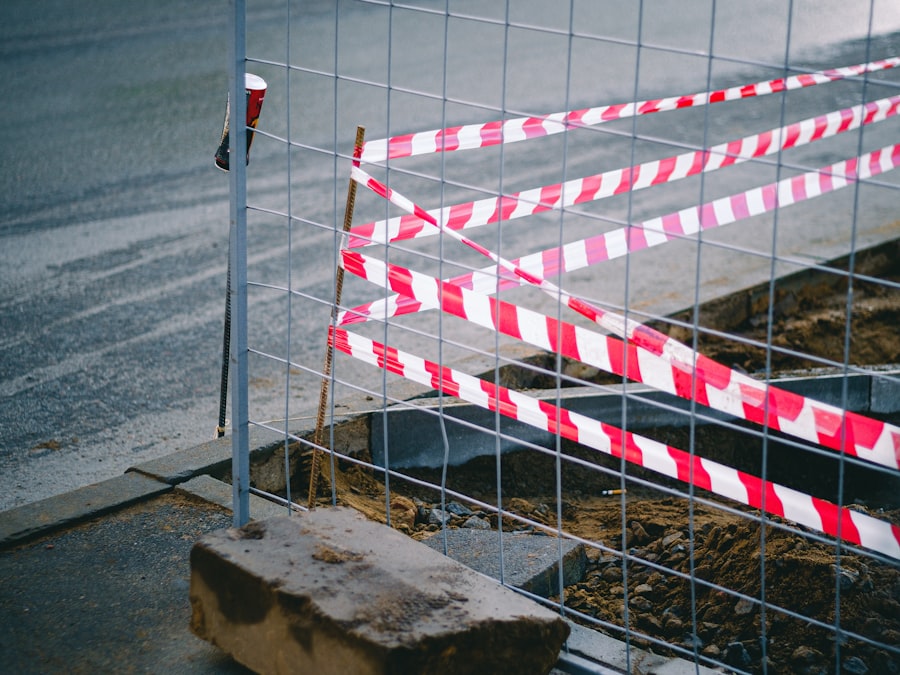
An organized and well-managed construction site is inherently safer. Environmental factors also play a significant role in preventing incidents.
Maintaining an Organized and Clean Worksite
A cluttered site is an accident waiting to happen. Good housekeeping is a critical safety practice.
- Regular debris removal: Accumulations of waste, scrap materials, and debris should be removed from walkways, work areas, and access routes on a daily basis.
- Proper storage of materials and tools: Materials should be stored in designated areas, stacked securely, and kept away from active work zones. Tools should be put away when not in use.
- Clear walkways and access routes: Ensuring that pathways for pedestrian and vehicular traffic are clear, well-lit, and free from obstructions is vital.
- Effective waste management and disposal: Implementing a robust waste management system that includes segregation of waste types and timely disposal prevents hazards like spills, fire risks, and pest infestations.
- Spill prevention and control: Having procedures and materials readily available to contain and clean up spills of hazardous substances (oil, chemicals) immediately prevents slips and environmental contamination.
Addressing Environmental Hazards
The construction environment itself presents unique challenges that must be managed.
- Working at heights and fall prevention: This is a major hazard. Implementing robust working at heights protocols, including the use of scaffolding, aerial lifts, and fall arrest systems, along with mandatory harness use and regular inspections, is critical. Erecting proper guardrails around openings and edges is essential.
- Excavation and trenching safety: Proper shoring, sloping, and benching of excavations are vital to prevent cave-ins. Daily inspections of trenches for signs of instability, adequate egress routes, and keeping heavy equipment away from trench edges are also paramount.
- Confined space entry procedures: Entry into confined spaces (tanks, silos, manholes) requires stringent protocols, including atmospheric testing, ventilation, standby personnel, rescue plans, and the use of appropriate PPE.
- Electrical safety on site: Ensuring that all temporary wiring and installations are safe and inspected, proper grounding is in place, and workers are aware of the proximity of overhead power lines or underground cables is crucial. Energized circuits should only be worked on by qualified electricians.
- Weather-related risks: Construction activities must be adapted to prevailing weather conditions. High winds can make working at heights dangerous, extreme heat can lead to heatstroke, and icy conditions can cause slips. Work should be suspended or modified when conditions become unsafe.
Health and Wellbeing of Construction Personnel
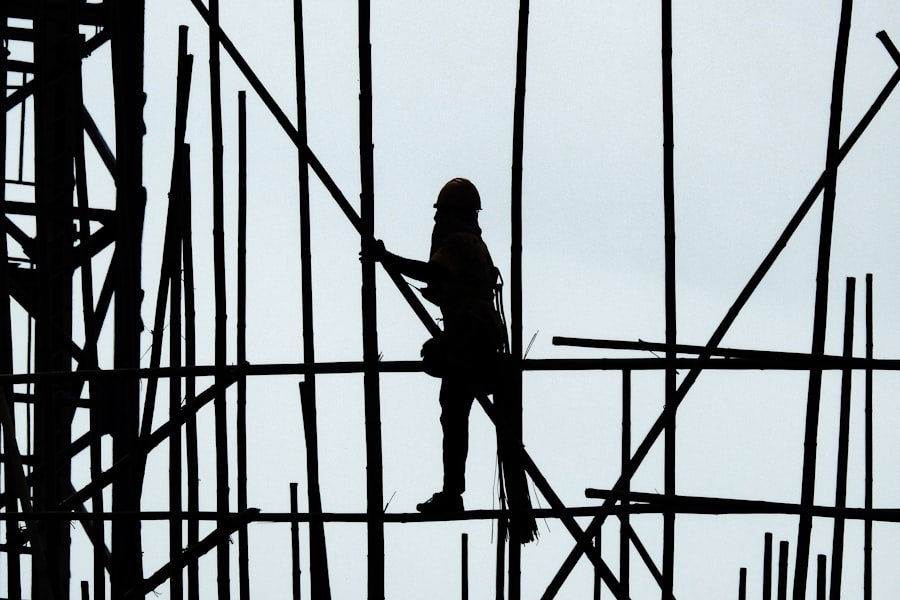
Beyond immediate physical safety, the long-term health and wellbeing of construction workers deserve equal attention.
Promoting a Healthy Work Environment
Creating a work environment that supports the general health of workers contributes to overall safety and productivity.
- Adequate rest facilities: Providing access to clean water, shaded areas for breaks, and clean restroom facilities is essential, especially in challenging weather conditions.
- Hygiene practices: Promoting good hygiene, including regular handwashing, can help reduce the spread of illnesses.
- Ergonomics and manual handling: Implementing ergonomic principles in task design and providing training on safe manual handling techniques can reduce the risk of musculoskeletal injuries, which are common in construction.
- Mental health support: Recognizing the stresses associated with construction work, offering access to mental health resources, and fostering a supportive work culture can address issues like burnout and stress.
- Nutrition and hydration: Encouraging workers to stay hydrated and providing access to healthy food options can improve energy levels and reduce fatigue.
Handling Hazardous Substances and Materials
Construction sites often involve exposure to various hazardous substances.
- Asbestos and lead awareness: Workers must be trained to identify and avoid exposure to asbestos and lead, which are common in older buildings. Proper containment and abatement procedures should be followed.
- Chemical safety and handling: All chemicals used on site should be clearly labeled, and Safety Data Sheets (SDS) should be readily available. Workers must be trained on the safe handling, storage, and disposal of these substances.
- Dust control measures: Implementing effective dust control measures, such as water suppression, dust collection systems, or the use of respiratory protection, is crucial to prevent respiratory illnesses from silica, wood dust, or other airborne particles.
- Noise reduction: Prolonged exposure to high noise levels can cause hearing damage. Implementing noise control measures and requiring the use of hearing protection are essential.
- Ventilation in enclosed spaces: Ensuring adequate ventilation in enclosed or poorly ventilated areas, especially when working with chemicals or in confined spaces, is critical to prevent the buildup of toxic fumes or oxygen deficiency.
In the construction industry, safety is paramount, and finding effective shortcuts can significantly enhance both efficiency and protection on the job site. A recent article discusses innovative strategies that not only streamline processes but also prioritize worker safety, making it a valuable read for professionals in the field. For more insights on this topic, you can check out the article here: safety and efficiency in construction. Implementing these techniques can lead to a safer work environment while maintaining productivity.
The Role of Technology and Innovation in Safety
| Shortcut/Safety Measure | Description |
|---|---|
| Personal Protective Equipment (PPE) | Wearing PPE such as hard hats, gloves, and safety goggles to protect against hazards |
| Pre-Task Planning | Developing a plan before starting a task to identify potential hazards and safety measures |
| Tool Inspections | Regularly inspecting and maintaining tools to ensure they are safe to use |
| Proper Lifting Techniques | Using correct lifting techniques to prevent back injuries |
| Emergency Response Plan | Having a plan in place for responding to emergencies such as fires or accidents |
Advancements in technology offer new avenues for improving construction safety.
Leveraging Technology for Enhanced Safety
Embracing technological solutions can proactively address safety concerns.
- Wearable safety devices: Devices equipped with sensors can monitor worker fatigue, detect falls, measure exposure to hazardous gases, and provide real-time alerts for potential dangers.
- Drones for site inspection: Drones can be used for inspecting hard-to-reach areas, documenting site progress, and identifying potential hazards without putting workers at risk.
- Virtual and Augmented Reality (VR/AR) training: VR and AR can create immersive training simulations for emergency scenarios, equipment operation, and hazard identification, allowing workers to practice in a safe, controlled environment.
- BIM (Building Information Modeling) for safety planning: BIM can be used to identify potential clashes in design, plan safe access routes, and visualize complex construction sequences, thereby mitigating risks before work even begins.
- Improved communication systems: Reliable and efficient communication tools, such as radios, mobile apps, and site-wide alert systems, are crucial for conveying safety instructions, coordinating activities, and responding to emergencies.
Continuous Improvement and Safety Culture
The pursuit of safety is an ongoing journey, not a destination.
- Data-driven safety improvement: Regularly collecting and analyzing safety data, including incident reports, near misses, and inspection findings, allows for the identification of trends and areas for improvement.
- Promoting a positive safety culture: This involves fostering an environment where safety is prioritized by everyone, from senior management to frontline workers. It encourages open communication, accountability, and a shared commitment to preventing harm.
- Benchmarking and best practices: Staying informed about industry best practices and safety innovations through professional organizations, conferences, and publications can help drive continuous improvement.
- Regular safety reviews and updates: Safety plans and protocols should be reviewed periodically and updated to reflect changes in regulations, technology, project scope, or lessons learned from incidents or near misses.
- Employee involvement in safety committees: Actively involving workers in safety committees provides valuable insights from those on the ground and fosters a sense of ownership and responsibility for safety.
In conclusion, the construction industry is a vital component of our modern world, but its inherent risks demand constant vigilance. The temptation of shortcuts, driven by time and cost pressures, can lead to dire consequences. A robust safety culture, built upon comprehensive training, rigorous risk assessment, diligent adherence to protocols, and the strategic adoption of technology, is not just an operational requirement but an ethical obligation. By prioritizing safety, construction firms can protect their most valuable asset – their people – while ensuring the integrity and longevity of the structures they create.
FAQs
What are some common shortcuts used in the construction industry?
Some common shortcuts used in the construction industry include skipping safety protocols, using substandard materials, and rushing through tasks without proper planning.
What are the potential risks of using shortcuts in the construction industry?
Using shortcuts in the construction industry can lead to increased safety hazards, lower quality work, potential legal issues, and damage to the reputation of the construction company.
How can shortcuts in the construction industry impact safety?
Shortcuts in the construction industry can impact safety by increasing the risk of accidents, injuries, and fatalities for workers and anyone else on or near the construction site.
What are some best practices for maintaining safety in the construction industry?
Best practices for maintaining safety in the construction industry include following proper safety protocols, providing adequate training for workers, using high-quality materials, and conducting regular safety inspections.
What are the consequences of neglecting safety in the construction industry?
Neglecting safety in the construction industry can result in serious injuries, loss of life, legal penalties, financial losses, and damage to the reputation of the construction company.