
The True Cost of Land Reclamation: An In-Depth Analysis
Land reclamation, often presented as a solution to space constraints and a driver of economic development, involves altering the natural environment to create new land from bodies of water or other submerged areas. While the tangible outcomes—new real estate, infrastructure, and economic opportunities—are frequently highlighted, a comprehensive understanding of its true cost necessitates a deep dive beyond the immediate physical and financial gains. This analysis seeks to unravel the multifaceted expenses associated with land reclamation, encompassing environmental degradation, economic externalities, social equity concerns, and the long-term sustainability of such ambitious projects.
The most immediate and often profound impacts of land reclamation are felt within the natural ecosystems that are altered or destroyed. The process of filling in coastal areas, wetlands, or even lakebeds fundamentally disrupts established ecological balances, leading to a cascade of negative consequences that can persist for decades.
Habitat Destruction and Biodiversity Loss
Coastal and aquatic habitats, such as mangroves, coral reefs, seagrass beds, and salt marshes, are among the most biologically diverse and productive ecosystems on Earth. Land reclamation projects directly obliterate these vital areas, leading to the loss of countless species that rely on them for shelter, breeding grounds, and sustenance.
Impact on Marine Life
The physical act of dredging, filling, and construction displaces and often kills marine organisms. Sediments stirred up during these operations can smother benthos, reducing oxygen levels and impacting water quality. The loss of seagrass beds, for instance, can have devastating effects on populations of fish, crustaceans, and turtles that depend on them for food and nursery grounds. Coastal wetlands, crucial for filtering pollutants and buffering coastlines, are similarly sacrificed, impacting a wide array of aquatic and terrestrial species.
Disruption of Migratory Routes and Breeding Grounds
Many migratory species, including birds and marine animals, rely on specific coastal or wetland areas as stopover points or breeding grounds. The permanent alteration or removal of these habitats can disrupt migratory patterns, leading to decreased survival rates and population declines for these species. For example, the destruction of mangrove forests can eliminate vital nurseries for commercially important fish and shrimp, impacting both marine ecosystems and local fisheries.
Alterations to Hydrology and Sediment Transport
Land reclamation projects invariably introduce significant changes to natural water flow patterns and sediment dynamics.
Changes in Water Currents and Wave Action
The creation of new landmasses alters the natural flow of tides and currents in adjacent water bodies. This can lead to increased erosion in some areas and sediment deposition in others, impacting coastal morphology and potentially threatening existing infrastructure or natural features. For example, the construction of seawalls and artificial coastlines can change wave energy distribution, leading to unintended erosion of neighboring beaches or the inundation of low-lying areas.
Impact on Sediment Budget and Coastal Erosion
Natural coastlines are dynamic systems that are shaped by the constant interplay of sediment supply and erosion. Land reclamation often disrupts this balance by reducing the supply of sediments to down-drift areas, exacerbating erosion and leading to the loss of natural beaches. The removal of natural sediment sources, such as dunes or riverine inputs, can leave coastlines more vulnerable to storm surges and sea-level rise.
Water Quality Degradation
The construction and operational phases of land reclamation can have detrimental effects on water quality.
Increased Turbidity and Siltation
Dredging and filling operations release large amounts of suspended solids into the water column, increasing turbidity. This reduced water clarity can inhibit light penetration, impacting photosynthetic organisms like algae and seagrasses. The settled silt can also smother benthic organisms and clog the gills of fish.
Pollution and Contamination Risks
Construction activities often involve the use of heavy machinery and materials that can leach pollutants into the water. Furthermore, the land that is created may be used for industrial or urban development, increasing the risk of chemical runoff, wastewater discharge, and other forms of pollution entering adjacent aquatic environments. Historical pollution in dredged materials can also be re-suspended and dispersed.
The true cost of land reclamation extends beyond financial implications, encompassing environmental, social, and economic factors that can significantly impact local communities. For a deeper understanding of these multifaceted consequences, you can explore a related article that discusses various aspects of land reclamation and its effects on ecosystems and urban development. To read more, visit this article.
Economic Considerations: Beyond the Bottom Line
While land reclamation projects are often framed as economic boons, their financial calculus is complex and frequently overlooks significant externalities. The initial investment and perceived returns can mask long-term economic liabilities and unequal distribution of benefits.
High Initial Investment and Ongoing Maintenance Costs
The physical work of reclamation—dredging, filling, and constructing seawalls or other protective structures—is an incredibly capital-intensive undertaking. These upfront costs are often substantial, requiring significant public or private funding.
Capital Expenditure for Construction
The procurement of materials (sand, aggregate), the operation of heavy machinery (dredgers, excavators, barges), and the engineering expertise required represent a considerable financial outlay. The scale of these projects often means that the initial investment can run into billions of dollars.
Long-Term Maintenance and Adaptation Expenses
The artificial land created is not a self-sustaining entity. It requires ongoing maintenance to counteract erosion, repair structures, and manage drainage. Furthermore, as sea levels rise and climate change impacts become more pronounced, the need for adaptive measures, such as raising seawalls or reinforcing embankments, will likely increase, adding to the long-term financial burden.
Opportunity Costs and Alternative Land Use
The decision to reclaim land represents a choice not to utilize that water body for other purposes, many of which might have intrinsic or economic value.
Loss of Fishery Resources
Coastal areas and estuaries are often rich in commercially valuable fish and shellfish species. The destruction of these habitats through reclamation can lead to the collapse or significant decline of local fisheries, impacting the livelihoods of fishermen and local economies. The economic value of sustainable fisheries can be a significant, often unquantified, opportunity cost.
Impact on Tourism and Recreation
Coastal environments, with their beaches, reefs, and marine life, are often significant attractions for tourism and recreation. The alteration or destruction of these natural assets through reclamation can diminish their appeal, leading to a loss of tourism revenue and impacting recreational activities. The aesthetic and experiential value of natural coastlines is difficult to monetize but represents a substantial loss.
Economic Externalities and Induced Costs
Beyond the direct costs of reclamation, numerous economic externalities arise, often borne by society at large rather than the developers.
Costs of Coastal Protection for Existing Areas
As mentioned, altered hydrological patterns and sediment dynamics can lead to increased erosion in adjacent, unreclaimed areas. This may necessitate costly coastal protection measures for existing communities and infrastructure that were not part of the original reclamation project.
Impact on Infrastructure and Services
The development of reclaimed land often requires the extension of existing infrastructure networks (roads, utilities, sewage systems). While these are often factored into project costs, the long-term maintenance and capacity upgrades of these extended services can impose future burdens on public finances. Furthermore, the increased population density on reclaimed land can strain existing public services.
Social Equity and Community Impacts: The Human Dimension

Land reclamation projects rarely occur in a vacuum; they interact with existing communities and social structures, often with uneven consequences. The benefits are not always shared equitably, and certain groups may bear a disproportionate burden.
Displacement and Disruption of Local Communities
In many cases, land reclamation projects are situated in areas that are already inhabited or utilized by local communities, particularly those dependent on the natural resources being altered.
Loss of Livelihoods for Coastal Communities
Fishing villages, salt farmers, and others whose livelihoods are directly tied to coastal or aquatic resources can face severe economic hardship or displacement as their traditional access to these resources is severed. The social fabric of these communities can be irrevocably damaged.
Cultural and Heritage Loss
Coastal areas often hold significant cultural and historical importance for local populations. The destruction of these sites through reclamation can lead to the loss of cultural heritage, traditional practices, and a sense of identity for affected communities. Indigenous territories and ancestral lands are particularly vulnerable.
Unequal Distribution of Benefits and Gentrification
The economic benefits of land reclamation, such as new housing, commercial spaces, and job creation, are not always equitably distributed among the population.
Increased Housing Costs and Gentrification
The development of desirable new real estate on reclaimed land can drive up property values in surrounding areas, leading to gentrification and making housing unaffordable for existing lower-income residents. This can force established communities to relocate, disrupting social networks and access to services.
Unequal Access to New Opportunities
While reclamation projects may create new jobs, the skills required for these opportunities may not be readily available within the displaced or affected communities, leading to a situation where external labor is brought in, further marginalizing local populations.
Public Access and Rights of Way
The privatization of newly created land areas can lead to the loss of public access to coastline, waterways, and recreational areas that were once freely accessible.
Privatization of Public Spaces
The creation of exclusive residential compounds, private marinas, or commercial developments on reclaimed land can restrict public access and diminish the availability of natural areas for community use and enjoyment. This can exacerbate existing inequalities in access to green and blue spaces.
Long-Term Sustainability and Resilience: Future-Proofing or Folly?
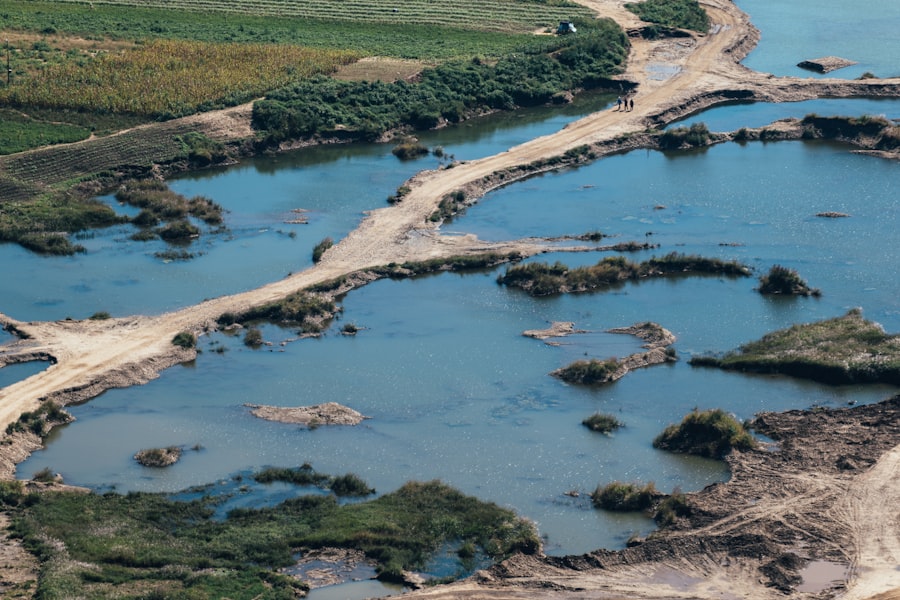
The sustainability of land reclamation projects is a critical, yet often underdeveloped, aspect of their cost-benefit analysis. The long-term viability of these artificial environments in the face of climate change and environmental degradation needs careful scrutiny.
Vulnerability to Climate Change Impacts
The very reasons for reclaiming land—often to expand habitable areas or create new economic hubs—can be undermined by the very environmental changes that necessitate adaptation.
Increased Risk of Flooding and Sea-Level Rise
Many reclaimed areas are built at low elevations and are highly susceptible to sea-level rise and increased storm surge. Without robust and continuously upgraded defenses, these investments can become increasingly vulnerable to inundation, rendering them economically or even physically untenable in the future.
Salinization and Freshwater Scarcity
Coastal reclamation can alter groundwater flows and increase the risk of saltwater intrusion into freshwater aquifers. This can compromise water supplies for both human consumption and agriculture, creating a long-term resource management challenge.
Dependence on Artificial Defenses and Ecological Instability
The created landmasses often rely on artificial structures for their protection, creating a perpetual dependence that can be financially and environmentally costly.
The “Managed Retreat” Dilemma
In scenarios of severe sea-level rise, the cost of continually defending a reclaimed area might become prohibitive, leading to the eventual necessity of “managed retreat” – the planned abandonment of the land, resulting in significant sunk costs and potential environmental risks from abandoned structures.
Ecological Fragility and Monocultures
Reclaimed land, lacking the complex ecological assemblages of natural environments, can be ecologically fragile. Often, they are landscaped with monocultures of imported plants, making them more susceptible to pests and diseases and less able to support diverse wildlife. This artificiality creates an ongoing management burden.
Land reclamation is often seen as a solution to urban expansion and environmental challenges, but it comes with significant hidden costs that can impact ecosystems and local communities. A related article discusses the various implications of these projects, shedding light on the balance between development and sustainability. For a deeper understanding of this complex issue, you can read more in this insightful piece on the true cost of land reclamation found here.
Governance and Regulatory Challenges: Navigating the Complexities
| Cost Category | Estimated Cost |
|---|---|
| Land Acquisition | 10,000 per acre |
| Engineering and Design | 50,000 – 100,000 |
| Construction Materials | 1,000,000 – 5,000,000 |
| Labor Costs | 500,000 – 1,000,000 |
| Environmental Impact Studies | 20,000 – 50,000 |
The effective and ethical implementation of land reclamation projects hinges on robust governance frameworks and rigorous regulatory oversight. However, these often prove to be inadequate, leaving room for exploitation and unintended consequences.
Weak Regulatory Frameworks and Enforcement
In many jurisdictions, the legal and environmental regulations governing land reclamation are underdeveloped or inconsistently enforced, allowing for projects that prioritize profit over environmental protection or social equity.
Corruption and Lack of Transparency
The immense financial stakes involved in large-scale reclamation projects can create opportunities for corruption, influencing decision-making processes and undermining due diligence. A lack of transparency in planning and approval stages can further exacerbate these issues.
Inadequate Environmental Impact Assessments (EIAs)
EIAs are crucial for identifying and mitigating the potential negative impacts of development projects. However, these assessments can be flawed, incomplete, or subject to political pressure, failing to capture the full scope of ecological and social costs.
Jurisdictional Conflicts and Integrated Management
Land and water bodies often fall under multiple jurisdictions (local, regional, national), leading to fragmented management and potential conflicts of interest. Effective land reclamation requires an integrated approach that considers the interconnectedness of ecosystems and human activities.
Challenges in Cross-Border and Inter-Agency Coordination
Coastal and marine environments often transcend political boundaries. Effective management of reclamation projects requires strong coordination between different government agencies, local authorities, and potentially international bodies, which can be a significant administrative hurdle.
The Need for Long-Term Planning and Vision
The true cost of land reclamation cannot be adequately assessed without a long-term planning horizon that considers the cumulative impacts of multiple projects, future climate scenarios, and the ongoing stewardship of created environments. Short-term economic imperatives can often overshadow the need for sustainable, twenty-first-century land use strategies.
In conclusion, the true cost of land reclamation extends far beyond the immediate financial outlays. It encompasses a profound set of ecological, economic, social, and long-term sustainability challenges. A critical and transparent assessment of these multifaceted costs is essential for informed decision-making, ensuring that the pursuit of new land does not inadvertently lead to the irreversible degradation of natural capital and the exacerbation of social inequalities. The allure of expansion must be tempered by a sober understanding of the enduring price of reshaping our planet.
FAQs
What is land reclamation?
Land reclamation is the process of creating new land from oceans, riverbeds, or other water bodies. This is typically done by filling in the water with soil, rocks, or other materials to create usable land for development or agriculture.
What are the environmental impacts of land reclamation?
Land reclamation can have significant environmental impacts, including loss of natural habitats for marine life, disruption of coastal ecosystems, and increased risk of flooding. It can also lead to the destruction of mangroves and other important coastal vegetation.
What are the economic costs of land reclamation?
The economic costs of land reclamation can be substantial, including the expenses associated with dredging, filling, and stabilizing the reclaimed land. Additionally, there are long-term costs associated with maintaining and protecting the reclaimed land from erosion and other natural forces.
What are the social impacts of land reclamation?
Land reclamation can have social impacts on local communities, including displacement of residents, loss of traditional fishing grounds, and changes to the local landscape. It can also lead to conflicts over land use and resource allocation.
What are some alternatives to land reclamation?
Some alternatives to land reclamation include sustainable coastal development, conservation and restoration of natural habitats, and the use of innovative engineering solutions to protect existing coastal areas from erosion and sea level rise. These alternatives can help minimize the negative impacts of land reclamation on the environment and local communities.