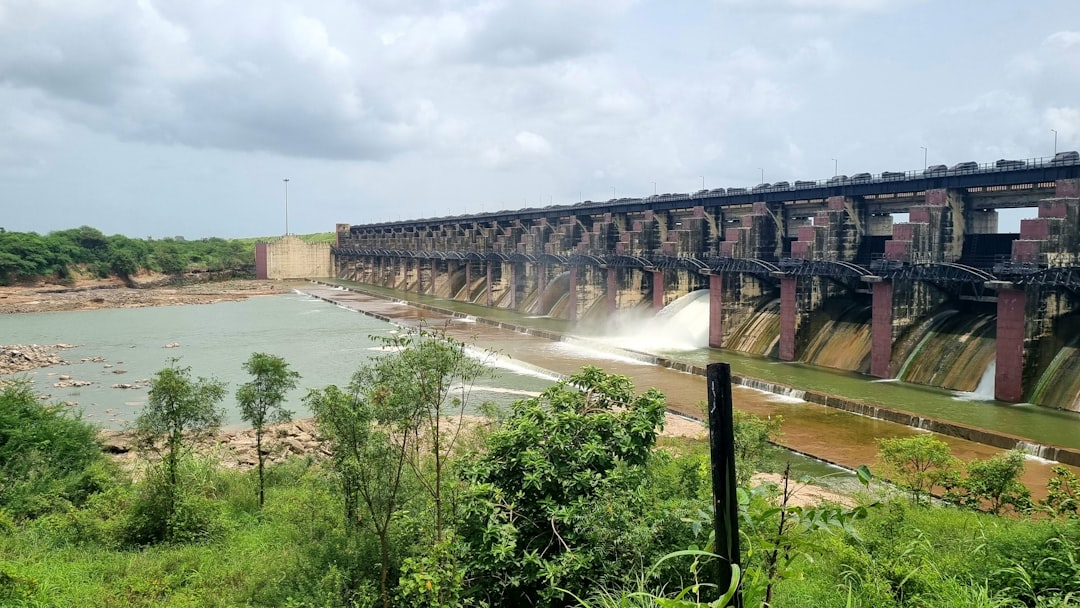
Rivers, the lifeblood of continents, are dynamic arteries, carrying not only water but also a vital cargo of sediment. This constant flux of sand, silt, and gravel is a cornerstone of numerous ecological and geological processes. However, the widespread construction of dams, monumental feats of human engineering, has fundamentally altered this natural equilibrium. By creating reservoirs, dams act as formidable barriers, trapping sediment that would otherwise travel downstream, impacting everything from coastal erosion to riverine ecosystems and human infrastructure. This article delves into the multifaceted repercussions of damming rivers specifically on sand supply.
The Geological Role of Sediment Transport
The construction of dams has a significant impact on river sand supply, altering sediment transport and affecting ecosystems downstream. An insightful article that delves into this topic is available at Hey Did You Know This, where you can explore how damming rivers disrupts the natural flow of sand and sediment, leading to various environmental consequences. Understanding these effects is crucial for managing river systems and maintaining ecological balance.
The River as a Conveyor Belt
Rivers have evolved over millennia to function as highly effective sediment transport systems. The energy of flowing water, augmented by factors like gradient and discharge, dictates the size and volume of sediment that can be mobilized and carried. From fine silts and clays to coarse gravels and cobbles, rivers transport a wide spectrum of granular material. This transport is not merely a passive process; it is integral to maintaining the physical characteristics of river channels, floodplains, and ultimately, deltaic systems and coastal margins.
Sediment Budgets: A Delicate Balance
The concept of a sediment budget is crucial to understanding the impact of dams. A river system, in its natural state, generally exists in a state of relative balance, where the amount of sediment entering a particular segment is roughly equivalent to the amount leaving it. This balance is maintained by upstream erosion, tributary inputs, and bank erosion, which supply sediment, while downstream transport and deposition, as well as offshore deposition, remove it. Dams disrupt this delicately calibrated budget by acting as sediment traps.
Upstream Erosion and Downstream Deposition: The Natural Cycle
In a free-flowing river, erosion in the upper reaches and mountainous areas provides the raw material for downstream transport. As water flows over steeper gradients, it picks up and carries sediment. As the gradient decreases and the river widens, flowing into flatter terrain or approaching the sea, its velocity diminishes, leading to the deposition of this sediment. This process builds floodplains, nourishes deltas, and replenishes beaches. Dams interrupt this cycle at its source, effectively stemming the flow of sediment to downstream areas.
The construction of dams has significant implications for river ecosystems, particularly concerning the supply of sand that is crucial for maintaining river health and sediment transport. A related article discusses the various environmental impacts of dams, highlighting how they disrupt natural sediment flow and can lead to erosion downstream. For more insights on this topic, you can read the article here. Understanding these dynamics is essential for developing strategies to mitigate the adverse effects of damming on river systems.
Reservoir Creation: The Sediment Sink
The Formation of Artificial Lakes
The most immediate and profound impact of a dam on sediment supply is the creation of a reservoir. When a dam is constructed, it impounds water, forming a large, artificial lake behind it. This impoundment dramatically reduces the velocity of the water as it enters the reservoir. The transition from a high-energy flowing river to a relatively still body of water is akin to the river abruptly entering a vast inland sea.
Settling of Suspended Sediments
The reduced flow velocity within a reservoir causes the suspended sediment load to settle out. Larger, heavier particles like sands and gravels are deposited first, forming layers of sediment on the reservoir floor. Finer silts and clays, which have a lower settling velocity, may be carried further into the reservoir, but ultimately, a significant portion of the incoming sediment will be trapped. This process is often exacerbated as the reservoir ages, leading to the gradual accumulation of vast quantities of sediment.
Delta Formation and Coastal Nourishment: The Downstream Loss
The Natural Role of River Deltas
River deltas are arguably the most significant beneficiaries of continuous sediment supply from upstream. These fertile landforms are built by the deposition of sediment as a river enters a standing body of water, such as an ocean or a large lake. Deltas are crucial ecosystems, supporting diverse flora and fauna, and are often prime real estate for human settlements and agriculture due to their rich soils. They also act as natural buffers, protecting coastlines from storm surges and erosion.
Reduced Sediment Input and Deltaic Subsidence
When dams trap sediment, the supply to downstream deltas is drastically curtailed. This has a direct impact on the ability of deltas to accrete, or grow, and to keep pace with natural subsidence. Subsidence is the gradual sinking of land, a process that occurs naturally due to geological factors and can be exacerbated by groundwater extraction. Without a consistent input of sediment to counteract subsidence and maintain elevation, deltas can begin to erode and shrink. This loss of land has significant consequences for coastal communities, natural habitats, and freshwater resources, as saltwater intrusion can contaminate aquifers.
Beach Erosion and Coastal Retreat
The nourishment of beaches is also heavily dependent on the continuous influx of sediment from rivers. Many beaches are composed of sands that were originally transported by rivers and deposited along the coastline. The sand that accumulates on beaches often originates from the natural erosion of riverbanks and channels, and is then carried seaward. Dams effectively sever this supply line. As a result, beaches that were once replenished by riverine sediment can begin to erode more rapidly, leading to coastal retreat, the loss of valuable beachfront property, and increased vulnerability to coastal flooding.
Impacts on Riverine Ecosystems and Morphology
Channel Incision and Bed Armoring
The reduction in sediment load downstream of a dam can lead to a phenomenon known as channel incision. With less sediment to occupy the riverbed, the increased energy of the flowing water, now carrying only clear water, can cause it to erode the existing riverbed and banks. This deepens the river channel. Furthermore, as finer sediments are flushed out, the riverbed can become “armored” with larger, more resistant gravels and cobbles. This armoring can alter habitat suitability for many aquatic organisms, as they may rely on finer substrates for spawning, foraging, or shelter.
Altered Floodplain Dynamics
Floodplains are naturally inundated during flood events, and this inundation is responsible for depositing nutrient-rich sediment that sustains floodplain ecosystems and agricultural productivity. Dams, by regulating river flow and reducing peak flood events, also reduce the frequency and extent of floodplain inundation. This, coupled with the reduced sediment supply, diminishes the ecological vitality of floodplains and their capacity to support the diverse plant and animal communities that depend on them.
Sediment Deprivation and Aquatic Life
Many species of fish and invertebrates have life cycle stages that are directly tied to sediment availability. For example, salmonids often require gravelly substrates for spawning, and if the sediment supply is reduced, the availability of suitable spawning grounds can diminish. The altered morphology of the riverbed, such as armoring, can also negatively impact invertebrate communities, which form the base of the aquatic food web. The overall reduction in the dynamism of the river system, driven by the lack of sediment transport, can lead to a less biodiverse and less resilient aquatic environment.
Human Infrastructure and Management Challenges
Navigation and Dredging Costs
Navigable waterways often rely on a consistent sediment transport regime to maintain sufficient depths for shipping. Dams, by trapping sediment upstream, can lead to decreased sediment availability downstream, potentially reducing natural channel depths in some areas or, conversely, leading to localized deposition in others, creating navigational hazards. This can necessitate increased dredging efforts by navigation authorities to maintain safe passage, a costly and ongoing undertaking.
Water Quality and Reservoir Siltation
While dams provide significant benefits such as hydropower generation and water storage, reservoir siltation is a major long-term challenge. As sediment accumulates in the reservoir, it reduces the storage capacity over time, diminishing the dam’s effectiveness for water supply and flood control. This can eventually necessitate costly dredging operations or even lead to the decommissioning of the reservoir. The decomposition of organic matter within the trapped sediment can also contribute to water quality issues.
Downstream Agriculture and Irrigation
Many agricultural regions downstream of rivers rely on the natural deposition of fertile sediment from floodwaters to maintain soil productivity. The reduction in sediment supply due to dams can lead to a gradual decline in soil fertility, requiring increased reliance on artificial fertilizers, with associated environmental and economic costs. Furthermore, changes in riverbed morphology and flow regimes can impact the efficiency of irrigation systems.
Addressing the Sediment Deficit: Mitigation and Adaptation
Sediment Bypass and Flushing Techniques
Various engineering solutions are being explored and implemented to mitigate the impact of dams on sediment transport. Sediment bypass channels can be constructed to divert some of the sediment-laden flow around the dam, allowing it to continue downstream. Flushing operations, where controlled releases of water from the reservoir are used to scour accumulated sediment, are also employed. However, these methods are often complex, costly, and can have their own environmental implications.
Sediment Augmentation Strategies
In some cases, where the negative impacts of sediment deprivation are particularly severe, strategies for sediment augmentation are being considered. This could involve the intentional introduction of sediment into the river downstream of the dam to replenish eroded areas or nourish deltas. However, sourcing suitable sediment and implementing such strategies in a sustainable and ecologically sound manner presents significant challenges.
Rethinking Dam Management and Future Planning
The long-term impacts of dams on sediment supply necessitate a re-evaluation of dam management practices and future infrastructure planning. A comprehensive understanding of the river’s sediment budget, from its headwaters to its mouth, is essential for making informed decisions. This includes considering the cumulative impacts of multiple dams on a river system and exploring alternatives to traditional dam construction where feasible. Sustainable river management increasingly recognizes the importance of maintaining natural sediment flows for the health of both ecosystems and human societies.
FAQs
1. What is the impact of dams on river sand supply?
Dams can significantly reduce the amount of sand flowing downstream by trapping sediment, leading to a decrease in the natural supply of river sand.
2. How do dams affect the natural flow of rivers?
Dams alter the natural flow of rivers by regulating water discharge, which can disrupt the transport of sediment, including sand, downstream.
3. What are the consequences of reduced river sand supply due to dams?
Reduced river sand supply can lead to erosion of riverbanks, loss of habitat for aquatic species, and impacts on the stability of river channels and coastal areas.
4. Can the impact of dams on river sand supply be mitigated?
Efforts to mitigate the impact of dams on river sand supply include sediment management strategies, such as controlled releases of sediment from reservoirs and the implementation of bypass channels.
5. How does the impact of dams on river sand supply affect human activities?
The impact of dams on river sand supply can affect human activities such as construction, agriculture, and infrastructure development, as sand is a crucial resource for these sectors.