
Concrete spalling represents a common and often disconcerting form of concrete deterioration. It is characterized by the detachment of small pieces or flakes of the concrete surface, revealing exposed aggregate and reinforcing steel beneath. While seemingly superficial, unchecked spalling can compromise the structural integrity of concrete elements over time. Identifying spalling in its nascent stages is crucial for implementing timely repairs and preventing more extensive and costly damage. This article will delve into the practical aspects of spotting early concrete spalling, outlining the common causes, typical appearances, and the importance of proactive inspection.
The phenomenon of concrete spalling is multifaceted, with numerous contributing factors that can initiate the process. Understanding these underlying causes is essential for effective identification and remediation.
Concrete, despite its inherent durability and widespread use, is susceptible to various environmental and material-related stresses. Spalling is not a spontaneous event; rather, it is a symptom of underlying issues that weaken the concrete matrix.
Environmental Factors
The external environment plays a significant role in initiating and accelerating concrete degradation, often leading to spalling.
Freeze-Thaw Cycles
One of the most prevalent causes of spalling in colder climates is the repeated action of freezing and thawing. Water ingress into the concrete’s pores is the primary prerequisite.
Water Saturation and Pore Structure
When water penetrates the concrete, it occupies the microscopic pores and voids within the material. The porosity of concrete is a key factor; higher porosity generally leads to greater water absorption. This water can be absorbed from rainfall, de-icing salts, or even groundwater.
Expansion Upon Freezing
Upon freezing, the absorbed water expands. This expansion generates internal tensile stresses within the concrete. If these stresses exceed the tensile strength of the concrete, micro-cracks can form or existing micro-cracks can widen.
Repeated Cycles of Expansion and Contraction
As temperatures fluctuate around the freezing point, these cycles of expansion (during freezing) and contraction (during thawing) occur repeatedly. Each cycle incrementally stresses the concrete, leading to the progressive detachment of surface layers. Visible signs of this damage often begin as fine surface cracks, which can then develop into more substantial spalling. De-icing salts, often used to combat ice accumulation on roads and surfaces, exacerbate this process. These salts can penetrate concrete and, when interacting with moisture, create a more aggressive freeze-thaw environment and contribute to chemical attack.
Chemical Attack
Various chemical agents can degrade concrete, leading to a breakdown of its constituent materials and subsequent spalling.
Sulfate Attack
Sulfates, commonly found in soil, groundwater, and industrial environments, can react with components of hardened cement paste, particularly calcium hydroxide and calcium aluminates.
Formation of Expansive Products
These reactions form new, expansive crystalline compounds, such as ettringite and gypsum. The formation of these compounds occupies a larger volume than the original cementitious material, creating internal pressure within the concrete.
Internal Pressure and Surface De-lamination
This internal pressure can lead to the expansion and cracking of the concrete. When the pressure becomes sufficiently high, it can cause the surface layers of the concrete to detach, resulting in spalling. The appearance of sulfate attack can sometimes be accompanied by efflorescence, a white powdery deposit on the concrete surface, which is a byproduct of the reaction.
Carbonation
Carbonation is a chemical process where atmospheric carbon dioxide reacts with calcium hydroxide in the concrete.
Reduced Alkalinity and Corrosion Initiation
While carbonation itself doesn’t directly cause spalling, it significantly reduces the concrete’s alkalinity. This reduction in alkalinity is critical because it removes the passive protective layer that typically shields embedded reinforcing steel from corrosion.
Corrosion of Reinforcement and Rust Expansion
Once the reinforcing steel is exposed to moisture and oxygen in a less alkaline environment, it begins to rust. Rust occupies a larger volume than the original steel, generating expansive forces under the concrete cover. If these forces are significant, they can crack and displace the concrete cover, leading to spalling. This is often referred to as reinforcement corrosion-induced spalling.
Acid Attack
Exposure to acidic substances, whether from industrial processes, acid rain, or certain types of wastewater, can directly attack the cement paste.
Dissolution of Cementitious Materials
Acids dissolve the calcium-based compounds that bind the concrete together. This dissolution weakens the concrete matrix and can lead to erosion and the formation of pits and voids, which can eventually develop into spalling. The severity of acid attack depends on the concentration of the acid and the duration of exposure.
Material Deficiencies and Construction Issues
The quality of the concrete mix and the methods employed during construction can also contribute significantly to the susceptibility of concrete to spalling.
Poor Quality Concrete Mix
The fundamental composition of the concrete is paramount to its long-term performance.
Inadequate Cement Content
If the proportion of cement in the mix is insufficient, the resulting concrete will have a weaker binding capacity. This can lead to a porous and brittle material that is more prone to cracking and spalling under stress.
Excessive Water-Cement Ratio
A high water-cement ratio, often used to improve workability, results in a more porous and weaker concrete after curing. The excess water evaporates, leaving behind voids that compromise the concrete’s strength and durability.
Improper Aggregate Grading and Quality
The aggregates (sand and gravel) constitute a significant portion of concrete.
Poor Aggregate Shape and Texture
Aggregates that are too rounded or smooth may not provide adequate mechanical interlock within the cement paste, leading to weaker bonding.
Presence of Deleterious Materials
Certain aggregates may contain reactive or unstable materials that can undergo detrimental reactions within the concrete, causing expansion and cracking. The presence of clay lumps, organic impurities, or materials susceptible to alkali-aggregate reaction can all compromise the concrete’s integrity.
Inadequate Curing
Curing is a critical process that allows concrete to achieve its designed strength and durability.
Insufficient Moisture Retention
Proper curing involves maintaining adequate moisture content in the concrete for an extended period. Without sufficient moisture, the hydration of cement cannot proceed fully, resulting in a weaker and less dense concrete structure.
Premature Drying
Rapid drying of the concrete surface, often due to high temperatures, wind, or low humidity, can lead to shrinkage cracking and a weaker surface layer, predisposing it to spalling.
Construction Deficiencies
Errors made during the placement, consolidation, or finishing of concrete can create inherent weaknesses.
Inadequate Compaction
Insufficient vibration or rodding of fresh concrete can leave voids, air pockets, and honeycombing. These defects create weak zones within the structure, making them susceptible to spalling.
Poor Finishing Practices
Overworking the surface during finishing can bring excessive water and cement fines to the top, creating a weak, laitance layer that is prone to dusting and spalling.
Insufficient Cover to Reinforcement
Inadequate concrete cover over reinforcing steel leaves the steel more vulnerable to corrosion from environmental factors, as discussed earlier. This is a very common cause of spalling, particularly in bridge decks, parking garages, and coastal structures.
To effectively prevent costly repairs and ensure the longevity of your concrete structures, it’s crucial to learn how to spot concrete spalling early. For a comprehensive guide on identifying the early signs of this issue, you can refer to a related article that provides valuable insights and tips. Check it out here: How to Spot Concrete Spalling Early.
Recognizing the Subtle Signs of Early Spalling
Identifying concrete spalling in its early stages requires a keen eye and an understanding of what to look for. The initial indicators are often subtle and can be easily overlooked in routine inspections.
Surface Cracking
Cracks are frequently the precursor to spalling. The type, width, and pattern of cracks can provide valuable clues.
Fine Surface Crazing
This refers to a network of very fine, shallow cracks that appear on the surface of the concrete. Crazing is often caused by surface shrinkage during inadequate curing or by minor freeze-thaw damage. While not always leading to significant spalling, a significantly developed crazing pattern can indicate a weakened surface layer.
Hairline Cracks
These are slightly wider than crazing but still very thin cracks, often extending only through the surface layer of the concrete.
Orientation and Distribution
Hairline cracks can appear in various orientations – parallel to the direction of applied load, randomly distributed, or following aggregate boundaries. Their presence, particularly when widespread or associated with other signs, warrants further investigation.
Moisture Intrusion Pathways
Hairline cracks serve as entry points for moisture and aggressive chemicals. If these cracks are present and the concrete is exposed to freeze-thaw cycles or de-icing salts, they can rapidly develop into larger spalling defects.
Transverse and Longitudinal Cracks
These cracks tend to run across the width or length of structural elements, respectively.
Load-Induced Cracking
In some instances, these cracks may be indicative of stresses exceeding the concrete’s capacity, potentially leading to spalling if the underlying cause is not addressed.
Shrinkage and Thermal Cracking
Differential drying or temperature fluctuations can also cause wider cracks, which can widen further under environmental stresses.
Discoloration and Staining
Changes in the visual appearance of the concrete surface can signal underlying issues.
Rust Staining
This is a strong indicator of reinforcement corrosion.
Origin of Stains
Rust stains appear as reddish-brown streaks or patches on the concrete surface, originating from cracks or delaminated areas where the reinforcing steel has begun to corrode.
Correlation with Cracks
The presence of rust staining directly adjacent to or emanating from cracks is a critical sign that corrosion is actively occurring under the surface, leading to expansive forces that will eventually cause spalling.
Dark or Damp Patches
These areas suggest the presence of excess moisture within the concrete.
Moisture Trapping
Such patches can indicate poor drainage, leaks, or areas where water is being retained within the concrete’s pore structure. Prolonged moisture saturation makes the concrete more vulnerable to freeze-thaw damage and chemical ingress.
Potential for Delamination
If these damp areas occur beneath the surface, they can indicate that the bond between different layers of concrete has been weakened, a precursor to delamination and spalling.
Surface Texture Changes
Alterations in the smoothness or texture of the concrete surface can be early warning signs.
Pitting and Erosion
Small, localized depressions or cavities on the concrete surface are indicative of surface degradation.
Chemical Attack or Abrasion
This can be caused by chemical attack, abrasion from traffic or debris, or even the initial stages of freeze-thaw action where small particles are dislodged.
Progressive Weakening
Even shallow pitting can weaken the surface layer, making it more susceptible to further erosion and the eventual formation of larger spalls.
Laitance Formation and Dusting
Laitance is a weak, powdery layer formed on the surface of fresh concrete due to the settlement of cement and fine aggregates.
Surface Dusting
If this laitance layer is not removed during finishing, it can lead to dusting, where fine particles of concrete powder rub off easily underfoot or with light abrasion.
Weak Surface Bond
A dusty surface indicates a weak bond between the concrete and any applied coatings or protective layers, and it predisposes the underlying concrete to spalling.
Critical Inspection Points for Early Spalling Detection
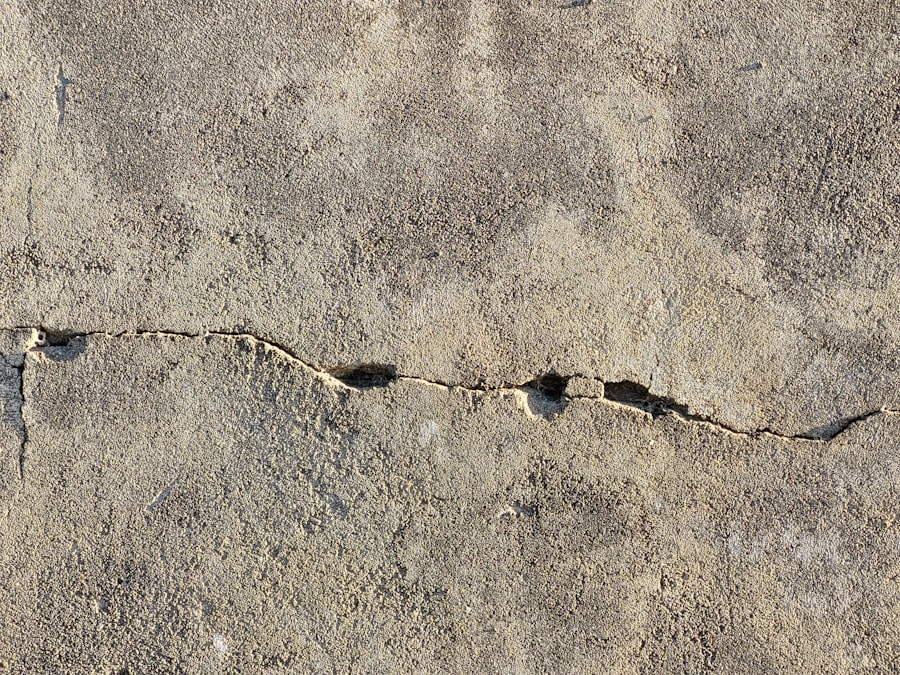
Certain concrete elements and locations are inherently more prone to developing spalling due to their exposure and structural function. Proactive and focused inspections of these areas are paramount.
Exposed Concrete Surfaces
Areas directly exposed to the elements are at the forefront of potential damage.
Bridge Decks and Roadways
These are subjected to intense traffic loads, de-icing salts, and significant freeze-thaw cycles.
Top Surface and Edges
The top surface of bridge decks and roadways, being directly exposed to traffic and weather, is particularly vulnerable. The edges, often receiving concentrated runoff and de-icing salt application, are also high-risk areas. Look for cracking, pitting, and rust stains, especially near expansion joints.
Underside of Decks
While seemingly protected, the underside of bridge decks can accumulate moisture and debris, leading to freeze-thaw damage and spalling, particularly in areas with poor drainage or splash zones.
Balconies, Patios, and Walkways
These horizontal surfaces are exposed to rainfall, freeze-thaw cycles, and potential chemical spills.
Surface Integrity
Inspect for pooling water, cracks, and any signs of surface detachment. Pay attention to areas around drains and edges where water can concentrate.
Drainage Systems
Clogged drains can lead to prolonged water saturation of these surfaces, accelerating deterioration and spalling.
Retaining Walls and Foundation Walls
These structures are often in contact with soil and groundwater, presenting a different set of challenges.
Ground Contact Areas
Areas at ground level and below are susceptible to moisture ingress from soil and potential sulfate attack from groundwater.
Freeze-Thaw at Grade Level
The portion of the wall directly exposed to above-ground weather conditions and freeze-thaw cycles is also at risk. Look for efflorescence, which can be an indicator of sulfate attack.
Areas of High Moisture Exposure and Runoff
Locations where water tends to accumulate or flow can accelerate deterioration.
Around Drainage Outlets
Areas immediately surrounding storm drains, scuppers, and downspouts are prone to concentrated water flow and potential erosion.
Splash Zones
The impact of water droplets can erode the surface over time, and the continuous presence of moisture can lead to freeze-thaw damage.
Joints and Seams
Expansion joints, construction joints, and other planned or unplanned discontinuities in the concrete are critical inspection points.
Sealant Failure
Failed or deteriorated joint sealants allow water to penetrate into the joint and the underlying concrete, leading to sub-surface damage and potential spalling.
Abutting Surfaces
Look for signs of spalling at the edges of these joints where concrete meets other materials or structural elements.
Concrete Elements Supporting Reinforcement
Structures that rely heavily on embedded reinforcement are particularly vulnerable to corrosion-induced spalling.
Parking Garages
These structures are exposed to traffic, de-icing salts (often tracked in by vehicles), and a confined, often humid, environment.
Parking Levels and Ramps
The surfaces of parking levels and ramps are subjected to constant ingress of moisture and de-icing salts. Look for widespread cracking, delamination (often indicated by hollow-sounding concrete when tapped), and rust stains.
Columns and Beams
The undersides of beams and columns can be prone to water dripping through slabs above, leading to corrosion and spalling of the concrete cover.
Industrial Floors and Slabs
These environments can expose concrete to a variety of chemicals and heavy loads.
Chemical Spills
Areas prone to chemical spills require careful inspection for signs of acid or alkali attack.
Loading Docks and High Traffic Areas
These areas experience significant wear and tear, and any initial cracking can quickly lead to spalling if spillage of corrosive materials occurs.
Proactive Inspection Strategies for Early Detection
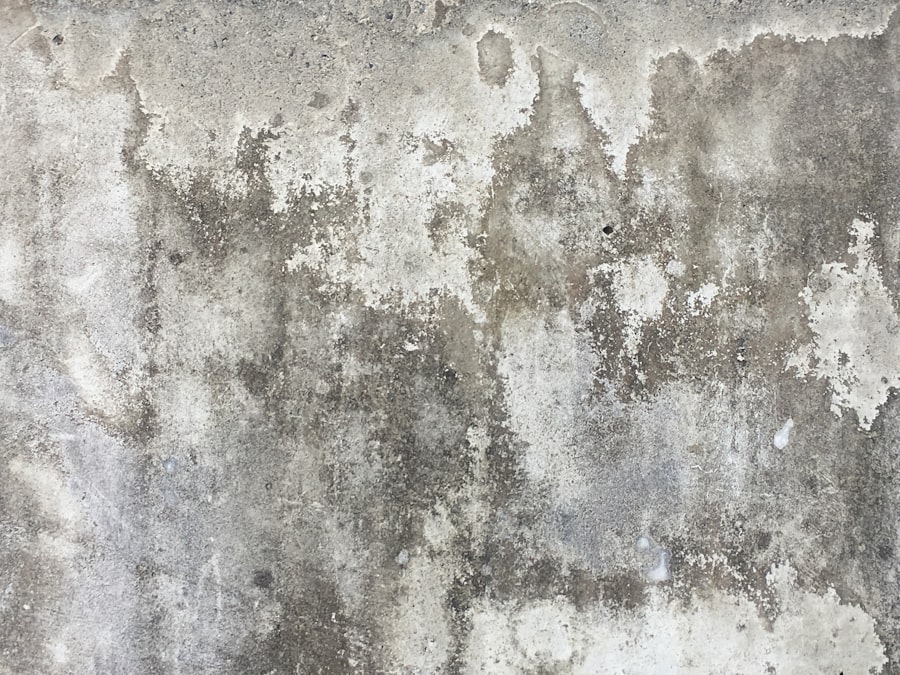
Regular and systematic inspections are the cornerstone of effective concrete spalling management. The approach should be both visual and investigative.
Establishing an Inspection Schedule
The frequency of inspections should be tailored to the environment, the age of the structure, and the criticality of the element.
Routine Visual Inspections
These should be conducted periodically by trained personnel to identify obvious signs of distress.
Frequency Based on Environment
In aggressive environments (e.g., coastal areas, areas with heavy de-icing salt use, industrial zones), inspections should be more frequent, perhaps quarterly or semi-annually. Less aggressive environments may allow for annual inspections.
Documentation of Findings
Detailed records of observations, including photographs and location descriptions, are essential for tracking changes over time.
Detailed Structural Inspections
These involve a more in-depth examination, often conducted by structural engineers or specialized concrete inspectors.
Inclu
ding Non-Destructive Testing (NDT)
NDT methods can be employed to assess the condition of concrete without causing damage.
Impact Echo and Impulse Response
These methods can detect subsurface delaminations and voids by analyzing the propagation of stress waves through the concrete. A hollow sound when tapping the surface with a hammer is a rudimentary form of this detection.
Half-Cell Potential
This technique is used to assess the likelihood of corrosion occurring in the embedded reinforcement. While it doesn’t directly identify spalling, it can pinpoint areas where corrosion is active and likely to lead to spalling.
Schmidt Hammer (Rebound Hammer)
This device measures the surface hardness of concrete, which can provide an indication of its compressive strength and uniformity. Significant variations in readings may suggest underlying defects or areas of weakness.
Cover Meter
Used to determine the depth of concrete cover over reinforcing steel. Insufficient cover is a major risk factor for corrosion-induced spalling.
Historical Record Review
Reviewing past inspection reports, maintenance records, and any previous repair histories can provide valuable context for current observations.
Identifying Recurring Issues
Understanding the history of a structure can help in identifying recurring problems or areas that have been consistently vulnerable to spalling.
Tracking Repair Effectiveness
Evaluating the long-term performance of past repairs can inform future maintenance strategies.
Utilizing the Right Tools and Techniques
Equipping inspectors with the appropriate tools enhances their ability to detect early signs of distress.
Magnifying Glasses and Lighting
Simple tools like magnifying glasses can help in discerning fine cracks and surface imperfections that might otherwise be missed. Adequate lighting is crucial for clear visibility.
Moisture Meters
These devices can help quantify the moisture content in concrete, identifying areas of concern that may be less obvious visually.
hammers and Tapping Devices
Tapping the concrete surface with a small hammer can help identify delaminations. A hollow sound indicates a separation between layers, a common precursor to spalling.
Cameras and Documentation Tools
High-resolution cameras, drones equipped with cameras, and digital note-taking devices are invaluable for recording observations accurately and efficiently.
Concrete spalling can lead to significant structural issues if not addressed promptly, making it essential to identify the signs early. For those looking to enhance their knowledge on this topic, a related article can provide valuable insights on prevention and detection methods. By understanding the common indicators of spalling, such as surface cracks and flaking, property owners can take proactive measures to maintain their concrete structures. To learn more about these early warning signs, you can check out this informative piece on how to spot concrete spalling early.
Addressing Early Spalling: The Importance of Prompt Intervention
| Signs of Concrete Spalling | Early Detection Methods |
|---|---|
| Surface Flaking or Chipping | Regular visual inspections |
| Exposed Aggregate | Monitoring for discoloration or staining |
| Cracks or Fractures | Using non-destructive testing methods |
| Loss of Bonding between Layers | Keeping track of environmental conditions |
The detection of early concrete spalling is not merely an observational exercise; it is a call to action. Prompt and appropriate intervention is essential to mitigate further damage, control repair costs, and ensure the continued serviceability and safety of the concrete structure.
Minor Surface Repairs
For superficial spalling and early-stage cracking, targeted repairs can effectively arrest the deterioration.
Crack Sealing
For hairline or fine cracks where there is no significant structural distress, sealing the cracks can prevent water ingress.
Material Selection
Various sealants, such as epoxy resins or flexible polyurethane sealants, are available depending on the crack width, expected movement, and environmental exposure. The sealant should adhere well to the concrete and provide a watertight barrier.
Application Process
The crack is typically cleaned, and the sealant is injected or applied to fill the void, creating a continuous surface.
Surface Treatments and Coatings
Applying protective coatings can provide a barrier against environmental factors and enhance the surface durability.
Sealers and Water Repellents
These penetrate the concrete’s surface, reducing water absorption without significantly altering the appearance. They are effective in preventing freeze-thaw damage and mitigating the ingress of de-icing salts.
Protective Coatings
More robust coatings, such as acrylics, epoxies, or polyurethanes, can offer a higher level of protection against chemical attack, abrasion, and weathering. Proper surface preparation, including cleaning and sometimes light abrasive blasting, is crucial for coating adhesion.
Intermediate Repairs for Established Spalling
When spalling has progressed beyond superficial levels but has not compromised structural integrity, more involved repairs are necessary.
Surface Preparation is Paramount
Before any repair material is applied, the spalled area must be thoroughly prepared.
Removal of Loose and Deteriorated Material
All unsound concrete must be removed to expose sound material. This is typically done using jackhammers, chisels, or abrasive blasting.
Cleaning and Profiling
The exposed concrete surface should be cleaned to remove dust, debris, and any contaminants. A roughened surface profile (e.g., CSP 3-5) is generally required to ensure adequate bond for the repair material.
Patching and Mortar Repairs
These techniques involve filling the spalled areas with specialized repair mortars.
Material Selection
High-performance, polymer-modified cementitious repair mortars are commonly used. These materials offer good adhesion, durability, and resistance to shrinkage. The selection of the repair material will depend on the depth of the spall, expected loads, and environmental conditions.
Application and Finishing
The repair mortar is applied in layers, ensuring good compaction to eliminate voids. The surface is then finished to match the surrounding concrete where possible. Curing of the repair material is critical for its long-term performance.
Major Structural Repairs and Proactive Deterrence
When spalling indicates more significant underlying issues, such as reinforcement corrosion or structural overloading, more extensive repairs and a focus on preventing future occurrences are required.
Reinforcement Treatment and Repair
If spalling is a result of rebar corrosion, addressing the corrosion is essential.
Cleaning and Passivation
Exposed reinforcing steel should be thoroughly cleaned of rust. Anti-corrosion treatments, such as passivation coatings or inhibitors, can be applied to the steel to slow down future corrosion.
Replacement or Reinforcement
In severe cases, damaged or corroded reinforcing steel may need to be replaced or supplemented.
Structural Strengthening
In situations where spalling has led to a significant reduction in the capacity of a structural element, strengthening may be required.
Concrete Jacketing
This involves encasing the weakened element with a new layer of reinforced concrete.
Fiber-Reinforced Polymer (FRP) Composites
FRP wraps or laminates can be applied to the surface of concrete elements to enhance their strength and stiffness.
Addressing Underlying Causes
Crucially, any repair strategy must also address the root cause of the spalling.
Improving Drainage
Ensuring effective drainage systems are in place and functioning correctly can prevent water accumulation.
Applying Protective Coatings and Sealers
As mentioned earlier, these can prevent ingress of moisture and aggressive chemicals.
Modifying De-icing Salt Usage
Where feasible, consider alternative de-icing agents or methods that are less aggressive to concrete.
Regular Maintenance Programs
Implementing a comprehensive concrete maintenance program, including regular inspections and proactive repairs, is the most effective strategy for managing spalling and ensuring the longevity of concrete structures. By spotting early concrete spalling and acting decisively, owners and engineers can preserve the integrity and extend the service life of concrete assets, avoiding the significant economic and safety implications of extensive deterioration.
FAQs
What is concrete spalling?
Concrete spalling is the deterioration of concrete surfaces, characterized by the flaking or chipping of the material. It is often caused by factors such as freeze-thaw cycles, corrosion of reinforcing steel, or poor installation.
What are the signs of concrete spalling?
Signs of concrete spalling include the appearance of small cracks, exposed aggregate, or areas where the concrete has chipped or flaked off. Additionally, rust stains or discoloration on the surface may indicate underlying spalling.
How can concrete spalling be spotted early?
Concrete spalling can be spotted early by regularly inspecting concrete surfaces for any signs of deterioration, such as cracks, chipping, or discoloration. It is important to address any issues promptly to prevent further damage.
What are the causes of concrete spalling?
Concrete spalling can be caused by a variety of factors, including freeze-thaw cycles, corrosion of reinforcing steel, exposure to harsh chemicals, poor installation, or inadequate curing of the concrete.
How can concrete spalling be prevented?
Concrete spalling can be prevented by using quality materials, proper installation techniques, and regular maintenance. This includes sealing the concrete surface, addressing any cracks or damage promptly, and ensuring proper drainage to prevent water accumulation.