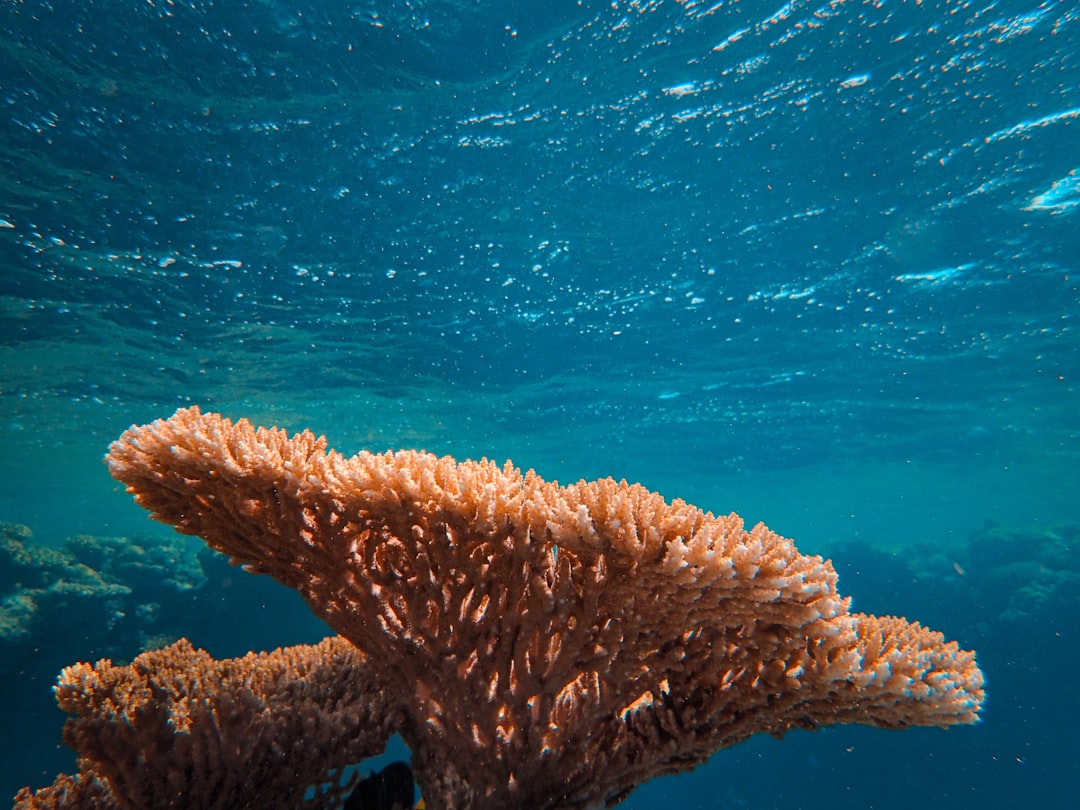
Coral reefs, often lauded as the rainforests of the sea, are intricate ecosystems teeming with life. These vibrant underwater cities, built by tiny coral polyps over millennia, support an astonishing array of biodiversity, providing habitat, food, and breeding grounds for countless marine species. Beyond their ecological significance, coral reefs offer invaluable services to human societies, including coastal protection, nutrient cycling, and immense economic benefits through tourism and fisheries. However, these fragile structures are facing an unprecedented threat: sand mining. The extraction of sand from coastal areas, often for construction and land reclamation projects, is having a devastating and far-reaching impact on coral reefs, jeopardizing their survival and the vital functions they perform.
Sand mining, in its simplest form, involves the removal of sand and gravel from the seabed or coastal areas. This can be accomplished through various methods, including dredging, suctioning vessels, and mechanical excavators. The primary drivers for this industry are the burgeoning global demand for construction materials, particularly in rapidly developing coastal regions, and the need for fill material for land reclamation projects, creating new real estate or expanding existing shorelines.
Types of Sand Extraction Methods
- Dredging: This involves the use of a dredge, a specialized vessel equipped with a mechanical shovel or a suction pipe, to scoop up sand from the seabed. Large-scale dredging operations can remove vast quantities of sediment, altering the seabed topography significantly.
- Suction Dredging: This method uses centrifugal pumps to suck up a mixture of sand and water from the seabed. It is often employed for finer sand deposits and can be highly efficient in terms of volume extraction.
- Mechanical Excavation: In shallower areas closer to shore, mechanical excavators or draglines may be used to remove sand from beaches and intertidal zones.
Geographic Concentration of Sand Mining Activities
Sand mining is not a dispersed activity; it tends to be concentrated in areas where sand is abundant and demand is high. This often coincides with the coastlines of developing nations experiencing rapid urbanization and infrastructure development. Furthermore, areas with existing coastal infrastructure, such as ports and harbors, are also prime locations for dredging and sand extraction, often to maintain navigation channels or expand port facilities.
Proximity to Vulnerable Ecosystems
A critical aspect of the devastating impact of sand mining on coral reefs is the frequent proximity of extraction sites to these sensitive ecosystems. Many coral reefs are located in shallow coastal waters, precisely where the most accessible and economically viable sand deposits are found. This spatial overlap means that sand mining operations are often directly impacting reefs, either through direct removal of reef structures, sedimentation, or alteration of water currents.
Sand mining has been increasingly recognized for its detrimental effects on coral reefs, as it disrupts marine ecosystems and contributes to habitat degradation. A related article that delves deeper into this issue can be found at this link, where it discusses the various environmental impacts of sand extraction and its implications for coral health and biodiversity. Understanding these connections is crucial for developing effective conservation strategies to protect these vital marine habitats.
Direct Physical Impacts on Coral Reef Structures
The most immediate and visible consequence of sand mining on coral reefs is the direct physical damage inflicted upon the delicate coral structures and the surrounding environment. The very act of removing sand disrupts the physical integrity of the reef and its associated habitats.
Sedimentation and Turbidity: Smothering the Reef
One of the most insidious impacts of sand mining is the suspension of fine sediment particles into the water column. This process, known as increased turbidity, has profound negative effects on coral reefs.
Smothering of Corals
Coral polyps are filter feeders, extending their tentacles to capture plankton and organic matter from the water. When the water becomes laden with sediment, these tiny polyps are physically buried, preventing them from feeding, respiring, and carrying out essential metabolic processes. Prolonged exposure to high turbidity can lead to coral starvation and death.
Reduced Light Penetration
Corals host symbiotic algae called zooxanthellae within their tissues. These algae are crucial for the coral’s survival, providing them with up to 90% of their energy through photosynthesis. Increased turbidity significantly reduces the amount of sunlight that can penetrate the water. This diminished light availability severely curtails the photosynthetic activity of the zooxanthellae, weakening the coral and eventually leading to bleaching and mortality if light levels cannot recover.
Damage to Other Reef Inhabitants
The sedimentation and reduced light penetration caused by sand mining do not only affect corals. Other vital reef inhabitants, such as seagrasses and macroalgae, which form crucial components of the reef ecosystem, are also negatively impacted. Seagrass beds, important nurseries for many fish species, can be smothered by sediment, and their ability to photosynthesize is reduced. This cascading effect impacts the entire food web of the reef.
Habitat Destruction and Seafloor Alteration
Beyond the microscopic impacts of sedimentation, sand mining causes significant physical destruction of reef habitats and alters the seafloor topography.
Removal of Coral Substrate
Coral reefs are built upon a calcareous substrate, formed by the accumulation of dead coral skeletons. Sand mining operations can directly excavate and remove this substrate, destroying existing coral colonies and removing the foundation for future coral growth. This is particularly devastating in areas where reefs are already struggling to recover from other stressors.
Alteration of Reef Topography and Hydrodynamics
The removal of sand and substrate can dramatically alter the natural topography of a reef. This can lead to changes in water flow patterns, affecting nutrient delivery, larval dispersal, and waste removal. Reduced water circulation can lead to stagnant conditions, further stressing coral polyps. Conversely, altered currents can also increase wave energy reaching the reef, leading to physical abrasion and breakage of coral colonies.
Direct Burial and Abrasion of Corals
In some sand mining operations, particularly those involving draglines or large dredges, coral colonies can be directly buried under accumulated spoil or abraded by the machinery. This physical trauma can crush, break, or dislodge corals, leading to immediate mortality. The intricate branching structures of many coral species are particularly vulnerable to such impacts.
Indirect and Cascading Ecological Consequences

The devastating impacts of sand mining extend far beyond the immediate physical destruction of coral structures. The ecological consequences ripple outwards, affecting the entire reef ecosystem and its associated marine life.
Loss of Biodiversity and Species Decline
Coral reefs are renowned for their extraordinary biodiversity, supporting an estimated 25% of all marine life. The habitat destruction and degradation caused by sand mining directly lead to a decline in species richness and abundance.
Decline of Fish Populations
Many fish species are directly dependent on coral reefs for shelter, foraging, and breeding. The loss of complex reef structures and the associated food sources as a result of sand mining leads to a significant decline in fish populations. This impacts not only the ecological balance of the reef but also artisanal and commercial fisheries that rely on these stocks.
Impact on Invertebrate Communities
Invertebrates, such as crustaceans, mollusks, and echinoderms, play vital roles in reef ecosystems, from nutrient cycling to providing food for other species. The destruction of their habitats and the alteration of water quality due to sand mining can lead to drastic declines in these populations.
Disruption of Food Webs
The removal of key species and the degradation of habitats disrupt the intricate food webs that characterize healthy coral reefs. The loss of herbivorous fish, for example, can lead to an unchecked growth of algae, which can further smother and outcompete corals. Similarly, the decline of smaller invertebrates can impact the populations of their predators.
Impact on Associated Habitats: Seagrasses and Mangroves
Coral reefs rarely exist in isolation; they are often interconnected with other vital coastal ecosystems like seagrass beds and mangrove forests. Sand mining activities that affect reefs can also have detrimental consequences for these linked habitats, creating a broader ecological impact.
Seagrass Bed Degradation
Seagrass beds are often found in proximity to coral reefs, acting as important nurseries and feeding grounds for many reef inhabitants. The increased turbidity and sedimentation from sand mining can smother seagrasses, reducing light penetration and hindering their growth. This loss of seagrass habitat can have severe repercussions for species that rely on them, including juvenile fish and sea turtles.
Mangrove Forest Impacts
Mangrove forests, which fringe many coastlines and are crucial for coastal protection and as nurseries for marine life, can also be negatively impacted by sand mining. Changes in water flow and sedimentation patterns caused by offshore dredging can alter salinity levels and sediment deposition in mangrove areas, stressing these sensitive ecosystems.
Increased Vulnerability to Other Stressors
Coral reefs are already facing numerous threats, including climate change (leading to ocean warming and acidification), pollution, and overfishing. Sand mining acts as an additional and significant stressor, exacerbating the vulnerability of reefs to these other factors.
Weakening of Coral Resilience
When corals are weakened by sedimentation, reduced light, and physical damage, their ability to withstand and recover from other environmental stressors is severely compromised. A reef already stressed by sand mining is less likely to survive a marine heatwave or an outbreak of coral disease.
Contribution to Coral Bleaching Events
While coral bleaching is primarily driven by rising sea temperatures, increased turbidity and pollution associated with sand mining can further stress corals, making them more susceptible to bleaching. Degraded reefs also struggle to recover their symbiotic algae even after temperatures subside.
Economic and Social Repercussions
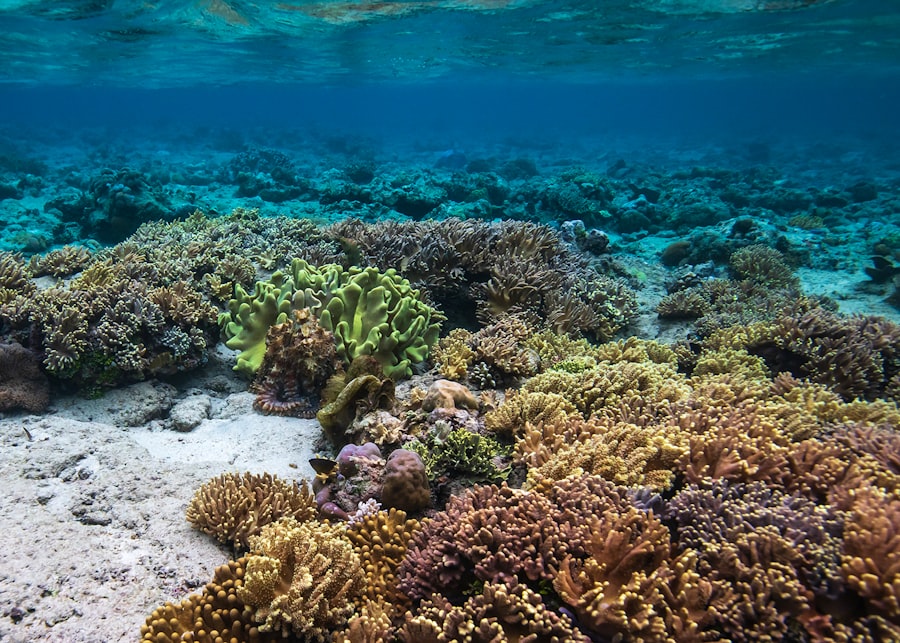
The devastating ecological impact of sand mining on coral reefs translates directly into significant economic and social consequences for coastal communities and beyond. The loss of healthy reefs diminishes the invaluable ecosystem services they provide.
Impact on Fisheries and Food Security
Coral reefs are estimated to support the livelihoods of hundreds of millions of people worldwide through artisanal and commercial fisheries. The decline of fish populations due to reef degradation directly threatens food security and the economic stability of these communities.
Reduction in Fish Catches
As fish populations dwindle due to habitat loss and degradation, the yields from coastal fisheries inevitably decrease. This can lead to increased fishing pressure on remaining stocks, further exacerbating the problem, and potentially leading to the collapse of some fisheries.
Loss of Livelihoods
For many coastal communities, fishing is not just a source of food but also their primary source of income. The depletion of fish stocks directly translates into lost livelihoods, increased poverty, and potential social unrest.
Decline of Tourism and Recreation
Coral reefs are major attractions for tourism, drawing visitors for activities like snorkeling, diving, and recreational fishing. The degradation and destruction of reefs lead to a significant decline in their aesthetic appeal and ecological vibrancy, making them less attractive to tourists.
Reduced Tourist Revenue
The loss of pristine reef environments directly impacts revenue generated from tourism, affecting hotels, tour operators, dive shops, and other related businesses. This can have a substantial negative effect on the economies of coastal regions, particularly those heavily reliant on ecotourism.
Loss of Recreational Opportunities
Beyond professional tourism, local communities and visitors alike lose valuable recreational opportunities when reefs are degraded. The simple pleasure of observing diverse marine life or engaging in underwater activities diminishes as reefs become barren.
Compromised Coastal Protection
Coral reefs act as natural breakwaters, absorbing wave energy and protecting coastlines from erosion and storm surges. The degradation of reefs weakens their ability to perform this vital protective function.
Increased Coastal Erosion
With diminished wave attenuation, coastlines become more vulnerable to erosion, leading to the loss of beaches and valuable coastal land. This can necessitate expensive artificial coastal defense measures, shifting the economic burden from ecological preservation to engineered solutions.
Heightened Vulnerability to Storms
The weakened protective capacity of degraded reefs leaves coastal communities more exposed to the damaging impacts of storms and tsunamis. Increased inundation and property damage can lead to significant economic losses and displacement of populations.
Sand mining has significant repercussions on coral reefs, as the extraction process often leads to habitat destruction and increased sedimentation, which can smother these delicate ecosystems. A related article discusses the broader environmental impacts of such activities and highlights the urgent need for sustainable practices. For more insights on this topic, you can read the article here. Understanding the connection between sand mining and coral reef health is crucial for developing strategies to protect these vital marine environments.
Regulatory Challenges and Mitigation Strategies
| Impact | Metrics |
|---|---|
| Physical damage to coral reefs | Extent of coral breakage and destruction |
| Sedimentation | Amount of sediment deposited on coral reefs |
| Water quality degradation | Levels of pollutants and turbidity in the water |
| Habitat loss | Reduction in coral reef area due to sand mining activities |
The devastating impact of sand mining on coral reefs necessitates a robust and multi-faceted approach to regulation and mitigation. Addressing this complex issue requires a combination of policy, enforcement, technological innovation, and international cooperation.
The Need for Stricter Regulations and Enforcement
One of the primary challenges in combating the harmful effects of sand mining is the lack of adequate regulations or their poor enforcement in many regions.
International and National Legislation
Developing and implementing comprehensive legislation that designates sensitive marine areas, including coral reefs, as off-limits to sand mining is crucial. This requires strong international agreements and the commitment of individual nations to enact and enforce their own protective laws.
Environmental Impact Assessments (EIAs)
Mandatory and rigorous Environmental Impact Assessments should be a prerequisite for any sand mining project. These assessments must thoroughly evaluate the potential impacts on coral reefs and adjacent ecosystems, and the findings must be binding on project approvals and operations.
Effective Monitoring and Prosecution
Simply having regulations is not enough; effective monitoring of sand mining activities and robust enforcement mechanisms are essential. This includes regular site inspections, water quality monitoring, and the imposition of significant penalties for violations. Prosecution of offenders must be a deterrent.
Sustainable Alternatives and Practices
Reducing the demand for mined sand and promoting sustainable alternatives can significantly alleviate pressure on coral reefs.
Development of Sustainable Construction Materials
Investing in research and development for alternative construction materials, such as recycled aggregates, manufactured sand, or bio-based materials, can reduce the reliance on natural sand extraction.
Responsible Land Reclamation Techniques
When land reclamation is unavoidable, employing techniques that minimize seabed disturbance and sedimentation, such as using dredged material from already degraded areas or employing advanced containment methods, can help reduce reef impacts.
Exploration of Offshore Sand Sources
Where feasible, exploring sand extraction from deeper offshore locations, far from sensitive reef ecosystems, could be a viable alternative. However, this must be accompanied by thorough environmental assessments to understand the potential impacts on deeper marine environments.
Community Engagement and Awareness
Educating and involving coastal communities is vital for the successful protection of coral reefs.
Public Awareness Campaigns
Raising public awareness about the ecological and economic importance of coral reefs and the devastating impacts of sand mining can foster public support for conservation efforts and encourage responsible consumption.
Empowering Local Communities
Engaging local communities in monitoring and reporting illegal sand mining activities, and involving them in the decision-making processes for coastal management, can create a sense of ownership and responsibility for reef protection.
International Cooperation and Knowledge Sharing
Coral reefs are transboundary ecosystems, and the impacts of sand mining can extend across international borders.
Transboundary Management
International cooperation is essential for managing shared marine resources and addressing transboundary pollution and resource depletion. Agreements and joint initiatives between neighboring countries can facilitate coordinated approaches to sand mining regulation.
Sharing Best Practices and Technologies
Facating the exchange of knowledge, best practices, and innovative technologies for sand mining mitigation and coral reef restoration between countries can accelerate progress and improve outcomes globally.
The extraction of sand, a seemingly innocuous commodity, is exacting a catastrophic toll on the world’s coral reefs. The very foundations of these vibrant underwater ecosystems are being undermined, leading to widespread habitat destruction, biodiversity loss, and the erosion of crucial ecosystem services. Addressing this devastating impact requires urgent and concerted action. Stricter regulations, vigorous enforcement, the development and adoption of sustainable alternatives, and robust community and international engagement are not merely recommendations; they are imperatives for the survival of coral reefs and the myriad life they support, including, ultimately, human well-being. The time for passive observation has long passed; proactive and decisive intervention is now essential to safeguard these irreplaceable marine treasures from the relentless tide of sand mining.
FAQs
What is sand mining and how does it impact coral reefs?
Sand mining is the extraction of sand from beaches, ocean floors, and rivers for construction and other purposes. The process of sand mining can lead to increased sedimentation and turbidity in the water, which can smother and damage coral reefs.
How does sand mining affect the biodiversity of coral reefs?
Sand mining can disrupt the natural balance of coral reef ecosystems by altering the physical and chemical properties of the surrounding water. This can lead to a decline in the biodiversity of coral reefs, affecting the various species that rely on the reef for habitat and food.
What are the long-term consequences of sand mining on coral reefs?
The long-term consequences of sand mining on coral reefs can include reduced coral growth, increased vulnerability to disease, and decreased reproductive success. These impacts can ultimately lead to the degradation and loss of coral reef ecosystems.
Are there any regulations in place to mitigate the impact of sand mining on coral reefs?
Many countries have regulations in place to manage and mitigate the impact of sand mining on coral reefs. These regulations may include restrictions on where and how sand mining can take place, as well as measures to minimize sedimentation and turbidity in the surrounding waters.
What are some alternative solutions to sand mining that can help protect coral reefs?
Some alternative solutions to sand mining include the use of recycled materials, such as crushed glass or recycled concrete, in construction projects. Additionally, sustainable sand extraction practices, such as beach nourishment and offshore sand mining, can help minimize the impact on coral reefs.