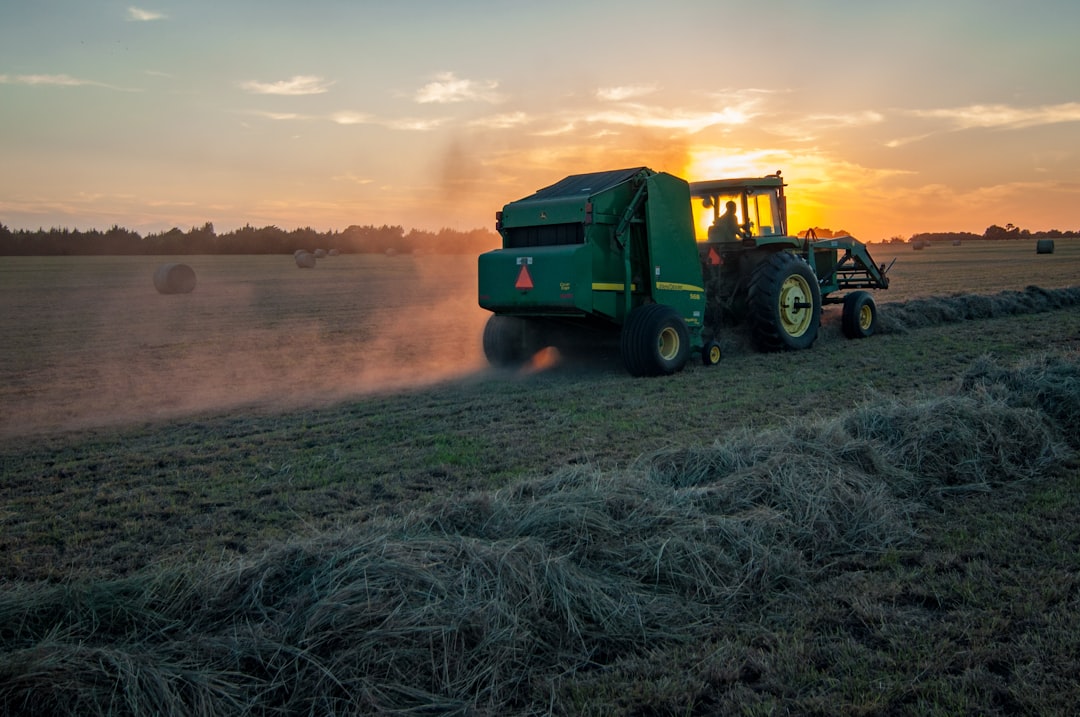
The fertile alluvial plains of delta regions, historically sculpted by the gentle deposition of silt from mighty rivers, have long been cradles of agriculture, supporting thriving communities and contributing significantly to national food security. Yet, this delicate equilibrium is increasingly threatened by a pervasive and often unregulated activity: sand mining. The extraction of sand, a seemingly innocuous commodity vital for construction, is progressively destabilizing the ecological and economic foundations of these vital agricultural landscapes. This article delves into the multifaceted impacts of sand mining on delta agriculture, exploring the subterranean shifts, the hydrological disruptions, the soil degradation, and the socio-economic unraveling that result from this relentless extraction.
The Unseen Tremors: Subterranean Disruption and Soil Instability
Sand mining, particularly from riverbeds and coastal margins, initiates a cascade of subterranean disturbances that directly affect agricultural productivity. The removal of sand creates voids, altering the natural stratification of the soil profile. This process, often driven by heavy machinery, compacts the remaining soil layers, reducing pore space and hindering root penetration.
Erosion of the Foundation: Altered Hydraulic Regimes
The most immediate and visually apparent impact of sand mining is the alteration of the local hydraulic regime. Removing large quantities of sand from riverbeds causes them to deepen and widen. This incautious excavation can lead to:
Increased Riverbank Erosion:
As riverbeds deepen, the banks become steeper and more vulnerable to erosion, especially during periods of high flow. This erosion not only claims valuable agricultural land along the river’s edge but also increases the sediment load in the river, paradoxically contributing to sedimentation downstream in unintended areas. The instability of the banks can also undermine existing irrigation and drainage channels, leading to their collapse and further disrupting water management.
Drawdown of Water Tables:
Sand acts as a natural aquifer, storing and transmitting groundwater. Extensive sand mining can deplete these subterranean reservoirs. As sand is removed, the capacity to hold and transmit water diminishes, leading to a significant drawdown of the water table. This phenomenon directly impacts:
Reduced Water Availability for Irrigation:
Agriculture in delta regions is heavily reliant on consistent access to fresh water for irrigation. A lowered water table necessitates deeper wells, increasing pumping costs for farmers and, in many cases, rendering existing irrigation systems obsolete. This can lead to crop wilting, reduced yields, and in severe cases, complete crop failure, forcing farmers to abandon their land or switch to less water-intensive, often less profitable, crops.
Saline Intrusion:
In coastal delta regions, the lowering of freshwater tables creates a vacuum that can be filled by the ingress of saline seawater. This saline intrusion contaminates freshwater sources essential for both irrigation and drinking water. The increase in soil salinity is detrimental to most staple crops, reducing their photosynthetic efficiency, inhibiting nutrient uptake, and ultimately leading to crop damage and reduced yields. In extreme cases, land becomes permanently infertile for conventional agriculture.
Changes in Water Flow Dynamics:
The physical modification of river channels through sand mining alters the natural flow patterns of the water. Channels can become braided or meandering in unnatural ways, leading to:
Inundation and Waterlogging:
While some areas may experience water scarcity due to lowered water tables, other areas, particularly those downstream of mining sites or in proximity to altered channels, can suffer from increased inundation and waterlogging. The altered flow can create areas where water accumulates without adequate drainage, suffocating plant roots and creating conditions conducive to waterborne diseases, further damaging crops.
Disruption of Drainage Systems:
Effective drainage is crucial in deltaic environments to prevent waterlogging and remove excess salts. Sand mining can physically damage or silt up existing natural and artificial drainage channels. This impedes the flow of excess water and further exacerbates waterlogging and salinization problems, making agricultural lands unusable.
Sand mining has significant implications for delta agriculture, as it can lead to the degradation of vital ecosystems and disrupt the delicate balance of sediment flow necessary for maintaining fertile lands. A related article that delves deeper into this issue can be found at this link. The article explores how excessive sand extraction not only affects crop yields but also threatens the livelihoods of communities that depend on agriculture in delta regions.
The Silent Erosion: Soil Degradation and Loss of Fertility
Beyond the immediate hydrological impacts, sand mining leads to a gradual but persistent degradation of soil quality, eroding the very foundation of deltaic agriculture.
Loss of Organic Matter and Nutrients:
Natural deltaic soils are rich in organic matter and essential nutrients deposited over centuries by river floods. Sand mining, by removing the topsoil layers and significantly altering the soil profile, directly removes these valuable components.
Depletion of Nutrient Reserves:
The removal of fertile topsoil, which contains the majority of the soil’s organic matter and essential micro and macro-nutrients, leaves behind infertile subsoil. This subsoil is often sandy and lacks the ability to retain water and nutrients effectively. Farmers are then forced to rely heavily on expensive synthetic fertilizers to compensate for the lost fertility, increasing their input costs and potentially leading to environmental issues associated with fertilizer runoff.
Reduced Soil Structure and Water Retention:
Healthy deltaic soils have a good crumb structure that allows for aeration, water infiltration, and root growth. Sand mining disrupts this structure, often leaving behind compacted, amorphous material. This poor soil structure leads to:
Increased Susceptibility to Drought:
Without adequate organic matter and a well-developed soil structure, the soil’s capacity to retain moisture is significantly reduced. This makes crops highly vulnerable to drought conditions, even with irrigation, as the little water available drains away too quickly.
Impaired Root Development:
The compacted and degraded soil hinders root penetration. Plants struggle to establish deep root systems, making them more susceptible to wind damage and less efficient in nutrient and water uptake, leading to stunted growth and reduced yields.
Increased Soil Compaction:
The heavy machinery used in sand extraction exerts immense pressure on the soil, leading to significant compaction. This layer of compacted soil, often referred to as a plough pan or fragipan, acts as a barrier to root growth and water infiltration.
Hindrance to Seed Germination and Plant Establishment:
Compacted soil makes it difficult for seeds to germinate and for young seedlings to establish themselves. The energy required for the seedling to push through the compacted layer is immense, leading to lower germination rates and weaker initial growth.
Reduced Aeration for Soil Microorganisms:
The intricate web of soil microorganisms crucial for nutrient cycling and soil health is severely impacted by compaction. Reduced aeration limits their activity, further diminishing soil fertility and the natural processes that support plant growth.
The Ripple Effect: Impact on Crops and Livelihoods
The direct ecological consequences of sand mining translate into tangible and often devastating impacts on the crops grown in delta regions and the livelihoods of the communities that depend on them.
Crop Yield Reduction and Quality Deterioration:
The combined effects of water scarcity, salinization, soil degradation, and nutrient depletion directly lead to a significant decline in crop yields.
Staple Crop Vulnerability:
Staple crops such as rice, wheat, and maize, which are the backbone of food security in many delta regions, are particularly vulnerable to these changes. Reduced yields translate directly into reduced incomes for farmers and increased food insecurity for the wider population.
Quality Impairment:
Even when crops are grown, the quality can be significantly impaired. Salinization can lead to smaller, less nutritious grains, affecting marketability and nutritional value. Water stress can result in shriveled grains and lower overall produce quality.
Shift in Cropping Patterns and Economic Hardship:
Faced with declining yields of traditional crops and increasing input costs, farmers are often forced to adapt their cropping patterns.
Transition to Less Profitable Crops:
In some cases, farmers may transition to cultivating more salt-tolerant or less water-intensive crops. However, these crops often have lower market prices and may not provide the same level of food security or economic stability as the traditional staples.
Increased Input Costs and Reduced Profitability:
The need for increased irrigation, deeper wells, more fertilizers, and potentially soil amendments significantly increases production costs. When coupled with reduced yields, this leads to drastically reduced profit margins for farmers, pushing many towards poverty.
Increased Indebtedness:
To cope with rising costs and declining incomes, many farmers resort to borrowing money. This can lead to a cycle of indebtedness, further exacerbating their economic vulnerability and potentially leading to land dispossession.
The Social and Economic Fabric: Communities Under Strain
The agricultural crisis precipitated by sand mining has profound socio-economic repercussions, unraveling the fabric of deltaic communities.
Displacement and Migration:
As agricultural lands become unproductive or unsustainable, farmers and agricultural laborers are often forced to abandon their ancestral homes in search of alternative livelihoods.
Rural-Urban Migration:
This leads to a significant rural-to-urban migration, placing additional strain on urban infrastructure and resources. The social fabric of rural communities weakens as younger generations leave, and traditional knowledge and practices are lost.
Social Disruption and Loss of Cultural Heritage:
The displacement of communities can lead to social disruption, the erosion of cultural traditions, and the loss of a unique connection to the land. The communal systems of water management and agricultural cooperation that have sustained these societies for generations begin to break down.
Increased Conflict and Resource Competition:
The scarcity of water and fertile land, exacerbated by sand mining, can lead to increased competition and conflict among different user groups.
Farmer-Miner Disputes:
Disputes between farmers whose livelihoods are destroyed and sand miners who prioritize economic gain are becoming increasingly common. These conflicts can escalate, leading to social unrest and hindering any attempts at sustainable resource management.
Inter-Community Water Disputes:
In areas where water resources are already strained, sand mining further intensifies competition for access to dwindling water supplies, potentially leading to disputes between upstream and downstream communities or between different agricultural sectors.
Sand mining has significant implications for delta agriculture, affecting soil quality and water availability. A recent article discusses how the extraction of sand from riverbeds disrupts sediment flow, which is crucial for maintaining fertile land in delta regions. This disruption can lead to decreased agricultural productivity and increased vulnerability to flooding. For more insights on this topic, you can read the article here: impact of sand mining on agricultural practices in delta areas.
Towards a Sustainable Future: Mitigation and Management Strategies
Addressing the multifaceted impacts of sand mining on delta agriculture requires a comprehensive and multi-pronged approach that prioritizes sustainable resource management and ecological integrity.
Robust Regulatory Frameworks and Enforcement:
The absence or poor enforcement of regulations governing sand mining is a primary driver of its destructive impact.
Legal Restrictions on Mining Sites and Volumes:
Strict legal frameworks must be established to designate specific areas where sand mining is permissible, taking into account ecological sensitivity and agricultural importance. The volume of sand that can be extracted must be carefully regulated and monitored.
Environmental Impact Assessments (EIAs):
Mandatory and rigorous Environmental Impact Assessments should be conducted for all sand mining operations. These assessments must consider the potential impacts on groundwater levels, soil erosion, river morphology, and agricultural productivity.
Independent Monitoring and Auditing:
Independent bodies should be established to monitor compliance with regulations and conduct regular audits of mining operations. This transparency is crucial to ensure accountability and prevent corrupt practices.
Sustainable Mining Practices and Alternatives:
Exploring and promoting more sustainable methods of sand extraction and identifying viable alternatives are essential.
Gradual Extraction and Backfilling:
Where mining is permitted, techniques that involve gradual extraction and subsequent backfilling with appropriate materials can help mitigate some of the negative impacts on soil structure and ground stability.
Dredging of Stagnant Water Bodies:
In some cases, dredging of stagnant water bodies or canals can provide an alternative source of sand without directly impacting riverbeds and agricultural lands, though careful environmental considerations are still necessary.
Promotion of Manufactured Sand (M-Sand):
Encouraging the development and use of manufactured sand (M-sand) produced from crushed rocks offers a significant alternative to river and beach sand. M-sand can be engineered to have specific grain sizes and properties, reducing the demand for natural sand and thereby alleviating pressure on deltaic ecosystems.
Restoration and Rehabilitation of Degraded Lands:
Investing in programs to restore and rehabilitate agricultural lands impacted by sand mining is crucial for the long-term viability of deltaic agriculture.
Soil Amendment and Salinity Management:
Implementing strategies such as the addition of organic matter, gypsum application to manage sodic soils, and improved drainage systems can help improve soil structure, fertility, and reduce salinity levels.
Reforestation and Green Belt Development:
Planting trees and developing green belts along riverbanks and vulnerable agricultural areas can help stabilize soil, reduce erosion, and improve the microclimate, contributing to the overall resilience of the agricultural landscape.
Community Engagement and Alternative Livelihoods:
Empowering local communities and providing avenues for alternative livelihoods are vital for the socio-economic survival of deltaic populations.
Farmer Cooperatives and Training Programs:
Strengthening farmer cooperatives and providing training on sustainable agricultural practices, water management, and alternative income-generating activities can build resilience within communities.
Diversification of Economic Activities:
Promoting the diversification of local economies beyond agriculture can reduce over-reliance on a single sector and provide alternative employment opportunities for affected populations.
The intricate dance between mighty rivers and fertile deltas has sustained livelihoods and cultures for millennia. However, the insatiable demand for sand, driven by development, is disrupting this ancient rhythm, leaving behind a landscape of ecological degradation and economic hardship. Recognizing the profound and often irreversible impacts of sand mining on delta agriculture is the first critical step towards fostering a future where both human development and the vital ecosystems of these precious deltaic regions can coexist. The silent erosion of fertile soil and the subtle shifting of subterranean waters represent a profound threat, demanding urgent and concerted action to protect these vital agricultural heartlands for generations to come.
FAQs
What is sand mining and how does it impact delta agriculture?
Sand mining is the extraction of sand from riverbeds and beaches for use in construction. The impact on delta agriculture includes soil erosion, loss of fertile land, and disruption of water flow, leading to reduced crop yields.
How does sand mining affect the environment in delta regions?
Sand mining can lead to the destruction of natural habitats, loss of biodiversity, and increased vulnerability to flooding and erosion. It also disrupts the natural sediment flow, which is essential for maintaining the health of delta ecosystems.
What are the economic implications of sand mining on delta agriculture?
The economic implications of sand mining on delta agriculture include reduced agricultural productivity, increased costs for soil restoration and erosion control, and loss of livelihoods for farmers who depend on the land for their income.
What are the regulatory measures in place to address the impact of sand mining on delta agriculture?
Regulatory measures to address the impact of sand mining on delta agriculture include environmental impact assessments, permits for sand extraction, and enforcement of regulations to prevent illegal mining activities. Additionally, there are efforts to promote sustainable sand mining practices.
What are the potential solutions to mitigate the impact of sand mining on delta agriculture?
Potential solutions to mitigate the impact of sand mining on delta agriculture include promoting sustainable sand extraction practices, implementing reclamation and restoration projects, and investing in alternative construction materials to reduce the demand for sand. Additionally, community engagement and awareness programs can help to address the issue.