
The notion that milk is a universally beneficial elixir, essential for robust health and strong bones, has been deeply ingrained in the public consciousness for generations. Advertisements, dietary guidelines, and even parental wisdom have consistently championed dairy consumption. However, a growing body of scientific research and critical analysis suggests that the prevailing narrative surrounding milk’s unequivocal health benefits may be more propaganda than proven fact. This article aims to dissect the “milk scam,” exploring the reasons why the widespread hype surrounding milk consumption is not as well-supported as commonly believed and why individuals might reconsider their dairy intake.
Early Public Health Campaigns and Industry Influence
The ascent of milk to its prominent position on the dietary pedestal is not entirely a product of organic scientific consensus. Instead, it’s a narrative significantly shaped by historical public health initiatives and the powerful influence of the dairy industry. In the early 20th century, milk was often promoted as a critical tool for combating malnutrition, particularly in children. Its perceived richness in calcium and vitamin D made it an attractive candidate for public health campaigns designed to improve national health outcomes. These campaigns, while perhaps well-intentioned, laid the groundwork for the widespread acceptance of milk as a dietary staple, often without rigorous, long-term, and independent scientific scrutiny of all its potential impacts.
The dairy industry, understanding the immense economic potential of this public endorsement, actively engaged in marketing and lobbying efforts. Investment in advertising that emphasized milk’s “natural goodness” and its role in building strong bodies became commonplace. This sustained marketing push, coupled with its integration into school lunch programs and dietary recommendations, solidified milk’s image as an indispensable component of a healthy diet. The message was clear and consistent: drink milk for health.
The Calcium Myth: A Foundation Built on Shaky Ground
The primary justification for milk consumption has historically revolved around its calcium content. Calcium is, undeniably, a vital mineral for bone health. However, the assertion that milk is the only or even the best source of calcium, and that its consumption is the most effective way to prevent osteoporosis, warrants closer examination.
Examining Calcium Absorption and Bioavailability
While milk does contain calcium, the body’s ability to absorb and utilize this calcium is influenced by various factors. The presence of other compounds in milk, such as phytic acid and oxalates (though in lower amounts than in some plant sources), can potentially hinder calcium absorption. Furthermore, the high protein content of milk can, in some individuals, lead to an increase in calcium excretion through urine, a phenomenon known as the ‘calcium paradox.’ This complex interplay suggests that simply ingesting a large amount of calcium from milk does not automatically translate to optimal bone mineralization.
Alternative Calcium Sources: A Neglected Landscape
The focus on milk as the sole calcium powerhouse has often overshadowed the abundance of calcium available from a variety of other dietary sources. Green leafy vegetables like kale, broccoli, and bok choy are rich in bioavailable calcium. Fortified plant-based milks, tofu, almonds, sesame seeds, and sardines (with bones) also contribute significant amounts of this essential mineral. The pervasive belief that dairy is paramount for calcium intake has, perhaps unintentionally, led many to overlook or undervalue these diverse and often equally, if not more, effective alternatives.
Many people have begun to question the traditional beliefs surrounding milk consumption, leading to discussions about its health benefits and potential downsides. A thought-provoking article that delves into this topic can be found at Hey Did You Know This, where it explores various perspectives on why some consider milk to be a scam. This article provides insights into the dairy industry’s marketing practices and the implications for consumer health, making it a must-read for anyone interested in understanding the complexities of milk consumption.
The Dairy Dilemma: Potential Health Concerns and Controversies
Despite the popular belief in milk’s healthfulness, a closer look at scientific literature reveals a complex picture, with considerable debate and accumulating evidence pointing towards potential downsides for certain individuals and for the population at large. The “milk scam” aspect emerges from the consistent downplaying or outright dismissal of these concerns in favor of the established pro-dairy narrative.
Lactose Intolerance: A Widespread, Yet Often Ignored, Condition
Lactose intolerance is an extremely common condition globally, affecting a significant portion of the world’s adult population. It is characterized by the body’s inability to fully digest lactose, the sugar found in milk, due to a deficiency in the enzyme lactase. Symptoms can range from mild discomfort to severe digestive distress, including bloating, gas, diarrhea, and abdominal pain.
The Genetic Predisposition to Lactose Malabsorption
The genetic basis for lactose intolerance is well-established, with the majority of the world’s population genetically programmed to reduce lactase production after infancy. This is a natural evolutionary process observed in populations that did not historically practice dairy farming. The pervasive marketing of milk as a universal beverage disregards this genetic reality, often creating a sense of personal failing for those who cannot tolerate it, rather than acknowledging it as a common physiological variation.
Marketing Efforts That Gloss Over Digestive Realities
The marketing of milk products largely fails to acknowledge the prevalence of lactose intolerance. While “lactose-free” options exist, they are often presented as a secondary alternative, reinforcing the idea that the “standard” dairy product is the default and desirable choice. This can lead individuals struggling with lactose intolerance to persist in consuming problematic dairy products, believing they “should” be able to tolerate them, thus experiencing unnecessary discomfort and potential long-term digestive issues.
Hormones and Growth Factors: A Cause for Concern?
Milk is a biological fluid intended to promote rapid growth in young mammals. Consequently, it contains a complex cocktail of hormones and growth factors, including insulin-like growth factor 1 (IGF-1). The potential impact of these naturally occurring substances on human health, particularly regarding cancer risk and other chronic diseases, is a growing area of scientific inquiry and significant controversy.
The Role of IGF-1 in Cellular Growth and Disease
IGF-1 is known to play a crucial role in cell growth and proliferation. While essential for normal development, elevated levels of IGF-1 in adults have been linked to an increased risk of certain cancers, including prostate, breast, and colorectal cancers. The consumption of dairy products, which are a significant source of IGF-1, has led researchers to investigate a potential correlation between dairy intake and these cancer types.
Research on Dairy and Cancer: Conflicting Findings and Industry Influence
The research on the link between dairy consumption and cancer risk is indeed complex, with some studies suggesting a protective effect and others indicating an increased risk, particularly for specific types of cancer. However, a critical lens is needed to examine the funding and methodology of these studies. Critics argue that industry-funded research may be more likely to produce favorable results, while independent studies sometimes highlight concerning associations. The consistent narrative that milk is inherently healthy often serves to dismiss or downplay findings that suggest a potential increased risk, perpetuating the “scam.”
Inflammation and Chronic Disease: An Emerging Picture
Beyond calcium and growth factors, the impact of dairy consumption on inflammation and its potential contribution to chronic diseases is another facet contributing to the “milk scam” narrative. While some studies suggest anti-inflammatory properties of certain dairy components, a growing body of evidence points towards dairy as a potential trigger for inflammation in susceptible individuals.
Dairy as a Potential Inflammatory Trigger
For individuals with dairy sensitivities or allergies, milk consumption can undoubtedly trigger inflammatory responses. However, for a broader population, even those without overt allergies, the saturated fat content and certain proteins in milk have been implicated in promoting low-grade chronic inflammation. This type of inflammation is recognized as a significant underlying factor in the development of numerous chronic health conditions, including heart disease, type 2 diabetes, and autoimmune disorders.
The Gut Microbiome and Dairy’s Complex Interaction
The gut microbiome, the vast community of microorganisms residing in the digestive tract, plays a pivotal role in overall health. The impact of dairy on this delicate ecosystem is complex and not fully understood. While some dairy products, like fermented ones (yogurt, kefir), can introduce beneficial probiotics, other forms of dairy might negatively alter the balance of gut bacteria, potentially contributing to inflammatory processes and impacting nutrient absorption. The simplistic “milk is good for you” message often ignores this nuanced interaction.
The Marketing Mirage: How the Dairy Industry Shapes Perception
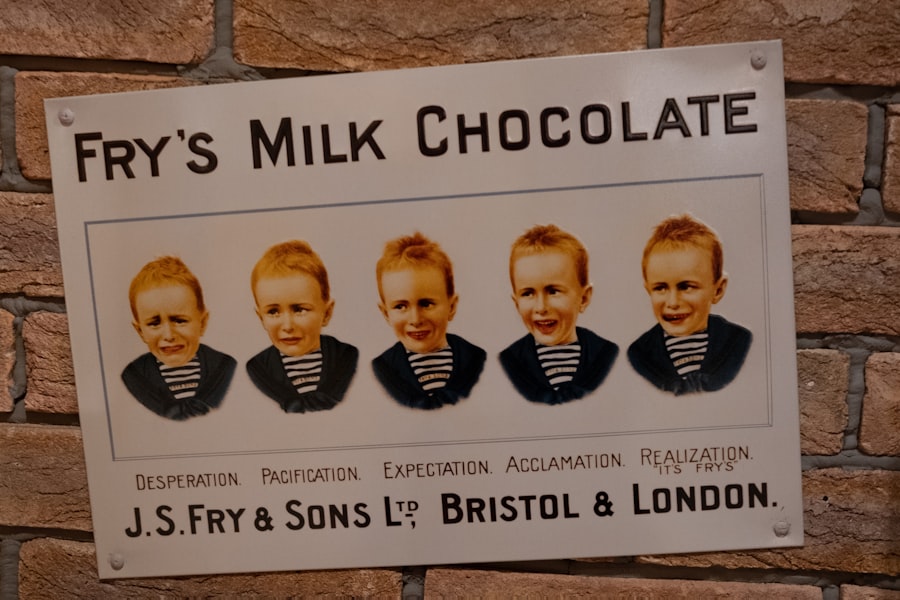
The continued public perception of milk as a universally beneficial food is inextricably linked to the sophisticated and pervasive marketing strategies employed by the dairy industry. These efforts have been highly successful in creating an image of health and necessity that often overshadows scientific reservations and individual variations in tolerance.
The Power of “Got Milk?” and Similar Campaigns
Iconic advertising campaigns, such as “Got Milk?”, have been instrumental in embedding milk into the cultural fabric. These campaigns rarely, if ever, discussed potential downsides or alternative dietary approaches. Instead, they focused on the aspirational aspects of health, strength, and well-being, directly associating these with milk consumption. The repetition and emotional appeal of these advertisements have created a powerful association that is difficult to dismantle with purely factual data.
Creating a “Default” Food Choice
By consistently portraying milk as essential, these campaigns have effectively made it a “default” food choice, particularly for children. Schools, public institutions, and even healthcare recommendations have often reinforced this default position. This creates a significant barrier for individuals who might benefit from reducing or eliminating dairy, as it runs counter to the established norm.
Lobbying and Influence on Dietary Guidelines
Beyond consumer-facing advertising, the dairy industry has a significant influence on the development of national dietary guidelines. Through lobbying efforts and financial contributions, they can advocate for policies and recommendations that favor dairy consumption. While dietary guidelines aim to promote public health, the potential for industry influence to sway recommendations towards the inclusion of dairy, even in the face of contradictory evidence for certain populations, is a legitimate concern.
Regulatory Capture and the Reinforcement of Pro-Dairy Agendas
The concept of “regulatory capture,” where the industry being regulated exerts undue influence over the regulatory bodies, is a potential factor in how dairy is promoted. When government agencies responsible for setting dietary recommendations have close ties or receive significant input from the dairy industry, it can lead to guidelines that prioritize its interests, potentially at the expense of a more comprehensive and nuanced approach to nutrition.
Reconsidering Milk: A More Nuanced Approach to Nutrition
The growing body of evidence and the critical analysis of prevailing narratives suggest that the “milk scam” lies in its oversimplification and the persistent promotion of a one-size-fits-all approach to a complex food. A more nuanced understanding of nutrition, individual health needs, and the potential drawbacks of dairy consumption is crucial.
Embracing Dietary Diversity: Beyond Dairy’s Dominance
A truly healthy diet is characterized by diversity, incorporating a wide range of nutrient-dense foods from various food groups. Over-reliance on any single food, including milk, can lead to nutritional imbalances and overlook the benefits of other, potentially more suitable, options.
Plant-Based Alternatives: A Growing and Viable Option
The proliferation of plant-based milk alternatives, such as almond, soy, oat, and cashew milks, has provided consumers with a wealth of choices. These alternatives can be fortified with calcium and vitamin D, offering comparable nutritional profiles to dairy milk without the potential drawbacks for those who are lactose intolerant or concerned about hormones and inflammation. It is important to note that the nutritional profiles vary between different plant-based milks and that consumers should make informed choices based on their individual needs.
The Importance of Whole Foods in a Balanced Diet
Ultimately, a balanced diet rich in whole, unprocessed foods is the cornerstone of good health. This includes an abundance of fruits, vegetables, lean proteins, and healthy fats. Focusing on these foundational elements provides a comprehensive spectrum of nutrients and reduces the need to rely on any single food product for specific micronutrients.
Listening to Your Body: Individual Health and Tolerance
Perhaps the most critical element in navigating the “milk scam” is to listen to one’s own body. Individual responses to food vary significantly, and what is beneficial for one person may be detrimental to another.
Recognizing the Signs of Dairy Sensitivity
Many individuals experience subtle, or even overt, signs of dairy sensitivity that they attribute to other causes. Persistent digestive issues, skin problems, headaches, or even fatigue can be linked to dairy consumption. Paying attention to these signals and considering an elimination trial under the guidance of a healthcare professional can be profoundly revealing.
Consulting with Healthcare Professionals for Personalized Advice
Navigating nutritional decisions can be complex. Consulting with registered dietitians or healthcare professionals who are knowledgeable about evidence-based nutrition and are not beholden to industry influence can provide personalized guidance. They can help individuals assess their specific needs, identify potential sensitivities, and develop a diet that truly supports their optimal health, moving beyond the pervasive hype surrounding dairy.
Many people have begun to question the conventional wisdom surrounding milk consumption, leading to discussions about its potential health implications and the dairy industry’s practices. A thought-provoking article explores these concerns and presents arguments that suggest milk may not be as beneficial as once believed. For those interested in delving deeper into this topic, you can read more about it in this insightful piece found here.
Conclusion: Moving Beyond the Hype
| Reasons why milk is a scam |
|---|
| Lack of health benefits |
| Environmental impact of dairy farming |
| False advertising and marketing tactics |
| Health risks associated with hormones and antibiotics in milk |
| Alternatives to milk with better nutritional value |
The narrative that milk is an indispensable component of a healthy diet is a powerful one, deeply embedded in our culture and reinforced by decades of marketing and ingrained habits. However, a critical examination of scientific evidence, coupled with an understanding of historical influences and industry practices, reveals that this narrative is far from the complete picture. While milk can be a source of certain nutrients, its consumption is not universally beneficial and can even be detrimental for a significant portion of the population. The “milk scam” is not necessarily about outright deceit, but rather about the persistent oversimplification and the relentless promotion of a single product to the detriment of broader nutritional understanding, individual well-being, and the exploration of a truly diverse and balanced diet. By moving beyond the hype and embracing a more nuanced, evidence-based, and personalized approach to nutrition, individuals can make informed choices that genuinely support their health.
FAQs
What are some reasons why milk is considered a scam?
Some reasons why milk is considered a scam include the dairy industry’s marketing tactics, the potential health risks associated with consuming milk, and the environmental impact of dairy production.
What are some potential health risks associated with consuming milk?
Some potential health risks associated with consuming milk include lactose intolerance, allergies to milk proteins, and the presence of hormones and antibiotics in conventional milk.
How does the dairy industry’s marketing contribute to the perception of milk as a scam?
The dairy industry’s marketing often promotes milk as a necessary and essential part of a healthy diet, despite evidence suggesting otherwise. This can mislead consumers and contribute to the perception of milk as a scam.
What are some alternatives to consuming milk?
Some alternatives to consuming milk include plant-based milks such as almond, soy, oat, and coconut milk, as well as fortified juices and other non-dairy sources of calcium and vitamin D.
What is the environmental impact of dairy production?
Dairy production has a significant environmental impact, including greenhouse gas emissions, water usage, and deforestation for grazing and feed production. This contributes to the perception of milk as a scam due to its negative impact on the environment.