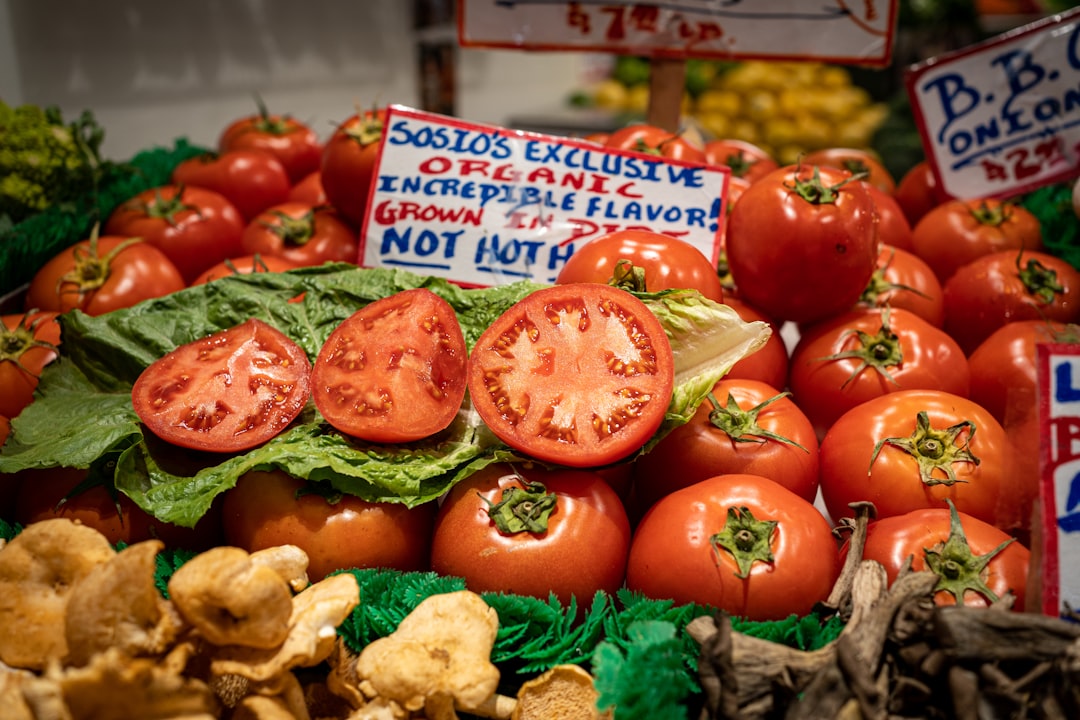
The food industry, a behemoth shaping the daily sustenance of billions, operates under a complex web of regulations, scientific claims, and marketing strategies. While many companies prioritize consumer well-being, the drive for profit often leads to practices that blur the lines of transparency and can, in some instances, lead to outright deception. Consumers, armed with an increasing desire for healthier and more ethical choices, are beginning to scrutinize labels and marketing claims with a discerning eye. This article delves into common deceptions prevalent in the food industry, exposing the narratives spun by marketing departments and the realities often hidden beneath.
The terms “natural” and “healthy” are perhaps the most frequently employed and broadly interpreted by the food industry. Their appeal is undeniable, tapping into consumers’ desire for wholesome, unprocessed foods and a path towards better well-being. However, the application of these labels can be misleading, often masking significant processing or artificial enhancements.
Defining “Natural”: A Fuzzy Frontier
The definition of “natural” in the food industry is notoriously vague. Unlike specific certifications like “organic” which have stringent regulatory frameworks, “natural” often lacks a universally agreed-upon legal definition.
What Does “Natural” Truly Mean (or Not Mean)?
- Absence of Artificial Ingredients: In its most basic interpretation, “natural” might suggest the absence of artificial colors, flavors, or preservatives. However, this does not preclude the use of highly processed ingredients that may have been derived from natural sources but undergone extensive chemical modification. For example, high-fructose corn syrup, despite being made from corn, is a highly processed sweetener.
- No Genetically Modified Organisms (GMOs): While some consumers associate “natural” with non-GMO products, there is no inherent guarantee that a product labeled “natural” is free from genetically modified ingredients. Separate certifications or specific labeling are required to confirm this.
- Minimally Processed: The ideal of “natural” often conjures images of single-ingredient foods or those minimally altered. However, many so-called “natural” products undergo processes such as refining, concentrating, hydrogenating, or even adding synthetic vitamins and minerals to enhance their shelf-life, texture, or nutritional profile.
- The FDA’s Stance: The U.S. Food and Drug Administration (FDA) has not established a formal definition for “natural.” Their longstanding policy is that “natural” means nothing artificial or synthetic has been added to a food that would not normally be expected to be in that food. However, this policy is often open to interpretation by manufacturers, especially concerning processing methods.
Case Studies: When “Natural” Isn’t So Natural
The proliferation of products labeled “natural” has led to numerous instances where the term is used expansively. Consider packaged snacks that boast “natural flavors” while containing a complex blend of additives, or yogurts labeled “natural” that are packed with added sugars and thickeners. The absence of artificial dyes might be true, but the overall nutritional impact can be far from what the consumer might associate with the term “natural.”
“Healthy” Claims: A Spectrum of Misdirection
The “healthy” label is even more susceptible to manipulation. While the FDA does have some guidelines for health claims, many products leverage ambiguous language to imply health benefits without making specific, regulated claims.
The Power of Suggestion: Implied Health
- “Good Source Of…” and “Rich In…”: These phrases can be powerful marketing tools, drawing attention to a single positive nutritional attribute while conveniently downplaying less desirable aspects of the product, such as high sugar or sodium content. A cereal might be a “good source of fiber” but also contain a significant amount of added sugar.
- “Low Fat,” “Reduced Fat,” and “Fat-Free”: These terms are often accompanied by an increase in sugar or refined carbohydrates to compensate for the reduced fat content, which can negatively impact blood sugar levels and contribute to weight gain. Furthermore, the processing involved in fat removal can sometimes lead to the creation of trans fats.
- “No Added Sugar” vs. “No Sugar Added”: A subtle but significant distinction. “No added sugar” means no sugar or caloric sweeteners have been added during processing. However, the product may still naturally contain sugars (e.g., from fruit). “No sugar added” implies no sugar was added, but it doesn’t necessarily mean the product is low in sugar overall.
- Vague Wellness Buzzwords: Terms like “antioxidant-rich,” “superfood-infused,” or “energy-boosting” are frequently used without concrete scientific backing for the specific product. While an ingredient might possess these properties, their concentration and the overall composition of the food may render the claim trivial.
The Impact of Processing on Nutritional Value
The very act of making a food “convenient” often involves significant processing that strips away natural nutrients or introduces less desirable components. Refining grains, for example, removes the bran and germ, which are rich in fiber, vitamins, and minerals, leaving behind a starchy endosperm. While some refined grains are enriched with synthetic vitamins, they do not replicate the full spectrum of nutrients found in whole grains.
In the ever-evolving landscape of the food industry, marketing tactics often blur the lines between fact and fiction, leading consumers to question the authenticity of the products they purchase. A thought-provoking article that delves into the deceptive practices employed by food marketers can be found at Hey Did You Know This. This piece highlights how misleading labels and exaggerated health claims can influence consumer choices, ultimately shaping perceptions about what constitutes healthy eating. By shedding light on these industry lies, the article encourages readers to become more discerning shoppers and advocates for transparency in food marketing.
Deconstructing Ingredient Lists: The Art of Obfuscation
Ingredient lists, intended to inform consumers, are often designed to be as unintimidating as possible, utilizing euphemisms, complex chemical names, and strategic ordering to obscure the true nature and quantity of components.
The Order of Importance: What the First Few Ingredients Tell You
The order of ingredients on a label is determined by weight. This seemingly simple rule can be a powerful indicator of a product’s composition.
Understanding the Hierarchy of Ingredients
- The Dominant Players: The first three to five ingredients typically make up the majority of the product’s weight. If sugar, refined flour, or unhealthy fats appear prominently at the beginning of the list, it signals that these are the primary components, regardless of other claims made on the packaging.
- Hidden Sugars in Disguise: Sugar is a master of disguise. Manufacturers often use a multitude of sugar sources to avoid having it appear as the top ingredient. Look out for terms like: sucrose, glucose, fructose, corn syrup, high-fructose corn syrup, malt syrup, dextrose, lactose, maltose, evaporated cane juice, agave nectar, maple syrup, honey, and fruit juice concentrates.
- The Impact of “Natural Sweeteners”: While seemingly healthier, even “natural” sweeteners like honey or maple syrup are still forms of sugar and contribute to the overall sugar load of a product. Their presence at the beginning of an ingredient list is as concerning as that of refined sugar.
Decoding Chemical Nomenclature: When Ingredients Sound Like Science Experiments
Many ingredients are listed using their scientific or chemical names, which can be intimidating and confusing for the average consumer.
Translating the Technical Jargon
- Vitamins and Minerals: When synthetic vitamins and minerals are added to fortify foods, they are often listed by their chemical names (e.g., ascorbic acid for Vitamin C, thiamine mononitrate for Vitamin B1). While fortification can be beneficial, consumers should be aware that these are often added in isolation and may not possess the same synergistic benefits as naturally occurring vitamins and minerals.
- Emulsifiers and Stabilizers: Ingredients like mono- and diglycerides, carrageenan, and guar gum are used to improve texture and prevent separation. While generally recognized as safe (GRAS), their presence in high quantities can indicate a highly processed product.
- Artificial Colors and Flavors: While “artificial flavors” might be abbreviated on some labels, “natural flavors” can also be complex blends of molecules, some of which may not be readily recognizable. The absence of “artificial” does not guarantee purity or simplicity.
The Psychology of Packaging: Visual Cues and Emotional Appeals

Food packaging is a powerful marketing tool, designed to grab attention, evoke positive emotions, and influence purchasing decisions, often without direct advertising claims.
The Color Palette of Persuasion
Colors are not chosen on the packaging of food products by accident. They are scientifically utilized to trigger specific psychological responses.
How Colors Influence Perception
- Red and Yellow: Often used for fast food and sugary snacks, these colors are associated with energy, excitement, and appetite stimulation.
- Green: Commonly employed for “healthy” or “natural” products, green evokes feelings of freshness, nature, and health. However, its use does not guarantee the product’s actual healthfulness.
- Blue: While less common, blue can be used to convey a sense of calm or reliability, but it can also suppress appetite, making it less frequently used for food products.
Evoking Familiarity and Nostalgia
Marketing often taps into consumers’ desire for comfort and familiarity, creating an emotional connection that bypasses rational consideration.
The Power of Nostalgia and Simplicity
- “Farm Fresh” Imagery: Pictures of idyllic farms, smiling farmers, and ripe produce are often used to imply a connection to nature and traditional food production, even if the product is mass-produced in a factory.
- Classic Font Styles and Design: Using fonts and design elements reminiscent of past eras can evoke a sense of nostalgia and trustworthiness, suggesting products that have stood the test of time and are therefore reliable.
- “Homemade” or “Grandma’s Recipe” Claims: These phrases suggest a level of care and authenticity that is often difficult to verify and can mask significant industrial processing.
Misleading Health Claims and Nutritional Misinformation

Beyond the broad terms, specific health claims on food products can be subject to scrutiny, with some making unsubstantiated assertions or exploiting loopholes in regulations.
The Fine Print of Functional Foods
Functional foods are marketed with the promise of providing health benefits beyond basic nutrition. This category is rife with opportunities for deception.
Examining “Superfoods” and “Functional Ingredients”
- The “Superfood” Phenomenon: While certain ingredients like blueberries or kale possess significant nutritional value, the term “superfood” is largely a marketing construct. Claiming a product is a “superfood powerhouse” without specifying the quantity and bioavailability of key nutrients can be misleading.
- Added Vitamins and Minerals: Many products are fortified with vitamins and minerals to make health claims. However, an excess of certain synthetic vitamins can be detrimental, and the absorption rates of added nutrients may differ significantly from those found naturally in whole foods.
- Probiotic and Prebiotic Claims: While beneficial, the effectiveness of probiotics and prebiotics in packaged foods can vary greatly. The specific strains, their viability, and the dosage are crucial for their purported benefits, and these details are often omitted or presented in a confusing manner.
The Role of Scientific-Sounding Language
The use of scientific terminology, even if technically accurate in isolation, can be employed to create an aura of credibility that masks a lack of substantial health benefit.
The Illusion of Scientific Rigor
- “Clinically Proven” and “Doctor Recommended”: These phrases, while appearing authoritative, often lack transparency regarding the studies conducted, their methodologies, and their funding. Without access to the full research, it’s difficult to assess the validity of such claims.
- Vague Disease-Specific Claims: Some products hint at benefits for specific diseases (e.g., “helps support heart health” or “may reduce the risk of…”) without making direct, regulated health claims that would require robust scientific evidence. This subtle suggestion can lead consumers to believe in benefits that are not scientifically established for that particular product.
In the ever-evolving food industry, consumers often find themselves navigating a maze of marketing tactics designed to mislead them about the products they purchase. A recent article highlights the various ways companies manipulate information to create appealing narratives around their food items. For those interested in uncovering the truth behind these marketing strategies, you can read more about it in this insightful piece on food industry lies and marketing. This exploration sheds light on how labels and advertising can sometimes obscure the reality of what we are consuming, making it essential for consumers to stay informed. To learn more, check out the article here.
The Challenge of Transparency and Consumer Empowerment
| Food Industry Lies and Marketing | Metrics |
|---|---|
| False Health Claims | Percentage of products with misleading health claims |
| Hidden Ingredients | Number of undisclosed additives or preservatives |
| Deceptive Packaging | Instances of misleading packaging design |
| Manipulative Advertising | Amount spent on advertising compared to product quality |
Navigating the deceptive landscape of the food industry requires a concerted effort from both regulators and consumers. Increased transparency and greater consumer education are paramount to shifting the balance of power.
Regulatory Loopholes and Industry Influence
While regulations are in place, the food industry’s lobbying power and the inherent complexity of food science can create loopholes that are exploited.
The Politics of Food Labeling
- Lobbying Efforts: The food industry actively lobbies lawmakers and regulatory bodies, influencing the creation and enforcement of labeling laws. This can lead to regulations that favor industry interests over absolute consumer clarity.
- The Slow Pace of Change: Updating food labeling regulations can be a lengthy and bureaucratic process, often lagging behind new marketing strategies and scientific advancements.
- International Variations: Labeling laws and interpretations of terms like “natural” can vary significantly between countries, leading to confusion for global consumers and manufacturers.
Empowering the Consumer: Knowledge is Power
Ultimately, the most effective defense against food industry deception lies in the informed consumer. Cultivating critical thinking and seeking out reliable information are essential.
Strategies for Informed Choices
- Become a Label Detective: Read ingredient lists carefully, understand what common terms mean, and pay attention to the order of ingredients.
- Research Beyond the Package: Don’t rely solely on marketing claims. Look for independent research, government health guidelines, and reputable consumer advocacy groups for information about food products and their nutritional value.
- Question Vague Claims: If a claim sounds too good to be true, it likely is. Be skeptical of sweeping statements about health benefits and seek concrete evidence.
- Prioritize Whole, Unprocessed Foods: The simplest way to avoid many deceptions is to focus on a diet of whole, unprocessed foods that require minimal preparation.
In conclusion, the food industry’s sophisticated marketing strategies often create an illusion of health, naturalness, and efficacy that can mislead consumers. By understanding the common tactics employed, from the ambiguous definition of “natural” to the psychological manipulation of packaging, consumers can arm themselves with the knowledge necessary to make informed and healthier choices for themselves and their families. The pursuit of food industry transparency is an ongoing battle, but with increased consumer vigilance and a demand for clearer, more honest labeling, a more trustworthy food landscape is a tangible possibility.
FAQs
What are some common lies and misleading marketing tactics used in the food industry?
Some common lies and misleading marketing tactics used in the food industry include false health claims, deceptive packaging, and exaggerated nutritional benefits. For example, products may be labeled as “all natural” or “low fat” when they actually contain artificial ingredients or high levels of sugar and unhealthy fats.
How does the food industry use deceptive labeling to mislead consumers?
The food industry uses deceptive labeling by using terms like “organic,” “natural,” and “whole grain” without meeting the necessary criteria. Additionally, they may use small serving sizes to make the nutritional content appear more favorable, or use misleading images and graphics on packaging to imply health benefits that are not actually present in the product.
What are some examples of false health claims made by the food industry?
Examples of false health claims made by the food industry include labeling products as “heart-healthy,” “immune-boosting,” or “weight loss promoting” without sufficient evidence to support these claims. Additionally, some products may be marketed as “sugar-free” or “low calorie” while still containing high levels of unhealthy additives.
How does the food industry target children with misleading marketing tactics?
The food industry targets children with misleading marketing tactics by using colorful packaging, cartoon characters, and celebrity endorsements to make unhealthy products more appealing. They also advertise on children’s television programs and websites, and offer toys and prizes to incentivize the purchase of their products.
What can consumers do to protect themselves from deceptive marketing in the food industry?
Consumers can protect themselves from deceptive marketing in the food industry by reading ingredient labels carefully, researching unfamiliar ingredients, and being skeptical of health claims that seem too good to be true. It’s also important to educate children about marketing tactics and encourage them to make informed food choices.