Consumer Investigation: Uncovering the Truth About Dairy
The dairy industry, a long-standing pillar of Western diets, is often presented as a source of essential nutrients and a cornerstone of healthy eating. However, a closer examination reveals a complex landscape shaped by agricultural practices, economic pressures, and evolving scientific understanding. This investigation delves into the multifaceted reality of dairy, aiming to provide consumers with a more nuanced perspective beyond widely circulated marketing narratives. From the microscopic world within a cow to the global supply chain, numerous factors influence the milk that reaches our tables, each with its own implications for health, environment, and ethics.
The journey of dairy begins with the biological realities of lactating mammals. Understanding these fundamental processes is crucial for evaluating the industry’s output.
The Lactation Cycle of Dairy Cows
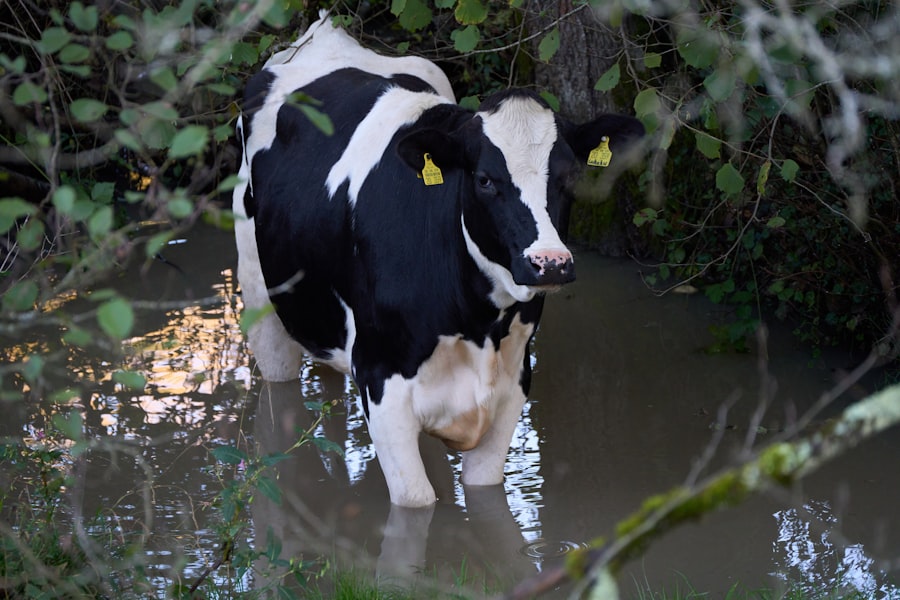
Dairy cows, primarily Holsteins, are bred and managed for high milk production. Their lactation cycle begins after giving birth, a necessity for milk production.
Gestation and Birth
A dairy cow must become pregnant approximately every 12-14 months to maintain milk production. Calves are born after a gestation period of around nine months. This necessitates a continuous cycle of insemination, pregnancy, and calving. The timing of calving is critical; milk production typically peaks a few weeks after birth and then gradually declines. Without repeated pregnancies, milk production would cease.
Milk Synthesis and Composition
Milk is a complex biological fluid designed for infant nutrition. In cows, it primarily consists of water, lactose (a sugar), fat, protein (casein and whey), and minerals like calcium. The composition can vary based on breed, diet, and stage of lactation. For instance, fat content often increases as lactation progresses towards the end of a cycle.
Factors Influencing Milk Yield
Modern dairy farming employs various strategies to maximize milk yield. These strategies have both benefits and drawbacks.
Genetics and Breeding
Selective breeding over generations has significantly increased the milk-producing capacity of dairy cows. This has led to an average Holstein cow producing considerably more milk today than her ancestors did several decades ago. While this translates to higher output per animal, it also puts considerable physiological stress on the cow, potentially impacting her health and longevity.
Nutrition and Feed Management
A cow’s diet is meticulously managed to support high milk production. This typically involves a carefully balanced ration of forage (like hay and silage) and concentrates (such as corn, soy, and grains). The goal is to provide sufficient energy, protein, and minerals to fuel milk synthesis. However, the sourcing and environmental impact of these feedstuffs are significant considerations.
Housing and Environmental Conditions
The living conditions of dairy cows are varied. Some farms utilize free-stall barns where cows can move freely, while others use tie-stall barns where cows are confined to individual stalls. Factors like temperature, ventilation, bedding, and access to water all influence a cow’s well-being and, consequently, milk production. Stress from overcrowding, poor ventilation, or inadequate resting areas can negatively impact milk yield and cow health.
In recent years, consumer investigations into the dairy industry have revealed significant concerns regarding transparency and ethical practices. A related article that delves deeper into these issues can be found at Hey Did You Know This, where it discusses the impact of dairy farming on both the environment and animal welfare. This investigation highlights the importance of informed consumer choices in promoting sustainable practices within the dairy sector.
The Dairy Supply Chain: From Farm to Consumer
The path from a dairy farm to the consumer’s refrigerator is a complex logistical operation involving numerous stages, each with its own set of practices and considerations.
Milking Procedures and Technology
Modern dairies employ advanced technology to ensure efficient and hygienic milk extraction.
Milking Parlors and Equipment
Cows are typically milked two to three times a day in a milking parlor. Automated milking systems use vacuum pumps and pulsation to mimic the sucking action of a calf. Sensors monitor milk flow, temperature, and conductivity, providing data that can help identify potential udder health issues.
Milk Handling and Cooling
Immediately after milking, milk is rapidly chilled to inhibit bacterial growth. This is crucial for maintaining milk quality and safety. Modern bulk tanks keep milk at or below 40°F (4°C).
Processing and Pasteurization
Once collected, milk undergoes several processing steps. While much of this is for safety and shelf-life, some processes can alter milk’s nutritional profile.
Separation and Standardization
Raw milk is a mixture of cream and skimmed milk. Cream is often separated from the skimmed milk. The fat content can then be adjusted to meet specific product standards, such as for whole milk (typically 3.25% fat), 2% reduced-fat milk, or skim milk (virtually fat-free).
Pasteurization: A Public Health Measure
Pasteurization is a heat treatment process designed to kill harmful bacteria that can be present in raw milk, significantly reducing the risk of foodborne illnesses. Common methods include High-Temperature Short-Time (HTST) pasteurization (heating to at least 161°F or 72°C for 15 seconds) and Ultra-High Temperature (UHT) pasteurization (heating to at least 280°F or 138°C for 2 seconds), which extends shelf life considerably. While effective for public health, some research suggests high-heat treatments may slightly reduce certain heat-sensitive vitamins.
Homogenization: Altering Fat Globules
Homogenization is a mechanical process that breaks down fat globules in milk into smaller sizes. This prevents the cream from separating and rising to the top, creating a uniform texture. This process does not add or remove fat but alters its physical state within the milk.
Packaging and Distribution
The final stages involve packaging and getting the product to market.
Packaging Materials and Options
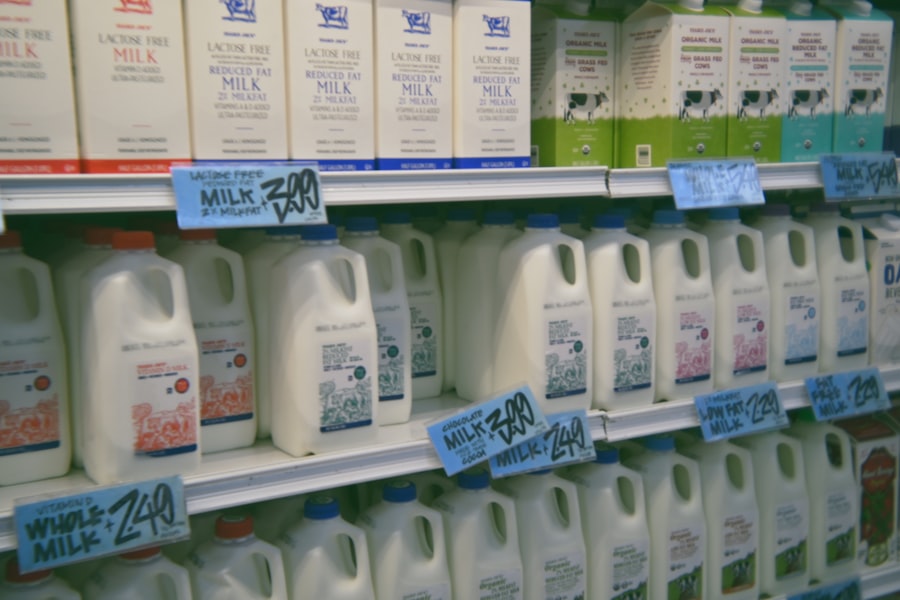
Milk is packaged in various materials, including plastic jugs, cartons, and glass bottles. The choice of packaging can influence environmental impact and product preservation. Some packaging aims to protect milk from light, which can degrade certain vitamins like riboflavin.
Refrigerated Transport and Retail Storage
Maintaining a cold chain throughout distribution is vital. Milk is transported in refrigerated trucks and stored in refrigerated display cases at retail outlets to preserve its freshness and safety until it reaches the consumer.
Health Implications: The Nutritional Debate
The health benefits and potential drawbacks of dairy consumption are a subject of ongoing scientific inquiry and public discussion.
Nutritional Profile of Dairy Products
Dairy is widely recognized as a good source of several key nutrients.
Calcium and Bone Health
Dairy is a primary source of calcium, a mineral essential for building and maintaining strong bones and teeth. Adequate calcium intake throughout life is linked to a reduced risk of osteoporosis. Dairy also provides vitamin D, often added through fortification, which aids in calcium absorption.
Protein and Other Nutrients
Milk also provides high-quality protein, containing all essential amino acids. It is a source of other vitamins and minerals, including vitamin B12, riboflavin (vitamin B2), phosphorus, and potassium. However, the levels of some nutrients can vary depending on fat content and processing.
Potential Benefits and Concerns
While dairy offers nutritional advantages, certain aspects warrant consideration.
Lactose Intolerance: A Common Issue
Lactose is the sugar naturally present in milk. Lactose intolerance is the inability to fully digest lactose due to a deficiency in the enzyme lactase. This can lead to digestive discomfort such as bloating, gas, and diarrhea after consuming dairy products. Prevalence varies significantly across populations.
Saturated Fat and Cholesterol
Full-fat dairy products contain saturated fat and cholesterol. While the role of dietary saturated fat in heart disease is complex and debated, excessive intake is generally advised against. Reduced-fat or fat-free dairy options are often recommended by health organizations for those concerned about saturated fat intake.
Hormones and Antibiotics in Milk
Concerns exist regarding the presence of hormones and antibiotics in milk. While the U.S. has regulations in place to limit antibiotic residues, and the natural hormone levels in milk are subject to scientific debate regarding their impact on human health when consumed via dairy products, some consumers choose to avoid dairy due to these concerns. Organic certification standards often prohibit the use of synthetic hormones and require stricter antibiotic policies.
Environmental Footprint: Dairy’s Ecological Impact
The dairy industry has a significant environmental footprint, stemming from land use, resource consumption, and emissions.
Greenhouse Gas Emissions
Livestock, including dairy cows, are a notable source of greenhouse gases.
Methane Production
Cows are ruminant animals, and their digestive process produces methane, a potent greenhouse gas. Methane is released primarily through enteric fermentation and manure. Manure management practices can also contribute to methane and nitrous oxide emissions.
Nitrous Oxide and Carbon Dioxide
Manure and the use of fertilizers for feed production contribute to nitrous oxide emissions, another potent greenhouse gas. Energy used in farm operations, processing, and transportation also contributes to carbon dioxide emissions.
Land and Water Use
Dairy farming requires substantial land and water resources.
Feed Production and Land Requirements
Growing the feed crops for dairy cows—such as corn, soy, and alfalfa—demands significant acreage. This land can compete with other uses, including natural habitats and crop production for direct human consumption. Deforestation for pasture or feed crops is a concern in some regions.
Water Consumption
Dairy operations require considerable water for drinking, sanitation, and cooling equipment. The cultivation of feed crops also necessitates irrigation, further contributing to water demand.
Waste Management and Pollution
Dairy farms generate substantial amounts of manure, which, if not managed properly, can lead to environmental pollution.
Runoff and Water Contamination
Manure runoff from farms can contaminate surface and groundwater with nutrients like nitrogen and phosphorus, leading to eutrophication and harming aquatic ecosystems. Pathogens present in manure can also pose risks to human health.
Air Quality
Ammonia released from manure can contribute to air pollution and acid rain. Odors from dairy farms can also be a nuisance for nearby communities.
Recent consumer investigations into the dairy industry have raised significant concerns about the practices surrounding milk production and labeling. Many consumers are becoming increasingly aware of the potential discrepancies between what is advertised and the actual contents of dairy products. For those interested in a deeper dive into this topic, you can explore a related article that sheds light on various aspects of dairy production and consumer rights. This informative piece can be found here, providing valuable insights for anyone looking to make more informed choices about their dairy consumption.
Ethical Considerations: Animal Welfare in Dairy Farming
| Category | Metrics |
|---|---|
| Consumer Interest | Number of online searches |
| Consumer Behavior | Percentage of households purchasing dairy products |
| Health Concerns | Number of articles or studies on dairy consumption |
| Market Trends | Percentage change in dairy product sales |
The welfare of dairy cows is a significant ethical concern for many consumers.
Living Conditions and Management
The conditions under which dairy cows are housed and managed vary widely, influencing their well-being.
Confinement and Mobility
In some production systems, cows may experience limited mobility and restricted access to pasture. Overcrowding can lead to increased stress and a higher risk of injuries and lameness.
Calf Separation and Early Life
Calves are typically separated from their mothers shortly after birth. While this is necessary for human milk consumption, the emotional impact on both mother and calf is a subject of ethical debate. The early life of bull calves, which are not used for dairy production, also raises welfare concerns, as many are raised for veal or meat production with specific welfare considerations.
Health and Productivity Trade-offs
The pursuit of high milk yields can sometimes lead to health challenges for cows.
Mastitis and Lameness
High-producing cows can be more susceptible to health issues like mastitis (udder infection) and lameness (leg and foot problems) due to the physiological stress of constant milk production and environmental factors.
Longevity and Cull Rates
The average productive lifespan of a dairy cow is significantly shorter than her natural lifespan, largely due to factors like declining fertility, health issues, and reduced milk production, leading to her being “culled” from the herd.
Alternatives and Emerging Practices
Growing awareness of animal welfare has led to increased interest in alternative dairy farming methods.
Pasture-Based Systems
Farms that emphasize pasture grazing for significant portions of the year offer cows more natural behaviors and movement.
Welfare Certifications and Standards
Various third-party certification programs exist to indicate higher animal welfare standards, though the specifics and comprehensiveness of these standards can vary. Consumers can look for these labels to make informed choices, but it is important to understand what each certification entails.
By examining these facets, consumers can move beyond simplified narratives and develop a more informed understanding of dairy, its production, and its implications. This investigation serves as a starting point for further individual research and conscious consumer decision-making.
FAQs
What is the purpose of the consumer investigation into dairy?
The purpose of the consumer investigation into dairy is to examine the quality, safety, and labeling of dairy products available to consumers. This investigation aims to ensure that consumers are receiving accurate information about the dairy products they purchase and consume.
What are some common issues that the consumer investigation may uncover in the dairy industry?
Common issues that the consumer investigation may uncover in the dairy industry include mislabeling of products, presence of harmful contaminants, misleading health claims, and unethical treatment of animals in dairy production.
How does the consumer investigation into dairy products benefit consumers?
The consumer investigation into dairy products benefits consumers by providing them with accurate information about the products they are purchasing. This helps consumers make informed decisions about the dairy products they consume and ensures that they are receiving safe and high-quality products.
Who conducts the consumer investigation into dairy products?
Consumer investigations into dairy products are typically conducted by government regulatory agencies, independent consumer advocacy groups, and sometimes by the dairy industry itself. These investigations are carried out to uphold consumer protection laws and ensure the integrity of the dairy industry.
What can consumers do if they have concerns about the dairy products they have purchased?
If consumers have concerns about the dairy products they have purchased, they can report their concerns to the relevant regulatory agencies, consumer advocacy groups, or the dairy product manufacturer. Consumers can also seek out information from reliable sources and choose dairy products that have been certified by reputable organizations.