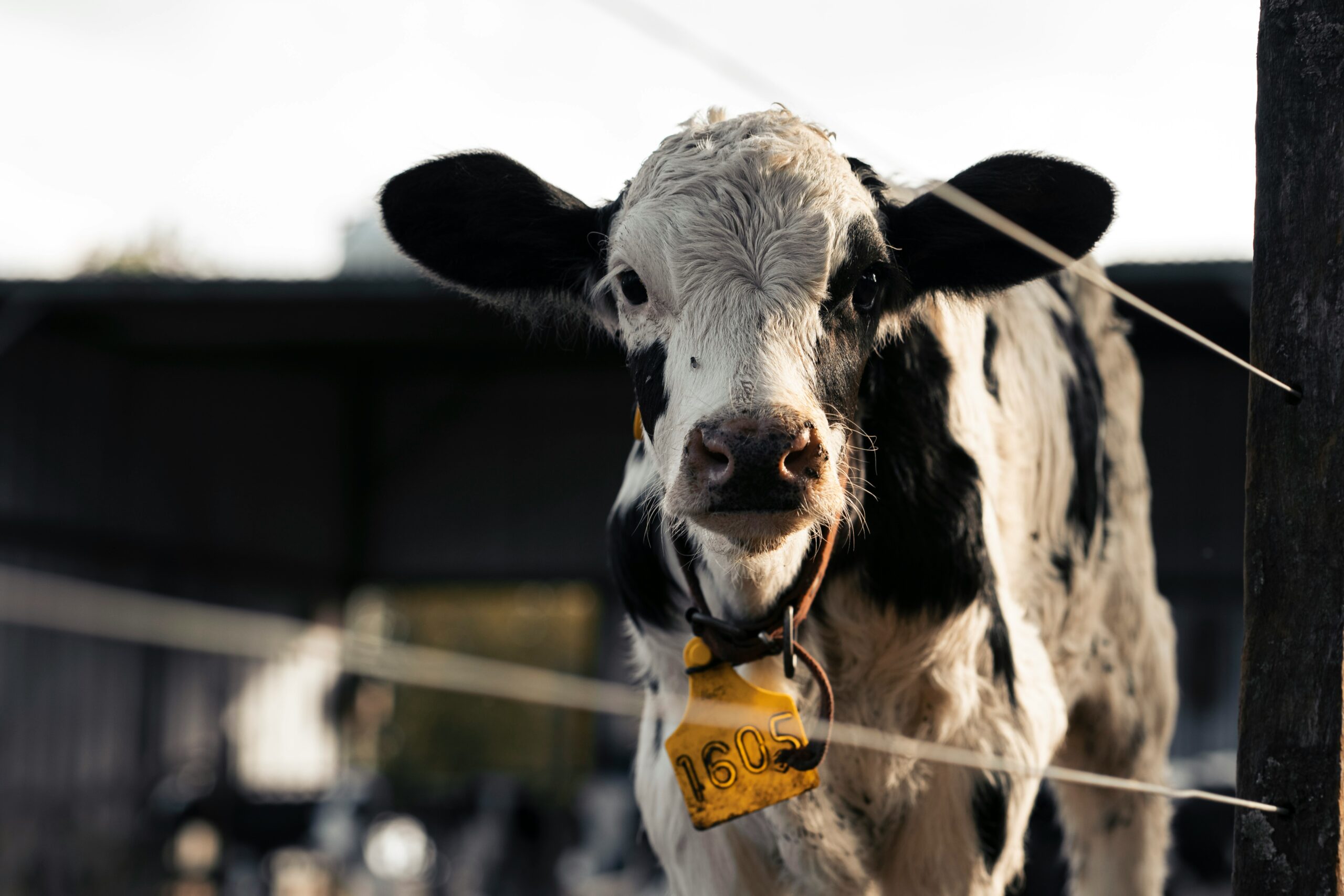
The global dairy industry, a cornerstone of agriculture in many nations, operates within a complex web of economic policies, a significant portion of which involves government subsidies. These financial injections, intended to support farmers, ensure food security, and stabilize markets, are often the subject of intense debate. Unpacking dairy industry subsidies requires a thorough examination of their origins, mechanisms, economic impacts, and the potential consequences of their reform or removal. This exploration aims to shed light on the multifaceted nature of these policies, moving beyond simplistic notions to understand their intricate role in shaping the dairy landscape.
The Rationale Behind Dairy Subsidies
Governments have historically intervened in agricultural markets for a variety of reasons, and the dairy sector is no exception. Understanding these underlying rationales is crucial to appreciating why subsidies have become so deeply embedded in the industry.
Ensuring Food Security and Stable Supply
One of the most frequently cited justifications for dairy subsidies is the objective of ensuring a stable and consistent supply of milk and dairy products to the domestic population.
National Self-Sufficiency Goals:
In many countries, particularly those with a history of food shortages or political instability, maintaining a high degree of self-sufficiency in essential food items like milk is a strategic priority. Subsidies can encourage domestic production, reducing reliance on potentially volatile international markets and foreign suppliers. This can be seen as a measure to safeguard national security by ensuring a basic food staple is readily available.
Price Stabilization Mechanisms:
Dairy markets are inherently prone to price fluctuations due to factors such as weather patterns, disease outbreaks, changes in consumer demand, and global commodity prices. Subsidies, often implemented through price support programs or production incentives, aim to smooth out these price swings. This provides a degree of predictability for both producers, allowing them to plan investments, and consumers, by mitigating sharp increases in the cost of dairy products.
Supporting Rural Economies and Livelihoods
The dairy sector is often a significant employer and economic driver in rural areas. Subsidies are frequently framed as a means of preserving these vital rural communities.
Maintaining Farm Viability:
Dairy farming is capital-intensive and can be subject to thin profit margins. Subsidies can act as a financial safety net, helping to keep farms operational, especially during periods of low commodity prices or increased input costs. This is particularly important for smaller, family-run operations that may lack the economies of scale of larger enterprises.
Preventing Rural Depopulation:
The decline of agricultural sectors can lead to job losses and the migration of populations from rural to urban areas. By supporting dairy farmers, governments aim to retain a skilled agricultural workforce and maintain the economic and social fabric of rural communities. This can contribute to a more balanced regional development and prevent the decline of rural infrastructure and services.
Encouraging Investment and Innovation:
While often seen as a direct financial injection, some subsidies are designed to encourage long-term investment in the sector. This might include support for adopting new technologies, improving animal welfare, or investing in sustainable farming practices, which can enhance the long-term competitiveness and resilience of the industry.
The complexities of dairy industry subsidies are further explored in a related article that delves into the economic implications and policy decisions surrounding this sector. For a comprehensive understanding of how these subsidies impact farmers and consumers alike, you can read more in the article found here: Dairy Industry Subsidies Explained. This resource provides valuable insights into the motivations behind these financial supports and their effects on the market.
Mechanisms of Dairy Subsidies
The way in which subsidies are delivered to the dairy industry varies considerably across different countries and over time. These mechanisms can range from direct payments to complex market interventions.
Direct Payment Programs
These programs involve the direct transfer of funds from the government to dairy farmers. They are often the most transparent form of subsidy.
Production-Based Payments:
These payments are directly linked to the volume of milk produced by a farmer. The intention is to incentivize increased production and, in some cases, to ensure a minimum income level for producers based on their output. Such programs can lead to increased supply but may also contribute to overproduction if not carefully managed.
Income Support Payments:
In contrast to production-based payments, income support programs aim to bolster farmers’ overall financial well-being by providing a guaranteed income level or compensating for losses incurred due to adverse market conditions. This can help to stabilize farm incomes and reduce financial risk.
Area-Based Payments:
While less common for dairy specifically compared to other agricultural sectors, some subsidy schemes might be indirectly linked to land used for dairy farming, offering a land rent subsidy or similar support.
Market Intervention and Price Support Programs
These mechanisms involve government action to influence market prices for dairy products, often through purchasing, storage, or export subsidies.
Price Floors and Guarantees:
Governments may set a minimum price for milk or dairy products. If market prices fall below this floor, the government intervenes, often by purchasing surplus product to keep prices up. This aims to protect farmers from low prices and ensure a stable income.
Supply Management Systems:
In some countries, particularly Canada and parts of Europe, dairy markets are managed through supply quotas. While not directly a subsidy, these systems often involve price pooling mechanisms and government oversight that can indirectly support farm incomes by controlling supply and ensuring a certain price level. This can also involve mechanisms for handling surplus production, which may have subsidy components.
Export Subsidies:
Historically, a significant form of subsidy involved payments for exporting dairy products. These subsidies made domestic dairy products artificially cheaper on the global market, allowing countries to dispose of surpluses. However, these have been widely criticized and are increasingly being phased out under international trade agreements due to their distorting effects on global trade.
Other Forms of Support
Beyond direct payments and market interventions, various other forms of government support can benefit the dairy industry.
Research and Development Funding:
Government investment in agricultural research and development can lead to improvements in animal health, feed efficiency, and production technologies, which indirectly benefit dairy farmers by enhancing their productivity and profitability.
Environmental and Conservation Programs:
Subsidies or grants may be offered for farmers adopting environmentally friendly practices, such as improving manure management, protecting water sources, or enhancing biodiversity on their farms. These programs can offset the costs of implementing such practices.
Tax Relief and Concessions:
Various tax benefits, such as reduced property taxes or special depreciation allowances for farm equipment, can reduce the overall cost of operating a dairy farm.
Economic Impacts and Criticisms of Dairy Subsidies
While subsidies aim to achieve specific policy goals, they also have significant economic impacts, both intended and unintended, and face substantial criticism.
Distortions in Market Mechanisms
One of the most significant criticisms of subsidies is their potential to distort natural market forces.
Overproduction and Inefficiency:
Subsidies can incentivize farmers to produce more than the market would otherwise demand. This can lead to persistent surpluses, requiring further government intervention or costly disposal, and can mask underlying inefficiencies within the industry. Farmers may continue to operate less efficient farms because the subsidy guarantees a minimum income, slowing down necessary consolidation or adaptation.
Impact on Global Trade:
As mentioned earlier, export subsidies, in particular, can unfairly disadvantage producers in countries that do not offer similar support. This can lead to trade disputes and hinder the development of competitive dairy industries in emerging economies. Even domestic subsidies can create an uneven playing field between countries.
Artificial Price Levels:
Price support mechanisms can lead to artificially high domestic prices for consumers compared to what they would be in a free market. This reduces consumer purchasing power and can limit demand for dairy products, potentially impacting overall consumption patterns.
Financial Burden on Taxpayers
Subsidies represent a significant expenditure of public funds, placing a direct financial burden on taxpayers.
Allocation of Public Resources:
The substantial sums of money allocated to dairy subsidies could potentially be used for other public services, such as education, healthcare, or infrastructure development. Critics argue that these funds might be better utilized elsewhere and that the economic return on investment in dairy subsidies may not always be optimal.
Perpetuation of Inefficient Structures:
The continuous flow of subsidies can create a dependency for some farmers, making them resistant to market-driven changes. This can slow down the natural evolution of the industry and prevent more efficient and sustainable farming models from emerging and thriving.
Environmental Considerations
The impact of subsidies on environmental sustainability is a growing concern.
Intensification of Production:
Subsidies that incentivize high production volumes can inadvertently encourage intensified farming practices. This can lead to increased environmental pressures, such as higher water usage, greater nutrient runoff from fertilizers and manure, and increased greenhouse gas emissions, depending on the intensity of the operation and its management.
Land Use and Biodiversity:
The focus on maximizing subsidized output might discourage diversification of land use and potentially lead to the reduction of natural habitats on farmland, impacting biodiversity.
Equity and Distributional Issues
The benefits of subsidies are not always distributed equitably within the dairy sector.
Benefit to Larger Producers:
In many subsidy schemes, payments are tied to production volume or land area, which often benefits larger, more established farms disproportionately compared to smaller, less industrialized operations. This can exacerbate existing inequalities within the farming community.
Impact on Consumers:
As noted, consumers may face higher prices for dairy products due to subsidies. This regressive impact can disproportionately affect lower-income households, who spend a larger percentage of their income on food.
The Debate Over Reform and Removal
The economic and social impacts of dairy subsidies have fueled a continuous debate regarding their reform or eventual removal.
Arguments for Reform
Proponents of reform argue that subsidies, while historically important, need to be modernized to address current economic and environmental challenges.
Targeted Support for Specific Goals:
Instead of broad production subsidies, reforms could focus on targeted support for specific objectives, such as environmental stewardship, animal welfare improvements, or investment in innovation and technology. This would ensure public funds are used more efficiently and effectively.
Transitioning to Market-Based Systems:
Gradual reforms could involve phasing out direct price supports and moving towards systems that incentivize efficiency and market responsiveness. This might include crop insurance schemes or other risk management tools that are less distorting than traditional subsidies.
Promoting Sustainable Practices:
Reforms could redirect subsidy funds towards incentivizing farmers to adopt environmentally sustainable practices, such as reducing greenhouse gas emissions, improving water quality, and enhancing biodiversity. This would align agricultural support with broader societal goals.
Addressing Distortions and Trade Issues:
Reforms are often driven by the need to comply with international trade agreements and to create a more level playing field for global dairy trade. This involves phasing out trade-distorting subsidies and moving towards more transparent and comparable forms of support.
Arguments for Gradual Removal
Some argue that the most effective solution is the complete removal of dairy subsidies, allowing market forces to dictate production and prices.
Increased Efficiency and Competitiveness:
Removing subsidies would force dairy farmers to become more efficient and competitive in order to survive. This could lead to a more robust and resilient industry in the long run, driven by genuine market demand.
Lower Consumer Prices:
Without subsidies, dairy products would likely become cheaper for consumers, increasing their affordability and potentially boosting demand. This could benefit households, particularly those with lower incomes.
Reduced Taxpayer Burden:
Eliminating subsidies would free up substantial public funds that could be reallocated to other public services or used to reduce the national debt.
Natural Market Adjustments:
Proponents of removal believe that the market, free from artificial support, would naturally adjust to optimal production levels and that resources would be allocated more efficiently across the economy.
Challenges and Considerations in Reform or Removal
The process of reforming or removing dairy subsidies is complex and fraught with challenges.
Political Opposition:
Dairy farmers and industry groups are often powerful political constituencies, making reform or removal politically difficult. There is often strong resistance to any policy that threatens farm incomes or established practices.
Economic Disruption:
A sudden removal of subsidies could lead to significant economic disruption for many farmers, potentially resulting in farm bankruptcies and job losses, especially in rural areas heavily dependent on dairy.
Adjustment Periods:
If reforms are pursued, a carefully managed transition period with alternative support mechanisms or retraining programs would be necessary to mitigate the negative impacts on farmers and rural communities.
International Implications:
Any nation’s decision to reform or remove subsidies must consider the potential reactions of trading partners and the broader implications for international trade in dairy products. Unilateral removal could put a country’s own producers at a disadvantage if other nations continue to subsidize their industries.
The complexities of dairy industry subsidies can be better understood by exploring related topics that highlight their impact on both farmers and consumers. For instance, a fascinating article discusses the broader implications of agricultural subsidies and how they shape food prices and farming practices. You can read more about it in this insightful piece found here. Understanding these connections can provide a clearer picture of the challenges and benefits associated with dairy subsidies.
The Future of Dairy Subsidies
The landscape of dairy subsidies is likely to continue to evolve, influenced by global economic trends, changing policy priorities, and increasing public awareness of the environmental and social impacts of agricultural support.
Shifting Policy Focus
There is a discernible global trend towards reforming subsidy programs to align with broader sustainability goals. This includes a move away from production-based support towards programs that incentivize environmental stewardship, animal welfare, and climate-resilient farming practices.
International Trade Agreements and Reforms
International trade agreements, such as those facilitated by the World Trade Organization (WTO), continue to exert pressure on countries to reduce trade-distorting subsidies. This ongoing negotiation and reform process will likely shape the future of dairy subsidies on a global scale.
Consumer Demand and Transparency
As consumers become more informed about the origins and production methods of their food, there is increasing demand for transparency in agricultural subsidies. This may lead to greater scrutiny of subsidy programs and pressure for reform that reflects consumer values and preferences.
Technological Advancements and Innovation
Technological advancements in dairy farming, from precision agriculture to alternative protein sources, could also influence the role and necessity of traditional subsidies. The industry’s ability to adapt and innovate may reduce its reliance on government support in the long term.
In conclusion, dairy industry subsidies represent a deeply entrenched and complex element of global agricultural policy. Unpacking these subsidies reveals a delicate balance between supporting farmers, ensuring food security, and maintaining rural economies on one hand, and the potential for market distortions, financial burdens, and environmental impacts on the other. The ongoing debate surrounding their reform or removal highlights the need for careful consideration of their economic, social, and environmental consequences, as well as the development of strategies that can foster a more sustainable, efficient, and equitable dairy sector for the future.
FAQs
What are dairy industry subsidies?
Dairy industry subsidies are financial assistance provided by the government to support dairy farmers and the dairy industry as a whole. These subsidies can come in the form of direct payments, price supports, and other forms of financial assistance.
Why are dairy industry subsidies provided?
Dairy industry subsidies are provided to help stabilize the dairy market, support dairy farmers during times of low milk prices, and ensure a consistent and affordable supply of dairy products for consumers. Subsidies also aim to promote the economic viability of dairy farming.
How are dairy industry subsidies funded?
Dairy industry subsidies are funded through government budgets, often as part of agricultural subsidy programs. These funds may come from general tax revenues or specific agricultural support funds.
What are the criticisms of dairy industry subsidies?
Critics of dairy industry subsidies argue that they can distort the market, lead to overproduction, and create inefficiencies in the dairy industry. Some also argue that subsidies disproportionately benefit large dairy operations over smaller family farms.
What is the impact of dairy industry subsidies on consumers?
The impact of dairy industry subsidies on consumers can vary. Some argue that subsidies help keep dairy product prices stable and affordable for consumers. However, others argue that subsidies can lead to artificially low prices, which may have long-term consequences for the dairy industry and consumer choices.