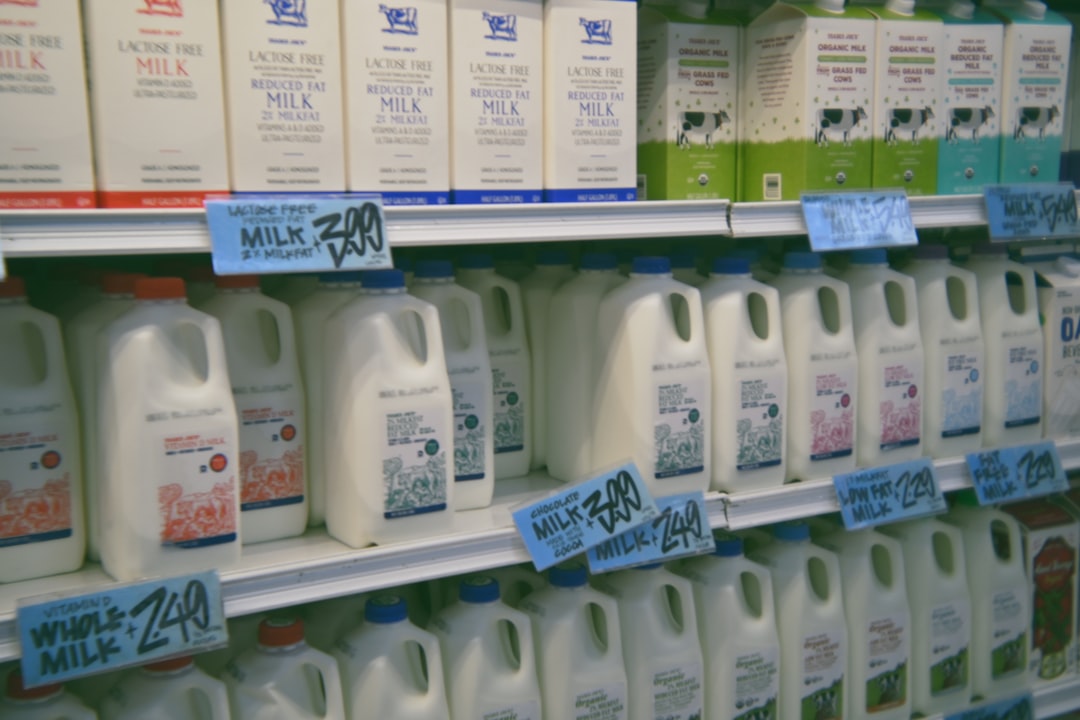
The modern beverage aisle presents a dizzying array of choices, with dairy milk, long the undisputed king, now facing significant competition from plant-based alternatives. Among these, fortified soy milk has emerged as a prominent contender, often lauded for its nutritional profile. This article undertakes a comprehensive comparison of fortified soy milk and dairy milk, examining their respective nutritional merits across key macronutrients, micronutrients, and other relevant dietary considerations. The aim is to provide an objective overview to inform consumer choices.
When considering the nutritional benefits of fortified soy milk compared to traditional dairy, it’s essential to explore various perspectives on this topic. A related article that delves into the differences in nutritional profiles, health benefits, and potential drawbacks of both options can be found at this link. This resource provides valuable insights for those looking to make informed dietary choices.
Macronutrient Profiles: A Foundation of Difference
The fundamental building blocks of any food, macronutrients – carbohydrates, proteins, and fats – form the initial point of divergence between fortified soy milk and dairy milk. Understanding these differences is crucial for individuals managing dietary intake for energy, muscle synthesis, and overall health.
Carbohydrate Content and Glycemic Impact
Dairy milk typically contains lactose, a disaccharide that contributes to its carbohydrate content. The amount of carbohydrates can vary slightly between whole, reduced-fat, and skim milk, but generally ranges from 10-13 grams per 8-ounce serving. Lactose can be a concern for individuals with lactose intolerance or sensitivity, leading to digestive distress. The glycemic index (GI) of dairy milk is generally considered low to moderate, meaning it causes a relatively slow rise in blood sugar levels.
Fortified soy milk, on the other hand, exhibits a different carbohydrate profile. Unsweetened varieties are often very low in carbohydrates, sometimes containing less than 1 gram per serving. This can be a significant advantage for individuals managing blood sugar levels, such as those with diabetes or seeking to avoid rapid insulin spikes. Sweetened versions, however, can contain added sugars, which can significantly increase the carbohydrate count and impact blood sugar response. Consumers should carefully check the nutrition labels for added sugars. The absence of lactose in soy milk makes it a suitable option for individuals with lactose intolerance.
Protein Quality and Quantity
Protein is a vital macronutrient for muscle repair, growth, and numerous physiological functions. Dairy milk is renowned for its complete protein profile, meaning it contains all nine essential amino acids in proportions that the human body can effectively utilize. It typically provides around 8 grams of protein per 8-ounce serving. This protein is broadly categorized into casein and whey, each with distinct absorption rates and potential health benefits.
Soy milk also offers a substantial protein contribution, typically around 6-8 grams per 8-ounce serving for fortified varieties. Crucially, soy protein is considered a complete protein, mirroring dairy milk in its essential amino acid profile. This completeness makes it a valuable protein source for vegetarians, vegans, and individuals seeking to reduce their dairy intake. The amino acid composition of soy protein is comparable to that of animal proteins, although there are minor differences in certain amino acids. Research suggests that soy protein can support muscle protein synthesis, comparable to animal-based proteins, although some studies have explored potential differences in absorption or efficacy depending on specific dietary contexts.
Fat Content and Composition
The fat content of dairy milk varies significantly depending on the fat percentage: whole milk contains approximately 8 grams of fat, reduced-fat milk around 5 grams, and skim milk less than 1 gram per 8-ounce serving. Dairy fat is a source of saturated fatty acids, which have been a subject of considerable dietary debate. It also contains some monounsaturated and polyunsaturated fats. The cholesterol content of dairy milk is also a consideration for some individuals, with whole milk containing a notable amount.
Fortified soy milk generally contains less fat than whole or even reduced-fat dairy milk, typically ranging from 1-3 grams per 8-ounce serving, primarily from polyunsaturated and monounsaturated fatty acids. This fat profile is often considered more favorable from a cardiovascular health perspective, as it is lower in saturated fat and contains beneficial unsaturated fats. Soy milk is naturally cholesterol-free, which is an advantage for individuals monitoring their cholesterol intake. The type of fat present in soy milk, largely unsaturated, aligns with dietary recommendations for heart health, contributing to a lower risk profile for cardiovascular disease.
Micronutrient Powerhouse: Vitamins and Minerals
Beyond macronutrients, the micronutrient composition of fortified soy milk and dairy milk reveals further distinctions, particularly in areas where fortification plays a significant role.
Calcium: Bone Health’s Cornerstone
Dairy milk has long been recognized as a primary source of calcium, essential for bone development and maintenance. An 8-ounce serving of dairy milk typically provides around 300 milligrams of calcium, which is about 25-30% of the recommended daily intake (RDI) for adults. The calcium in dairy milk is also readily absorbed by the body, due to the presence of lactose and vitamin D, which is often naturally present or added to dairy milk.
Fortified soy milk can offer comparable, and in some cases, even higher amounts of calcium than dairy milk, with many brands fortifying their products to contain 300 milligrams or more per 8-ounce serving. However, the bioavailability of calcium from fortified soy milk can be influenced by the presence of phytates, compounds found in soybeans that can inhibit calcium absorption. Despite this, modern fortification techniques and formulation adjustments aim to optimize calcium absorption from soy milk. Consumers should verify the calcium content on the product label, as fortification levels can vary between brands. The effectiveness of calcium absorption from fortified soy milk is a subject of ongoing research, but it is generally considered a good source when adequately fortified and consumed as part of a balanced diet.
Vitamin D: The Sunshine Nutrient and Its Role in Calcium Absorption
Vitamin D plays a crucial role in calcium absorption and bone health. Dairy milk is often fortified with vitamin D, and an 8-ounce serving typically contains around 100-120 IU (International Units), which is about 15-20% of the RDI. This fortification is important for ensuring adequate vitamin D intake, especially in regions with limited sun exposure.
Fortified soy milk also typically includes vitamin D fortification, often to levels comparable to or exceeding those found in dairy milk, with many brands providing around 120 IU per 8-ounce serving. The inclusion of vitamin D in fortified soy milk is essential for maximizing the absorption of its added calcium, ensuring it effectively contributes to bone health. The synergistic effect of calcium and vitamin D is a key nutritional characteristic of both fortified dairy and soy milk.
Vitamin B12: A Critical Nutrient for Neurological Function
Vitamin B12 is a vital nutrient for nerve function and the formation of red blood cells. It is naturally found in animal products, including dairy milk. An 8-ounce serving of dairy milk typically provides about 1.2 micrograms of vitamin B12, which is around 50% of the RDI.
Vitamin B12 is not naturally present in soybeans, meaning that its presence in soy milk is entirely due to fortification. Many fortified soy milk brands include vitamin B12, often at levels that meet or exceed the RDI, providing approximately 2-3 micrograms per 8-ounce serving. This makes fortified soy milk a valuable source of vitamin B12 for individuals who exclude all animal products from their diet, particularly vegans, and are therefore at risk of deficiency if not adequately supplemented.
Other Micronutrients: A Spectrum of Contributions
Both dairy milk and fortified soy milk offer a range of other micronutrients, with varying levels of significance.
Riboflavin (Vitamin B2)
Dairy milk is a good natural source of riboflavin, an important B vitamin involved in energy metabolism. An 8-ounce serving provides approximately 0.4 milligrams, contributing roughly 30% of the RDI. Fortified soy milk generally contains similar or slightly lower amounts of riboflavin, again primarily due to fortification.
Potassium
Potassium is an electrolyte essential for maintaining fluid balance, nerve signals, and muscle contractions. Dairy milk contains a moderate amount of potassium, around 350-400 milligrams per 8-ounce serving. Soy milk also provides potassium, with amounts varying based on fortification and processing, but often comparable to dairy milk.
Phosphorus
Phosphorus works with calcium to build strong bones and teeth. Dairy milk is a significant source of phosphorus, offering around 250 milligrams per 8-ounce serving. Fortified soy milk also contains phosphorus, with levels that can be similar to dairy milk due to its presence in soybeans.
Iron
Iron is crucial for oxygen transport in the blood. Dairy milk contains negligible amounts of iron. Soybeans themselves are a source of iron, and thus soy milk, especially fortified varieties, can contribute a small amount of iron, ranging from 0.5 to 1 milligram per 8-ounce serving. However, for individuals requiring substantial iron intake, other dietary sources are typically necessary.
Beyond the Primary Nutrients: Emerging Considerations

Several other factors contribute to the nutritional assessment of both beverage types, extending beyond the core macronutrient and micronutrient breakdown.
Phytoestrogens in Soy Milk: Examining the Evidence
Soy milk contains isoflavones, a type of plant compound known as phytoestrogens. These compounds have a molecular structure similar to human estrogen and can bind to estrogen receptors in the body. The potential health effects of phytoestrogens have been a subject of extensive research and public discussion, with some concerns raised regarding their impact on hormone balance, particularly in relation to breast cancer risk and reproductive health.
However, the majority of scientific evidence, particularly from large-scale epidemiological studies and meta-analyses, does not support a link between moderate soy consumption and an increased risk of breast cancer in women. In fact, some research even suggests a potential protective effect. The effects of phytoestrogens can be complex and may vary depending on individual genetic factors, age, and the amount consumed. For the general population, moderate consumption of soy milk is generally considered safe and potentially beneficial. Individuals with specific health concerns or a history of hormone-sensitive conditions should consult with a healthcare professional regarding their soy intake.
Lactose Intolerance and Digestive Health
As previously mentioned, lactose intolerance is a widespread condition characterized by the inability to fully digest lactose, leading to symptoms such as bloating, gas, and diarrhea. Dairy milk is a significant trigger for individuals with this condition. Fortified soy milk, being naturally lactose-free, offers a direct and effective alternative, alleviating digestive discomfort for many.
Furthermore, some individuals may experience digestive issues with dairy milk without a formal diagnosis of lactose intolerance, possibly due to sensitivities to other components. In such cases, soy milk can provide a gentler option.
Allergies: A Critical Distinction
Milk allergy, distinct from lactose intolerance, is an immune system response to proteins in cow’s milk. It is more common in infants and young children but can persist into adulthood. Symptoms can range from mild skin reactions to severe anaphylaxis. For individuals with a confirmed milk allergy, dairy milk is strictly contraindicated.
Soy allergy is also a possibility, although generally less common than milk allergy. Individuals with a soy allergy must avoid soy milk and other soy-based products. It is important for consumers to be aware of potential allergens and to read ingredient labels carefully to avoid adverse reactions.
When considering the nutritional benefits of fortified soy milk compared to traditional dairy, it’s important to explore various perspectives on the topic. A related article that delves into the differences in nutrient profiles and health implications can be found at Hey Did You Know This. This resource provides valuable insights that can help individuals make informed choices about their dietary preferences, especially for those who are lactose intolerant or seeking plant-based alternatives.
Fortification: A Strategic Enhancement of Soy Milk
| Nutrient | Fortified Soy Milk | Dairy Milk |
|---|---|---|
| Protein | 7g | 8g |
| Calcium | 300mg | 300mg |
| Vitamin D | 120IU | 120IU |
| Calories | 80 | 90 |
The term “fortified” is critical when discussing soy milk’s nutritional standing. Soybeans naturally contain certain nutrients, but fortification strategically enhances certain micronutrients to bring them to par with, or even surpass, dairy milk’s contributions.
The Role of Fortification in Matching Dairy’s Nutritional Profile
Fortification is the primary mechanism by which soy milk bridges nutritional gaps and offers a competitive alternative to dairy. Without it, soy milk would be significantly lower in calcium, vitamin D, and vitamin B12. Manufacturers carefully select fortification levels to ensure that their product can serve as a viable source of these essential nutrients. This strategic addition allows fortified soy milk to offer a compelling nutritional package for a broad range of dietary needs and preferences. The process involves adding specific vitamins and minerals to the base soy beverage.
Considerations for Fortified Soy Milk: Consistency and Bioavailability
While fortification aims to replicate or enhance nutrient levels, some considerations remain. The consistency of fortification across different brands and batches can vary, prompting consumers to rely on accurate nutrition labeling. Furthermore, as touched upon with calcium, the bioavailability of certain fortified nutrients from soy milk can be influenced by various factors, including the presence of anti-nutrients like phytates or the overall composition of the beverage. Research continues to explore optimal fortification strategies to maximize nutrient absorption from plant-based beverages.
Conclusion: Informed Choices for Diverse Needs
The comparison between fortified soy milk and dairy milk reveals that both beverages offer distinct nutritional advantages, catering to different dietary needs, preferences, and health concerns. Dairy milk remains a natural powerhouse of protein and calcium, with beneficial effects on bone health attributed to its complete nutrient profile. However, its lactose content poses a challenge for a significant portion of the population.
Fortified soy milk, through strategic fortification, effectively addresses many of dairy milk’s nutritional contributions, particularly in calcium, vitamin D, and vitamin B12. Its lactose-free nature makes it an excellent alternative for those with lactose intolerance. The plant-based protein and unsaturated fat profile also align with current dietary recommendations for heart health.
Ultimately, the choice between fortified soy milk and dairy milk is not a matter of definitive superiority but rather a personalized decision based on individual circumstances. Factors such as lactose tolerance, allergies, dietary patterns (e.g., vegetarian, vegan), personal health goals, and even taste preferences should guide the consumer. Both beverages, when consumed as part of a balanced diet, can contribute to overall health and well-being, offering diverse avenues for nutrient intake in a modern food landscape. Understanding the nutritional nuances of each empowers individuals to make informed choices that best support their unique dietary requirements.
FAQs
What are the nutritional differences between fortified soy milk and dairy milk?
Fortified soy milk and dairy milk have different nutritional profiles. Dairy milk is a good source of calcium, vitamin D, and protein, while fortified soy milk is a good source of plant-based protein, and is often fortified with calcium, vitamin D, and other nutrients.
Is fortified soy milk a good alternative for people with lactose intolerance?
Yes, fortified soy milk can be a good alternative for people with lactose intolerance, as it is lactose-free and can provide similar nutrients to dairy milk when fortified.
Which type of milk is better for people with dairy allergies?
For people with dairy allergies, fortified soy milk can be a better option as it is free from dairy proteins that can trigger allergic reactions.
Can fortified soy milk be a suitable option for vegans and vegetarians?
Yes, fortified soy milk can be a suitable option for vegans and vegetarians as it provides a source of plant-based protein and can be fortified with essential nutrients such as calcium and vitamin D.
Are there any potential drawbacks to consuming fortified soy milk over dairy milk?
Some potential drawbacks of consuming fortified soy milk over dairy milk include the presence of phytoestrogens in soy, which may have hormonal effects, and the need to ensure that the soy milk is fortified with essential nutrients to match the nutritional content of dairy milk.