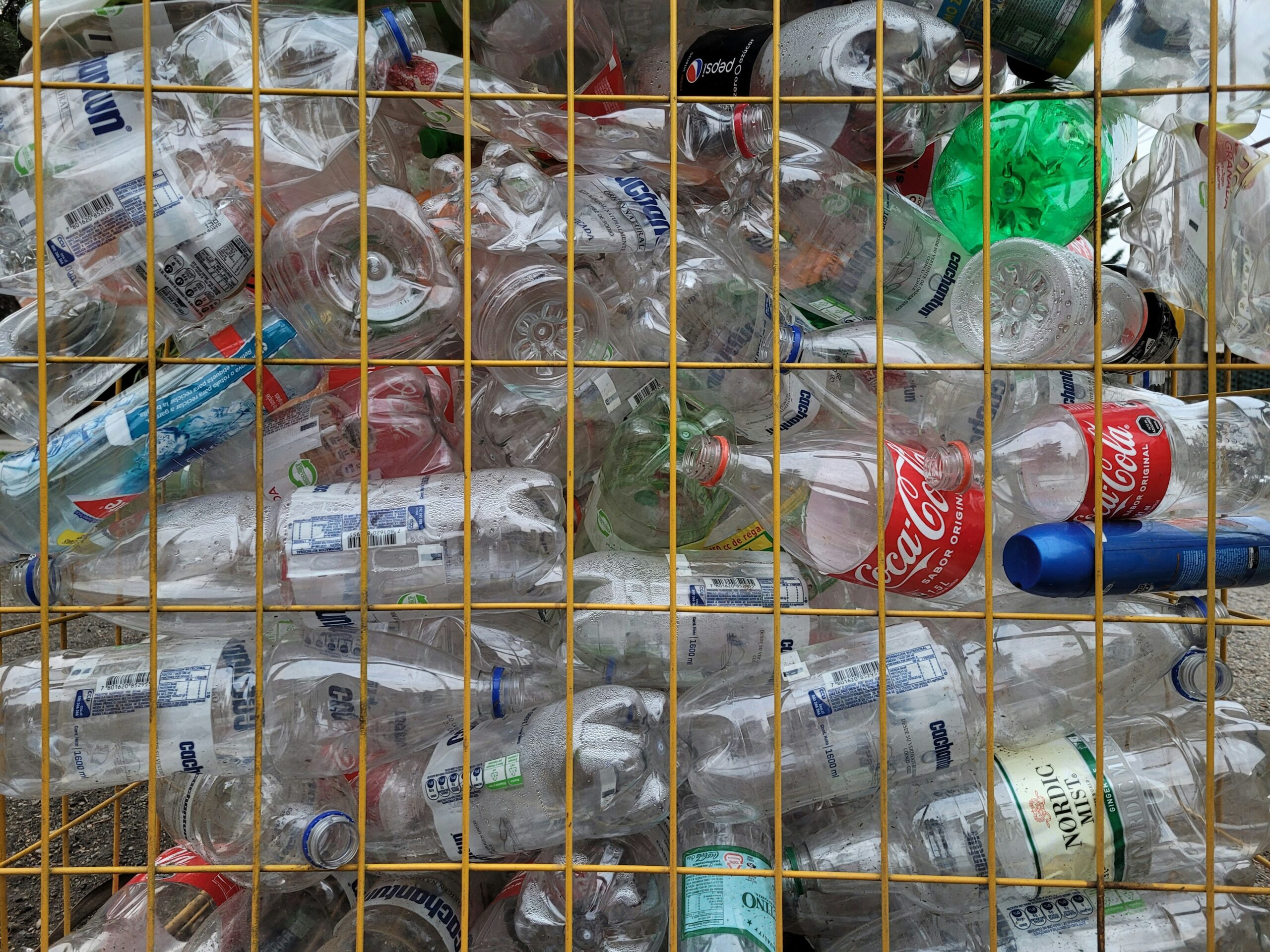
You’ve dutifully sorted your plastic bottles, rinsed your containers, and carefully placed them in the blue bin. You’ve bought into the narrative, the comforting idea that your actions, however small, contribute to a cleaner planet and a more sustainable future. But what if that narrative, the one that fuels your diligent recycling efforts, is fundamentally flawed? What if the promise of plastic recycling, as presented to you, is a carefully constructed illusion, a consumer scam that benefits powerful industries at your expense?
You’ve been told recycling is a simple, linear process: consumer uses product, consumer recycles product, product becomes new product. This is the story sold to you, the consumer, to encourage participation and alleviate the guilt associated with single-use plastics. The reality, however, is far more opaque and convoluted, and often, deeply disappointing. Your carefully sorted plastics are not necessarily becoming the new products you imagine.
The Global Trade in Waste: A Convenient Export
For decades, a significant portion of the world’s plastic waste has been exported, primarily to countries in Asia. You might have pictured your plastic being processed locally, supporting domestic jobs and infrastructure. Instead, it has often been shipped thousands of miles away. This practice, while appearing to solve the waste problem at home, effectively offloads the environmental burden onto less regulated regions.
The “China Ban” and its Aftermath
You remember the news: China, once the world’s largest importer of plastic waste, implemented a ban on many types of recycled materials. This was heralded by some as a victory for environmental responsibility. However, this ban didn’t make the plastic disappear. It simply redirected the flow to other countries – Vietnam, Malaysia, Thailand, and others – that were often ill-equipped to handle the sheer volume and toxicity of the incoming waste. This shift exposed the fragility of the global recycling system and the reliance on developing nations to absorb the West’s refuse.
The “Wishcycling” Phenomenon: Good Intentions, Bad Outcomes
You’ve likely experienced “wishcycling.” You aren’t entirely sure if a particular item is recyclable, but you toss it into the bin anyway, hoping for the best. This well-intentioned act, compounded by millions of others, contaminates recycling streams. It increases the cost of sorting and processing, making it more likely that your efforts will end up in landfill or incineration. You’re essentially adding to the problem, despite your best efforts.
Contamination Blunders
The presence of non-recyclable items like plastic bags, food-soiled containers, or electronics can render entire batches of plastic unusable. This contamination translates directly into economic losses for recycling facilities, making the entire endeavor less viable. Your pizza box, even if the cardboard is partially recyclable, becomes a contaminant if the grease permeates the plastic lining.
The Low Value of Recycled Plastic: A Market Undermined
You might assume that recycled plastic is a valuable commodity, easily integrated back into the manufacturing cycle. While this is the ideal, in practice, the economics often don’t add up. Virgin plastic, derived from fossil fuels, is often cheaper to produce than recycled plastic. This price disparity directly impacts the demand for recycled materials, creating a surplus that further strains the recycling system.
The Fossil Fuel Connection
The petroleum industry, which profits handsomely from the extraction and processing of virgin plastic, has a vested interest in maintaining this price advantage. They are not incentivized for their products to be readily recycled and replaced by recycled alternatives. In fact, a robust and thriving recycling market could potentially erode their market share.
Many consumers believe that recycling plastic is a viable solution to the global plastic crisis, but a thought-provoking article titled “Why Plastic Recycling is a Consumer Scam” challenges this notion. The article delves into the complexities of the recycling process, revealing that a significant portion of plastic waste is not actually recycled but instead ends up in landfills or the ocean. For more insights on this pressing issue, you can read the full article here: Why Plastic Recycling is a Consumer Scam.
The Illusion of Circularity: A Linear Problem Dressed Up
You’ve been sold the concept of a “circular economy,” where resources are continuously reused and recycled. This is a compelling vision, but when it comes to plastic, the reality is far from closed-loop. The vast majority of plastic products are designed for single use, not for longevity or easy recyclability.
The “Downcycling” Reality: Not All Recycling is Equal
You might imagine your plastic bottle being transformed back into another bottle. While this does happen, it’s not the most common outcome. Many types of plastic undergo “downcycling,” where they are processed into lower-value products with a reduced lifespan. Think of plastic lumber, park benches, or carpets. While these items serve a purpose, they are not truly closing the loop in the way that a bottle-to-bottle transformation would.
The Degradation of Polymers
Plastic polymers, by their very nature, degrade with each recycling process. They become shorter, weaker, and less pure. This means that over time, plastic can only be recycled a limited number of times before it is no longer suitable for remanufacturing into quality products. You’re not creating an infinite resource; you’re extending a finite one by a few cycles, at best.
The Complexity of Plastic Types: A Sorting Nightmare
You’ve seen the Resin Identification Codes (RICs) – those little numbers inside chasing arrows. You might assume these are a foolproof guide to recyclability. However, the system is far from straightforward. Different municipalities have different rules about what they accept, and even within a single type of plastic, there can be variations in additives and colorants that affect its recyclability.
The Problem of Composite Materials
Many products are made from a combination of different plastics, or plastics combined with other materials like foil or paper. These composite materials are extremely difficult, if not impossible, to separate and recycle effectively. Your multi-layered snack wrapper, for example, is a prime example of this challenge.
The Chemical Recycling Mirage: A Technological Panacea?
In the face of mounting plastic waste, the concept of “chemical recycling” has emerged as a potential solution. This process breaks down plastic polymers into their chemical building blocks, which can then be used to create new plastics or other chemical products. It sounds promising, offering a way to handle mixed or contaminated plastics that are difficult to recycle mechanically. However, the reality is far more complex and the “solution” comes with significant caveats.
The Energy and Environmental Costs
Chemical recycling is an energy-intensive process. It requires significant amounts of heat and often special catalysts. The energy inputs, which may themselves be derived from fossil fuels, can offset much of the environmental benefit. Furthermore, the process can release harmful byproducts into the air and water if not strictly regulated.
Unproven Scalability and Economic Viability
While chemical recycling shows promise in laboratory settings, scaling it up to an industrial level presents significant challenges. The technology is still relatively new, and its long-term economic viability remains uncertain. The cost of setting up and operating these facilities, coupled with the price of virgin plastic, could make them uncompetitive. You might be sold a vision of future solutions while the present problem continues to fester.
The “Greenwashing” Potential
The term “chemical recycling” itself can be used as a form of greenwashing. Companies may promote their chemical recycling initiatives to appear environmentally responsible, even if the actual volume of plastic processed is minimal or the environmental benefits are questionable. You are being sold a narrative of progress that may not reflect the on-the-ground reality.
The Chemical Industry’s Role
It’s important to note that the chemical industry, a major producer of plastics, is heavily invested in chemical recycling. This creates a potential conflict of interest, as they benefit from the continued production and consumption of plastics, even as they promote recycling as a solution to the problems they help create.
The Root of the Problem: A System Built on Single-Use
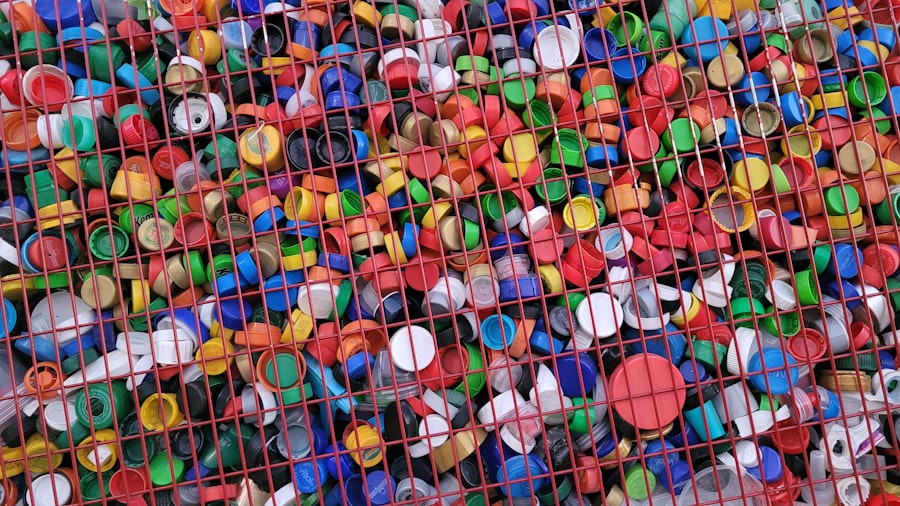
The fundamental flaw in the plastic recycling narrative is that it attempts to manage the symptom – the waste product – rather than addressing the root cause: the pervasive reliance on single-use plastics. The system is designed for convenience and disposability, not for sustainability.
The Convenient Deception: Blaming the Consumer
By focusing on your individual recycling efforts, the narrative conveniently shifts the burden of responsibility away from the producers who design, manufacture, and profit from these products. You are encouraged to feel guilt and then empowered by the act of recycling, effectively becoming a pawn in a larger game.
The Lack of Producer Responsibility
In many regions, there are insufficient regulations holding plastic producers accountable for the end-of-life management of their products. This encourages a “take-make-dispose” model, where the environmental consequences are externalized. You are left to deal with the fallout.
The Economic Incentives for Virgin Plastic
As mentioned earlier, the economic landscape heavily favors the production and sale of virgin plastic. Subsidies for the fossil fuel industry, coupled with the fluctuating and often low cost of virgin plastic, create a system where recycling is often economically uncompetitive.
The Lobbying Power of the Petrochemical Industry
The petrochemical industry wields significant lobbying power, influencing legislation and public discourse to maintain its dominance. This includes shaping the narrative around plastic recycling, often promoting solutions that keep their products in circulation.
The Design for Disposability Culture
You live in a society that has become accustomed to disposable products. From takeaway coffee cups to single-use cutlery, convenience often trumps sustainability. This ingrained culture makes it difficult to shift towards a more circular and reusable economy.
The Marketing of Convenience
Marketing campaigns often emphasize the ease and convenience of single-use products, further entrenching this culture. You are encouraged to embrace disposability as a sign of modernity and efficiency.
Many consumers believe that recycling plastic is an effective way to combat environmental issues, but a thought-provoking article suggests that this practice may actually be a consumer scam. The piece highlights how only a small percentage of plastic is truly recycled, with much of it ending up in landfills or the ocean despite our best efforts. For a deeper understanding of this troubling reality, you can read more in this insightful article here.
Breaking the Cycle: Beyond the Recycling Bin
| Reasons | Explanation |
|---|---|
| Limited recyclability | Many types of plastic are not easily recyclable and end up in landfills or incinerators. |
| Contamination | Plastic recycling is often contaminated with non-recyclable materials, making the process inefficient. |
| Exporting to other countries | Some countries export their plastic waste to other countries, leading to environmental and social issues. |
| Low demand for recycled plastic | There is limited demand for recycled plastic, making it economically unviable for many recycling facilities. |
| Greenwashing | Some companies use plastic recycling as a marketing tactic without making significant environmental impact. |
Given the inherent limitations and the often misleading narrative surrounding plastic recycling, it’s crucial to recalibrate your understanding and shift your focus from simply “recycling” to a more holistic approach. The promise of mass recycling is, for many plastics, a false one that distracts from more impactful solutions.
Embracing Reduction and Reuse: The True Circularity
The most effective way to combat plastic waste is to reduce its consumption in the first place. This means actively choosing reusable alternatives over single-use options. Think reusable bags, water bottles, coffee cups, and food containers.
Supporting Businesses Committed to Reuse Models
You have the power to influence the market by supporting businesses that prioritize reusable packaging and offer refillable options. Your consumer choices send a powerful message to the industry.
Advocating for Systemic Change: Policy and Producer Responsibility
Individual actions are important, but true change requires systemic reform. You need to advocate for policies that hold plastic producers accountable for their products’ entire lifecycle. This includes Extended Producer Responsibility (EPR) schemes, bans on unnecessary single-use plastics, and investment in reusable infrastructure.
Demanding Transparency and Accountability
You deserve transparency about where your recycled plastic actually goes and what it is transformed into. Demand that companies be upfront about their recycling rates and the true environmental impact of their products.
Rethinking Your Relationship with Plastic: A Conscious Consumption
Ultimately, breaking free from the plastic recycling scam requires a fundamental shift in your relationship with plastic. It means questioning the necessity of every plastic item you encounter and making conscious choices to reduce your reliance on it. The blue bin is not a magic bullet; it is a small piece of a much larger, often broken, puzzle. Your true power lies in demanding a system that doesn’t rely on the illusion of easy disposal.
FAQs
What is the current state of plastic recycling?
Plastic recycling is facing significant challenges due to the low demand for recycled plastic, limited infrastructure for recycling, and the complexity of sorting and processing different types of plastic.
Why is plastic recycling considered a consumer scam?
Plastic recycling is considered a consumer scam because many consumers believe that by diligently recycling their plastic waste, they are contributing to a sustainable solution. However, the reality is that a large portion of plastic waste is not effectively recycled and often ends up in landfills or incinerators.
What are the limitations of plastic recycling?
The limitations of plastic recycling include the high cost of recycling compared to producing new plastic, the lack of consistent and widespread recycling infrastructure, and the difficulty in effectively sorting and processing different types of plastic.
What are the alternatives to plastic recycling?
Alternatives to plastic recycling include reducing the use of single-use plastics, promoting the use of biodegradable and compostable materials, and investing in innovative technologies for plastic waste management such as chemical recycling and waste-to-energy processes.
What can consumers do to address the issue of plastic waste?
Consumers can address the issue of plastic waste by reducing their consumption of single-use plastics, supporting businesses and policies that promote sustainable packaging and waste management, and advocating for improved recycling infrastructure and technologies.