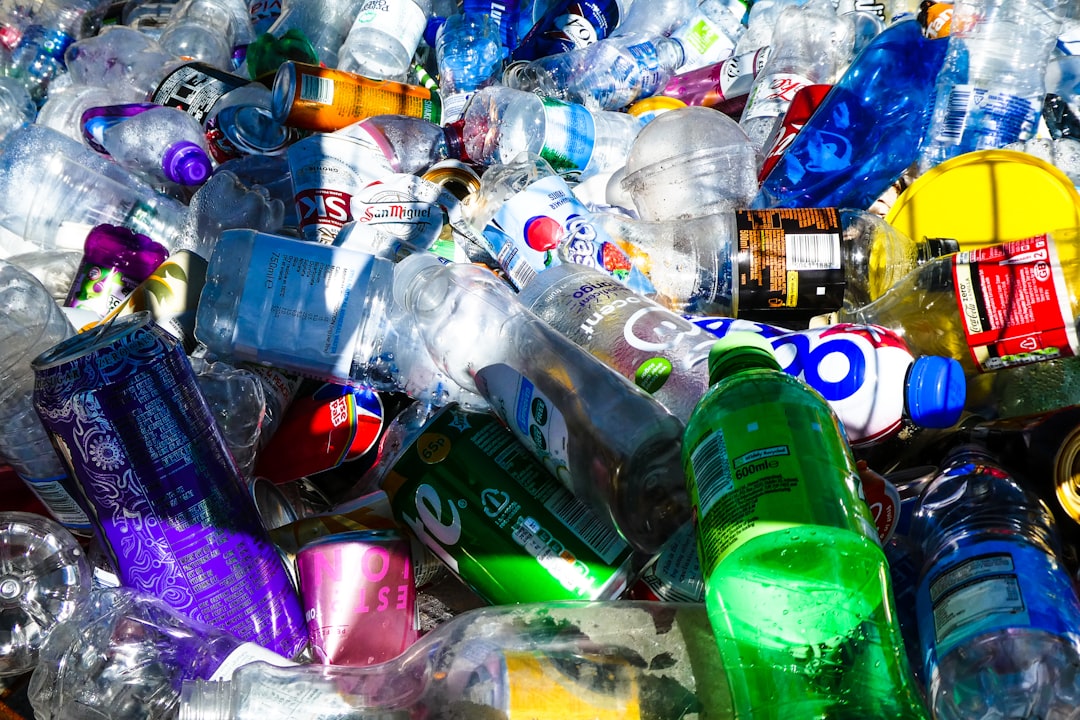
You’ve undoubtedly seen the advertisements. Bright, cheerful imagery of smiling faces, pristine beaches, and a planet reborn. Big Oil, the behemoths of fossil fuel extraction and refinement, wants you to believe they are part of the solution, champions of a circular economy. They fund recycling initiatives, emblazon their products with recycling symbols, and broadcast messages about their commitment to sustainability. But the reality, as you’ll discover, is far more complex and, frankly, deceptive.
You are being sold a dream: that the plastic you diligently sort and place in the recycling bin is destined for a new life, seamlessly rejoining the material loop. Big Oil, the primary producer of virgin plastics, has a vested interest in perpetuating this narrative. However, the evidence suggests that the promise of a truly circular plastic economy remains largely aspirational, hobbled by systemic flaws and a deliberate lack of investment in genuine circularity by the very industries that profit from plastic production.
What “Recycling” Really Entails
You might imagine a pristine process where old bottles are melted down and transformed into identical new ones, or perhaps into durable goods like park benches or clothing fibers. While some plastic can be recycled, the reality is a highly fragmented and often downcycling process.
The Downcycling Dilemma
The most common form of plastic recycling is downcycling. This means that recycled plastic is generally of lower quality than virgin plastic. Think of a plastic milk jug, made from high-density polyethylene (HDPE). When recycled, it might become a park bench or playground equipment, materials where the precise structural integrity and purity of the original plastic are less critical. It’s unlikely to be transformed back into another food-grade container. This is because repeated heating and processing degrade the polymer chains, making them weaker and more brittle.
The Limited Scope of Recyclability
Not all plastics are created equal when it comes to recyclability. Many common plastic items are made from mixed materials or have dyes and additives that make them difficult or impossible to separate and reprocess economically. You’re probably familiar with the recycling symbols – those chasing arrows with a number inside. These numbers simply denote the type of plastic resin, not necessarily its recyclability in your local program. Small, flexible plastics, films, and many types of packaging are seldom, if ever, recycled in practice. Your local recycling facility likely rejects a significant portion of what you put in the bin.
The Economics of Virgin Plastic Production
The fundamental challenge to plastic recycling is that producing virgin plastic from fossil fuels is often cheaper and more straightforward than collecting, sorting, and re-processing post-consumer plastic.
The Competitive Disadvantage of Recycled Plastic
When you consider the entire lifecycle, from extraction and refinement to transportation and manufacturing, virgin plastic production is a deeply entrenched, highly optimized, and cost-effective industry. The resources and infrastructure are already in place, subsidies often exist, and the petrochemical industry has perfected its methods over decades. Recycled plastic, on the other hand, faces significant logistical hurdles and often requires more energy and complex processing to achieve a usable product. This makes it a less attractive option for manufacturers when cost is the primary driver.
The Role of Subsidies and Tariffs for Fossil Fuels
Exacerbating this imbalance are the indirect and direct subsidies that fossil fuel industries often receive. From tax breaks to land leases, these create an artificial cost advantage for virgin plastic production, further undermining the economic viability of recycling. Tariffs on imported recycled materials can also hinder the development of a robust recycling market.
In recent years, the narrative surrounding recycling has come under scrutiny, particularly in relation to the oil industry’s influence on public perception. An insightful article titled “How Big Oil Fooled Us with Recycling” delves into the ways in which major oil companies have shaped recycling practices to serve their interests rather than the environment. This piece highlights the manipulation of recycling messaging and the impact it has had on waste management policies. For more information, you can read the article here: How Big Oil Fooled Us with Recycling.
The Marketing Magic: Greenwashing at Scale
Big Oil has mastered the art of public relations, using carefully crafted campaigns to position themselves as environmental stewards. This strategy, known as greenwashing, aims to create a positive public perception without necessarily enacting substantial changes to their core business practices.
The Art of Diversion: Focusing on Recycling, Ignoring Production
You’ve likely seen their advertisements highlighting their involvement in recycling initiatives or their investments in new recycling technologies. This is a deliberate strategy to shift your attention away from their primary role as the producers of the raw materials for plastic in the first place.
The Triviality of Their Recycling Investments
While some investments in recycling research and infrastructure are real, they often represent a minuscule fraction of these companies’ overall capital expenditure. The amount spent on lobbying against environmental regulations or on expanding fossil fuel extraction far outweighs their contributions to a truly circular economy. You’re seeing a rounding error presented as a solution.
Shifting Blame to the Consumer
By emphasizing your role in recycling, these companies subtly shift the responsibility for plastic pollution away from their production-centric business model and onto individual consumer behavior. They want you to feel empowered by sorting your waste, while they continue to churn out vast quantities of virgin plastic, knowing that much of it will never be effectively recycled.
The Promise of “Advanced Recycling”
In recent years, Big Oil has heavily promoted “advanced recycling” or “chemical recycling” as a panacea for plastic waste. This involves breaking down plastics into their molecular components, which can then be used to create new plastics. While promising in theory, its practical application and environmental benefits are still highly contested.
The Energy Intensity and Emissions of Chemical Recycling
Many chemical recycling processes are energy-intensive and can produce significant greenhouse gas emissions, potentially negating any environmental benefits. The energy required to break down plastic polymers can be substantial, often relying on fossil fuel-based energy sources. Moreover, the environmental footprint of the infrastructure needed for these advanced recycling plants is considerable.
The Limited Scale and Economic Viability
Currently, advanced recycling technologies are not widely scalable to handle the sheer volume of plastic waste generated globally. Furthermore, the economics of these processes are often unfavorable, requiring substantial investment and relying on the availability of specific types of plastic feedstock, which are not always readily accessible. You are often seeing pilot projects and optimistic projections rather than widespread, proven solutions.
The True Cost of Plastic: Externalized Environmental Damage
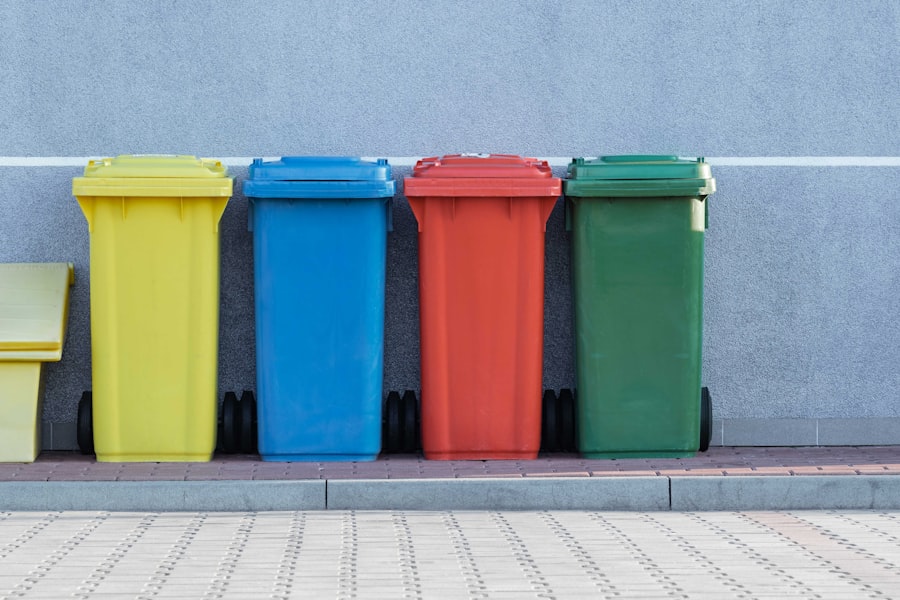
While Big Oil benefits from the profitable production of plastics, the environmental and social costs are often borne by communities and the planet. This externalization of costs is a fundamental aspect of their business model.
The Persistence of Plastic Waste
You witness the evidence of plastic pollution every day: litter on streets, plastic bags caught in trees, and microplastics in our waterways and oceans. The vast majority of plastic ever produced still exists in some form, as it degrades incredibly slowly.
The Environmental Burden on Landfills and Oceans
Even when collected, plastic waste overwhelms landfills, taking up valuable space and potentially leaching harmful chemicals into the soil and groundwater. When it escapes waste management systems, it accumulates in our oceans, forming massive garbage patches and harming marine life. You are seeing the physical embodiment of a linear economy – take, make, dispose.
The Unforeseen Consequences of Microplastics and Nanoplastics
The breakdown of larger plastic items creates microplastics and nanoplastics, which are now pervasive in our environment and have been found in our food, water, and even our bodies. The long-term health impacts of these tiny plastic particles are still largely unknown but are a growing cause for concern. You are, in essence, consuming the waste products of the petrochemical industry.
The Impact on Health and Communities
The extraction and processing of fossil fuels, the raw ingredients for plastics, have significant health and environmental impacts on the communities surrounding these facilities.
Pollution from Petrochemical Plants
Petrochemical plants, where plastics are manufactured, often release a cocktail of toxic chemicals into the air and water, contributing to respiratory illnesses, cancers, and other health problems in nearby populations. Oftentimes, these communities are disproportionately low-income and minority populations, further highlighting the inequity of the system.
The Cycle of Extraction and Depletion
The relentless demand for virgin plastics fuels the continued extraction of fossil fuels, perpetuating a cycle of environmental degradation and resource depletion. This approach is inherently unsustainable, as you cannot endlessly extract finite resources.
The Lobbying Power of “Big Oil”
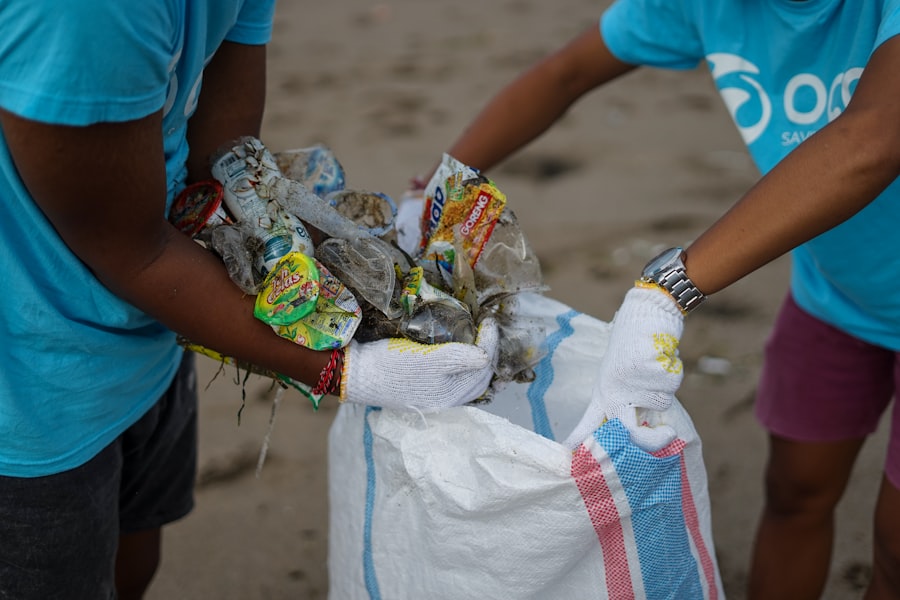
You might not see it directly, but the influence of Big Oil extends far beyond advertising. They actively lobby governments and policymakers to maintain favorable regulations and to resist policies that would promote genuine sustainability.
Shaping Legislation to Their Advantage
These powerful entities invest heavily in lobbying efforts to influence legislation related to environmental regulations, climate policy, and plastic waste management. Their goal is to ensure that policies do not hinder their profits or force them to significantly alter their business models.
Funding Think Tanks and Advocacy Groups
Big Oil also funds think tanks and industry-funded advocacy groups that produce research and promote narratives favorable to their interests. This can create a misleading impression of scientific consensus and public support for their agenda. You are often presented with curated information designed to obscure the full picture.
The Slow Pace of Policy Change
As a result of this considerable influence, meaningful policy changes that would truly address the plastic pollution crisis or transition away from fossil fuel dependence often face significant delays and watered-down compromises. The wheels of policy turn slowly, and Big Oil helps to grease them in their favor.
In recent discussions about environmental sustainability, a thought-provoking article highlights how big oil has misled the public regarding the effectiveness of recycling. The piece delves into the ways in which the oil industry has promoted recycling as a solution while simultaneously contributing to the ongoing plastic crisis. For more insights on this topic, you can read the full article here. This exploration reveals the complexities behind recycling initiatives and encourages a deeper understanding of the challenges we face in achieving true sustainability.
What You Can Do: Beyond the Recycling Bin
| Company | Recycling Claim | Reality |
|---|---|---|
| ExxonMobil | Claimed to recycle 100% of plastic waste | Only 9% of plastic waste recycled |
| Shell | Advertised as a leader in plastic recycling | Less than 1% of plastic recycled |
| BP | Promoted plastic recycling initiatives | Recycled less than 5% of plastic waste |
Given the limitations and deceptions surrounding plastic recycling, it’s crucial for you to look beyond the greenwashed rhetoric and adopt more impactful strategies for addressing plastic pollution.
Embracing the Reduce and Reuse Principles
The most effective way to combat plastic waste is to prevent its creation in the first place. This means prioritizing reduction and reuse over reliance on recycling.
Making Conscious Consumer Choices
You have the power of choice. Opt for products with minimal packaging, choose reusable alternatives to single-use items (like water bottles, coffee cups, and shopping bags), and support businesses that are committed to sustainable practices. Your purchasing decisions send a powerful message.
Supporting a Circular Economy Beyond Plastics
Encourage and support businesses and initiatives that are genuinely working towards a circular economy, focusing on durable goods, repairability, and closed-loop systems for materials other than just plastic. This might involve supporting local repair shops or investing in companies that offer product-as-a-service models.
Holding “Big Oil” Accountable
While individual actions are important, systemic change requires holding the primary producers of plastic accountable for their role in the pollution crisis.
Demanding Transparency and True Corporate Responsibility
You should demand greater transparency from Big Oil regarding their plastic production, their actual recycling investments, and their environmental impacts. Push for legislation that holds them responsible for the end-of-life management of the products they create.
Supporting Independent Journalism and Research
Stay informed by seeking out independent journalism and research that scrutinizes the practices of the petrochemical industry. Critical analysis is essential to cut through the marketing noise and understand the true scale of the problem and the responsibilities of those who profit from it. You are not alone in questioning the narrative. The fight for a sustainable future requires you to be informed and to demand more than just well-intentioned but ultimately insufficient recycling campaigns.
FAQs
What is the main argument of the article “How Big Oil Fooled Us with Recycling”?
The main argument of the article is that big oil companies have misled the public about the effectiveness of recycling in order to shift the blame for environmental damage away from their own industry.
How have big oil companies influenced public perception of recycling?
Big oil companies have funded and promoted campaigns that emphasize individual responsibility for recycling, while downplaying the role of the oil industry in producing and promoting single-use plastics.
What evidence is presented in the article to support the claim that big oil has misled the public about recycling?
The article presents evidence of internal industry documents and communications that reveal how big oil companies have strategically worked to undermine recycling efforts and shift the blame for environmental damage away from their own industry.
What are the potential consequences of big oil’s influence on recycling efforts?
The article suggests that big oil’s influence on recycling efforts has led to a focus on individual behavior rather than systemic change, which may hinder progress in addressing the environmental impact of single-use plastics and other oil-derived products.
What are some alternative solutions proposed in the article to address the issue of recycling and big oil’s influence?
The article proposes systemic changes such as extended producer responsibility, government regulation, and investment in alternative materials and recycling infrastructure as potential solutions to address the issue of recycling and big oil’s influence.