You wake up. The alarm blares, a jarring sound that pulls you from whatever brief unconsciousness offered respite. Rolling over, you reach for your phone on the bedside table. Your fingers brush against its smooth, plastic casing. This is your first encounter with plastic for the day, and you haven’t even left your bed. This seemingly innocuous interaction is a microcosm of a much larger, insidious process: the sneaky path of microplastics into your body.
You might think of plastic as something external, something you interact with. But increasingly, it’s becoming part of you, embedded within your tissues and organs, a constant, silent passenger. The ubiquity of plastic in modern life has led to an unseen invasion, a pervasive infiltration that raises significant health concerns. You’re not a passive observer in this; you are an active participant, though often unknowingly.
The sheer volume of plastic produced globally escalates each year. This material, designed for durability, degrades not into harmless organic compounds, but into ever-smaller pieces. These fragments, ranging from 5 millimeters down to less than a micrometer, are what we call microplastics. They are a persistent form of pollution, entering the environment through a multitude of channels, and ultimately, finding their way to you.
The world’s oceans have become a vast repository for plastic waste. From discarded fishing gear to single-use packaging that escapes landfill, a colossal amount of plastic finds its way into marine ecosystems. This is not a distant problem affecting only marine life; it has direct repercussions for your diet and the air you breathe.
Feeding the Fish, Feeding Yourself
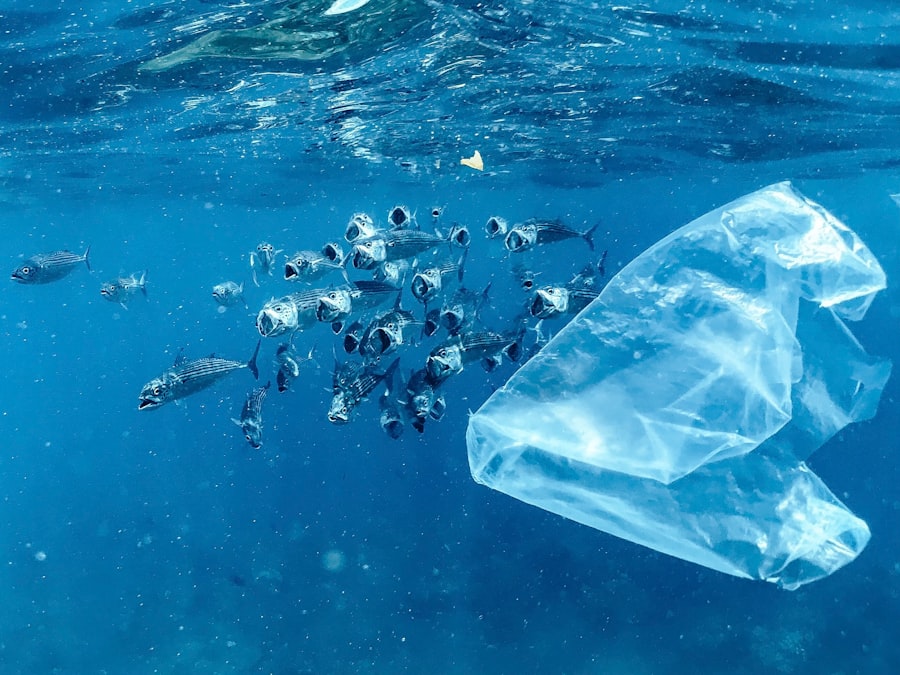
Marine organisms, from the smallest plankton to the largest whales, ingest microplastics. These tiny plastic particles can be mistaken for food or inadvertently consumed along with actual food sources.
Microplastics in the Food Chain
You might not be eating fish directly every day, but the seafood you consume, whether it’s shrimp, mussels, or larger fish, can contain microplastics. These ingested plastics accumulate in the digestive tracts and tissues of these animals. When you eat seafood, you are then consuming these plastic fragments, transferring them from the ocean’s food web into your own. This transfer is not a rare occurrence; studies have found microplastics in a significant percentage of commercially available fish and shellfish. The more you consume seafood, the higher your potential exposure.
The Bioaccumulation Effect
Beyond direct ingestion, there’s the issue of bioaccumulation. As smaller organisms consume microplastics, and larger organisms consume those smaller organisms, the concentration of microplastics can increase at higher trophic levels. This means that the fish you eat higher up the food chain might contain a greater density of microplastics than the smaller creatures they prey upon. You, as a consumer of these larger animals, are therefore exposed to a more concentrated dose.
From the Sea Air to Your Lungs
The ocean’s surface is a dynamic environment. Wind and wave action can release microplastics from the water into the atmosphere as aerosols. These airborne microplastics then travel considerable distances, settling on land and, importantly, being inhaled.
Atmospheric Transport of Microplastics
The phenomenon of microplastic transport via air currents is becoming increasingly understood. Microscopic plastic fibers from textiles, and fragments from the wear and tear of larger plastic debris, can become suspended in the air. These particles can travel globally, even to remote and seemingly pristine environments. You are breathing this air, and with it, you are inhaling these microscopic plastic invaders.
Direct Inhalation on Land
While the ocean is a major source, microplastics are also released into the atmosphere from land-based activities – the biodegradation of tires, the shedding of synthetic clothing fibers during washing, and the erosion of plastic waste. These airborne particles eventually settle, contaminating soil, water, and, most critically, the air you breathe in your homes and workplaces. The simple act of opening a window or spending time outdoors exposes you to this invisible pollutant.
Recent research has shed light on the alarming ways microplastics can enter the human body, raising concerns about their potential health impacts. A related article discusses various pathways through which these tiny particles infiltrate our systems, including ingestion through contaminated food and water, inhalation of airborne microplastics, and even dermal absorption. For more in-depth information on this pressing issue, you can read the article here: How Microplastics Enter the Human Body.
The Invisible Dust: Microplastics in Our Homes and Communities
Your home, often perceived as a sanctuary, is far from immune to microplastic contamination. From the clothes you wear to the dust that settles on your furniture, plastic is an ever-present component of your domestic environment.
Textile Shedding: A Constant Source
Synthetic fabrics, ubiquitous in modern clothing, bedding, and soft furnishings, are a significant source of microplastic shedding. Every time you wash these items, tiny plastic fibers are released into the wastewater.
Washing Machines as Microplastic Dispensers
Your washing machine, a seemingly mundane appliance, is a potent generator of microplastics. The friction and tumbling action during a wash cycle cause synthetic fibers to break off from clothing. These fibers, often measuring only a few millimeters or less, are then flushed down the drain, entering the sewage system and ultimately impacting waterways and potentially drinking water sources. Even if you don’t directly consume tap water contaminated with these fibers, they contribute to the broader environmental pollution that circles back to you.
Everyday Clothing and Fibers
Consider your wardrobe. A high percentage of modern clothing is made from synthetic materials like polyester, nylon, and acrylic. Each piece of clothing you wear is a potential source of microplastic fibers. When you move, when you rub against surfaces, even in the passive shedding of these fibers, you are releasing them into your environment, which you then inhabit.
Household Dust: A Microplastic Cocktail
The dust that accumulates in your home isn’t just organic matter. It’s a complex mixture, and microplastics are a significant and often overlooked component.
Sources of Household Microplastics
These microplastic particles in your dust come from various sources. They are the result of the breakdown of larger plastic items found in your home, such as furniture, carpets, children’s toys, and even the plastic components of electronics. They can also be tracked in from outside on shoes and clothing.
Inhalation and Ingestion of Dust
You are exposed to this household dust on a daily basis. When you stir up dust by cleaning or simply moving around, you inhale these microplastic particles directly into your respiratory system. They can also settle on surfaces you touch, and from there, they can be transferred to your mouth, leading to accidental ingestion. Children, who are often closer to the ground and more prone to putting objects in their mouths, are particularly at risk of ingesting household microplastics.
The Water We Drink: A Hidden Contaminant
Your tap water, a supposedly clean and essential resource, can also be a pathway for microplastics to enter your body. Despite rigorous filtration processes, microscopic plastic particles can still find their way through.
Municipal Water Treatment Challenges
Current water treatment processes are not always equipped to effectively remove all microplastics. While they are designed to remove larger debris and harmful microorganisms, the extremely small size of many microplastic particles makes them difficult to filter out.
Filtration Limitations
Conventional filtration methods, such as sand filters and membrane filtration, can remove some microplastics, but smaller particles, particularly those in the nanometer range, can pass through. Nanoplastics, which are even smaller than microplastics, are a growing concern, and their detection and removal from water are even more challenging. You may be drinking water that contains these invisible plastic invaders.
Bottled Water: Not a Plastic-Free Guarantee
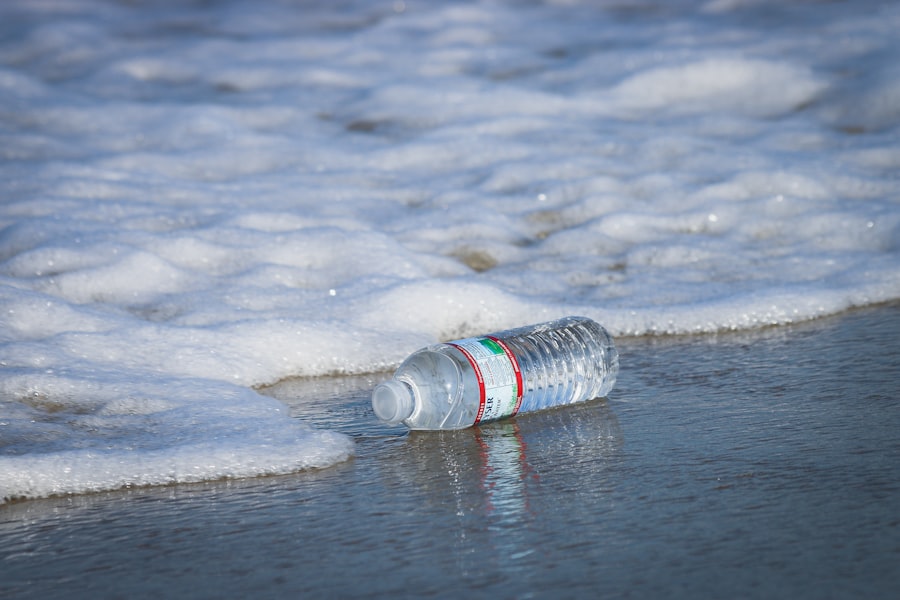
The perception that bottled water is a safer alternative to tap water is also being challenged. Studies have revealed that bottled water often contains higher concentrations of microplastics than tap water, likely due to the plastic bottles themselves releasing particles into the water. Even the act of opening and consuming bottled water can contribute to your microplastic intake.
Microplastics in Our Food Production
Beyond direct consumption of contaminated water, microplastics also infiltrate our agricultural systems. This contamination can then transfer to the food you eat.
Irrigation and Soil Contamination
Plastic mulch, widely used in agriculture to suppress weeds and retain moisture, breaks down over time, releasing microplastics into the soil. When crops are irrigated, these microplastics can be washed into waterways, eventually making their way back into the water cycle and potentially into your drinking water or food.
Microplastics in Processed Foods
The processing of food can also contribute to microplastic contamination. Equipment used in food manufacturing can shed plastic particles, and packaging materials themselves can release microplastics into the food product during storage and transport. This means even foods that haven’t been directly exposed to environmental pollution can carry a microplastic load.
Beyond Ingestion: Microplastics in the Air You Breathe
You might be focused on what you eat and drink, but the air you breathe is a surprisingly significant route for microplastic entry into your body. This is a more insidious pathway, as it bypasses some of your body’s natural defenses against swallowed contaminants.
Airborne Microplastics and Lung Deposition
The tiny size of many microplastic particles allows them to be readily inhaled into your lungs. Once inside, they can land on the delicate tissues of your respiratory system.
Direct Lung Exposure
As you inhale, microplastic particles, particularly smaller fragments and fibers, can reach deep into your lungs. These particles may not be easily expelled by your body’s natural clearing mechanisms, such as coughing or the action of cilia. This can lead to prolonged exposure and potential inflammation within the lung tissue.
Potential Respiratory Effects
The long-term consequences of microplastic deposition in the lungs are still being researched, but concerns include:
- Inflammation: The presence of foreign particles can trigger an inflammatory response in the lung tissue. Chronic inflammation can lead to impaired lung function over time.
- Oxidative Stress: Microplastics can induce oxidative stress in cells, a process that can damage DNA and contribute to cellular dysfunction.
- Immune System Activation: Your body’s immune system may react to the presence of microplastics, potentially leading to a chronic state of heightened immune activity within the lungs.
Environmental Particulate Matter Synergies
Microplastics don’t exist in isolation in the air. They often travel attached to or in conjunction with other environmental pollutants, such as particulate matter from traffic emissions or industrial activities.
Combined Pollutant Effects
When microplastics adsorb other pollutants, they can act as carriers, delivering these harmful substances deeper into your respiratory system. This synergistic effect means that the overall impact on your respiratory health could be greater than the sum of exposure to each pollutant individually. You are not just breathing plastic; you are breathing a cocktail of contaminants, with microplastics potentially amplifying their harmful effects.
Recent studies have raised concerns about how microplastics enter the human body, shedding light on their potential health impacts. These tiny particles can be ingested through contaminated food and water, and even inhaled from the air. For a deeper understanding of this pressing issue, you can read more in this informative article that explores the various pathways through which microplastics can infiltrate our systems. Check it out here to learn more about the implications of microplastics on human health.
The Unseen Impact: Health Implications and Future Concerns
| Source of Microplastics | How it Enters the Human Body |
|---|---|
| Food and Beverages | Ingestion through contaminated food and drinks |
| Air | Inhalation of airborne microplastics |
| Personal Care Products | Absorption through skin or inhalation of particles from products |
| Plastic Packaging | Ingestion of particles from packaging materials |
The constant, often unnoticed, exposure to microplastics raises significant questions about your long-term health. While research is ongoing, early findings and plausible mechanisms suggest a range of potential concerns.
Internalization and Tissue Accumulation
Once microplastics enter your body, they don’t necessarily remain in the digestive tract or lungs. Evidence suggests that they can cross biological barriers and accumulate in various organs and tissues.
Microplastic Translocation
Studies have shown the translocation of microplastics from the gut into the bloodstream and lymphatic system, allowing them to reach organs like the liver, kidneys, spleen, and even the brain. This internal distribution is a key area of concern, as it means microplastics are no longer just passing through but are becoming embedded within your biological systems.
Potential Organ Damage and Dysfunction
The presence of microplastics within tissues could lead to:
- Physical Damage: Nanoparticles, in particular, might directly interact with cells and organelles, potentially causing mechanical stress or damage.
- Chemical Leaching: Plastics contain various chemical additives (e.g., plasticizers, flame retardants). These chemicals can leach out of microplastics within your body, exposing your cells to potentially toxic compounds.
- Inflammatory Responses: As mentioned, the body’s immune system might react to the persistent presence of microplastics, leading to chronic inflammation in affected organs. This inflammation could contribute to organ dysfunction over time.
Endocrine Disruption and Hormonal Imbalance
Many of the chemical additives found in plastics are known or suspected endocrine disruptors. These chemicals can interfere with your body’s hormonal system, which plays a vital role in numerous biological processes.
Interference with Hormone Receptors
Endocrine-disrupting chemicals can mimic hormones, blocking their action, or altering their synthesis, metabolism, and transport. This interference can disrupt crucial bodily functions, including growth and development, metabolism, reproduction, and immune function. The leaching of these chemicals from ingested or inhaled microplastics poses a direct threat to your hormonal balance.
Developmental and Reproductive Health Concerns
Exposure to endocrine disruptors during critical developmental periods, such as fetal development or puberty, can have long-lasting consequences. This can include effects on sexual development, fertility, and an increased risk of certain hormone-related cancers later in life. You are potentially exposing future generations to these risks through your present-day exposure.
The Unanswered Questions and the Need for Vigilance
The field of microplastic research is still relatively young. Much remains unknown about the precise mechanisms of harm, the long-term effects of chronic exposure, and the specific health risks associated with different types and sizes of microplastics. However, the accumulating evidence points towards a clear and present concern that you cannot afford to ignore. Your participation in the modern world, with its reliance on plastic, has inadvertently placed you on a journey of infiltration. Understanding these pathways is the first step towards mitigating your exposure and demanding systemic change.
FAQs
1. What are microplastics?
Microplastics are tiny pieces of plastic that are less than 5 millimeters in size. They can come from a variety of sources, including the breakdown of larger plastic items, microbeads in personal care products, and synthetic fibers from clothing.
2. How do microplastics enter the human body?
Microplastics can enter the human body through ingestion, inhalation, and dermal absorption. They can be ingested through contaminated food and water, and inhaled through the air. Additionally, microplastics can be absorbed through the skin from personal care products and clothing.
3. What are the potential health risks of microplastics entering the human body?
The potential health risks of microplastics entering the human body are still being studied, but some research suggests that they may cause inflammation, oxidative stress, and damage to organs. Additionally, there is concern about the potential for microplastics to act as carriers for harmful chemicals and pathogens.
4. How can individuals reduce their exposure to microplastics?
To reduce exposure to microplastics, individuals can avoid single-use plastics, choose natural and organic personal care products, and wash synthetic clothing less frequently. Additionally, consuming a diet rich in fruits, vegetables, and whole grains can help reduce exposure to microplastics in food.
5. What are some ways to mitigate the presence of microplastics in the environment?
Mitigating the presence of microplastics in the environment requires a multi-faceted approach, including reducing plastic production and consumption, improving waste management and recycling systems, and developing alternative materials to replace plastics. Additionally, more research is needed to better understand the sources and impacts of microplastics in the environment.