
You’re likely familiar with the constant stream of single-use items that enter your life. From coffee cups and water bottles to grocery bags and food packaging, these disposable products are ubiquitous. Their convenience often masks a significant environmental cost. The sheer volume of waste generated by these items is overwhelming, contributing to overflowing landfills, polluted oceans, and depleted natural resources. However, there’s a growing movement toward a more sustainable approach: the reuse and refill loop. By consciously shifting your habits and embracing these systems, you can directly contribute to reducing waste and fostering a more environmentally responsible lifestyle.
The convenience of single-use products is undeniable. They are designed for immediate consumption and disposal, requiring no thought about cleaning or long-term storage. This ease of use has made them a cornerstone of modern consumerism. However, this convenience comes at a steep price, a price that often goes unseen by the individual consumer.
The Material Footprint
The production of single-use items requires vast amounts of raw materials. Plastics, derived from fossil fuels, are a prime example. Extraction and processing of these resources have significant environmental impacts, including habitat destruction, greenhouse gas emissions, and water pollution. Even seemingly benign materials like paper require deforestation and substantial water usage. The energy consumed in manufacturing these goods, often for a product used for mere minutes, represents an inefficient allocation of precious resources.
The Lifecycle of Disposable Items
Consider the journey of a typical plastic water bottle. It begins as petroleum, extracted from the earth. This crude oil is then refined and processed into plastic pellets, a process that is energy-intensive and can release hazardous pollutants. These pellets are then molded into bottles, which are filled with water, capped, and transported to a store. You purchase it, consume the water, and then discard the bottle. Ideally, it heads to a recycling facility, though a significant percentage never reaches this stage. If it does, the recycling process itself requires energy and can degrade the plastic, limiting its potential to be recycled into the same quality product repeatedly. Often, it’s downcycled into less valuable items or, worse, ends up in a landfill or incinerator.
The Mounting Waste Crisis
The sheer volume of single-use waste is a critical global challenge. Landfills are reaching capacity, and the decomposition of many single-use materials, especially plastics, can take hundreds or even thousands of years, leaching harmful chemicals into the soil and groundwater. When waste is incinerated, it can release pollutants into the atmosphere.
The Ocean’s Plastic Burden
A staggering amount of plastic waste ends up in our oceans. This plastic breaks down into microplastics, which are ingested by marine life, entering the food chain and potentially impacting human health. These plastics also form massive garbage patches, disrupting marine ecosystems and posing a threat to biodiversity. The visual impact of plastic litter on beaches and coastlines is undeniable, but the invisible impact of microplastics is arguably even more concerning.
Resource Depletion and Climate Change
The constant demand for new single-use products fuels a cycle of resource extraction and consumption. This depletes finite natural resources like oil, trees, and minerals. Furthermore, the energy required for production, transportation, and disposal of these items contributes significantly to greenhouse gas emissions, exacerbating climate change. The linear “take-make-dispose” model is inherently unsustainable in a world with finite resources and a changing climate.
In recent discussions about sustainable practices, the importance of reuse and refill loops has gained significant attention, as they offer a more environmentally friendly alternative to single-use products. A related article that delves deeper into this topic can be found at Hey Did You Know This, where it highlights the benefits of reducing waste and conserving resources through innovative refill systems. By embracing these practices, individuals and businesses can contribute to a circular economy that minimizes environmental impact and promotes sustainability.
Embracing Reuse and Refill: A Sustainable Shift
The good news is that you possess the power to break free from this cycle. The concept of reuse and refill loops offers a tangible and effective alternative to the pervasive single-use culture. These systems prioritize durability, longevity, and circularity, drastically reducing the demand for new products and minimizing waste.
The Core Principles of Reuse and Refill
At its heart, reuse and refill is about reimagining consumption. Instead of viewing products as disposable after a single use, they are seen as part of a continuous cycle. This involves choosing items designed for multiple uses and participating in systems that facilitate their return and replenishment.
Durability Over Disposal
The first step in embracing reuse and refill is to prioritize durable goods. Opt for items made from robust materials like stainless steel, glass, or high-quality, long-lasting plastics. These products are designed to withstand repeated use and cleaning, making them a sound investment in the long run. Think of it as investing in quality rather than accumulating disposables.
The Power of the Loop
A “loop” implies a closed system where products are returned, cleaned, refilled, and redistributed, rather than being discarded. This is the fundamental difference from simply reusing an item yourself once. Refill systems often involve businesses or community initiatives that manage the logistical aspects of collecting, sanitizing, and refilling containers.
Practical Applications in Your Daily Life
Integrating reuse and refill into your routine doesn’t require a drastic overhaul. It’s about making conscious choices about the products you buy and the services you utilize.
Reusable Shopping Bags
This is perhaps one of the most straightforward and impactful changes you can make. Keep reusable bags in your car, by your door, or folded in your purse. Politely refuse single-use plastic or paper bags at checkout. Many stores now offer incentives for bringing your own bags, and some even charge for disposable ones.
Refillable Water Bottles and Coffee Cups
Carry a reusable water bottle and fill it up throughout the day. Similarly, invest in a good quality reusable coffee cup for your daily brew. Many coffee shops offer discounts to customers who bring their own cups, and some even have specific refill programs for their own branded containers.
Bulk Buying and Refill Stations
Many grocery stores now offer bulk bins where you can purchase dry goods like grains, nuts, seeds, and even some liquids like oils and vinegars, using your own reusable containers. This significantly reduces packaging waste. Look for dedicated refill stations for detergents, soaps, and other household cleaning products.
Food Containers and Wraps
Transition from plastic wrap and disposable food bags to reusable containers made of glass or stainless steel. Consider beeswax wraps as a sustainable alternative for covering bowls or wrapping sandwiches. These items are washable and can be used repeatedly, saving money and reducing plastic waste.
The Tangible Benefits of Reducing Waste
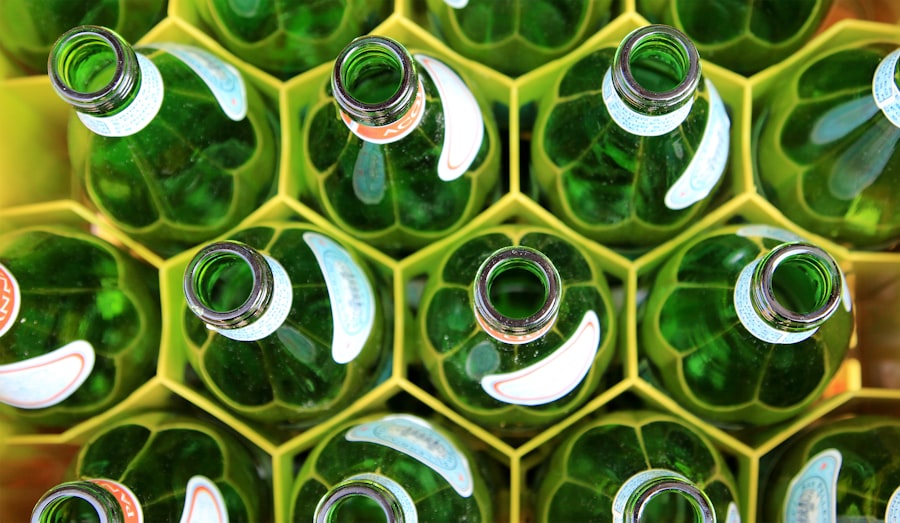
The shift towards reuse and refill loops yields a multitude of benefits, extending far beyond the individual act of discarding less. These advantages impact your personal finances, your community, and the planet as a whole.
Environmental Preservation
The most immediate and significant benefit is the direct reduction in waste sent to landfills and incinerators. This alleviates pressure on waste management systems and reduces the environmental harm associated with their operation.
Reduced Pollution
By decreasing the demand for new single-use products, you are indirectly reducing the pollution associated with their production, transportation, and disposal. This includes less plastic entering our oceans, fewer greenhouse gas emissions, and less strain on natural resources.
Conservation of Resources
Every time you opt for a reusable item, you are conserving the raw materials and energy that would have been used to create a single-use alternative. This contributes to the preservation of finite natural resources for future generations.
Economic Advantages
While initial investments in durable reusable items might seem higher, they often prove to be more cost-effective in the long run.
Long-Term Savings
Think about the cumulative cost of repeatedly buying single-use water bottles, coffee cups, or plastic bags. Over time, investing in a few quality reusable items will save you significant money. Refilling bulk items can also be more economical than buying pre-packaged goods.
Supporting Sustainable Businesses
By patronizing businesses that offer refill services or promote reusable products, you are supporting a more sustainable economy. This encourages further innovation and growth in environmentally conscious sectors.
Personal Well-being and Empowerment
Adopting a reuse and refill lifestyle can offer personal satisfaction and a sense of agency.
A Sense of Purpose
Actively participating in waste reduction can provide a sense of purpose and contribution to a larger cause. It’s a tangible way to align your actions with your values.
Healthier Choices
Many reusable containers, particularly those made from glass or stainless steel, are considered healthier alternatives to certain plastics, which can leach chemicals. Refilling at bulk stations often allows you to choose products with fewer additives.
Overcoming Challenges and Building Habits
Transitioning to a reuse and refill lifestyle is a process, and encountering challenges is natural. The key is to approach these obstacles with a problem-solving mindset and to gradually build sustainable habits.
Initial Investment and Accessibility
The upfront cost of durable reusable items can be a barrier. However, as mentioned, many of these products pay for themselves over time. Furthermore, the availability of refill stations and reusable product options is steadily increasing.
Strategic Purchasing
When purchasing reusable items, prioritize quality and durability. Read reviews and choose products designed for longevity. Consider starting with a few key items that will have the most significant impact on your daily waste.
Seeking Out Local Options
Many communities are developing robust reuse and refill infrastructure. Research local businesses that offer refill services for cleaning supplies, personal care products, or even food items. Supporting these businesses also strengthens the local economy.
Convenience and Time Constraints
In a fast-paced world, convenience is often a deciding factor. You might worry that washing and refilling reusable items takes too much time.
Integrating into Routines
Make the process of cleaning and refilling as seamless as possible. Designate a place for your reusable items and incorporate cleaning them into your existing routines, like washing dishes. For example, rinse your coffee cup as soon as you get home.
Preparedness is Key
A little bit of preparedness goes a long way. Pack your reusable bags, water bottle, and coffee cup the night before. This small effort can prevent you from defaulting to single-use options when you’re in a rush.
Social Norms and Influences
Sometimes, the biggest hurdle is simply breaking away from ingrained habits and societal expectations. You might feel self-conscious about bringing your own containers or refilling your own products.
Leading by Example
Your actions can be a quiet but powerful influence. As more people see you adopting these practices, it can normalize them and inspire others to do the same. Don’t be afraid to explain your choices if asked; you might educate someone.
Finding a Community
Connecting with others who are also committed to sustainable living can provide support and motivation. Online forums, local environmental groups, or even just a few like-minded friends can create a sense of camaraderie and shared purpose.
The growing emphasis on sustainability has led to a shift towards reuse and refill loops, which are proving to be more environmentally friendly compared to traditional single-use products. These systems not only reduce waste but also promote a circular economy, where materials are kept in use for as long as possible. For further insights into the benefits of these innovative practices, you can explore this informative article that highlights various aspects of sustainable consumption and its positive impact on our planet. Check it out here to learn more about why adopting such practices is crucial for a greener future.
The Future is Refillable: A Collective Journey
| Benefits of Reuse and Refill Loops |
|---|
| Reduces plastic waste |
| Conserves natural resources |
| Reduces carbon footprint |
| Promotes sustainable consumption |
| Cost-effective in the long run |
The widespread adoption of reuse and refill loops is not just a trend; it’s a necessary evolution in how we consume and interact with the products that shape our lives. It represents a fundamental shift from a linear, disposable model to a circular, regenerative one.
The Role of Innovation and Technology
Businesses and innovators are continually developing new solutions to make reuse and refill more accessible and efficient. This includes smart packaging systems, advanced cleaning technologies, and online platforms that connect consumers with refill services.
Packaging-as-a-Service Models
Some companies are exploring “packaging-as-a-service” models, where durable containers are leased to consumers and then collected, cleaned, and refilled by the company. This shifts the responsibility of maintenance and logistics away from the individual.
Digital Platforms and Tracking
Technology can play a role in streamlining refill loops. Apps can help you locate nearby refill stations, track your reusable container inventory, and even offer rewards for consistent participation.
Policy and Regulation
Government policies and regulations can significantly accelerate the transition to reuse and refill systems. Bans on certain single-use plastics, incentives for reusable alternatives, and standardized systems for collecting and processing reusable packaging can create a more favorable environment for these practices.
Extended Producer Responsibility
Implementing extended producer responsibility (EPR) schemes, where manufacturers are held accountable for the end-of-life management of their products, can incentivize the design of more durable and reusable packaging.
Standardized Systems
Developing standardized containers and collection systems across industries can reduce complexity and increase efficiency for both businesses and consumers.
Your Continued Participation: A Vital Component
Ultimately, the success of reuse and refill loops depends on your active engagement. Every time you choose a reusable option, refill a container, or support a business with sustainable practices, you are contributing to a larger movement that is reshaping our relationship with waste and our planet. It’s a continuous journey of conscious choices, and the benefits, both personal and planetary, are profound and far-reaching. You are not just reducing waste; you are actively participating in building a more sustainable future.
FAQs
1. What are reuse and refill loops?
Reuse and refill loops refer to the practice of using the same containers or packaging multiple times by refilling them with the same product. This reduces the need for single-use packaging and promotes a more sustainable approach to consumption.
2. Why are reuse and refill loops better for the environment?
Reuse and refill loops are better for the environment because they reduce the amount of single-use packaging that ends up in landfills or as litter. By using the same containers multiple times, less resources are used in the production of new packaging, leading to a reduction in waste and carbon emissions.
3. How do reuse and refill loops benefit businesses?
Businesses can benefit from reuse and refill loops by reducing their packaging costs and improving their environmental sustainability. Additionally, offering refill options can attract environmentally conscious consumers and contribute to a positive brand image.
4. What products are suitable for reuse and refill loops?
A wide range of products can be part of reuse and refill loops, including household cleaning products, personal care items, food items, and beverages. As long as the packaging is designed for multiple uses and the product can be safely refilled, it can be part of a reuse and refill loop.
5. How can consumers participate in reuse and refill loops?
Consumers can participate in reuse and refill loops by seeking out businesses that offer refill options for their products. They can also support initiatives that promote reusable packaging and advocate for more sustainable practices in the products they purchase.