Holding Plastic Producers Accountable: A Guide
You’ve seen the documentaries. You’ve read the reports. You’ve witnessed the overwhelming evidence of plastic pollution’s pervasive impact. The convenience of single-use plastics has come at a steep environmental cost, and it’s increasingly clear that the corporations producing these materials bear a significant portion of the responsibility. For too long, the burden of managing plastic waste has fallen disproportionately on consumers and municipalities, while the manufacturers have largely operated without direct liability for the lifecycle of their products. This guide is designed to equip you with the understanding and tools to advocate for greater accountability from plastic producers. It’s not about blame for the sake of it, but about establishing a fair and sustainable system where those who profit from plastic also share in the responsibility for its consequences.
Before you can effectively demand accountability, you need to grasp the multifaceted role plastic producers play in the current environmental crisis. This isn’t a simple one-dimensional problem; it involves complex supply chains, economic incentives, and often, deliberate industry lobbying. Recognizing these dynamics is crucial for formulating targeted and impactful strategies.
The Lifecycle of Plastic: From Conception to Disposal
The journey of plastic from raw material to discarded waste is a critical area to examine when assigning responsibility. Understanding each stage reveals opportunities for intervention and highlights where producers’ actions (or inactions) have the most significant impact.
Extraction and Manufacturing
The very genesis of plastic lies in the extraction of fossil fuels – primarily oil and natural gas. This process itself carries environmental risks, from habitat destruction to greenhouse gas emissions. Plastic production is an energy-intensive industry, and the manufacturing processes often release pollutants into the air and water. Producers are directly involved in these initial stages, making decisions about material choices, production scale, and waste generation within their facilities.
Product Design and Innovation
The design phase is a pivotal moment where producers make choices that dictate a product’s end-of-life fate. Are they designing for durability and repairability, or for single-use disposability? The prevalence of complex, multi-layered plastics that are difficult or impossible to recycle is often a deliberate design choice driven by perceived cost savings or performance benefits, without adequate consideration for recycling infrastructure.
Marketing and Consumer Influence
The marketing strategies employed by plastic producers can subtly, or not so subtly, shape consumer behavior. Promising ‘recyclability’ without ensuring the infrastructure exists to actually make it happen, or promoting the ‘convenience’ of disposable items, creates a demand that perpetuates the problem. Understanding these marketing tactics is key to challenging misleading claims.
End-of-Life Management and Externalities
This is where the current system breaks down. The vast majority of plastic waste is not effectively recycled. It ends up in landfills, incinerators, or polluting our natural environments. Traditionally, producers have been shielded from the significant costs associated with managing this waste, passing those burdens onto taxpayers, ratepayers, and the environment itself.
The Economic Landscape of Plastic Production
To truly hold producers accountable, you must understand the economic forces that drive their operations. The profit motive is as powerful as any environmental concern, and acknowledging this reality is essential for developing effective advocacy.
Profitability and Shareholder Value
Plastic production is a multi-billion dollar industry. Companies are beholden to their shareholders, and decisions are often made with the primary goal of maximizing profit and increasing shareholder value. This economic reality means that environmental stewardship often takes a backseat unless there are compelling financial incentives or regulatory pressures.
Lobbying and Political Influence
Major plastic producers and their industry associations actively engage in lobbying efforts to influence legislation and policy. Their aim is often to prevent regulations that would increase their costs or limit their production. Understanding the extent of this influence helps explain why meaningful policy changes have been so slow to materialize.
The Cost of Inaction
While producers may benefit from the current economic model, the costs of inaction are mounting. These “externalities” – the environmental and social costs not borne by the producer – are borne by society as a whole. This includes the costs of cleaning up pollution, the impacts on human health, and the loss of biodiversity.
Legal Frameworks and Existing Liabilities
While the term “accountability” might suggest new laws, there are existing legal frameworks that can be leveraged. Understanding these can provide a foundation for advocating for their stricter enforcement and expansion.
Extended Producer Responsibility (EPR)
EPR is a policy approach where producers are made responsible for the post-consumer phase of their products. This can include collection, sorting, recycling, and disposal. While EPR schemes exist for some products (like electronics and batteries), their application to plastics is still developing and often falls short of full producer responsibility.
Product Liability Laws
In some cases, existing product liability laws could be applied to plastic pollution. If defects in plastic products lead to demonstrable harm, legal action could be a possibility. However, proving causality and identifying the specific responsible party in a complex supply chain can be challenging.
Tort Law and Public Nuisance Claims
Environmental groups and concerned citizens have explored using tort law and public nuisance claims to hold plastic polluters accountable. These legal strategies aim to establish that the actions of plastic producers constitute a public harm that warrants legal remedy.
Holding plastic producers accountable is crucial in the fight against plastic pollution, and a related article that delves into this topic can be found at Hey Did You Know This. This article explores various strategies and initiatives aimed at increasing corporate responsibility among plastic manufacturers, highlighting the importance of regulatory frameworks, consumer awareness, and innovative alternatives to single-use plastics. By examining successful case studies and potential policy changes, it provides valuable insights into how we can collectively push for a more sustainable future.
Strategies for Demanding Producer Accountability
Having established the context of plastic production and its inherent responsibilities, you can now focus on practical strategies to drive change. This section outlines various approaches, from direct consumer action to systemic policy advocacy, that you can employ or support.
Consumer Power: The Ripple Effect of Your Choices
As a consumer, your purchasing power is a significant, though often underestimated, force. Your everyday decisions, multiplied by millions, can influence market trends and exert pressure on producers.
Conscious Purchasing Decisions
This is the most immediate way you can exert influence. Prioritize products with minimal or no plastic packaging, opt for reusable alternatives, and support brands that demonstrate a commitment to sustainability.
Boycotts and Targeted Campaigns
Organizing or participating in boycotts of companies with egregious plastic pollution records can be an effective form of protest. Targeted campaigns focusing on specific products or practices can draw public attention and force companies to address concerns.
Consumer Advocacy Groups
Joining or supporting consumer advocacy groups amplifies your individual voice. These organizations often have the resources and expertise to conduct research, launch campaigns, and lobby for policy changes.
Demanding Transparency and Information
Consumers have the right to know what they are buying and where it comes from. Demand clear labeling about material composition, recyclability claims, and the producer’s commitment to end-of-life management.
In the ongoing battle against plastic pollution, it is crucial to explore effective strategies for holding plastic producers accountable for their environmental impact. A related article discusses innovative approaches and regulatory measures that can be implemented to ensure these companies take responsibility for their products. By examining case studies and policy frameworks, we can better understand how to advocate for change within the industry. For more insights on this important topic, you can read the full article here.
Policy and Legislative Advocacy: Shaping the Rules
While individual choices are important, systemic change requires legislative action. Advocating for stronger policies is crucial for creating a level playing field and holding all producers accountable.
Supporting Extended Producer Responsibility (EPR) Laws for Plastics
Actively advocate for the implementation and strengthening of EPR laws specifically tailored to plastic products. This means pushing for laws that place the financial and operational burden of plastic waste management onto producers.
Advocating for Bans on Problematic Plastics and Single-Use Items
Support legislation that bans unnecessary or difficult-to-recycle single-use plastic items, such as certain types of polystyrene, thin plastic bags, and non-essential packaging.
Pushing for Recycled Content Mandates
Advocate for policies that mandate a minimum percentage of recycled content in new plastic products. This creates a market demand for recycled plastics and incentivizes producers to invest in recycling infrastructure and innovation.
Lobbying for Deposit Return Schemes (DRS)
Support the implementation and expansion of deposit return schemes for beverage containers, which have proven highly effective in increasing collection rates and reducing litter for specific plastic items.
Advocating for Clear and Accurate Labeling Standards
Push for regulations that ensure product labeling accurately reflects recyclability and compostability, preventing misleading claims that confuse consumers and undermine recycling efforts.
Legal and Litigation Strategies: Holding Producers to Account Through the Courts
Legal avenues are becoming increasingly important in the fight for plastic producer accountability. While challenging, litigation can yield significant victories and set important precedents.
Filing Lawsuits Against Polluting Corporations
Support and contribute to legal efforts that aim to hold major plastic polluters responsible for the environmental damage they have caused. This can include seeking damages for cleanup costs and environmental remediation.
Pursuing Public Nuisance and Tort Claims
Encourage and support legal teams exploring public nuisance claims and other tort law avenues to address the widespread harm caused by plastic pollution.
Challenging Greenwashing and Misleading Claims
Use legal means to challenge companies that engage in “greenwashing” – making false or exaggerated claims about their environmental performance. This can involve consumer protection lawsuits and regulatory actions.
Supporting Environmental Law Organizations
Lend your support – financially or through volunteering – to environmental law organizations that are at the forefront of litigating against plastic polluters and advocating for stronger environmental laws.
Corporate Engagement and Shareholder Activism: Influencing from Within
For publicly traded companies, shareholders can wield considerable influence. Engaging with corporations directly or through shareholder activism can be a powerful strategy.
Shareholder Resolutions
Support or file shareholder resolutions that call on companies to adopt more sustainable plastic practices, set reduction targets, or improve transparency regarding their plastic footprint.
Engaging with Company Management
Organize letters, petitions, and meetings with corporate executives to express concerns and demand action on plastic pollution.
Investing in Sustainable Companies
As an investor, you can direct your capital towards companies that demonstrate a genuine commitment to sustainability and away from those with poor environmental records.
Challenges and Obstacles in the Pursuit of Accountability
The path to holding plastic producers accountable is not without its significant hurdles. Understanding these challenges is crucial for developing resilient strategies and maintaining realistic expectations.
Industry Resistance and Lobbying Power
The powerful lobbying efforts of the plastics industry are a major obstacle. They actively work to influence legislation, sow doubt about scientific findings, and promote solutions that shift responsibility away from them.
Complexity of the Global Supply Chain
The intricate and often opaque global supply chain for plastics makes it difficult to pinpoint individual responsibility, especially for complex multi-material products and the additives used within plastics.
Lack of Standardized Global Regulations
The absence of uniform international regulations means that companies can often operate in jurisdictions with weaker environmental protections, leading to a race to the bottom.
The “Recycling Myth” and Inadequate Infrastructure
The pervasive narrative that “all plastic is recyclable” is often a misleading oversimplification. The reality is that recycling infrastructure is often insufficient, and many types of plastic are not economically or technically feasible to recycle.
Economic and Political Considerations
Shifting production models and implementing stricter regulations can have significant economic and political ramifications, leading to resistance from industries and governments concerned about job losses or economic competitiveness.
Legal Loopholes and Enforcement Gaps
Existing legal frameworks can have loopholes, and enforcement of environmental regulations can be inconsistent, allowing some companies to evade accountability.
The Future of Plastic Accountability: Towards a Circular Economy
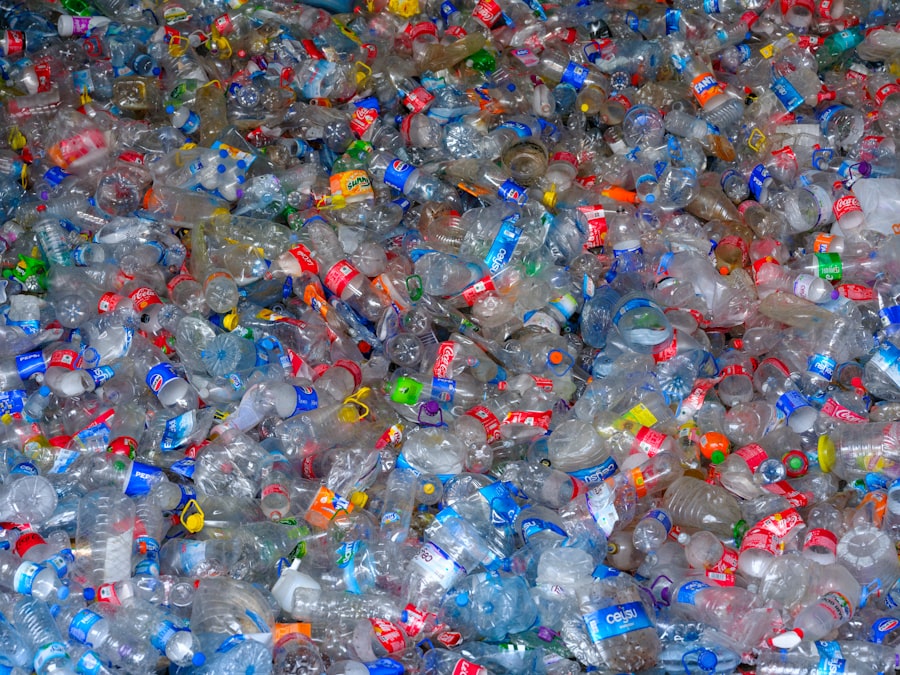
Ultimately, holding plastic producers accountable is about more than just assigning blame. It’s about creating a fundamental shift in how we produce, consume, and manage plastics, moving towards a more sustainable and circular economy.
The Shift Towards a Circular Economy Model
A circular economy aims to keep resources in use for as long as possible, extracting the maximum value from them, and then recovering and regenerating products and materials at the end of their service life. This contrasts with the linear “take-make-dispose” model.
Innovations in Material Science and Design
The future of plastic accountability likely involves significant advancements in material science. This includes developing truly biodegradable and compostable plastics, as well as designing for easier disassembly and recycling.
Enhanced Recycling Technologies and Infrastructure Investment
Significant investment in advanced recycling technologies and robust collection and sorting infrastructure is essential to make recycling a viable and widespread solution. Producers should be instrumental in funding this.
Policy Innovation and International Cooperation
Continued policy innovation, including novel EPR models, plastic taxes, and international agreements, will be crucial. Global cooperation is vital to address a global problem.
Redefining Producer Responsibility: Beyond the Production Line
True producer responsibility must extend beyond the manufacturing facility. It necessitates a commitment to the entire lifecycle of a product, from its inception to its eventual safe return to the environment or the industrial loop. This includes funding recovery systems, investing in research for better materials, and taking responsibility for the waste generated.
Holding plastic producers accountable is a complex but essential endeavor. It requires a multifaceted approach, combining consumer action, policy advocacy, legal strategies, and corporate engagement. By understanding the issues, arming yourself with knowledge, and committing to sustained action, you can contribute to a future where the convenience of materials does not come at the irreversible expense of our planet.
FAQs
What are the environmental impacts of plastic production?
Plastic production contributes to air and water pollution, deforestation, and the release of greenhouse gases. It also leads to the depletion of natural resources and the destruction of wildlife habitats.
How can plastic producers be held accountable for their environmental impact?
Plastic producers can be held accountable through regulations, policies, and enforcement of environmental laws. Additionally, consumers and advocacy groups can pressure companies to adopt sustainable practices and invest in alternative materials.
What are some examples of successful efforts to hold plastic producers accountable?
Several countries and municipalities have implemented plastic bans, taxes, and extended producer responsibility (EPR) programs to hold plastic producers accountable for the environmental impact of their products. Additionally, lawsuits and public pressure have led some companies to change their production and waste management practices.
What role do consumers play in holding plastic producers accountable?
Consumers can hold plastic producers accountable by making informed purchasing decisions, supporting sustainable alternatives, and advocating for policies that reduce plastic production and waste. Consumer pressure can influence companies to prioritize environmental responsibility.
What are some potential solutions for reducing the environmental impact of plastic production?
Potential solutions include investing in biodegradable and compostable plastics, promoting recycling and circular economy models, and supporting innovations in sustainable packaging materials. Additionally, reducing single-use plastics and promoting reusable alternatives can help mitigate the environmental impact of plastic production.