You’re likely here because you’ve heard the term “circular economy” and recognize its potential. Perhaps you’re feeling a growing unease about the linear model of “take-make-dispose” – the relentless extraction of resources, the creation of waste, and the environmental footprint that comes with it. You understand that this approach is unsustainable and that a shift is not just beneficial, but increasingly necessary. This guide is designed to provide you with a practical, step-by-step approach to navigating this transition, whether you’re an individual, a business owner, a community leader, or simply someone seeking to understand and implement these principles.
The transition to a circular economy is not a single event, but rather a journey of continuous improvement and adaptation. It requires a fundamental rethinking of how we design, produce, consume, and manage products and materials. This isn’t about romantic ideals; it’s about creating a more resilient, efficient, and environmentally responsible economic system. It involves looking beyond immediate gains and considering the long-term implications of your material flows and consumption patterns. You are about to embark on a process that, while challenging, offers significant opportunities for innovation, cost savings, and a reduced environmental impact.
Before you can effectively transition, you need a clear grasp of what a circular economy actually entails. It’s not simply about recycling more. It’s a system designed to eliminate waste and pollution, circulate products and materials at their highest value, and regenerate nature. This requires a systemic approach that influences design, production, consumption, and end-of-life management.
Deconstructing the Linear Model
You’ve lived and operated within the linear economy. Recognize its characteristics:
- Resource Extraction: Raw materials are extracted from the earth.
- Production: These materials are transformed into products.
- Consumption: Products are used by individuals or businesses.
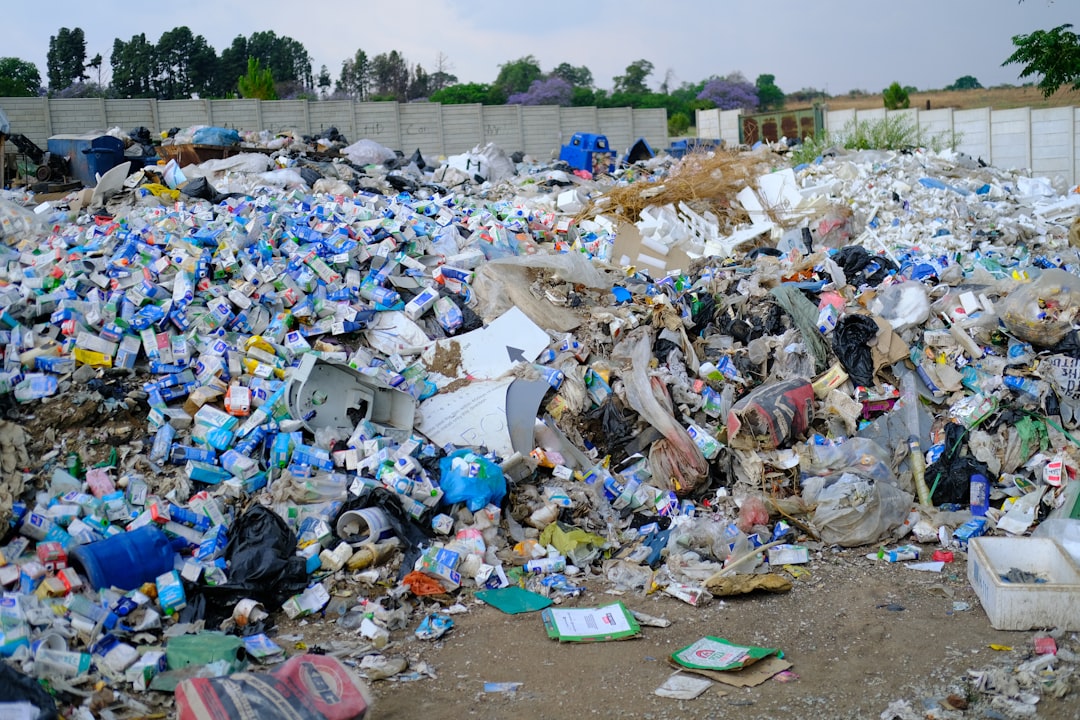
- Disposal: At the end of their useful life, products become waste, often ending up in landfills or incinerators.
Understand the inherent limitations of this model. It relies on finite resources and generates significant, often irreparable, environmental damage. Your current processes likely reflect this linear trajectory, and identifying these points is your first actionable step.
Defining Circular Economy Principles
The circular economy is built upon several interconnected principles:
- Design out waste and pollution: This is proactive. It means integrating considerations for material recovery, durability, and non-toxicity from the very beginning of a product’s lifecycle.
- Keep products and materials in use: Products and their constituent materials should be kept in circulation for as long as possible, at their highest possible value. This can be achieved through repair, refurbishment, remanufacturing, and sharing models.
- Regenerate natural systems: The circular economy aims to restore and enhance natural capital, not deplete it. This involves practices that improve soil health, biodiversity, and water quality.
Consider how these principles contrast with your current practices. Where are the points of waste generation? How are your products currently managed at the end of their life? Understanding these distinctions will illuminate your transition path.
Recognizing the Benefits: Beyond Environmentalism
While environmental benefits are a primary driver, the circular economy offers tangible economic and social advantages. You should approach this transition with an understanding of these broader advantages.
- Economic Opportunities: New business models emerge around repair, remanufacturing, and resource recovery. Cost savings can be realized through reduced material inputs and waste management fees. Increased resilience to supply chain disruptions by leveraging local resources and closed-loop systems is another significant advantage.
- Social Improvements: Job creation in new circular sectors. Enhanced community well-being through a cleaner environment and more sustainable resource management. Improved access to affordable refurbished or repaired goods.
- Innovation and Competitiveness: Driving innovation in product design, material science, and business processes. Enhancing brand reputation and customer loyalty by demonstrating commitment to sustainability.
Reflect on what resonates most with your current goals. Are you primarily driven by cost reduction, risk mitigation, or a desire for innovation? Aligning your circular economy aspirations with these objectives will strengthen your commitment and resource allocation.
Transitioning to a circular economy is a crucial step for businesses aiming to enhance sustainability and reduce waste. For those looking to explore effective strategies and insights on this topic, a related article can be found at this link. It provides valuable information on implementing circular practices and highlights successful case studies that can inspire organizations to adopt more sustainable models.
Step 1: Auditing Your Current Material Flows
Before you can change direction, you must understand your starting point. For any entity – be it a household, a business, or a municipality – this involves a thorough assessment of resources entering and leaving your system.
Material Input Analysis
Where do your materials come from? You need to trace the origin of everything you use.
- Identify all raw materials and components: List every substance, part, or ingredient you procure. Be granular. For a business, this might include metals, plastics, textiles, energy sources, water, and packaging. For a household, this extends to food, clothing, electronics, and household consumables.
- Quantify the volume and origin: Determine the amount of each material used over a defined period (e.g., a month, a year). Note where these materials are sourced from, considering factors like distance, extraction methods, and supplier practices. This will highlight your dependence on specific resources and potentially vulnerable supply chains.
- Assess the environmental impact of sourcing: Research the environmental footprint associated with the extraction and initial processing of these materials. Are they from renewable or finite sources? What are the associated greenhouse gas emissions, water usage, and land degradation?
You are not aiming for perfection in this initial audit. The goal is to establish a baseline understanding, identifying your primary resource dependencies and their immediate environmental consequences.
Waste Output Audit
What do you discard? This is often the most visible indicator of linear practices.
- Categorize all waste streams: Separate waste into distinct types. This would include things like food waste, packaging waste (paper, plastic, metal), manufacturing scraps, electronic waste, textile waste, and hazardous waste.
- Quantify waste generation: Measure the volume or weight of each waste category over the same defined period as your input analysis. This provides a clear picture of what is being “lost” from your system.
- Analyze disposal methods: Where does your waste go? Is it landfill, incineration, recycling, or composting? Understand the environmental implications of each disposal method. Landfills produce methane, incinerators release pollutants, and while recycling is better, it’s often energy-intensive and can lead to downcycling.
This audit should provide you with concrete data. Don’t shy away from the numbers, no matter how disheartening they may seem. This is the evidence base upon which future decisions will be made.
Identifying Hidden Flows and Opportunities
Circular thinking extends beyond obvious inputs and outputs.
- Energy and Water Consumption: These are critical resources often overlooked in material audits. Track your energy and water usage, and consider their sources and the efficiency of your consumption.
- By-products and Secondary Materials: Are there any materials generated during your processes that are currently treated as waste but could have value elsewhere? This requires a critical look at your operations.
- Product Use Phase: For businesses, consider how your products are used by customers. Does their use generate waste? Can product design influence this? For individuals, how do your consumption habits lead to waste?
Your audit is not just an accounting exercise. It’s an opportunity for critical self-reflection. Where are your biggest inefficiencies? Where are the significant environmental hotspots? This information is crucial for prioritizing your subsequent actions.
Step 2: Rethinking Design and Production Processes
The principles of circularity must be embedded at the earliest stages of a product’s lifecycle. This means fundamentally rethinking how you design and manufacture goods and services.
Designing for Durability and Repairability
The lifespan of a product is a critical factor in its circularity.
- Component Modularization: Design products with easily replaceable components. This allows for individual parts to be repaired or upgraded without discarding the entire item. Consider how you can facilitate access to these components.
- Material Selection: Choose materials that are durable, resistant to degradation, and ideally, readily recyclable or compostable at end-of-life. Avoid unnecessary composite materials that are difficult to separate. Research and select materials with lower embodied energy.
- Standardization of Parts: Where possible, use standardized parts across different products. This simplifies repair and remanufacturing processes, making them more cost-effective and accessible.
Think about your current product portfolio. Are there immediate opportunities to incorporate these design principles? This might involve minor modifications or a more significant redesign effort.
Embracing Remanufacturing and Refurbishment
Moving beyond simple repair, these processes restore products to a high standard.
- Establishing Remanufacturing Capabilities: This involves disassembling used products, inspecting, cleaning, repairing, and reassembling them with new or refurbished components. It’s about bringing a product back to like-new condition.
- Developing Refurbishment Programs: Refurbishment focuses on cleaning, minor repairs, and cosmetic improvements to make a used product resalable. This is often a less intensive process than full remanufacturing.
- Creating Reverse Logistics: To enable remanufacturing and refurbishment, you need efficient systems for collecting used products from customers. This requires planning for product take-back schemes and collection points.
Consider the economic viability of these processes for your specific products. What is the potential for savings and revenue generation? Are there existing markets for remanufactured or refurbished goods you can tap into or create?
Minimizing Waste in Production
Even when designing for circularity, production processes themselves can generate waste.
- Optimizing Resource Efficiency: Implement lean manufacturing principles to reduce material scrap, energy consumption, and water usage during production.
- Closed-Loop Manufacturing: Explore opportunities to reuse or recycle production waste internally. For example, plastic offcuts from one process can be re-melted and used in another.
- Material Substitution: Investigate if less impactful or more easily recyclable materials can be substituted for those currently used in your production.
Your production floor is a key area for immediate impact. Look for opportunities to eliminate waste at the source. This is not just about environmental benefit but also about cost reduction.
Exploring New Business Models
The circular economy encourages innovative ways of delivering value.
- Product-as-a-Service (PaaS): Instead of selling a product, you sell the use of the product. This incentivizes you to design for durability and longevity, as you retain ownership and responsibility for the product throughout its lifecycle. Think of leasing models for office equipment or laundry services.
- Sharing Platforms: Facilitate the sharing of underutilized assets. This could be anything from tools and equipment to vehicles and even living spaces.
- Pay-per-Use Models: Customers only pay for what they use. This can lead to more efficient resource utilization and aligns incentives for both the provider and the user.
These models require a significant shift in your business strategy, but they can unlock new revenue streams and deepen customer relationships. You will need to consider how to manage ownership, maintenance, and customer engagement within these frameworks.
Step 3: Shifting Consumption and Use Patterns

Circular economy principles extend to how consumers interact with products. Your role, whether as a business influencing customers or as an individual practitioner, is to foster more sustainable consumption habits.
Promoting Product Longevity and Maintenance
Encourage users to keep products in service for longer.
- Providing Clear Maintenance Guides: Offer comprehensive, accessible guides on how to properly maintain products, ensuring their optimal performance and lifespan.
- Offering Repair Services: Make repair services readily available and affordable. This could be through in-house services, partnerships with repair shops, or by providing the necessary parts and instructions for DIY repairs.
- Educating Consumers on Repair Options: Raise awareness about the benefits of repairing versus replacing, highlighting the cost savings and environmental advantages.
Consider the information you provide to your customers. Is it geared towards encouraging a “throw-away” culture, or does it support longer product life?
Facilitating Product Reuse and Sharing
Encourage the secondary market and collaborative consumption.
- Supporting Second-Hand Markets: Integrate mechanisms within your business to facilitate the resale or donation of your products. This could be through buy-back programs or partnerships with resale platforms.
- Implementing Product Loan or Rental Schemes: For certain types of products, offering rental or loan programs can significantly reduce the need for individual ownership.
- Encouraging Collaborative Consumption: Promote initiatives where individuals can share resources, minimizing the need for each person to own every item they might occasionally use.
Think about how you can actively participate in or enable these reuse and sharing economies. This might involve adapting your logistics or marketing strategies.
Reducing Consumption and Embracing Simplicity
The most circular approach can sometimes be to consume less.
- Focusing on Needs vs. Wants: Encourage a mindful approach to purchasing, distinguishing between genuine needs and transient desires. This applies to both individual consumption and business procurement.
- Prioritizing Quality Over Quantity: Invest in durable, high-quality products that are built to last, rather than disposable or short-lived alternatives. This often leads to better long-term value.
- Embracing Digitalization: Where appropriate, transition to digital services and information, reducing the need for physical products.
This aspect of circularity can be challenging to implement, especially in consumer-driven economies. It requires a shift in societal values and perceptions of success.
Educating and Empowering Consumers
Informed consumers make more sustainable choices.
- Transparency in Product Lifecycle Information: Provide clear and accessible information about a product’s materials, manufacturing process, energy consumption, and end-of-life options.
- Creating Awareness Campaigns: Launch campaigns to educate consumers about the benefits of circular economy principles and how they can participate.
- Incentivizing Circular Behaviors: Consider offering rewards or discounts for returning products for repair or recycling, or for choosing refurbished options.
Your communication with your audience is paramount. Frame circular choices as smart, responsible, and ultimately beneficial.
Transitioning to a circular economy is a crucial step towards sustainable development, and understanding the principles behind it can greatly enhance this process. For those looking to delve deeper into the topic, a related article can provide valuable insights and practical strategies. You can explore more about this transformative approach by visiting this informative resource, which discusses various methods and case studies that illustrate successful transitions to a circular economy. Embracing these concepts can lead to more efficient resource use and reduced environmental impact.
Step 4: Establishing Effective End-of-Life Management and Resource Recovery
| Challenges | Solutions |
|---|---|
| Lack of awareness | Educational campaigns and workshops |
| High initial investment | Government incentives and subsidies |
| Resistance to change | Collaboration with stakeholders and industry leaders |
| Complex supply chains | Transparency and traceability technologies |
| Waste management | Implementing circular design principles |
Once products and materials have reached the end of their initial intended use, the circular economy focuses on keeping them in circulation, not letting them become waste.
Optimizing Collection and Sorting Systems
Efficient collection is the first step to recovery.
- Developing Robust Take-Back Schemes: Implement organized systems for customers to return products. This requires clear instructions, accessible drop-off points, or pick-up services.
- Implementing Advanced Sorting Technologies: Utilize automated sorting technologies (e.g., optical sorters, AI-powered systems) to efficiently separate materials for reuse, remanufacturing, or recycling. Manual sorting also plays a crucial role.
- Localizing Collection Networks: Where feasible, establish collection and sorting facilities closer to the points of consumption to reduce transportation distances and associated emissions.
Think about the logistics involved. Who is responsible for collection? How will materials be transported? What are the safety and environmental considerations for handling these materials?
Maximizing Material Value Retention
The goal is to keep materials at their highest possible value.
- Prioritizing Reuse: Direct reuse of intact products or components is the most desirable option from a circularity perspective.
- Focusing on Remanufacturing and Refurbishment: As discussed earlier, these processes aim to restore products to a high level of functionality.
- High-Quality Recycling: When reuse or remanufacturing is not possible, pursue recycling processes that maintain the material’s purity and quality, allowing it to be used in high-value applications. Avoid downcycling where possible.
Your approach to end-of-life should be driven by a hierarchy of value retention. Each step you take down this hierarchy represents a loss of value.
Exploring Industrial Symbiosis and By-product Valorization
Treating waste from one process as a resource for another.
- Identifying Potential Partnerships: Connect with other businesses or industries that might be able to utilize your waste streams as their raw materials.
- Developing By-product Valorization Strategies: Investigate innovative ways to convert waste materials into new, valuable products. This might require research and development.
- Facilitating Material Exchange Platforms: Support or utilize platforms that connect businesses with surplus materials to those in need of those materials.
Industrial symbiosis offers significant opportunities for both waste reduction and economic benefit. It requires collaboration and a willingness to think outside your immediate operational boundaries.
Sustainable Disposal as a Last Resort
Only when all other options are exhausted should disposal be considered.
- Minimizing Landfill and Incineration: Where possible, actively seek alternatives to these methods.
- Ensuring Responsible Disposal Practices: If landfill or incineration is unavoidable, ensure that these processes are conducted in the most environmentally sound manner possible, with strict controls on emissions and leachate.
- Recovering Energy from Waste: If incineration is used, explore opportunities for energy recovery (Waste-to-Energy) to capture some value from the discarded materials.
Your ultimate goal is to minimize the amount of material that ever reaches a disposal facility. This requires a persistent focus on the preceding steps.
Step 5: Monitoring, Measuring, and Continuous Improvement
Transitioning to a circular economy is an ongoing process, not a destination. Regular assessment and adaptation are essential for long-term success.
Establishing Key Performance Indicators (KPIs)
You need concrete metrics to track your progress.
- Material Circularity Index: Develop metrics that quantify the proportion of materials that are kept in circulation, as opposed to being lost as waste. This could involve tracking recycled content, reuse rates, and waste diversion rates.
- Resource Efficiency Metrics: Monitor your consumption of energy, water, and raw materials per unit of output.
- Waste Reduction Targets: Set specific, measurable, achievable, relevant, and time-bound (SMART) targets for reducing different categories of waste.
- Product Lifespan Metrics: Track the average lifespan of your products and the success rates of your repair and refurbishment programs.
These KPIs should be directly linked to your circular economy goals and the strategies you have implemented.
Data Collection and Analysis
Reliable data is the foundation for effective monitoring.
- Implementing Robust Data Management Systems: Establish systems for consistently collecting, storing, and analyzing data related to material flows, waste generation, and resource consumption.
- Regularly Reviewing Audit Findings: Revisit your initial material audit findings and conduct periodic follow-up audits to assess progress and identify new areas for improvement.
- Benchmarking Against Best Practices: Compare your performance against industry leaders and other organizations that have successfully transitioned to circular models.
Your data collection should be integrated into your existing operational workflows to minimize additional burden.
Fostering a Culture of Innovation and Adaptation
The circular economy is dynamic, requiring ongoing learning and adjustment.
- Encouraging Employee Feedback and Ideas: Create mechanisms for employees at all levels to contribute ideas for improving circularity within the organization.
- Investing in Research and Development: Allocate resources to explore new circular technologies, materials, and business models.
- Staying Abreast of Policy and Technology Developments: The regulatory landscape and technological advancements in circularity are constantly evolving. Stay informed to identify new opportunities and risks.
A committed workforce is crucial. You need to foster an environment where experimentation is encouraged and where learning from both successes and failures is valued.
Communicating Your Progress and Engaging Stakeholders
Transparency builds trust and supports broader adoption.
- Reporting on Circularity Performance: Regularly communicate your progress towards your circular economy goals to internal and external stakeholders, including customers, investors, and the wider community.
- Collaborating with Supply Chain Partners: Work with your suppliers and customers to encourage them to adopt circular practices.
- Advocating for Supportive Policies: Engage with policymakers to advocate for regulations and incentives that support the transition to a circular economy.
Your journey is not solitary. By sharing your experiences and collaborating with others, you can accelerate the systemic shift towards a more sustainable economic future. The transition requires consistent effort and a long-term perspective, but the rewards – a more resilient economy, a healthier planet, and new opportunities for innovation – are substantial. You are embarking on a path of positive change.
FAQs
What is a circular economy?
A circular economy is an economic system aimed at eliminating waste and the continual use of resources. It involves reusing, sharing, repairing, refurbishing, remanufacturing, and recycling materials and products to keep them in use for as long as possible.
Why is transitioning to a circular economy important?
Transitioning to a circular economy is important because it can help reduce the environmental impact of production and consumption, minimize waste, and conserve natural resources. It also has the potential to create new economic opportunities and reduce the reliance on finite resources.
What are the key principles of a circular economy?
The key principles of a circular economy include designing out waste and pollution, keeping products and materials in use, and regenerating natural systems. This involves rethinking the way products are designed, manufactured, and used, as well as promoting the reuse and recycling of materials.
How can businesses transition to a circular economy?
Businesses can transition to a circular economy by adopting sustainable and circular business models, redesigning products for longevity and recyclability, implementing resource-efficient production processes, and collaborating with other stakeholders in the value chain to promote circular practices.
What are some examples of circular economy initiatives?
Examples of circular economy initiatives include the development of product-as-a-service models, the establishment of take-back and recycling programs for products, the use of renewable energy sources in production processes, and the promotion of sharing and collaborative consumption platforms.