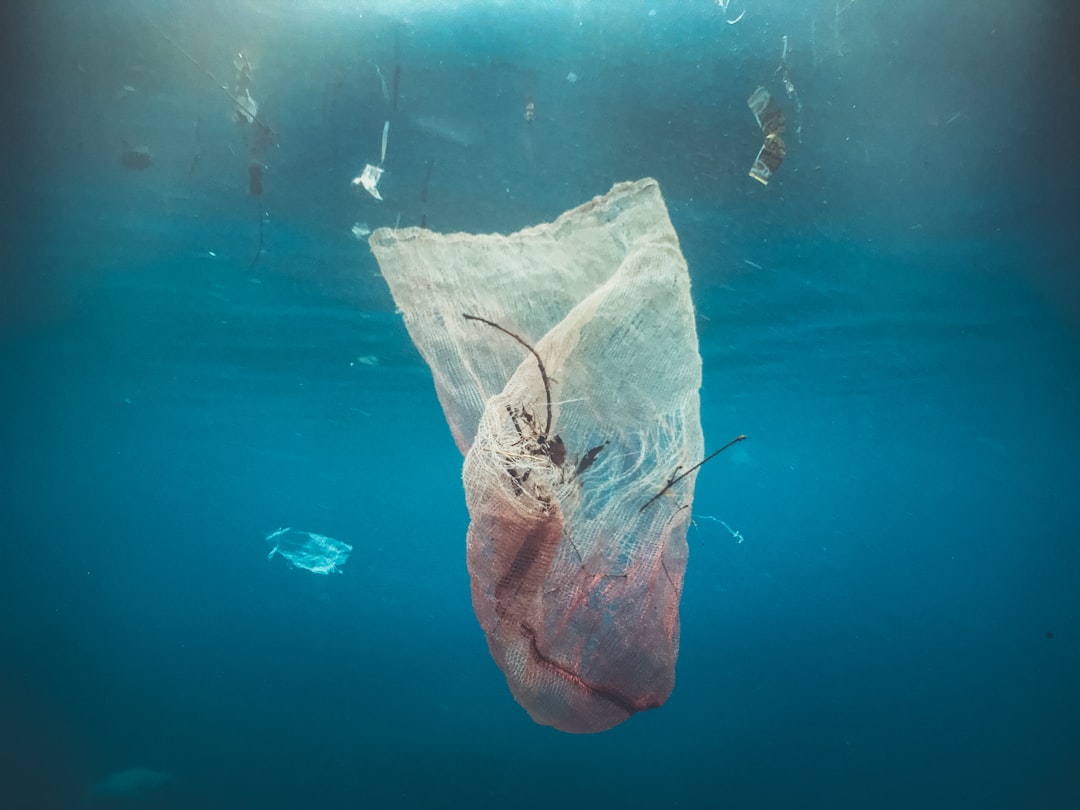
You are witnessing a silent, insidious enemy creeping into the lifeblood of your planet: plastic waste. It’s a pervasive problem, one you likely encounter daily in countless forms, from the grocery bags you carry to the packaging on your food. But the true horror of this ubiquitous material unfolds when it escapes your immediate vicinity and finds its way into the vast, interconnected network of our oceans. This isn’t a distant, abstract issue. The consequences are tangible, devastating, and are already impacting the very ecosystems that sustain you.
You see the bins overflowing, you might even participate in recycling programs, but the journey of plastic doesn’t end there. A significant portion of what you discard, even when intended for disposal, finds its way into waterways.
Land-Based Sources: The Primary Culprits
When you think of ocean pollution, you might picture ships dumping waste. While that is a concern, the overwhelming majority of plastic entering the ocean originates on land.
Urban Runoff: The Invisible Pipeline
Every time it rains, especially in densely populated areas, you’re contributing to the problem, even if you don’t realize it. Rainwater acts as a powerful solvent, washing away litter from streets, sidewalks, and yards. This runoff carries a cocktail of discarded items, including plastic bags, bottles, food wrappers, and microplastics from synthetic clothing fibers, directly into storm drains. These drains, without proper filtration in many cases, lead directly to rivers and, ultimately, the ocean. You might not see the immediate connection, but each time you leave a piece of trash exposed to the elements, you’re contributing to this unseen tide.
Inadequate Waste Management Systems: A Global Failing
The reality is that waste management infrastructure is severely lacking in many parts of the world. Even when you dutifully dispose of your waste, the collection and processing systems may be overwhelmed or non-existent. Landfills can leak, allowing plastic debris to be carried by wind and rain into nearby bodies of water. In regions with limited recycling facilities, much of the plastic that could be reused ends up in uncontrolled dumps, easily accessible to the elements and prone to displacement. This highlights a systemic issue that transcends individual actions.
Littering: A Conscious Choice with Unconscious Consequences
This is perhaps the most direct and visible way you contribute. Leaving a single-use plastic item behind, whether it’s a cigarette butt (which contains plastic filters) or a plastic bottle, is an act of carelessness with far-reaching implications. You might think it’s just one item, but multiplied by millions of people, every single day, this becomes a monumental problem. The wind carries it, the rain washes it, and eventually, it finds its way to the sea.
Marine-Based Sources: A Persistent Threat
While less significant in volume than land-based sources, plastic waste originating from maritime activities remains a critical concern.
Fishing Gear: Ghostly Remnants
You’ve likely seen images of turtles entangled in fishing nets. These discarded or lost fishing nets, often referred to as “ghost gear,” are made of durable plastic and continue to trap marine life for years, even decades, after being abandoned. This includes not only nets but also buoys, ropes, and traps. The sheer resilience of these materials means they persist in the ocean, posing a continuous threat to biodiversity.
Shipping and Boating: Accidental and Intentional Discharges
Ships, from massive cargo vessels to small pleasure craft, can contribute to plastic pollution through accidental loss of containers or intentional dumping of waste overboard. While international regulations exist to prevent this, enforcement can be challenging, and accidents do happen. Even small items, like plastic food packaging, can have a significant impact when released into the marine environment.
Offshore Industries: A Less Visible Contribution
Oil and gas platforms, and other offshore industrial operations, also have the potential to release plastic waste. While regulations are in place, the vastness of the ocean and the challenging operating conditions can lead to some plastic entering the marine ecosystem.
The issue of plastic waste in our oceans has garnered significant attention due to its devastating impact on marine life and ecosystems. A related article that delves deeper into this pressing environmental concern can be found at Hey Did You Know This, where it explores the various ways plastic pollution affects ocean health and highlights potential solutions to mitigate this growing crisis.
The Microscopic Menace: The Rise of Microplastics
Not all plastic waste remains in the visible chunks you’re accustomed to. Over time, sunlight, wave action, and physical abrasion break down larger plastic items into increasingly smaller fragments.
Primary Microplastics: Engineered for Smallness
You might not be aware that not all microplastics are a result of degradation. Some are intentionally manufactured at this tiny size.
Microbeads in Personal Care Products: A Forgotten Ingredient
For a significant period, you likely used or encountered products like facial scrubs, toothpaste, and body washes containing tiny plastic beads, known as microbeads. These were added for exfoliation. Despite being removed from many products due to public outcry, their legacy persists. These microbeads, far too small to be filtered by wastewater treatment plants, entered our waterways and oceans in massive quantities, and are still present.
Plastic Pellets (Nurdles): The Raw Material of Plastic Production
These are the raw ingredients for most plastic products. Billions of these tiny plastic pellets, also known as nurdles, are transported globally for manufacturing. Accidents during transport, from spills at facilities to cargo lost at sea, mean that these nurdles are a significant source of primary microplastic pollution. You may never see them directly, but they are a fundamental building block of the problem.
Secondary Microplastics: The Breakdown of Larger Debris
The most prolific source of microplastics is the fragmentation of larger plastic items.
The Constant Erosion of Larger Plastics: A Slow but Sure Transformation
When you see a plastic bottle or bag floating in the water, it’s not static. It’s constantly being battered by waves and exposed to UV radiation. This relentless physical and chemical assault breaks down the plastic into smaller and smaller pieces. Over time, a single plastic bottle can become millions of microscopic fragments, making it impossible to collect.
Synthetic Fibers from Clothing: Washing Your Laundry’s Hidden Cost
Every time you wash synthetic clothing, such as polyester or nylon, tiny plastic fibers are shed. These microscopic filaments, often too small for washing machine filters and wastewater treatment plants to capture, are washed directly into rivers and oceans. This means that the clothes you wear, which you might consider a simple necessity or even a form of self-expression, are contributing to the invisible pollution of our planet’s waters.
The Silent Suffering: Impacts on Marine Life
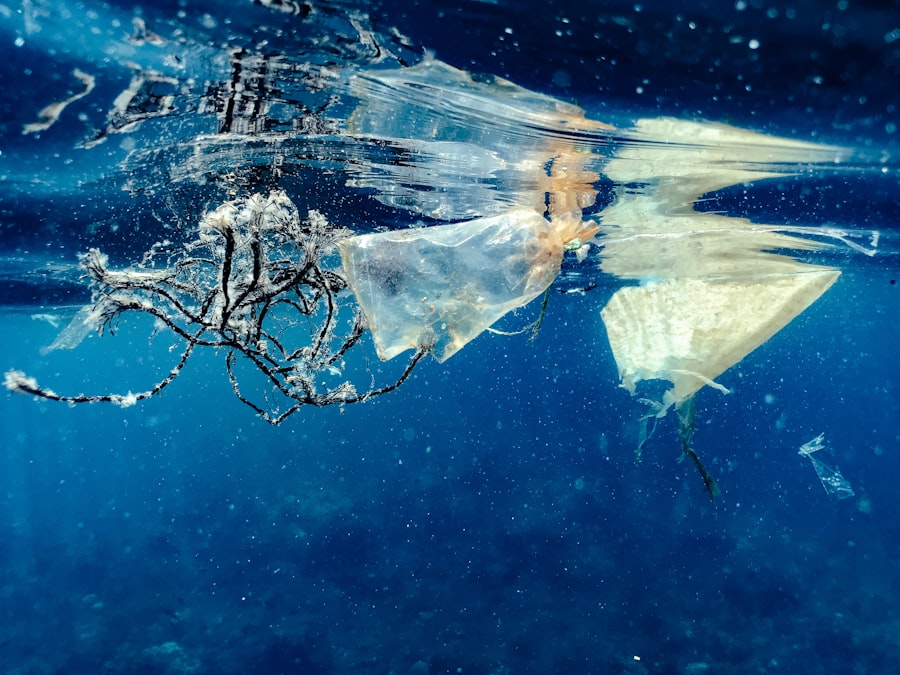
The presence of plastic in the ocean is not just an aesthetic problem; it represents a profound threat to the billions of living organisms that call it home. You are witnessing a slow, agonizing poisoning of an entire ecosystem.
Ingestion: Mistaking Trash for Food
Marine animals, from the smallest plankton to the largest whales, are ingesting plastic. This occurs because plastic often resembles their natural food sources.
The Deceptive Appearance of Plastic: A Fatal Flaw
A floating plastic bag can look like a jellyfish, a primary food source for sea turtles. Small plastic fragments can be mistaken for plankton by filter-feeding organisms. The consequences of this mistaken identity are dire. Ingested plastic can cause internal injuries, block the digestive tract, and lead to starvation. You might see images of a bird with its stomach full of plastic caps, a stark and tragic illustration of this phenomenon.
The Cumulative Effect: Gradual Poisoning
Even if a single piece of plastic doesn’t immediately kill an animal, the cumulative effect of ingesting small amounts over time can be devastating. Plastic can leach harmful chemicals into the animal’s tissues, disrupting their hormonal systems, impairing their immune function, and reducing their reproductive success. This isn’t a single, dramatic event, but a slow, insidious decline.
Entanglement: Trapped and Strangled
Larger plastic debris poses a significant physical threat to marine life.
The Peril of Ghost Gear and Other Debris: A Lifelong Prison
As mentioned earlier, discarded fishing gear is a major culprit. Animals can become entangled in nets, ropes, and other plastic debris, leading to drowning, suffocation, or severe injuries that make them vulnerable to predation or starvation. Even seemingly innocuous items, like plastic rings from six-pack holders, can strangulate marine life if they become trapped. You might see footage of seals with deep lacerations from plastic rings, a constant reminder of this danger.
Reduced Mobility and Predation Risk: A Constant Struggle for Survival
Beyond the immediate threat of drowning, entanglement can severely restrict an animal’s ability to move, forage for food, or escape predators. This creates a prolonged period of suffering and ultimately leads to death. The ocean becomes a minefield of potential hazards for these creatures.
Habitat Destruction: A Foundation Undermined
Beyond the direct harm to individual animals, plastic pollution is fundamentally altering marine habitats.
Smothering Coral Reefs and Seagrass Beds: Depriving Foundations of Life
The accumulation of plastic debris can physically smother sensitive marine ecosystems like coral reefs and seagrass beds. These environments are vital nurseries and feeding grounds for countless species. When they are covered in plastic, sunlight is blocked, and animals are deprived of shelter and food, leading to their decline. You are essentially laying a suffocating blanket over the most biodiverse areas of the ocean.
Altering Sediment Composition: A Chemical Contamination
Microplastics, once embedded in marine sediments, can alter their physical and chemical properties. This can affect the organisms that live within the sediment, such as shellfish and burrowing worms, disrupting entire food webs.
The Trophic Cascade: Plastic’s Journey Up the Food Chain
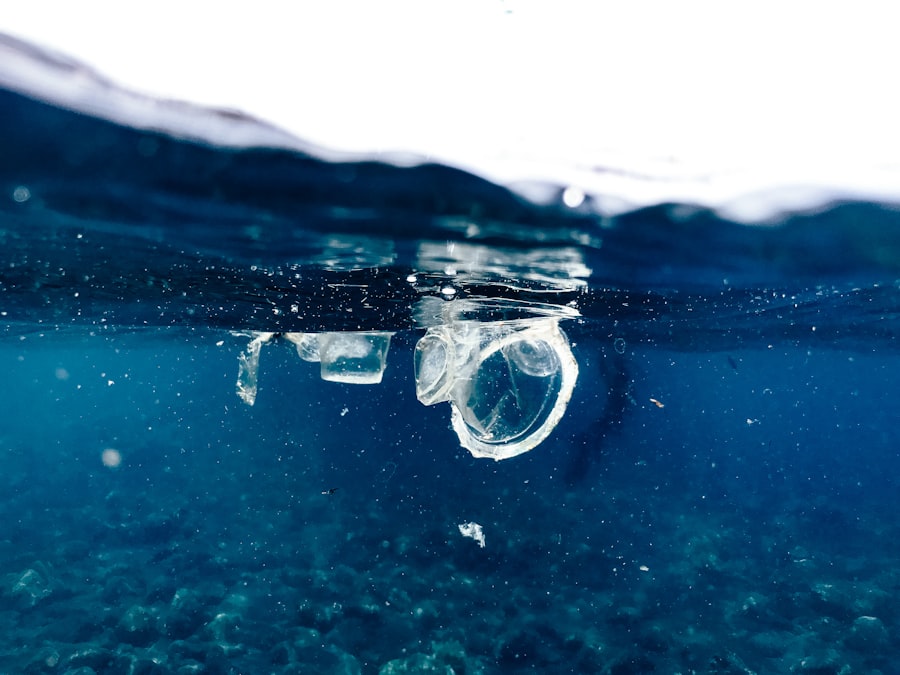
The problem doesn’t end with the individual animals that directly interact with plastic. You are part of a complex food web, and the plastic you introduce is moving through it.
Bioaccumulation: The Accumulation of Toxins
When marine organisms ingest plastic containing harmful chemicals, these chemicals can accumulate in their tissues over time. This process is known as bioaccumulation.
Leaching Chemicals: A Slow Release of Poisons
Many plastics are manufactured with chemical additives to enhance their properties, such as flame retardants or plasticizers. These chemicals can leach out of the plastic and into the surrounding water or the tissues of the animals that ingest it. You might not see these chemicals, but they are present and are accumulating.
The Concentration Effect: A Double Whammy for Predators
As smaller organisms that have ingested plastic are eaten by larger predators, the accumulated toxins become concentrated at higher levels of the food chain. This means that predators, including larger fish that you may consume, can end up with significantly higher concentrations of these harmful chemicals in their bodies.
Biomagnification: The Amplification of Threat
This process, where the concentration of toxins increases at successive trophic levels, is called biomagnification.
Higher Up the Chain, Greater the Danger: The Apex Predators’ Plight
Animals at the top of the food chain, such as sharks, dolphins, and marine birds, are particularly vulnerable to biomagnification. They consume large quantities of prey, each of which may contain trace amounts of plastic-associated toxins. Over their lifetimes, these apex predators can accumulate dangerous levels of these chemicals, impacting their health, reproduction, and survival. You are not immune to this.
The Human Connection: Our Own Ingestion of Plastic
The seafood you consume can contain microplastics and the toxins they carry. While the direct health impacts of ingesting microplastics are still being researched, the presence of these synthetic materials and their associated chemicals in our food supply is a significant concern. You are, in essence, consuming the pollution you create.
The growing concern over plastic waste in our oceans has prompted numerous studies and articles highlighting its devastating effects on marine life and ecosystems. One such insightful piece can be found in a related article that discusses the various ways plastic pollution disrupts oceanic health and biodiversity. For more information on this pressing issue, you can read the article here. Understanding the implications of plastic waste is crucial for developing effective strategies to combat this environmental crisis.
The Unseen Consequences: Broader Ecosystem Impacts
| Impact of Plastic Waste on Oceans | Statistics |
|---|---|
| Amount of plastic in the ocean | More than 150 million metric tons |
| Number of marine species affected | Over 700 species |
| Plastic ingestion by marine animals | 1 million seabirds and 100,000 marine mammals annually |
| Impact on coral reefs | Corals are at risk from entanglement and smothering |
| Microplastics in the ocean | Estimated 51 trillion particles |
The impact of plastic waste extends beyond the direct harm to individual organisms and species. It is fundamentally altering the very functioning of marine ecosystems.
Altering Nutrient Cycles: A Disruption of Natural Processes
Plastic debris can interfere with natural nutrient cycling in the ocean. For example, it can reduce light penetration, impacting photosynthesis by phytoplankton, the base of many marine food webs. It can also alter oxygen levels and the composition of microbial communities.
Spreading Invasive Species: A Silent Invasion Enabled by Plastic
Plastic debris acts as a raft, allowing marine organisms to travel to new environments where they would not normally be able to survive. This can lead to the introduction of invasive species, which can outcompete native species, disrupt ecosystems, and cause significant ecological and economic damage. You are inadvertently facilitating a biological invasion.
The Economic Toll: Beyond the Environmental Disaster
The economic consequences of ocean plastic pollution are substantial and far-reaching, impacting industries that depend on healthy marine environments.
Tourism and Recreation: Degrading Natural Beauty
Beaches littered with plastic are less attractive to tourists. The degradation of marine life, such as the decline of coral reefs, impacts diving and snorkeling industries. The ocean’s pristine beauty, a draw for many, is being systematically marred.
Fisheries: Declining Catches and Contaminated Products
Plastic pollution directly impacts fisheries by injuring or killing fish, reducing catches, and contaminating seafood with microplastics and toxins. This can lead to economic losses for fishing communities and raise concerns about the safety of food products. The very sustenance you draw from the ocean is being jeopardized.
Cleanup Costs: An Enormous and Ongoing Burden
The cost of cleaning up plastic pollution from beaches and coastlines is immense. Furthermore, large-scale ocean cleanup projects are technologically challenging and incredibly expensive, and often only address a fraction of the problem. You are paying the price for this pollution, both directly through cleanup efforts and indirectly through the loss of ecosystem services.
You have the power to be part of the solution, not just a contributor to the problem. The scale of the challenge is immense, but so too is the potential for collective action. Understanding the devastating impact of plastic waste on your oceans is the first, crucial step towards change.
FAQs
What is the impact of plastic waste on oceans?
Plastic waste in oceans has a detrimental impact on marine life, ecosystems, and human health. It can entangle marine animals, be ingested by them, and release toxic chemicals into the water.
How much plastic waste is in the oceans?
It is estimated that there are over 150 million tons of plastic waste in the world’s oceans, with an additional 8 million tons being added every year.
What are the sources of plastic waste in oceans?
The main sources of plastic waste in oceans are improper disposal of plastic products, industrial waste, and plastic microbeads used in personal care products.
What are the long-term effects of plastic waste on oceans?
The long-term effects of plastic waste on oceans include the disruption of marine ecosystems, the decline of fish populations, and the contamination of seafood consumed by humans.
What can be done to reduce plastic waste in oceans?
To reduce plastic waste in oceans, efforts can be made to improve waste management, promote recycling, and develop alternative materials to replace single-use plastics. Additionally, individuals can reduce their plastic consumption and participate in beach clean-up initiatives.